The House of Clifford
– 2 min read


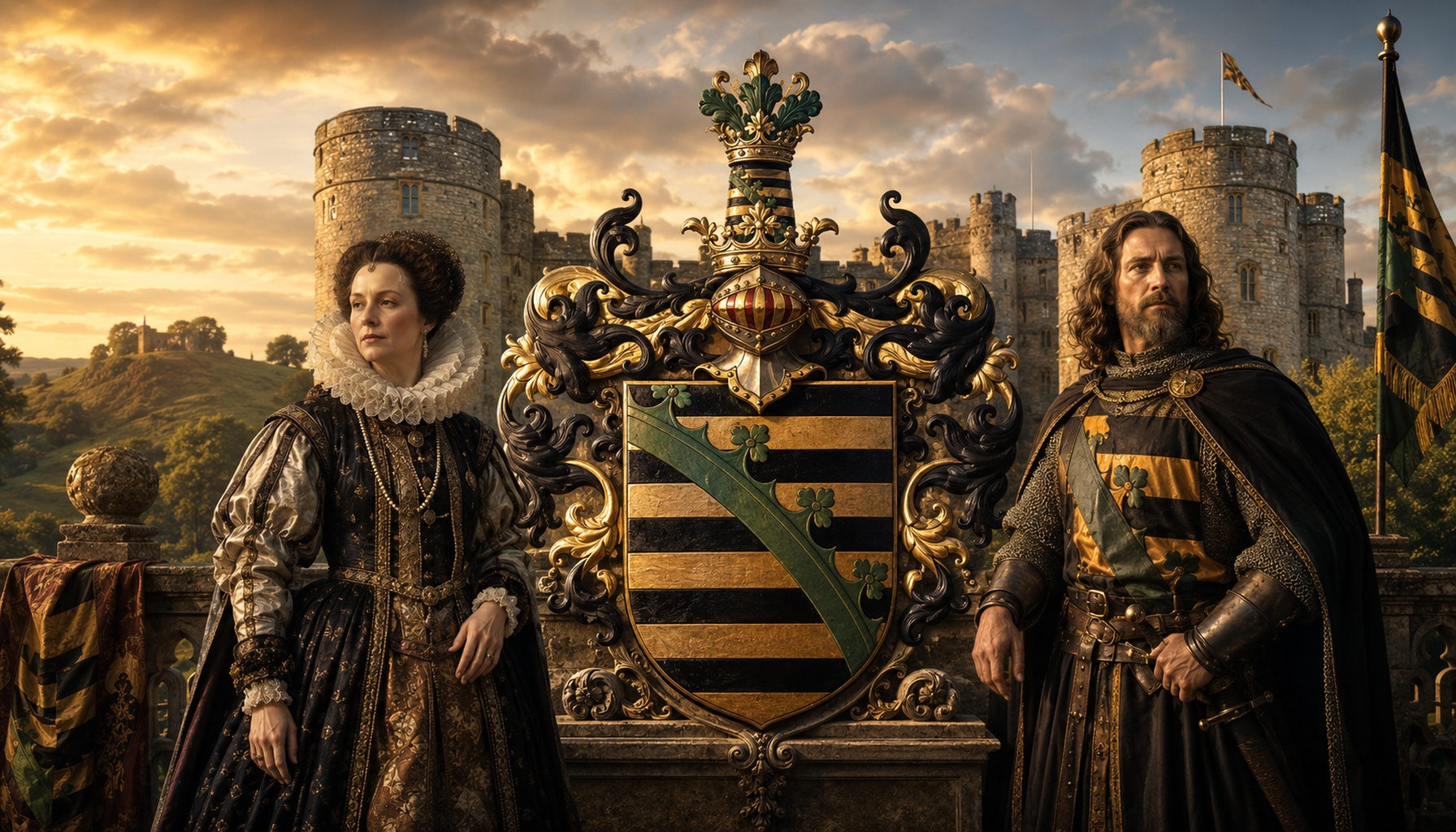
The House of Clifford was one of the great Anglo-Norman noble families of medieval England, a dynasty built on land, castle power, royal service, and the hard practical business of holding difficult frontier country. Their story begins in the aftermath of the Norman Conquest, when ambitious lords from the Norman world planted themselves across England and the Welsh borderlands. The family took its name from Clifford in Herefordshire, and over time became closely associated with marcher lordship, military command, and the aristocratic culture of lineage, heraldry, and inherited duty. In haplogroup terms, the primary family association here is I1a1a1b2, a paternal line with wider roots in northern Europe.
What makes the Cliffords interesting is not just that they were powerful, but how recognisably medieval their rise was. They advanced through control of estates, by serving kings in war, by making shrewd marriages, and by embedding themselves in the political life of the realm. This is the classic Anglo-Norman pattern: castles guarding routes and rivers, baronial titles tied to territory, and a family memory carefully maintained over centuries. Among the better-known figures are Roger Clifford, 1st Baron Clifford, summoned to Parliament in 1286 and firmly part of the high baronial world, and much later Lady Anne Clifford (1590-1676), one of the most remarkable aristocratic women of early modern England, famed for her determined fight to recover and preserve her ancestral inheritance.
The family's great location anchor is Clifford Castle, near the village of Clifford in Herefordshire, close to the Welsh border and set above the River Wye. That position tells you almost everything about why it mattered. This was marcher country, a zone where politics, warfare, lordship, and local control were tightly bound together. Clifford Castle began as a Norman motte-and-bailey stronghold and later developed in stone, reflecting the broader transformation of conquest fortifications into more permanent aristocratic seats. It was strategically placed to oversee movement through the border region and to project authority into a landscape where the power of a lord was measured not in theory but in whether he could actually hold the ground. Today the castle survives as a ruin, but a very evocative one, and it can still be visited, giving a real sense of the exposed frontier world in which the Cliffords first made their name.
Read more about the House of Mortimer
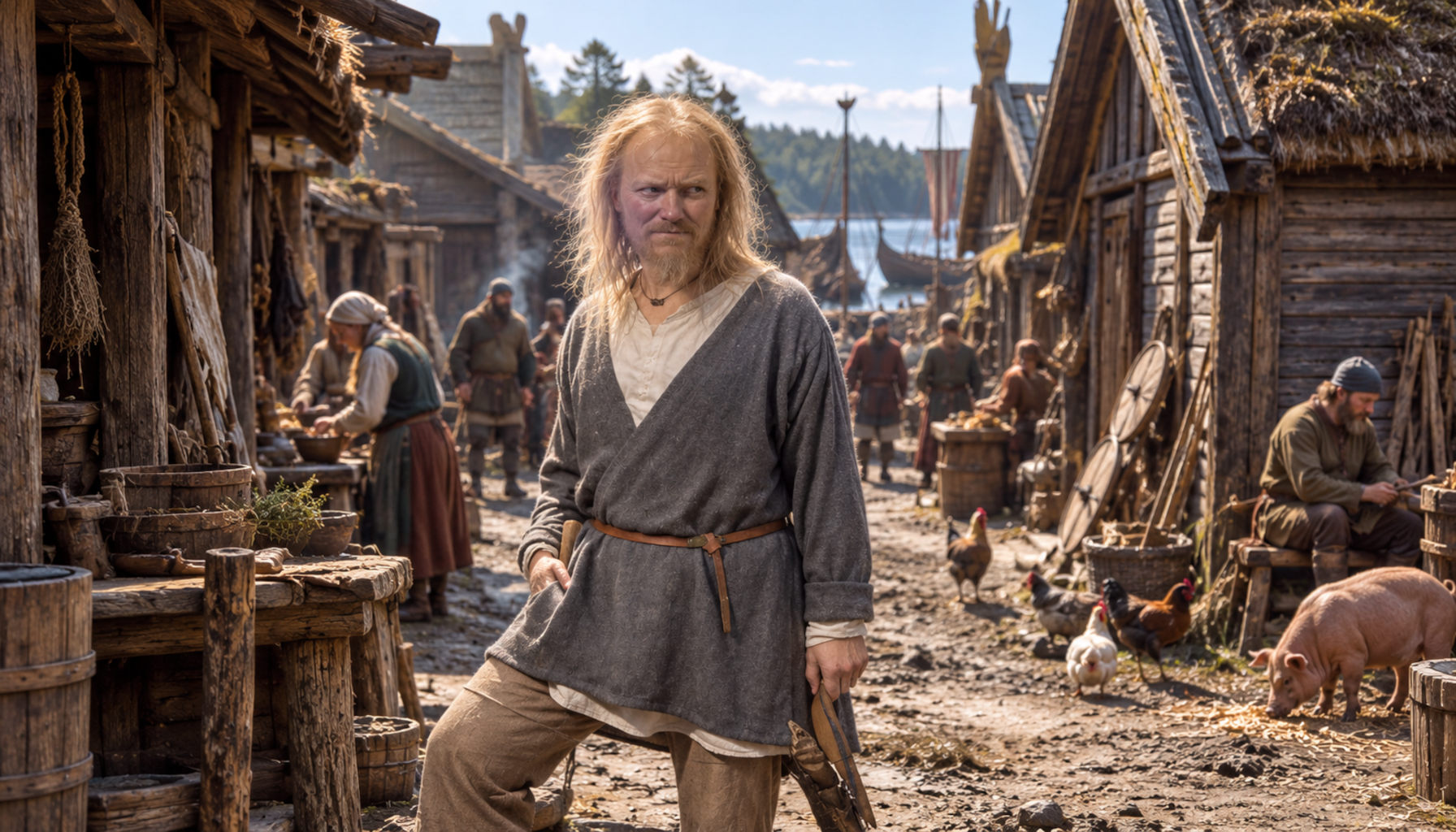
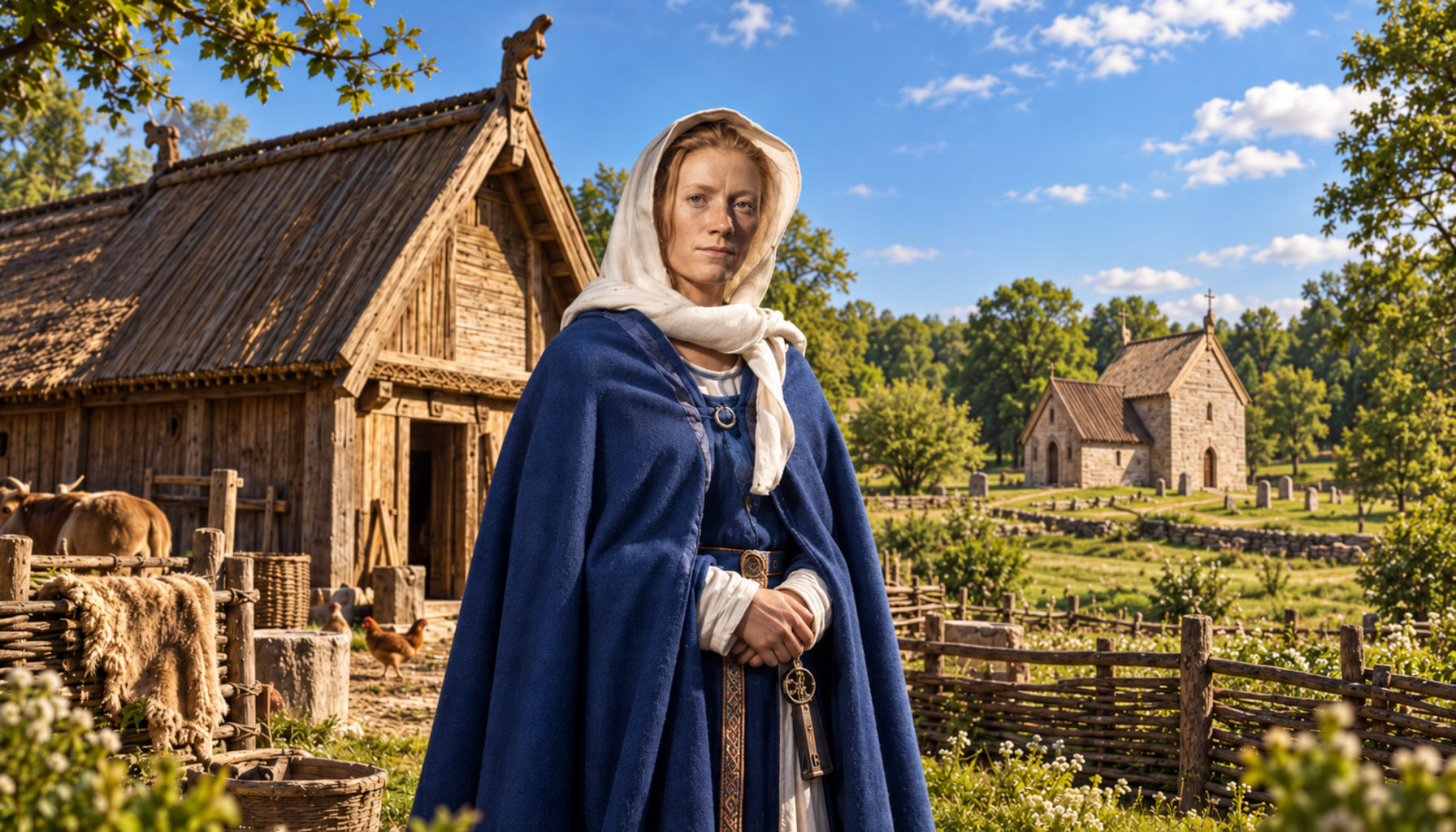
The Clifford family's featured haplogroup is I1a1a1b2. That does not mean every historical Clifford carried it, nor does it allow us to claim direct descent from ancient excavated individuals. What it does offer is a wider genetic backdrop. Related or linked ancient DNA samples associated with I1a1a1b2 include Medieval Jutland, Denmark, Vor Frue Kirkegard, Aalborg (CGG100441); Migration Period Germany, Saxony-Anhalt, Bruecken (BRC036x); Jute, Early Roman Era, Denmark, Jutland Bog War, Alken Enge (CGG019210); the Viking St. Brice Massacre, Oxford (VK167); and Viking Age Skara Varnhem, Sweden (VK29). Taken together, these samples point toward a northern European paternal landscape stretching across Denmark, Germany, England, and Sweden, a useful reminder that noble houses in medieval Britain sat within a much older web of movement, migration, warfare, and settlement around the North Sea world.
If the House of Clifford speaks to your own family story, the next step is to test it against the deeper record. Upload your DNA to MyTrueAncestry and see whether you match the Clifford family profile or related ancient DNA samples connected to haplogroup I1a1a1b2 and the wider medieval North Sea world.


Comments