The House of de Coleby
– 3 min read


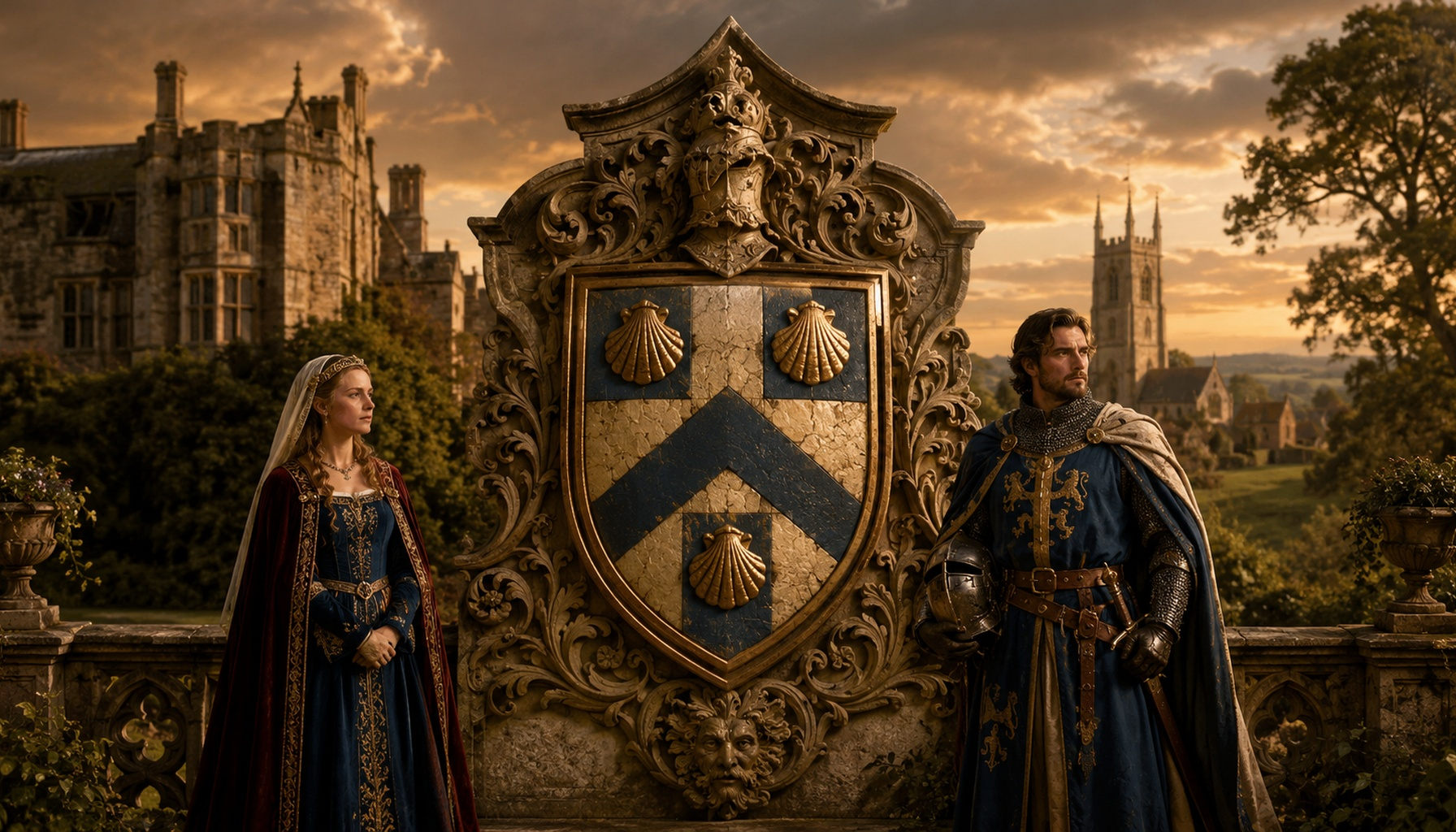
The House of de Coleby was an English landed family rooted in place, identity, and local standing, rather than in royal grandeur. Their name points straight to origin: Coleby in Lincolnshire, a classic medieval territorial surname of the sort that told the world where a family belonged, what land framed their influence, and how they fitted into the county order of England. In that sense, the de Colebys belong to a very familiar and very important historical pattern: the lesser noble or gentry-style house whose authority rested on landholding, service, parish reputation, marriage ties, heraldic memory, and the stubborn survival of a name across generations. Haplogroup tag: R1b1a1b1a1a2c1a5c2a, presented here as the primary family haplogroup.
That makes them interesting not because they sat at the centre of kingship, but because they inhabited the machinery of medieval England where most power was actually lived out: in villages, manors, courts, county obligations, and the daily business of local society. Figures associated with the family include Sir Roger de Coleby around 1200, William de Coleby around 1250, and John Coleby of Lincoln in 1379. Even those brief appearances tell a larger story. These are the sorts of names that surface in land records, civic activity, and regional administration, showing how a family could maintain standing through continuity and usefulness, not theatrical magnificence. That is often how English houses endured: not by dazzling the kingdom, but by remaining solidly in the frame of their own county.
Read more about the House of Cavendish
The family's geographical anchor is Coleby, now in North Kesteven, Lincolnshire, a village with deep historical roots and a setting that still conveys something of the old structure of rural authority. Coleby sits just south of Lincoln, in a landscape shaped by long occupation, agriculture, parish life, and the slow layering of English local history from the medieval world onward. Coleby Hall became the key emblem of that anchored identity: not a fortress of princes, but the sort of country house that speaks of continuity, estate management, and county presence. The village itself has a notable church, older settlement character, and the broader feel of a place where lineage and land once worked hand in glove. Coleby Hall is known as part of that historic setting, and the village can certainly still be visited today, which gives the modern visitor a rare chance to stand in the landscape that sustained the de Coleby name.
Explore the House of Yarborough
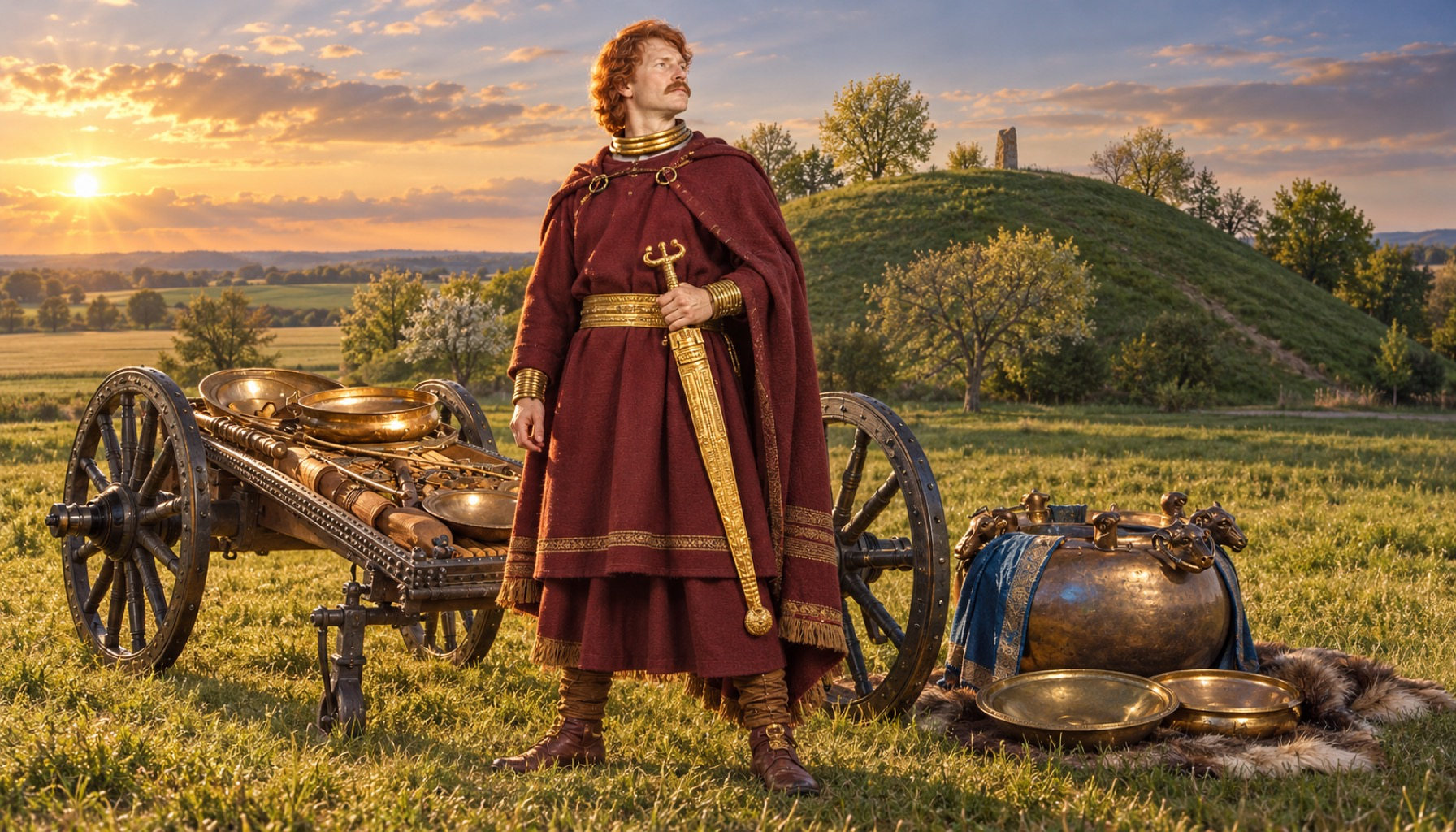
From the ancient-DNA angle, the haplogroup R1b1a1b1a1a2c1a5c2a links the de Coleby story to a much older and wider tapestry of paternal lineages found across Britain and northern Europe. Related or linked samples include Anglo-Saxon Kingdom of Northumbria Yorkshire Britain Fox Holes Cave Clapdale Ingleborough Hill (I16392), Early Anglo Saxon Cemetery West Heslerton Yorkshire (I11586), Germanic Weklice Poland (R10626), Iron Age Hill Fort Fin Cop Derbyshire England (I20628), Celtic Briton Carsington Pasture Cave Derbyshire England (I12775), Celtic Briton Lechlade-on-Thames Gloucestershire England (I12783), Celtic Briton Bradley Fen Cambridgeshire England (I11156), Iron Age Trumpington Cambridgeshire England (I11153), Celtic Briton Stanton Harcourt Oxfordshire (I21272 and I21277), Iron Age Gloucestershire England Greystones Farm (I12785), Viking Age Skara Varnhem Sweden (VK405), Ireland Copper Age (Rathlin1B), and Bronze Age Covesea Cave Scotland (I3132). None of this proves direct descent from any one individual, of course. What it does show is that the de Coleby haplogroup belongs to a lineage seen in populations tied to Celtic Britons, Iron Age communities, Anglo-Saxon era England, Viking Age Scandinavia, and earlier Bronze Age and Copper Age horizons. In other words, the family sits inside a very old northern European genetic backdrop that long predates surnames, manors, and heraldry.
Explore Anglo-Saxon DNA in England
If the House of de Coleby speaks to your own family story, the next step is a rather good one: test the history in your DNA. Upload your results to MyTrueAncestry and see whether you match this family line or any of the related ancient DNA samples connected with the same broader haplogroup world of Iron Age, Celtic Briton, Anglo-Saxon, and Viking Age Europe.



Comments