The House of Darbie
– 3 min read


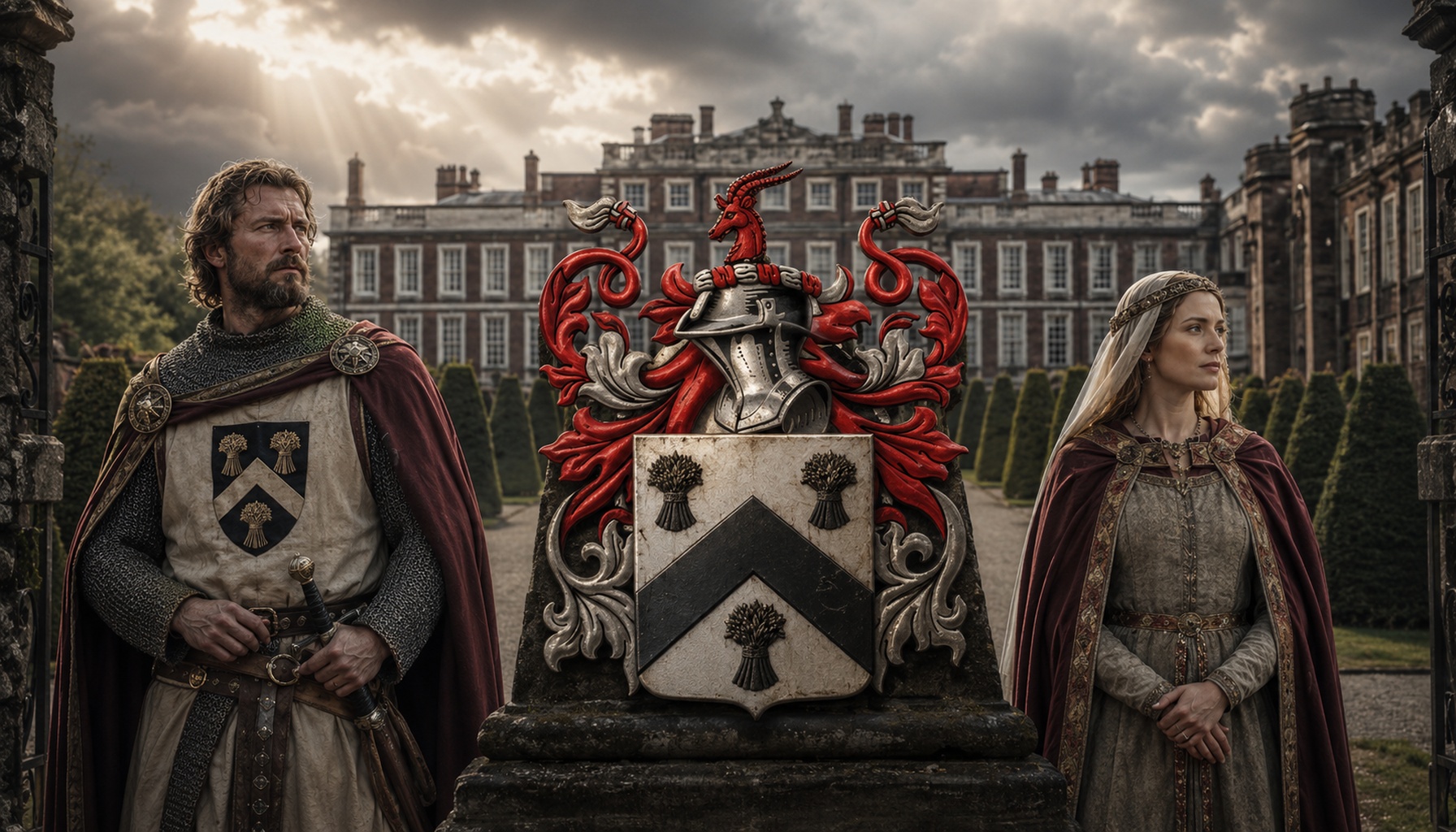
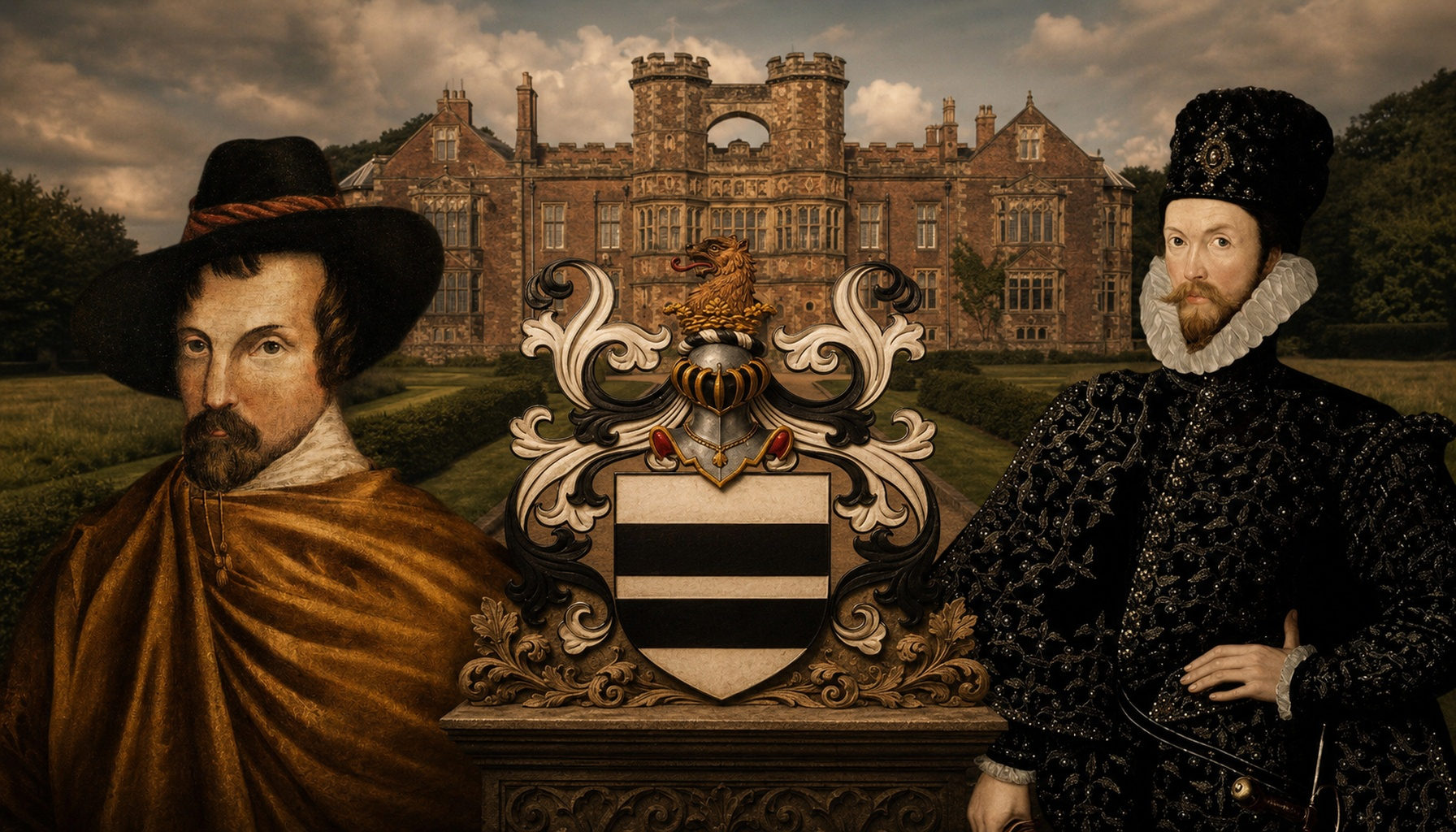
The House of Darbie belongs to that very English kind of family story in which status grew not from a crown or a princely title, but from rootedness, service, property, and the steady keeping of a name. In that sense, Darbie heritage sits firmly within the tradition of regional gentry and landed families whose identity was shaped by place and public reputation over generations. The family is best understood as an English house of local standing, with its memory carried through surname continuity, heraldic association, and the long cultural importance of landholding within county society. In genetic tagging terms, the primary family haplogroup linked here is I1a2a1a1a1a2, a branch with deep connections across northern Europe and early medieval Germanic worlds.
As with many English family houses, the origins of the Darbie name are most plausibly tied to location and regional context, where a surname could emerge from settlement, estate connection, or long local identification before becoming fixed across generations. That is how so many English houses took shape: not in one dramatic founding moment, but by slowly accumulating standing through office, stewardship, marriage, work, and memory. The Darbie name also calls to mind two striking historic figures, Abraham Darby I (1678-1717) and Abraham Darby II (1711-1763), whose importance in early industrial Britain gave the surname a wider historical echo. They are not simply names in a genealogy; they remind us how an English family identity could stretch from local roots into national significance while still remaining, at heart, grounded in continuity of house and name.
Read more about the House of Haynes
A useful location anchor for thinking about the wider world of English family houses is Knowsley Hall in Merseyside, the great historic seat long associated with the Stanley family, Earls of Derby. The hall stands near Liverpool and has roots going back to the medieval period, though much of what visitors encounter today reflects major rebuilding and development across later centuries, especially the 18th and 19th. It has been a political, social, and cultural centre as much as a residence, set within an extensive estate that once expressed exactly the kind of regional authority and continuity that defined English noble and gentry life. Knowsley Hall is also famous for its landscaped park, its connection to the Stanley dynasty, and its role in preserving the memory of a house through architecture, collections, and land. While it is not a Darbie seat, it provides an excellent comparison for understanding the atmosphere in which English family prestige operated: county influence, inherited estate culture, and a very visible sense that a family belonged to a place. The hall can still be visited in a limited and event-based sense, with the estate and hall hosting stays, weddings, and selected experiences, so it remains a living piece of English heritage rather than a dead relic behind glass.
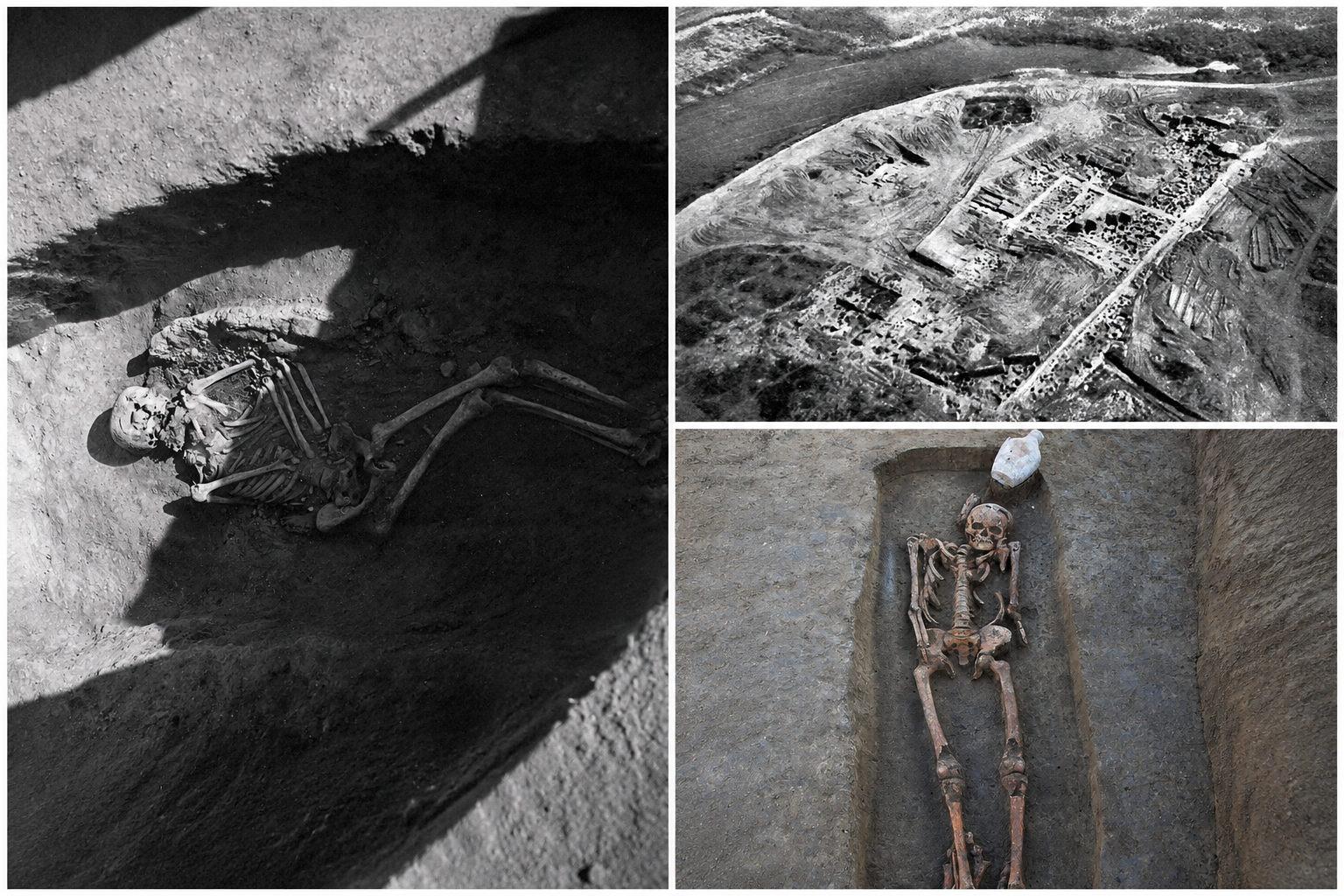
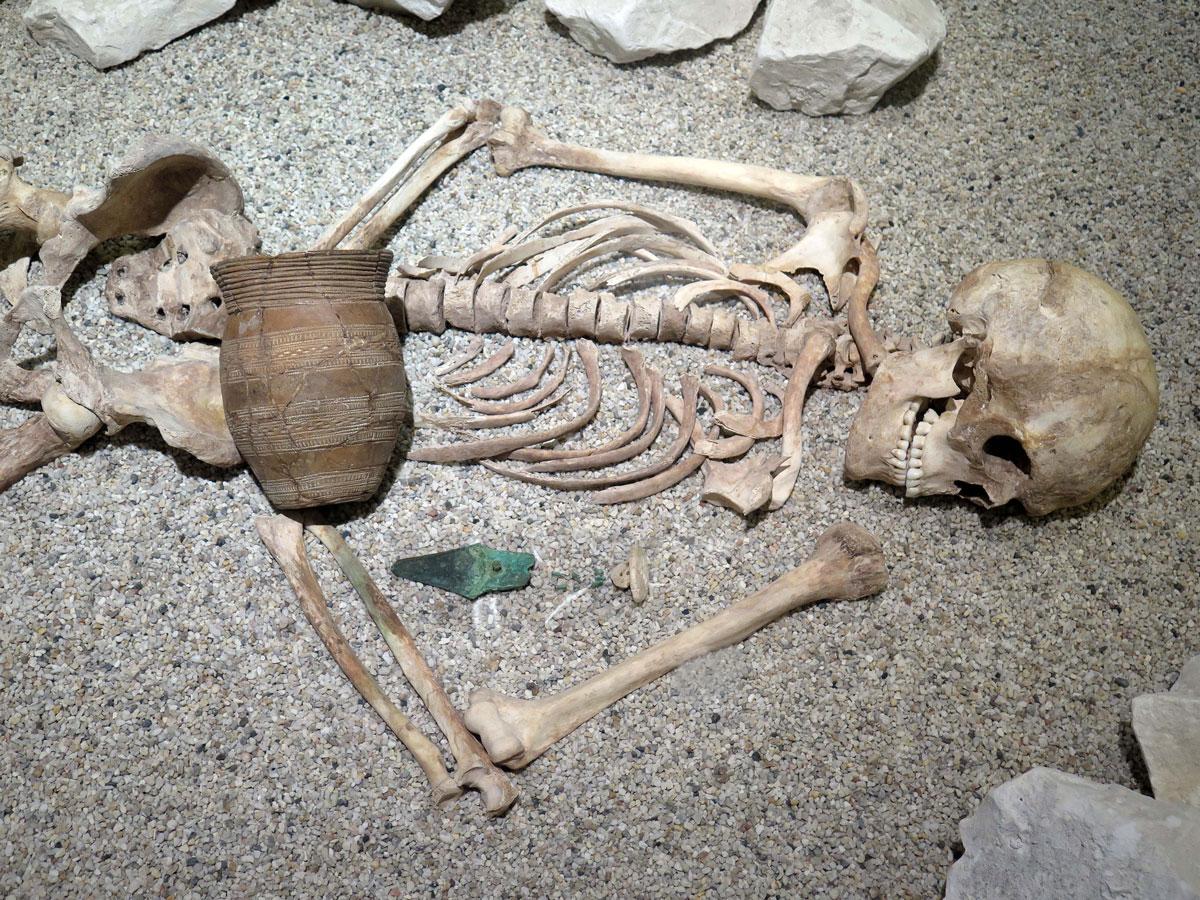
The Darbie haplogroup tag I1a2a1a1a1a2 also opens a wider archaeogenetic window onto the past. Related or linked ancient samples appear across a remarkably broad northern and central European story: Migration Period Hungary at Rakoczifalva (RKF280), Gothic contexts in Serbia at Timacum Kuline Ravna Village (I15549) and Timacum Slog Necropolis (I15545), Longobard-period Pannonia at Savaria Szeleste Barbaricum in Hungary (SZL028), Nordic Bronze Age Denmark at Strandlunden II Gerlev (CGG106515), Iron Age Denmark at Sjaelland Holbaek Fjord Trundholm Mose (CGG106734), Bornholm Island Slusegard (CGG106748), Viking Age Denmark at Bogovej (CGG106777), Early Anglo-Saxon Buckland Dover in England (BUK073), Anglo-Saxon Sedgeford in Norfolk (SED014), Gothic Kecskemet-Mindszenti Transtisza in Hungary (A181016), Medieval Tarquinia in Lazio (TAQ009), Viking Age Oland in Sweden (VK337 and VK357), and Viking Age Ribe in Jutland (VK327). None of this proves direct descent from any named ancient individual, and it should not be presented that way. What it does show is that the Darbie-linked paternal line belongs to a genetic branch found in populations moving through the worlds of Scandinavia, the North Sea, Migration Period Europe, Anglo-Saxon England, and later medieval networks. In other words, the haplogroup sits in a historical landscape that feels entirely at home with the making of English family identity.
Explore Anglo-Saxon DNA history
If you carry the Darbie name, have Darbie lines in your family tree, or are simply curious about how an English house fits into the bigger story of archaeology and genetics, this is exactly where family history becomes exciting. Upload your DNA to MyTrueAncestry and see whether you match the House of Darbie profile or related ancient DNA samples linked to haplogroup I1a2a1a1a1a2 across Anglo-Saxon, Viking, Gothic, and Migration Period Europe.

Comments