The House of Haynes
– 3 min read


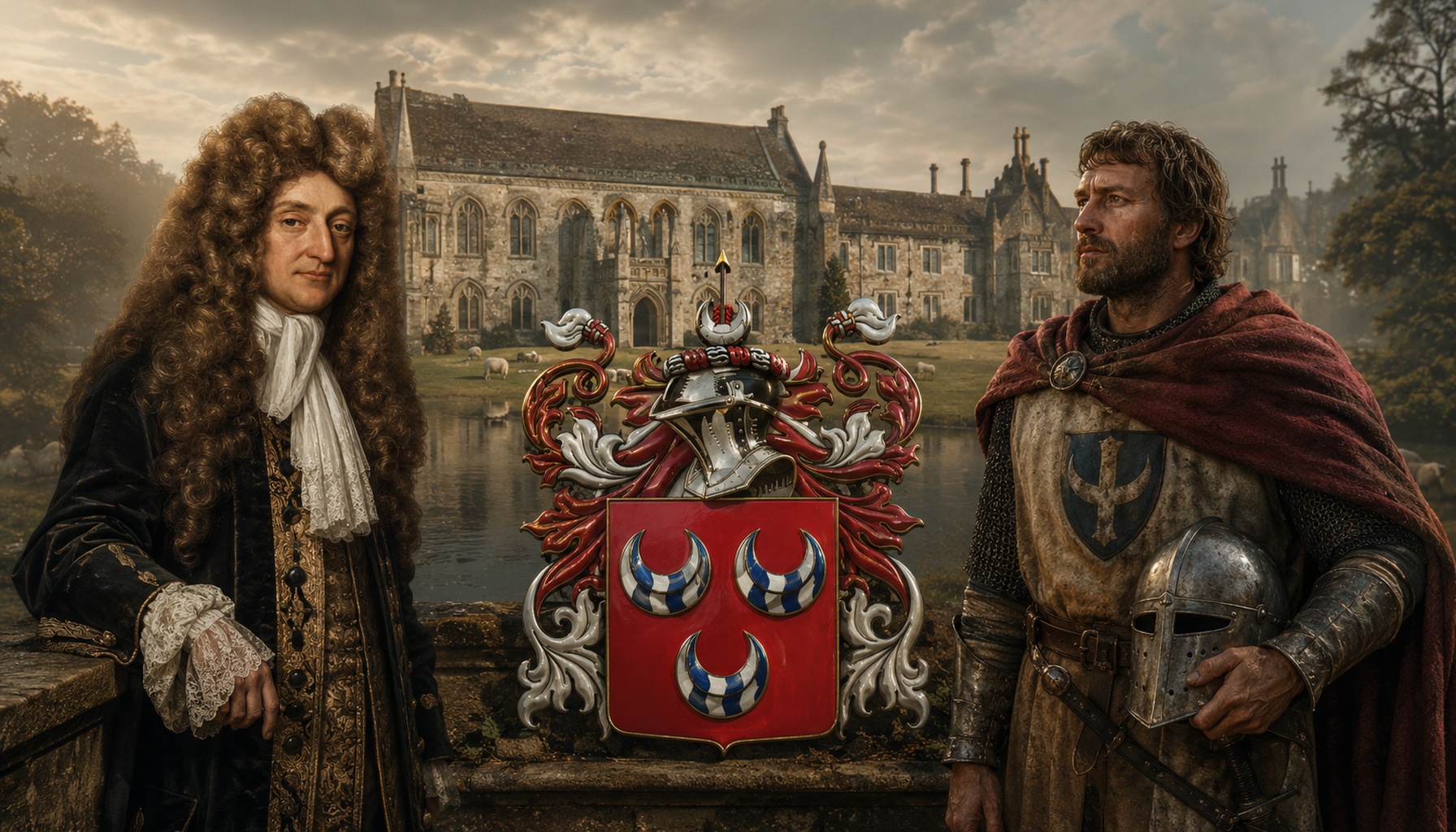
The House of Haynes is best understood not as a princely dynasty, but as an English family house in the older, sturdier sense: a surname rooted in place, remembered through parish records, local standing, service, tenancy, and family continuity over centuries. The name belongs to the long English tradition in which identity was shaped by where a family lived, what land it held or worked, the reputation it built in its district, and how that name endured as generations moved through medieval and early modern life. In that setting, Haynes heritage speaks of regional belonging and inherited memory, with the family here linked to the haplogroup I1a2a2a1.
The surname itself emerged within medieval England's developing world of fixed hereditary names, where older personal names and local designations slowly hardened into family identity. Early documentary traces help show that process in motion: Rogerus filius Hane appears in 1130, Hugh de Haynes in 1160, and Adam filius Hayne in 1332. Even those little changes in wording are revealing. One form means "son of Hane," another points to a place association, and another preserves the personal-name tradition again. That is exactly how many English surnames grew: not in one neat moment, but by gradual repetition in charters, tax rolls, legal records, and parish memory until the family name settled into continuity.
A particularly strong location anchor for the Haynes story is Chicksands Priory in Bedfordshire, historically tied to the village once written as Haynes or Hawnes. Chicksands Priory began as a house of the Gilbertine order, founded in the 12th century, a rare English religious order whose communities could include both men and women under a structured rule. After the Dissolution of the Monasteries in the 16th century, the priory passed into private hands and was transformed into a country house while retaining major elements of its medieval fabric. That mix of monastic origin and later gentry occupation is very English indeed: layer upon layer rather than a clean break. The site is especially notable for its surviving cloister and chapter house, making it one of those places where the medieval world still presses close to the modern visitor. Chicksands remains extant, and the historic priory complex can still be visited on selected heritage open days and special access occasions when available, so it is not merely a name in a record but a real landscape anchor for Haynes regional memory.
Read more about the Hough Family
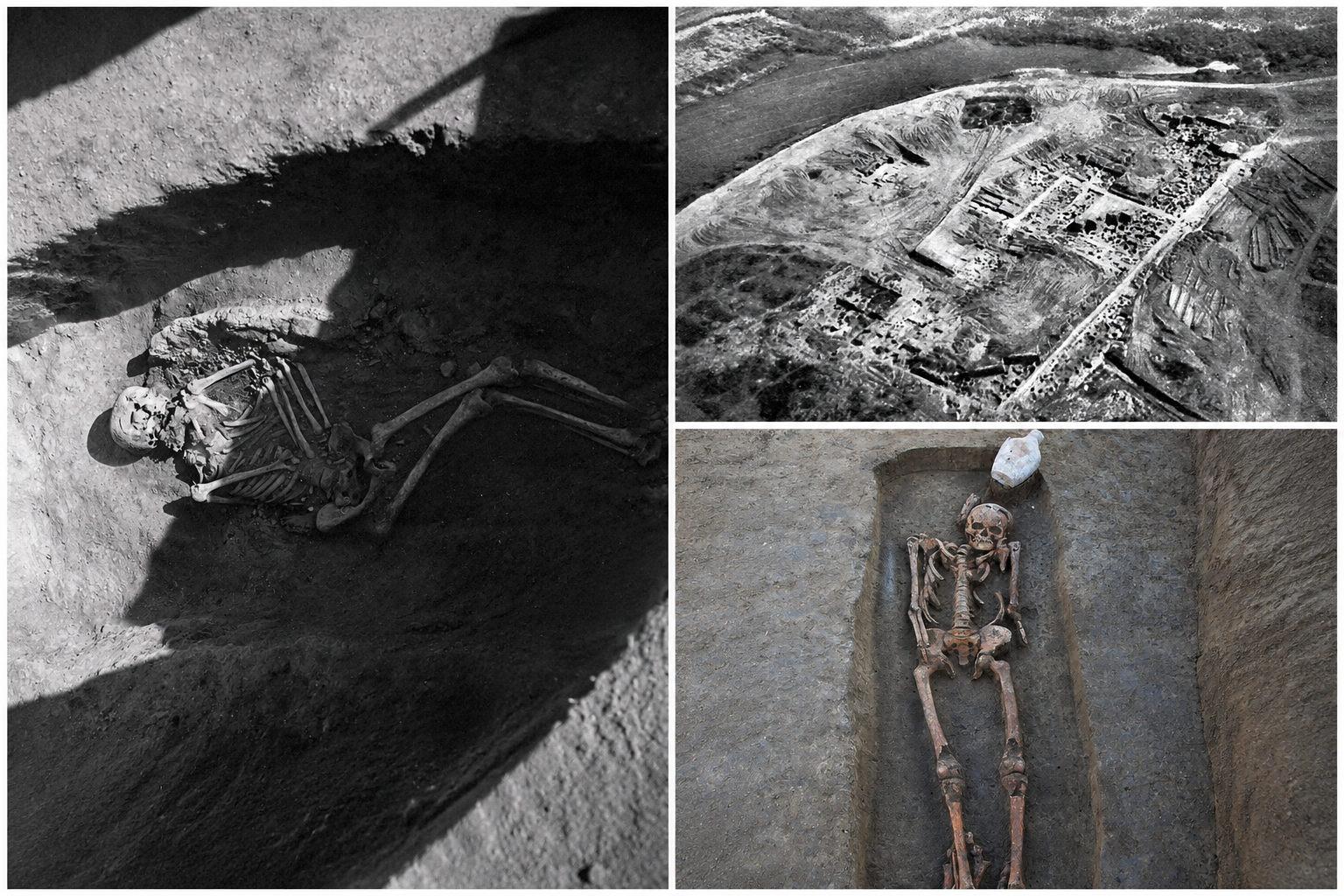
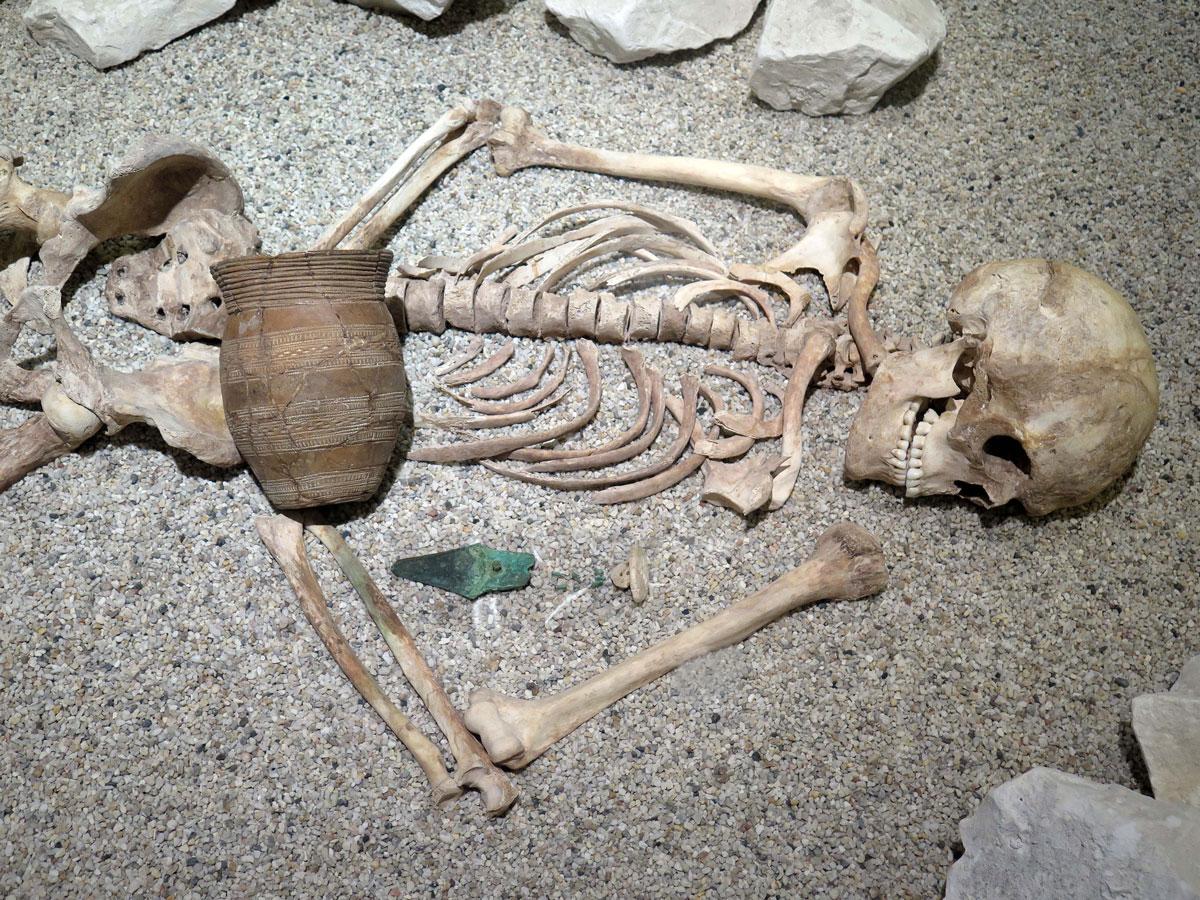
From the ancient DNA side, the Haynes-linked haplogroup I1a2a2a1 belongs to a wider northern European paternal story rather than a single provable family line. Related or linked ancient samples carrying this branch or close associations appear across a striking historical range: Iron Age Denmark at Eastern Sjaelland Varpelev Vest (CGG107413) and Gevninge Overdrev (CGG107535), Norway Early Bronze Age Verket Oslo (CGG105650), Migration Era and post-Roman contexts such as Rakoczifalva in Hungary (RKO007), Hassleben in Thuringia (R11875), Maslomecz Goth-associated burials (PCA0100), Bavarian elite Ergoldsbach Doernbacher Feld (ErgDF2), and later Viking Age settings including Trelleborg (CGG106824), Gammel Lejre (VK445), and Ladby on Funen (VK301). In England, linked examples from the Anglo-Saxon world include West Heslerton in Yorkshire (I20640, I20649), Oakington (I0772, OAI008), and Sedgeford in Norfolk (SED007). None of this proves direct descent for the Haynes family from any named ancient individual, but it does place the family's primary haplogroup within a deep archaeological network stretching from Bronze Age Scandinavia through the Germanic and Anglo-Saxon worlds into medieval England.
Explore Anglo-Saxon migration DNA
The House of Haynes is, in the end, a fine example of the English family-house pattern: local origin, surname endurance, parish continuity, migration when needed, public duty when called upon, and a lasting sense that a family belongs somewhere in the historical landscape. If you want to go further, upload your DNA to MyTrueAncestry and see whether you match the Haynes family story or any of the related ancient DNA samples connected with haplogroup I1a2a2a1.
Comments