The Stanley Family
– 3 min read


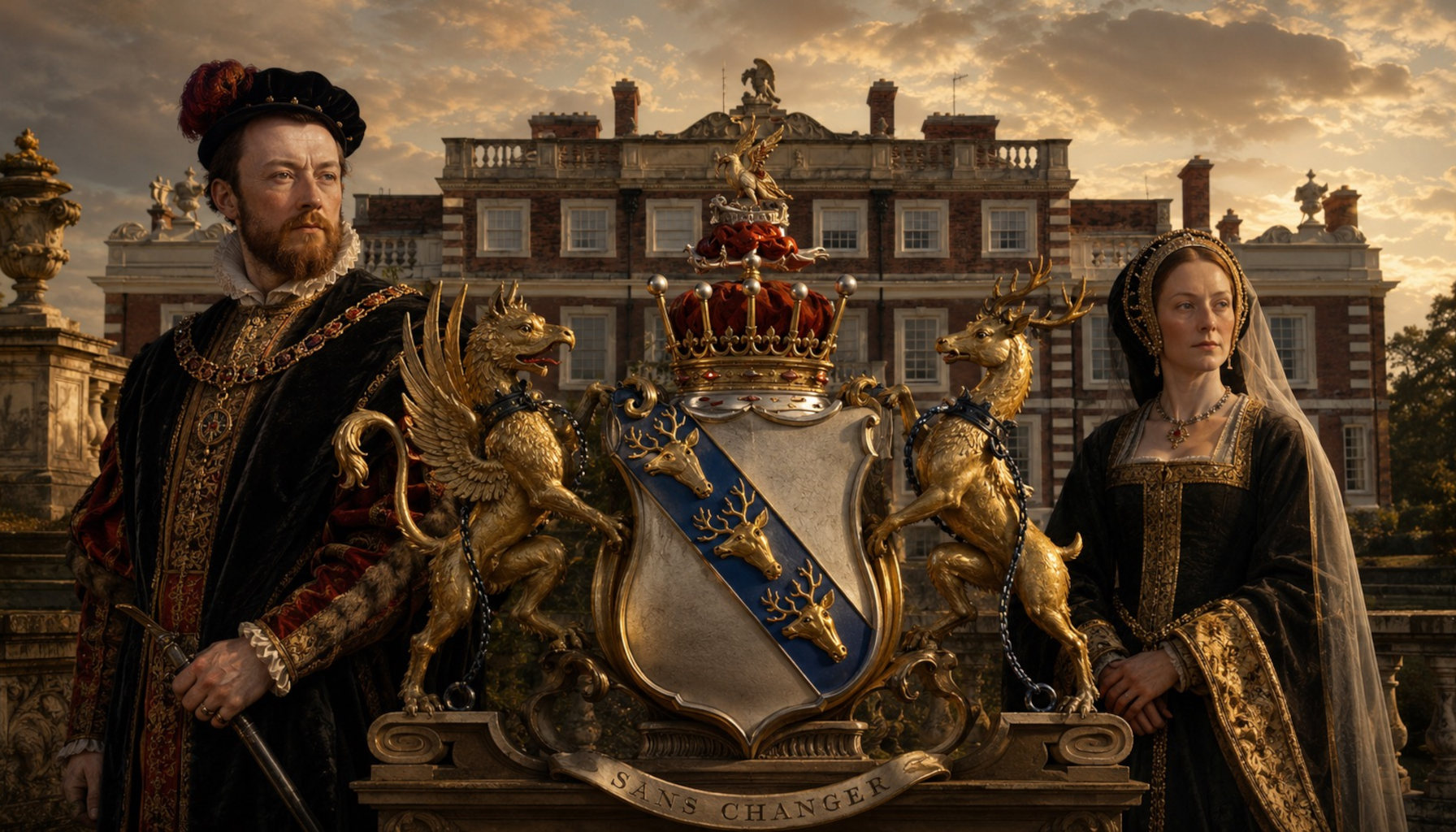
The Stanley family was one of the great noble houses of England, rooted above all in Lancashire and Cheshire, but with power that stretched into the Isle of Man and across the politics of the English crown. Their story is a very English one in some ways: a family rising from local lordship and service into the highest ranks of the peerage, yet it is also rather more unusual than that, because the Stanleys acquired a semi-regal standing through their lordship of Man and learned, with remarkable skill, how to survive when kingdoms changed hands and dangerous men lost their heads. Their primary family haplogroup is linked here with R1b1a1b1a1a1c2b2a1b1a4b1c1, a branch that sits within the broad western European R1b world often associated with later prehistoric and historic populations across Britain and the Continent.
The surname itself is locational, tied to places called Stanley or Standley, generally understood as meaning a stony clearing or pasture. In the Domesday age we catch early figures connected with this world, including Ligulf de Aldelegha in 1086 and Adam de Standlega in 1086, names that place the family in the landscape of the Norman-Conquest north where land, loyalty, and military usefulness mattered more than polished genealogy. By the later Middle Ages the family had become formidable. Sir John Stanley, active by 1385, was one of the great architects of the house's rise, building influence through war, office, and royal favor. From there the Stanleys moved steadily upward, becoming earls of Derby and major regional power-brokers, their fortunes shaped by marriage alliances, estate management, and an instinct for backing the winning side at just the right moment. Haplogroup tag: R1b1a1b1a1a1c2b2a1b1a4b1c1.
Read more about House of Howard
If one place anchors the Stanley story, it is Knowsley Hall in Merseyside, near Liverpool, the long-standing seat of the Earls of Derby. The estate has been associated with the family since the late 14th century, when it came into Stanley hands, and over time it developed into one of the great aristocratic houses of the north-west. What stands today is largely the result of later rebuilding and enlargement, especially in the 18th and 19th centuries, creating the grand country house known now, with landscaped parkland that later became famous in its own right through Knowsley Safari Park. Knowsley Hall is not just a house but a statement of continuity: a place that shows how a medieval lordship evolved into a modern landed estate while still carrying the memory of baronial authority, political hospitality, and dynastic display. It is not a regular drop-in heritage property in the manner of a fully open national museum, but the hall does host events and can be visited on selected occasions, so for anyone interested in the Stanley legacy it remains a very real place, not merely a name in a pedigree.
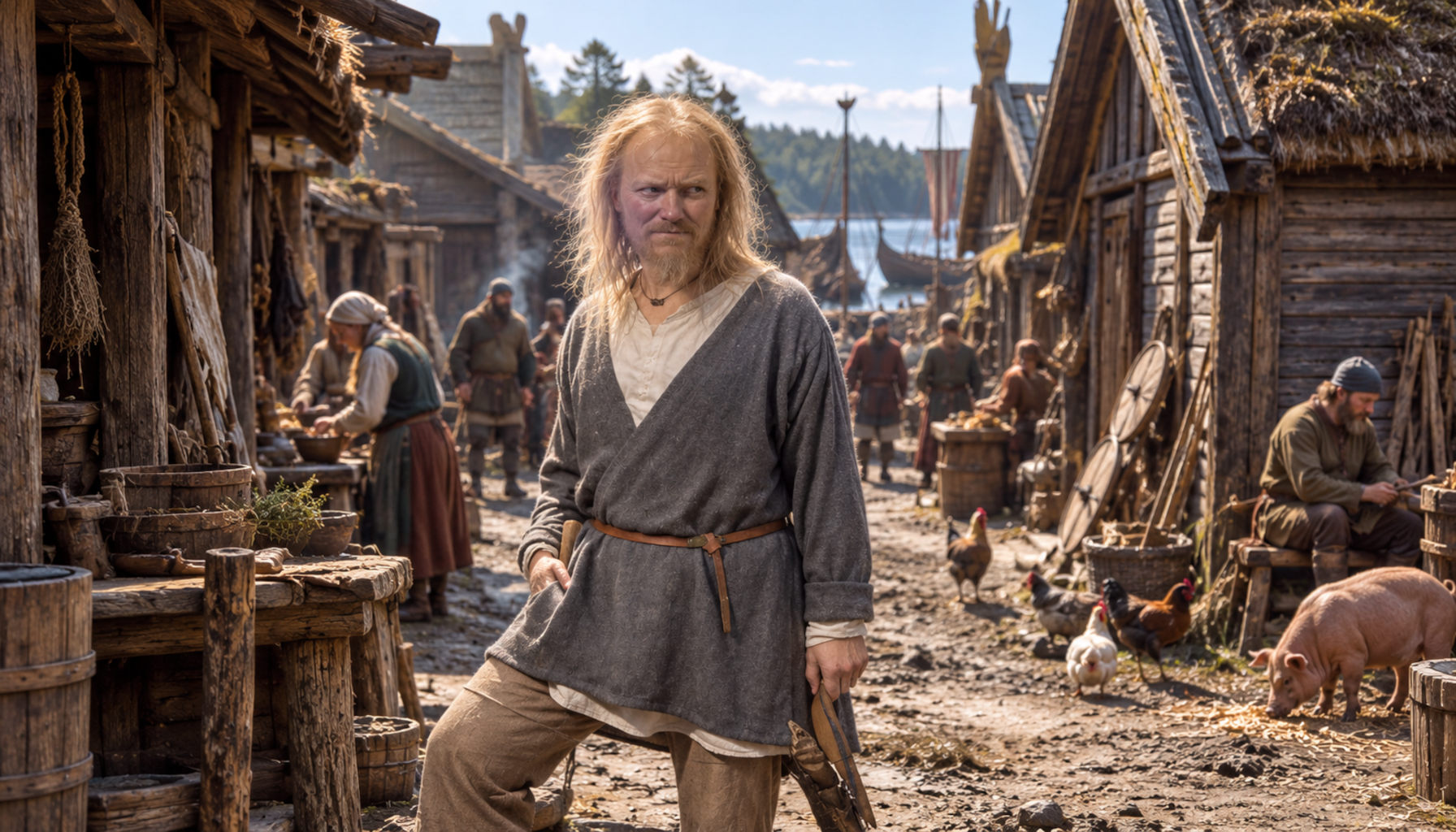
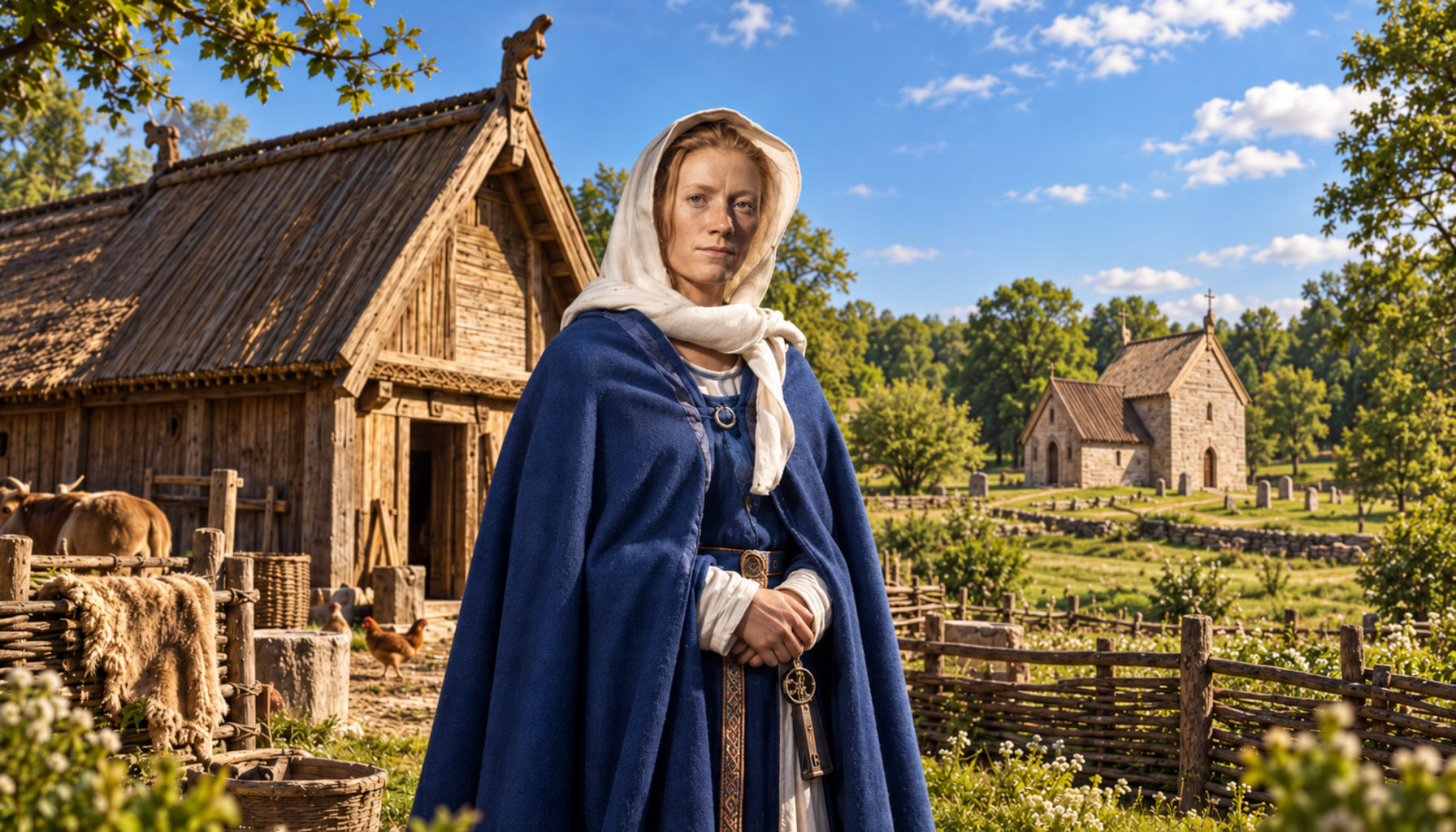
From an ancient-DNA perspective, the Stanley-linked haplogroup R1b1a1b1a1a1c2b2a1b1a4b1c1 connects the family to a wider web of related paternal lines seen in medieval and post-Roman Europe rather than to any single proven named ancestor. Useful linked examples include Post Roman Iron Age England East Yorkshire Wetwang Slack 224 (C10427), Piast Dynasty Lubusz-Greater Poland Border Santok Lad (PCA0422), Saxon Tribe Migration Period Saxony-Anhalt Bruecken (BRC022x), Thuringii Tribe Germany Deersheim Saxony-Anhalt (DRH021), Jute Early Medieval Polhill Kent England (POH009), and Viking Age Skara Varnhem Sweden (VK34). These are not claims of direct descent from the Stanleys, and should not be read that way. What they do offer is a glimpse of the broader paternal landscape from which later medieval noble families emerged: a world of post-Roman British communities, North Sea migrants, Germanic groups, Scandinavian movement, and the intertwined elite networks of medieval Europe.
Explore the Piast dynasty DNA story
If you carry Stanley ancestry, or simply suspect a connection to the north-western gentry and nobility of medieval England, uploading your DNA can help place your results into this deeper historical frame. You may find matches not only to the Stanley family story, but to related ancient DNA samples that illuminate the older population history behind it.
Comments