The House of Molyneux

– 3 min read


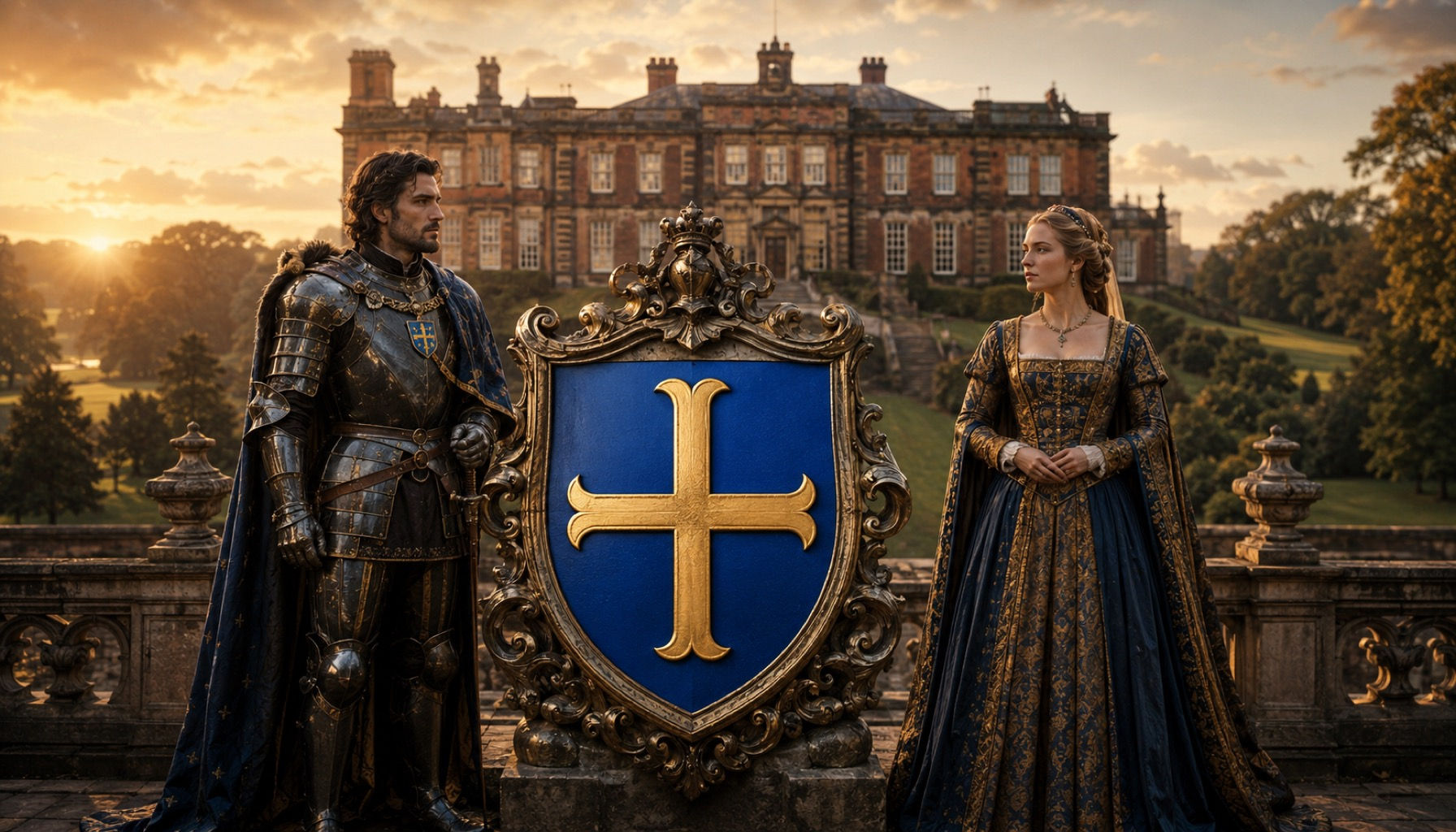
The House of Molyneux was one of those long-lived Norman and English noble families whose story helps explain how power really worked in medieval and early modern England. Their roots are usually traced to Norman stock, with the name itself linked to place identity in northern France before becoming firmly planted in Lancashire after the Norman Conquest. From there, the family grew not simply by waving swords about, though there was some of that, but by the steadier business of acquiring land, serving kings, marrying well, defending status, and embedding themselves in the local life of Sefton and the wider county. In haplogroup terms, the primary lineage associated here is I2a1b1a2a1a1, a paternal line with a deep and rather fascinating European time depth.
Like many noble houses of Norman origin, the Molyneux family became English not by losing their past, but by turning conquest into continuity. Estates, heraldry, legal authority, church patronage, and county office all helped preserve their standing across centuries of change. The family is strongly associated with the lordship of Sefton, and figures such as Sir William de Molins, 1st Lord of Sefton (1030-1085), stand at the traditional beginning of that remembered line. Over time the Molyneux name became part of the fabric of Lancashire itself: a family whose history reflects the broader pattern of English landed nobility, where Norman beginnings evolved into regional authority, political influence, and remarkable dynastic endurance through medieval conflict, Reformation upheaval, and the changing world of crown and Parliament.
Read more about the House of Malet
If you want a place that captures the later grandeur and local rootedness of the Molyneux story, Croxteth Hall is the obvious anchor. Situated on the outskirts of Liverpool, it became the principal seat of the Earls of Sefton and developed over centuries into a substantial country house surrounded by historic parkland. The building seen today is largely the result of Tudor, Georgian, and later alterations, which is exactly what one would expect from a family seat that had to keep pace with changing tastes while advertising old authority. Croxteth was not just a house but a statement: this was a family that had moved from medieval lordship into the full theatre of aristocratic display, with landscaped grounds, estate management, and the social visibility expected of one of Lancashire's great houses. Better still, Croxteth Hall and Country Park can still be visited today, making it one of those rare places where the long afterlife of noble family history remains physically accessible.
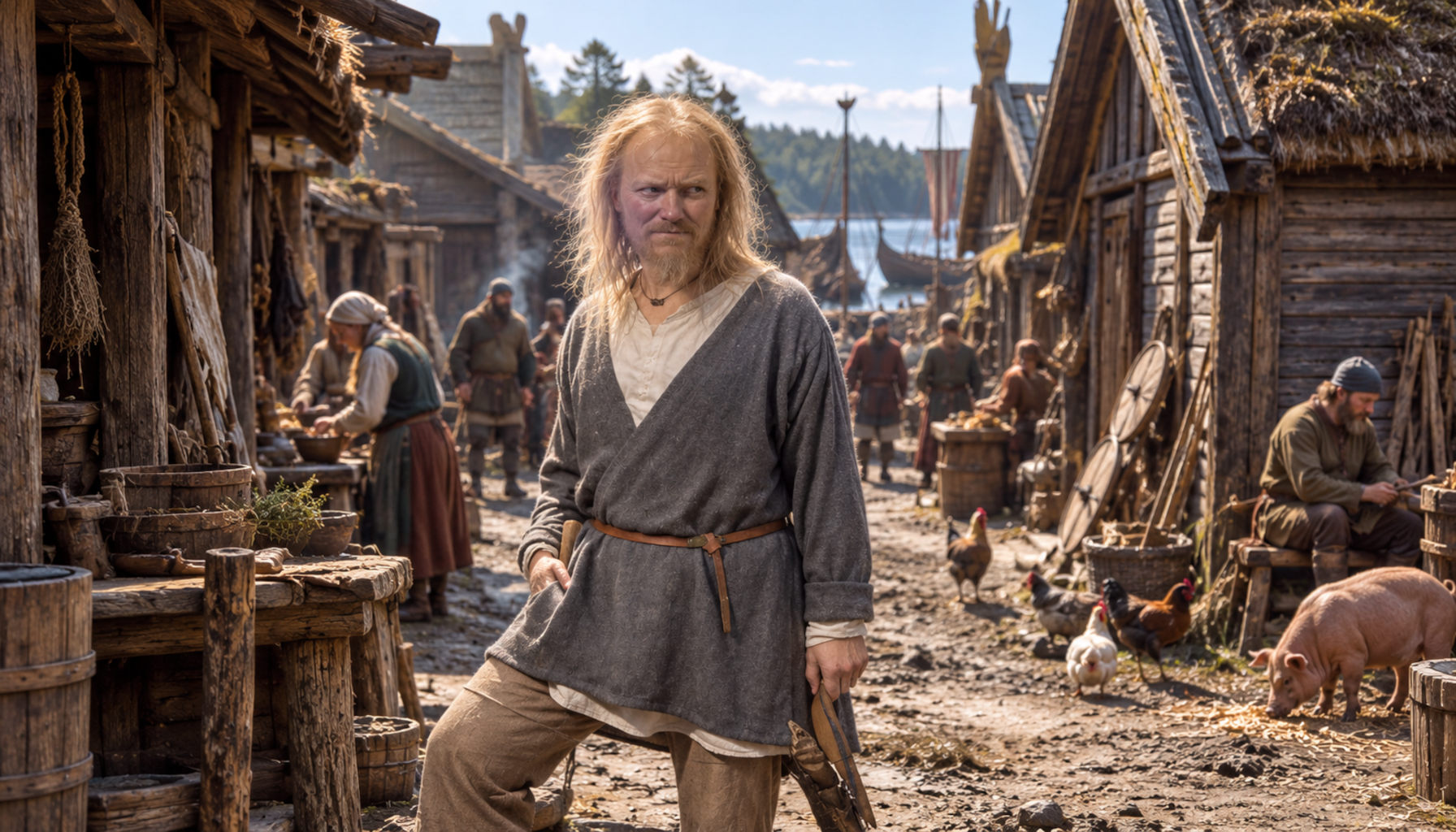
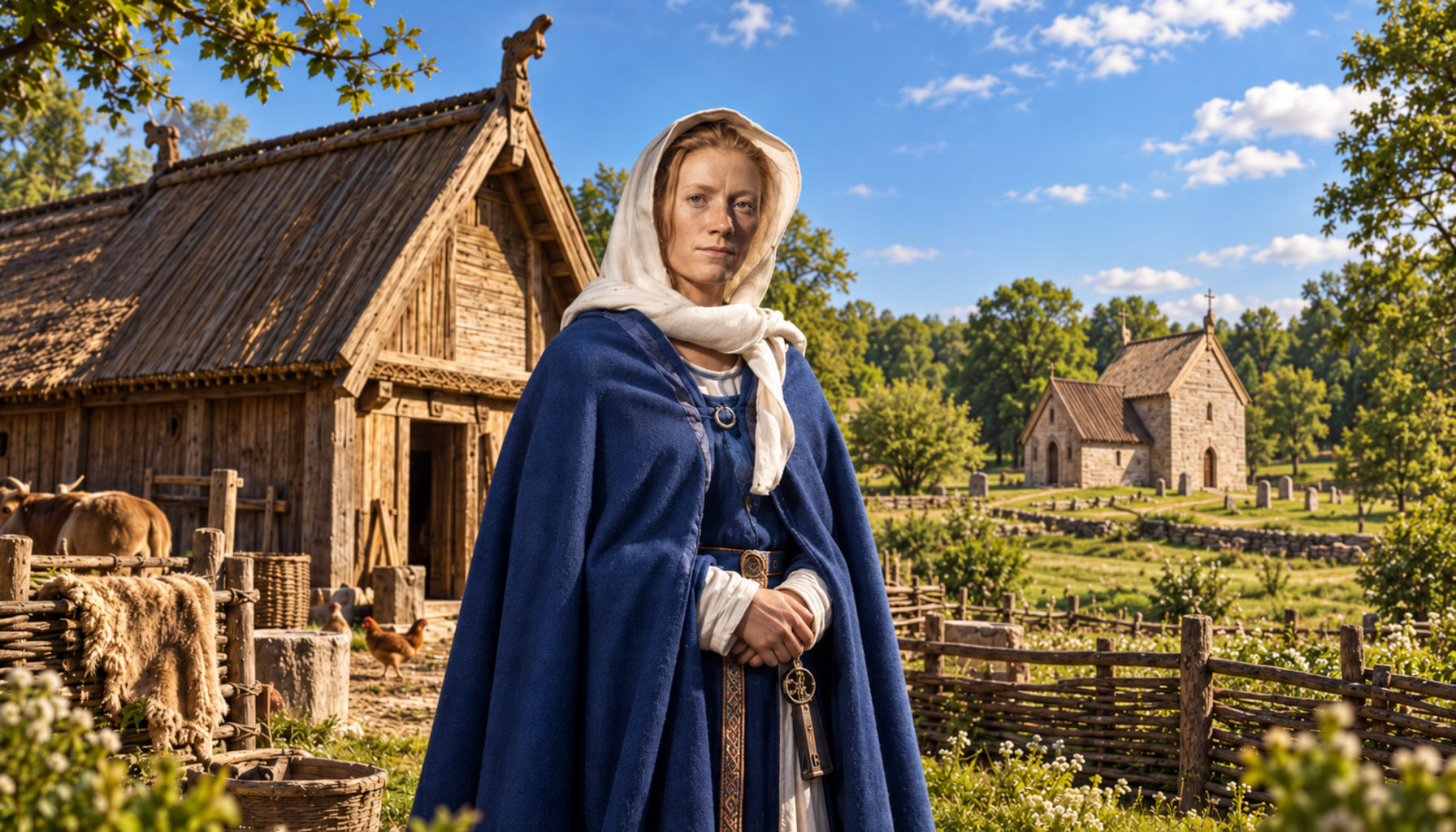
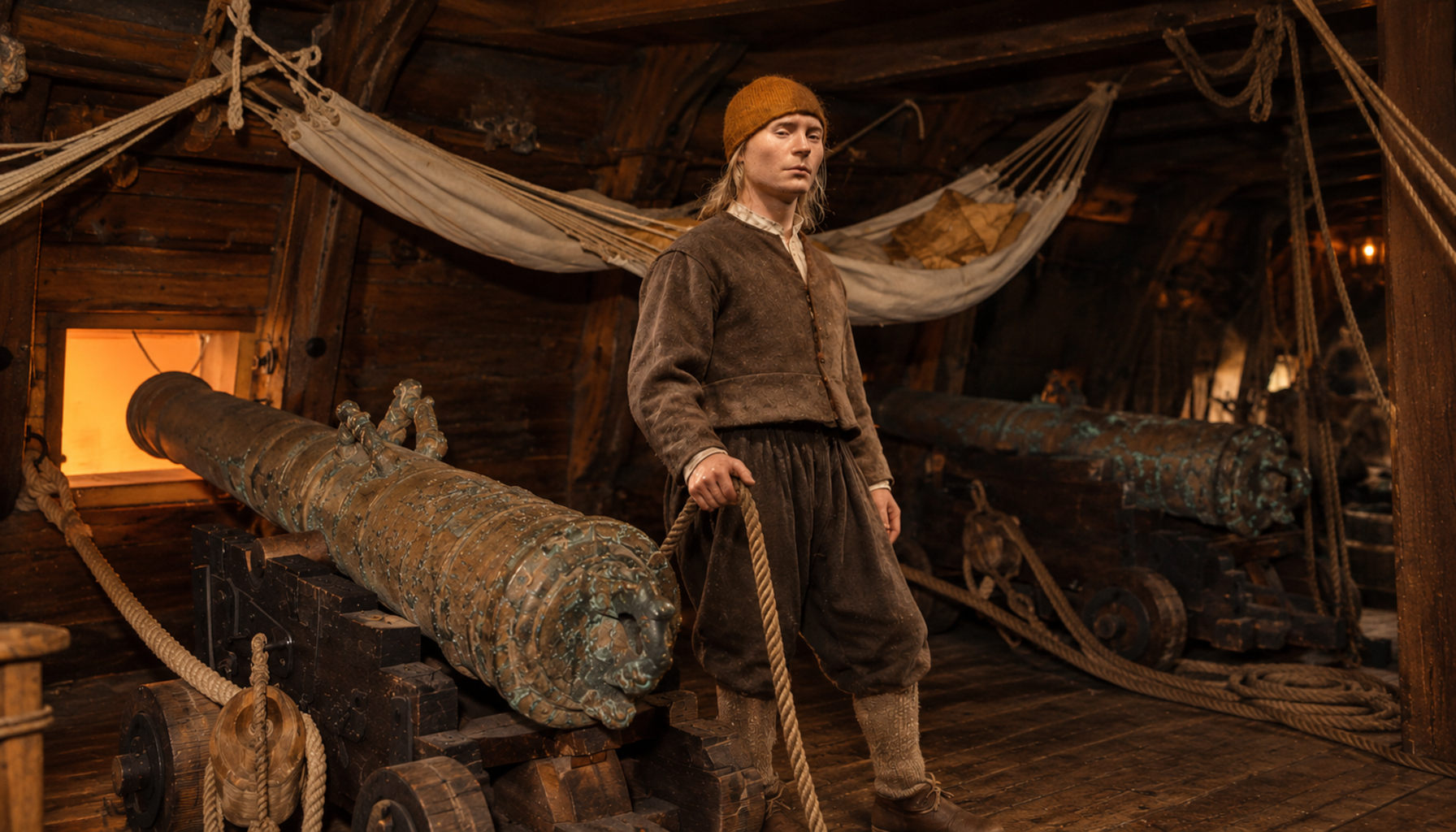
The haplogroup tag connected here, I2a1b1a2a1a1, opens a window onto a much older and wider human story than any one noble pedigree. It appears in ancient DNA samples from a striking range of times and places, including Neolithic Romania at Giurgiu Pietrele Magura Gorgana PIE060 and PIE061, Late Roman Aquae Calidae in Bulgaria I40571, Late Roman and Migration Period Rakoczifalva Szolnok in Hungary RKF242 and RKF261, the Roman-period warrior from Mursa in Croatia during the Third Century Crisis OSIJ004, Carthaginian-era Mozia in western Sicily I7648, Bronze Age Klakar in Bosnia-Herzegovina I19561, late medieval Bardhoc in Albania I14686, Early Bronze Age Izmir in Aegean Anatolia I5737, ancient Dorian Halikarnassos I3311, and Viking Age Skara Varnhem in Sweden VK427. These are not evidence of direct descent from the Molyneux family, and it would be quite wrong to claim that. What they do show is that this paternal branch, or closely related lines within it, has deep archaeological roots across southeastern Europe, the Balkans, the Aegean, the Roman world, and into medieval northern Europe.
The Molyneux story is a fine reminder that family history is never just about one surname on one tree. It is about conquest, settlement, land, memory, and the curious survival of lineages across nearly a thousand years. If you have Molyneux ancestry, Lancashire roots, or simply an interest in how noble houses fit into the bigger archaeological picture, you can upload your DNA to MyTrueAncestry and see whether you match the House of Molyneux or any of the related ancient DNA samples linked with haplogroup I2a1b1a2a1a1.

Comments