The House of Bruggeman
– 3 min read


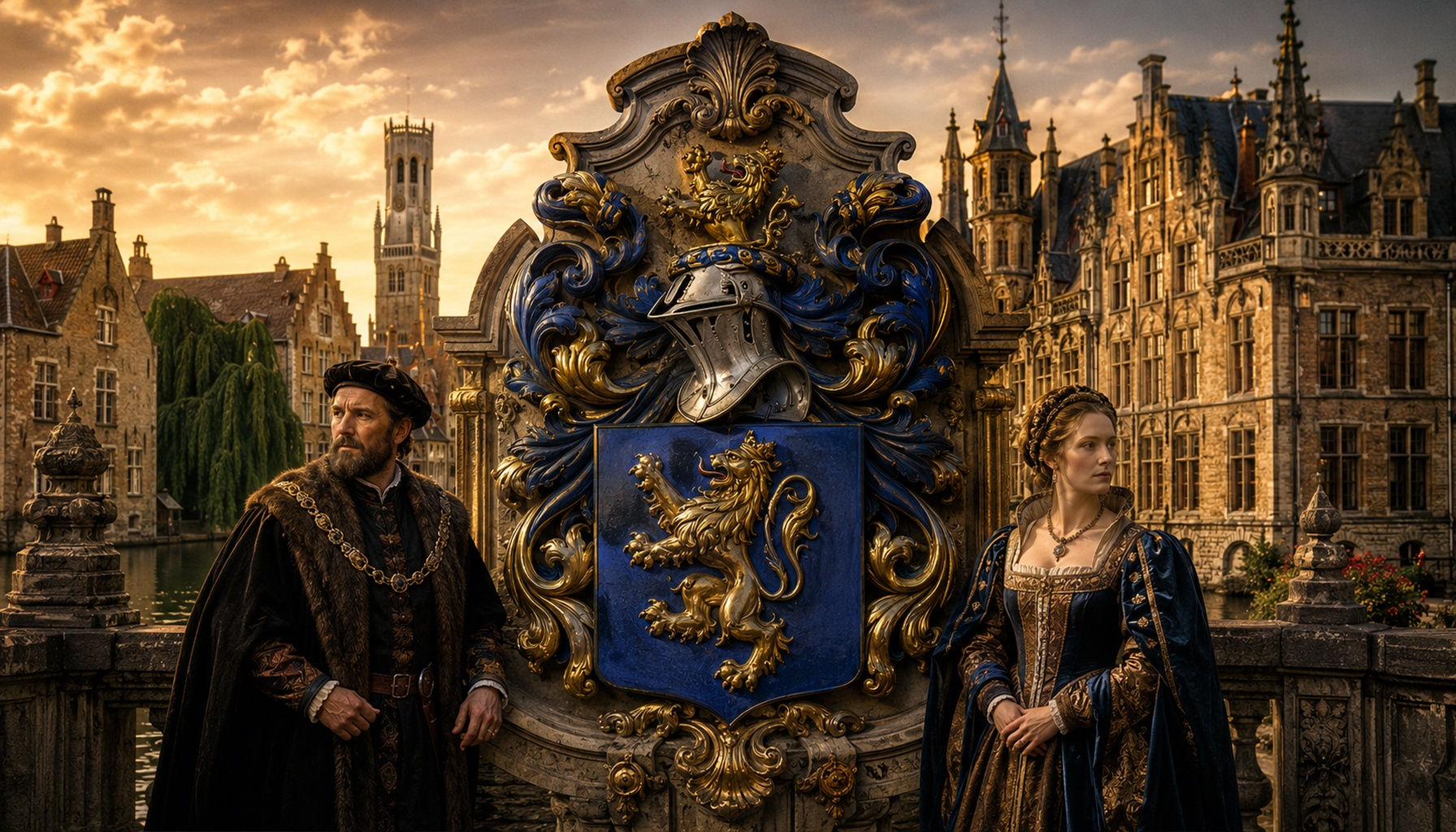
The House of Bruggeman was not a royal dynasty in the grand, trumpet-blowing sense, but a northern European family house of the sort that actually held towns and regions together. The name Bruggeman strongly suggests roots in the Low Countries and the Germanic world, probably tied to a bridge, a town approach, or the civic landscapes where roads, markets, tolls, water, and trade met. That matters, because in medieval and early modern northern Europe, families often rose not through crowns and conquest but through useful work: trade, administration, craft, landholding, militia duty, and public service. In that setting, House Bruggeman represents something very typical and very important - local standing, surname continuity, and a memory carried forward by communities rather than courts. Its linked primary haplogroup here is I1a2b4, a branch associated with long northern European paternal continuity.
What makes the Bruggeman story interesting is precisely that it fits the texture of real regional history. In the Low Countries and adjacent German lands, surnames hardened across the late medieval period as urban life expanded, records improved, and families became tied to guilds, parishes, municipal offices, and property. A name like Bruggeman could easily have marked someone associated with a bridge, a crossing, or a town quarter built around movement and exchange. These were the landscapes of merchants, clerks, craftsmen, reeves, ferrymen, and burghers - the sort of people who kept charters copied, accounts balanced, roads maintained, and local order functioning. Among the named figures linked to the family is Hans Bruggeman (1480-1521), a reminder that the house belongs to the documentary age of northern Europe, when individuals begin to step into the historical light by name rather than simply by village memory.
Explore the House of de Crombrugghe
Craigie Castle provides a useful location anchor for thinking about how family memory attaches itself to place. The castle stands in South Ayrshire, Scotland, and its story stretches back to the 12th century, with later building phases reflecting the long afterlife so common in medieval sites. Historically associated with the Baillie of Lamington family and earlier lordship networks in the region, Craigie Castle began as a defensive and seigneurial site in a landscape shaped by feudal authority, local allegiance, and road connections between communities. Like many Scottish castles, it is not just one building from one date, but a layered monument: medieval core, later modifications, changing ownership, and a gradual shift from fortress to historic ruin. That makes it a good symbolic anchor for a family-house narrative, because it shows how status in northern Europe was often rooted in locality, tenure, service, and continuity rather than glittering kingship. Craigie Castle is still standing as a ruin and is known as a heritage site, so it can still be visited, reasonably speaking, by those interested in tracing the historical landscape around such family traditions.
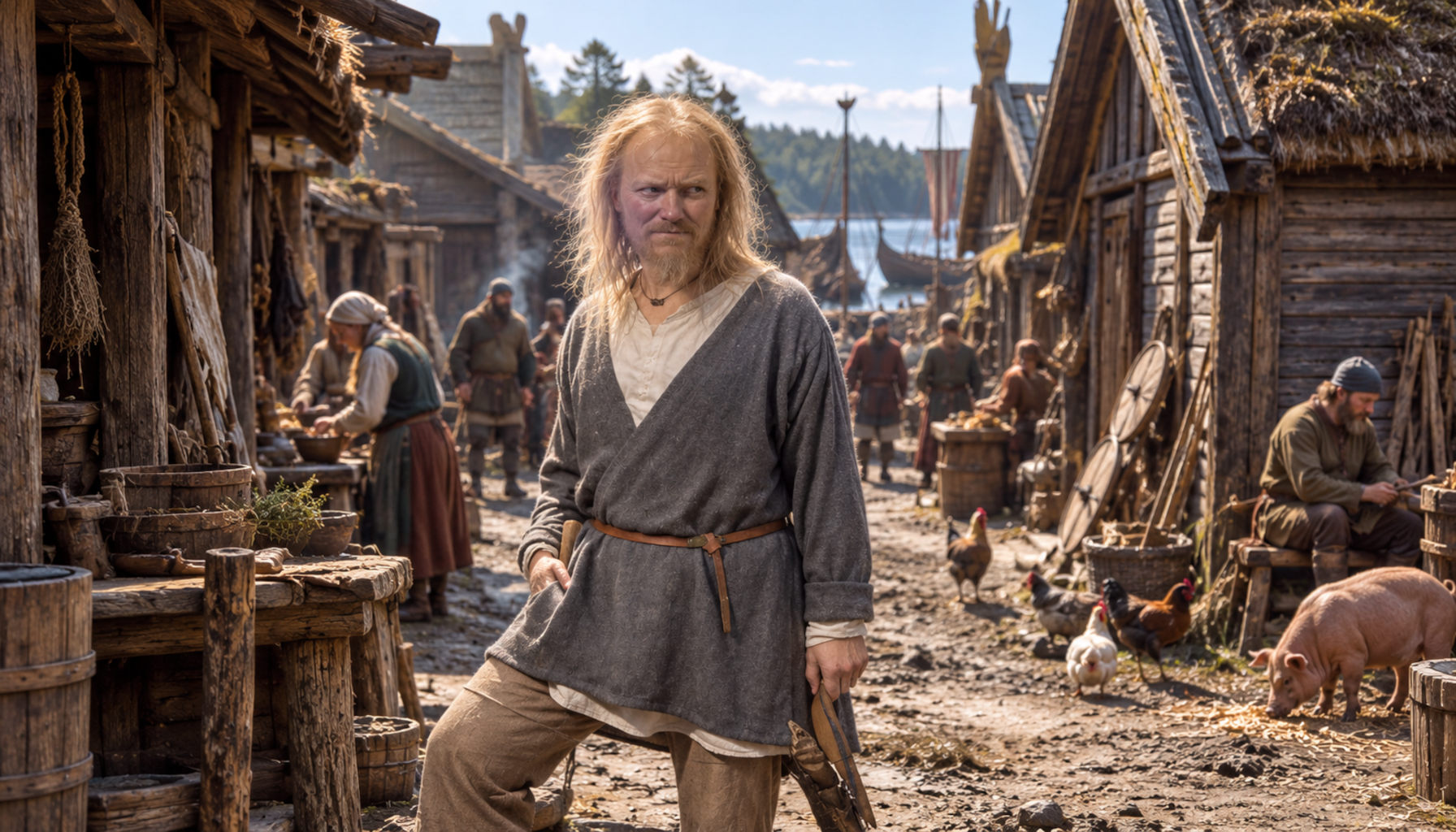
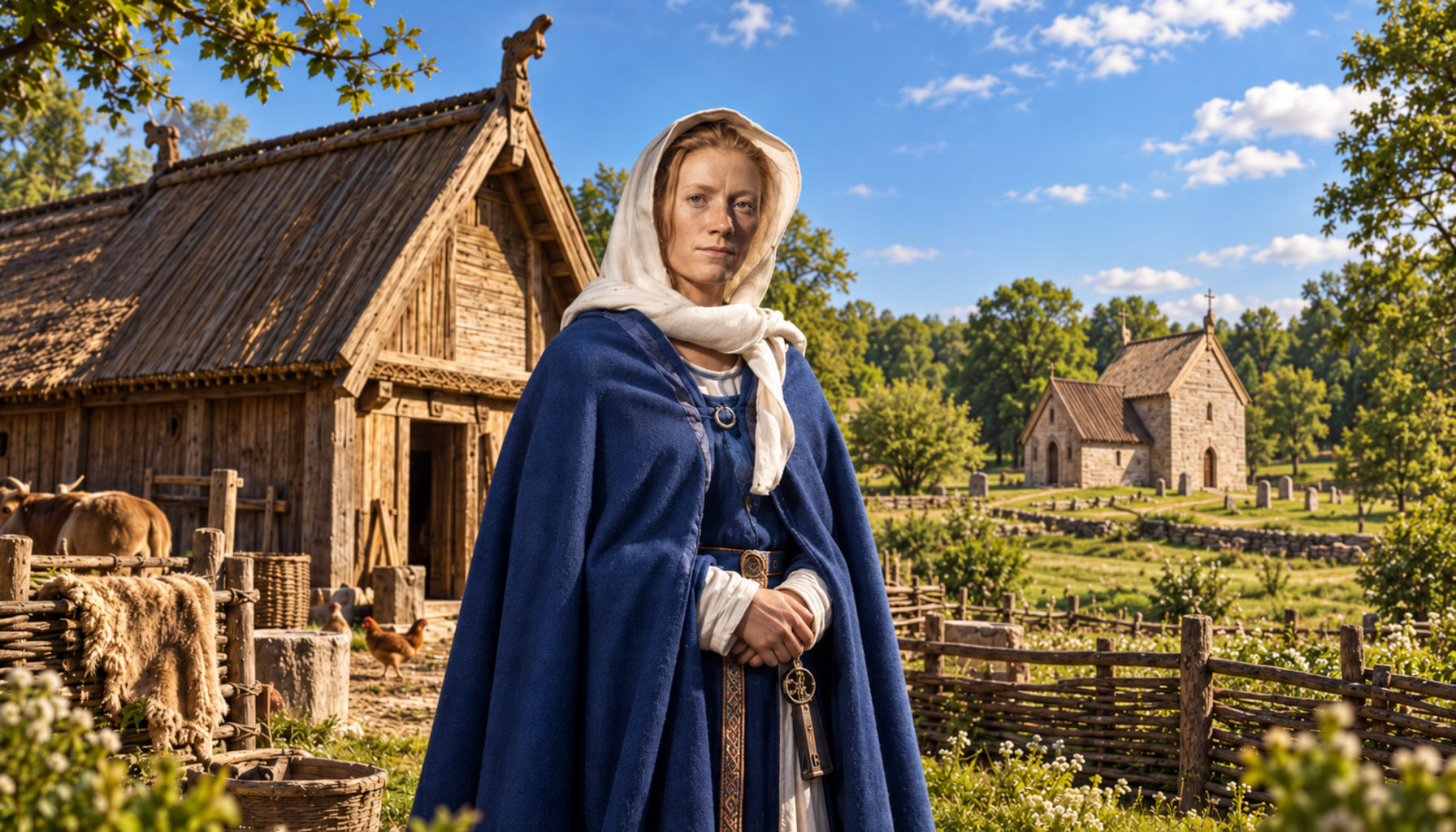
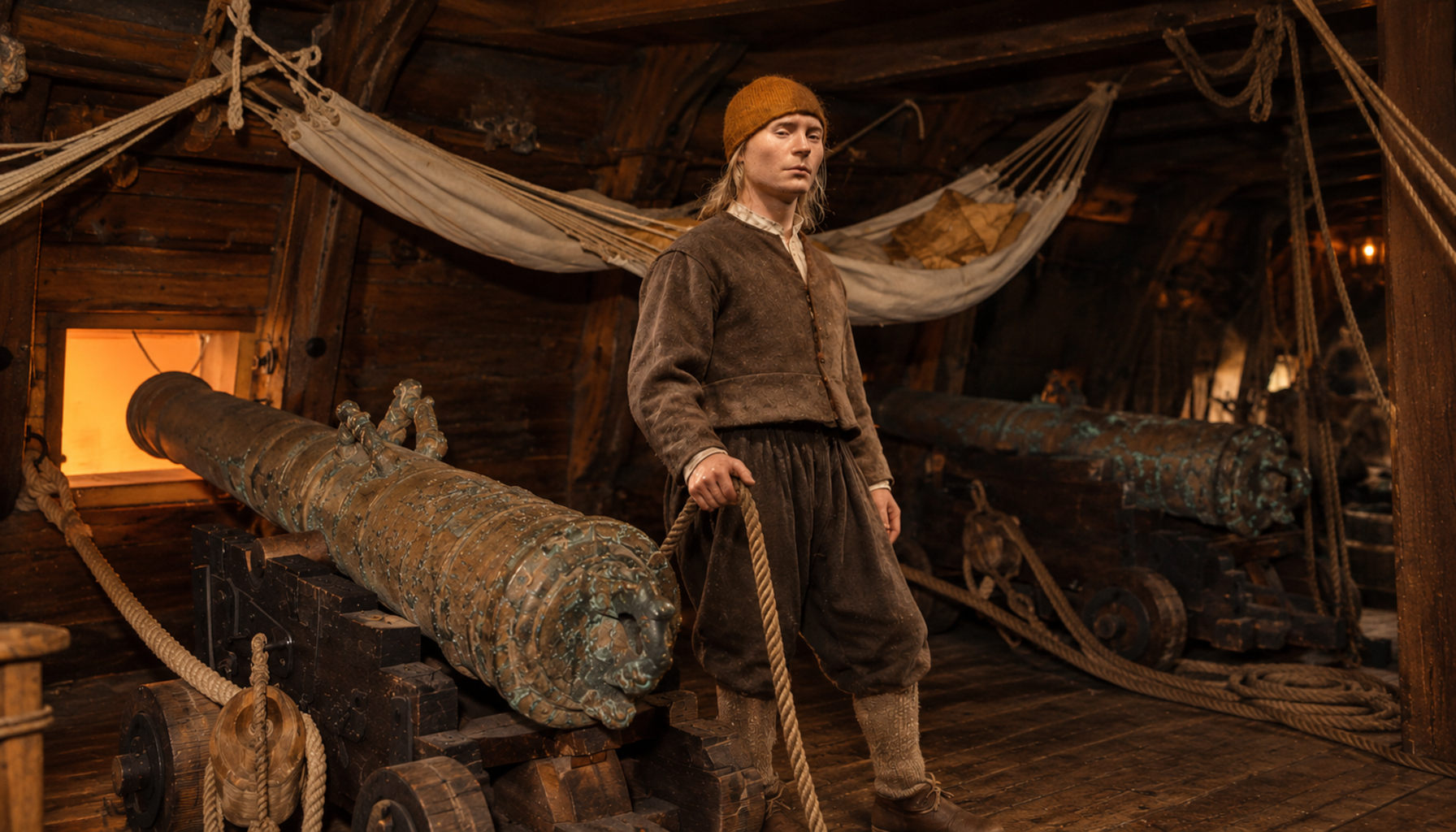
From an ancient-DNA point of view, the Bruggeman haplogroup tag of I1a2b4 sits within a strikingly northern European pattern. Related or linked samples appear across a broad arc of time and place: Nordic Bronze Age Denmark at Sjaelland Magleojle (NEO590), Lolland Uglemose (CGG106712), and Vordingborg (CGG105333); Iron Age and later Denmark at Hestehavens Mose (CGG106524), Asnos (CGG107392), Bogovej (CGG106776), Hessum Funen (VK316), and Kalundborg Simonsborg (CGG106718); Sweden at Oland Stoerlinge (CGG024145), Viking Age Sigtuna (urm035), and the Stora Kronan shipwreck victim kro008; and Germanic contexts in Thuringii-associated burials such as Obermoellern (OBM052, OBM012) and Deersheim in Saxony-Anhalt (DRH024, DRH013). The same wider signal also appears in early medieval England, including West Heslerton in North Yorkshire (I11588, I20679, I20639, I20646, I20661, I20645, I20650, I20656), post-Roman Vale of Pickering (I20638), Cambridge St Johns Hospital (ATP_PSN_351), Lakenheath in Suffolk (LAK009, LAK002), Buckland Dover (BUK038), Oakington (OAI009), Hatherdene Close in Cambridgeshire (HAD003, HAD015, HAD016), and Worth Matravers in Dorset (I20637). There are further linked appearances in Mecklenburg-Vorpommern, Bavaria, Hungary, Croatia, Hedeby, and even Staraya Ladoga. None of this proves direct descent from any one ancient individual, and it should not be used that way. But it does place the Bruggeman paternal signature in a very recognisable historical world: one shaped by Scandinavian, North Sea, Saxon, and continental Germanic movements over many centuries.
Explore North Sea migrations to Britain
If you carry the Bruggeman name, or suspect your roots lie in the Low Countries, northern Germany, or the wider North Sea world, this is exactly the sort of family story worth testing against both genealogy and ancient DNA. Upload your DNA to MyTrueAncestry and see whether you match the House of Bruggeman story or related I1a2b4-linked ancient samples from Denmark, Germany, England, and beyond.
Comments