The Czartoryski Family

– 3 min read


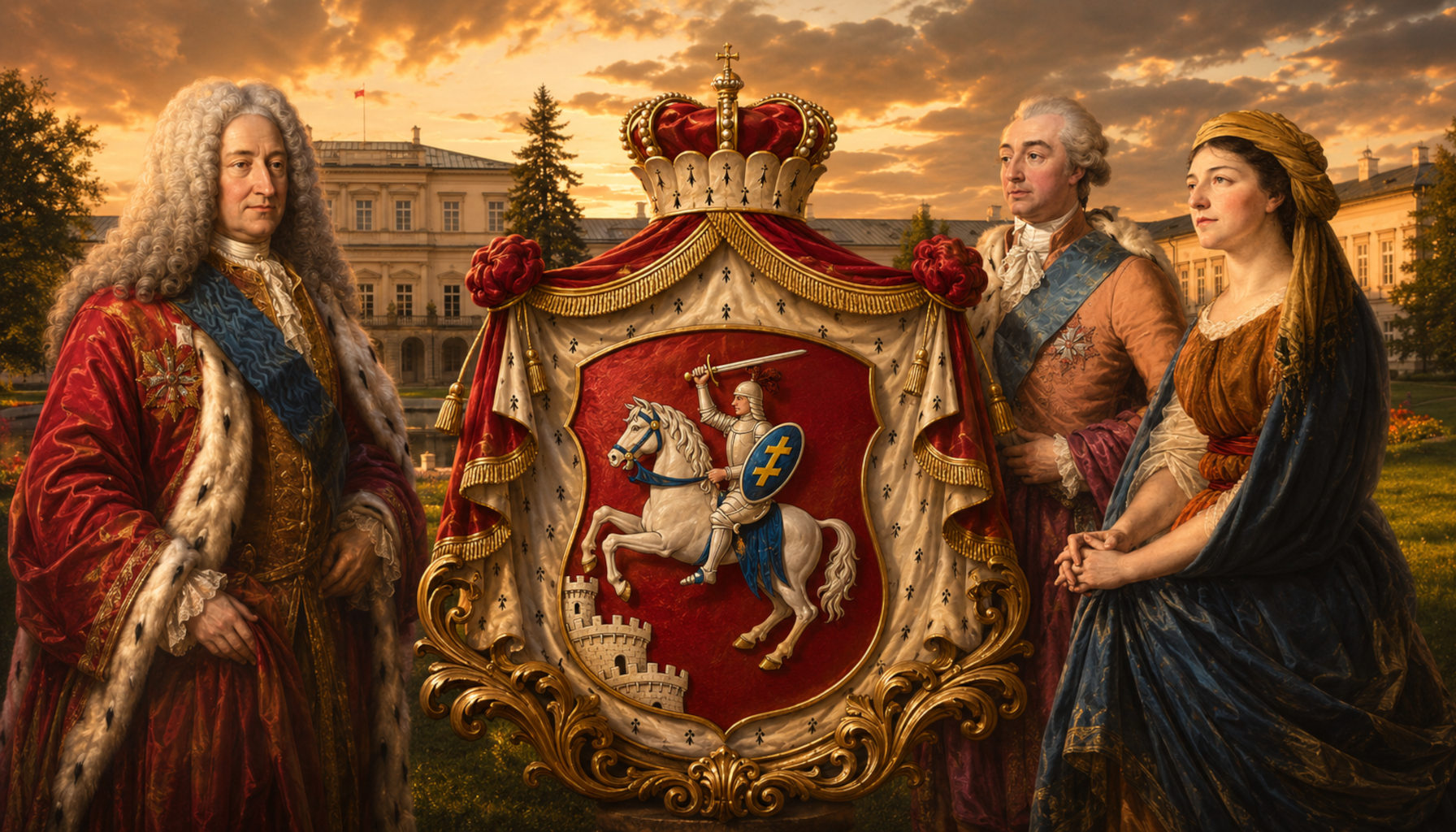
The Czartoryski family was one of the great princely houses of Poland and the Polish-Lithuanian Commonwealth, a dynasty whose prestige rested on land, office, military service, and a very carefully preserved sense of ancient origin. Traditionally linked to Gediminid and Ruthenian princely roots, they took their name from Czartorysk in Volhynia, a historic borderland region where Polish, Lithuanian, and Ruthenian worlds met and overlapped. Their heraldic use of the Pahonia, the mounted knight emblem of the Grand Duchy of Lithuania, proclaimed that connection visually and powerfully. Haplogroup tag: R1a1a1b1a2c, the primary family haplogroup linked here to the Czartoryski line.
What makes the Czartoryskis so fascinating is that they were not merely rich nobles in a crowded field of rich nobles. They were among the families who helped shape the political language of the Commonwealth itself. From the medieval figure of Constantine Prince of Chortoryisk (1330-1390) to the reform-minded magnates of the eighteenth century, the family stood at the intersection of lineage and statecraft. In that later period, through the political circle known as the Familia, they pushed for reform and modernization in a Commonwealth struggling with internal weakness and external pressure. Their world was one of palace libraries, military commands, marriages of strategy, and patriotic memory, and figures such as Elzbieta Izabela Dorota Czartoryska (1746-1835) helped turn that aristocratic world into a cultural one as well, preserving art, ideas, and national identity in an age of upheaval.
Explore the House of Gediminid
The great location anchor for the family is Czartoryski Palace at Pulawy, one of the most important aristocratic residences in Poland and one of those places where politics, taste, and memory all seem to gather in the walls. In the eighteenth century Pulawy became a major cultural center under the Czartoryskis, especially associated with Princess Izabela Czartoryska and her circle. The palace and its grounds were developed in a grand classical style, with landscaped gardens, pavilions, and commemorative buildings that turned the estate into something more than a residence: it became a patriotic and intellectual landscape. After the partitions of Poland, Pulawy took on added meaning as a place of preservation, where Polish art, relics, and historical consciousness were curated almost as an act of resistance. The palace suffered damage and transformation over time, as so many East European magnate residences did, but the site in Pulawy remains historically important and can still be visited today as part of the town's heritage landscape.
Read more about House Radziwill
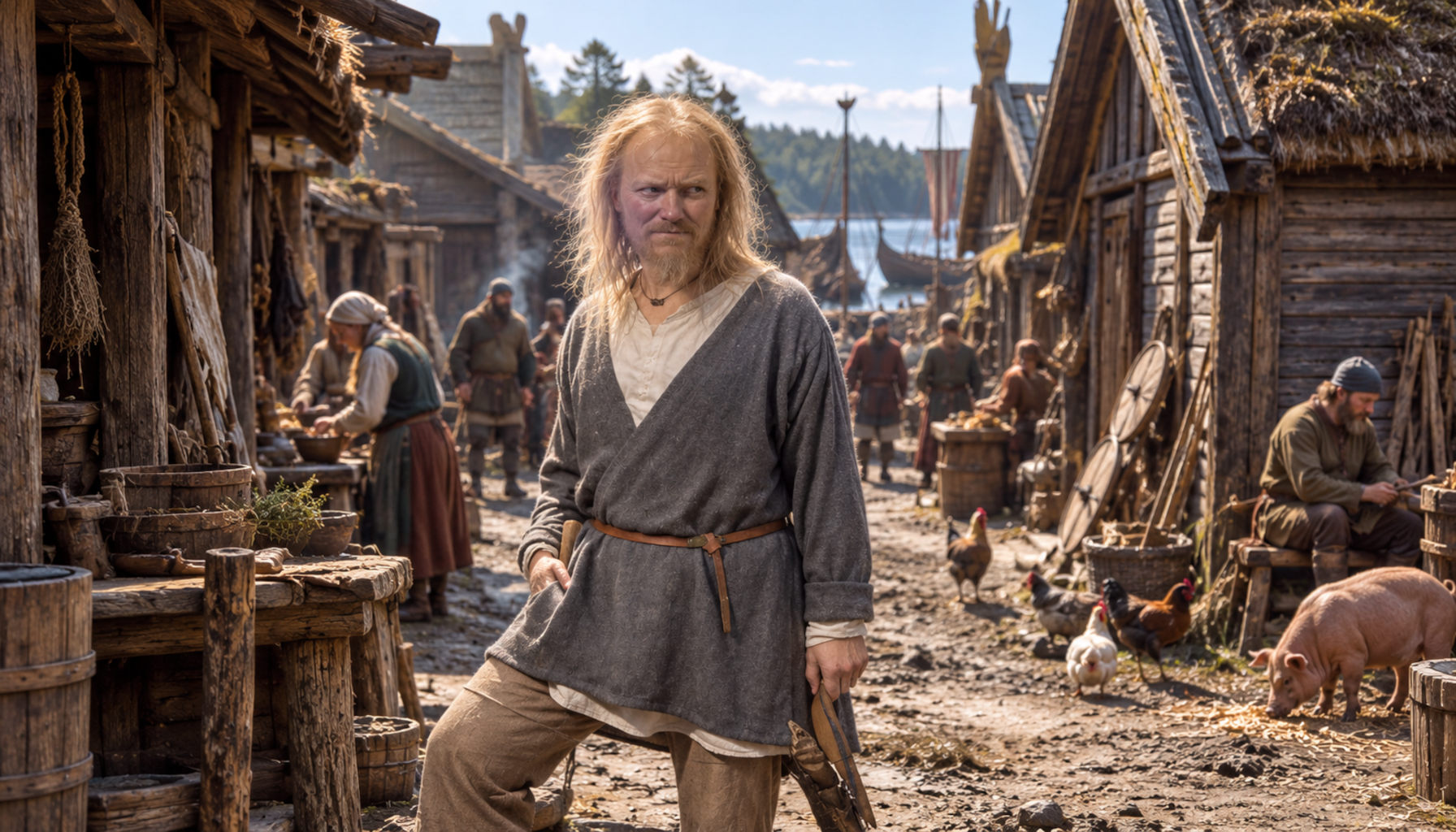
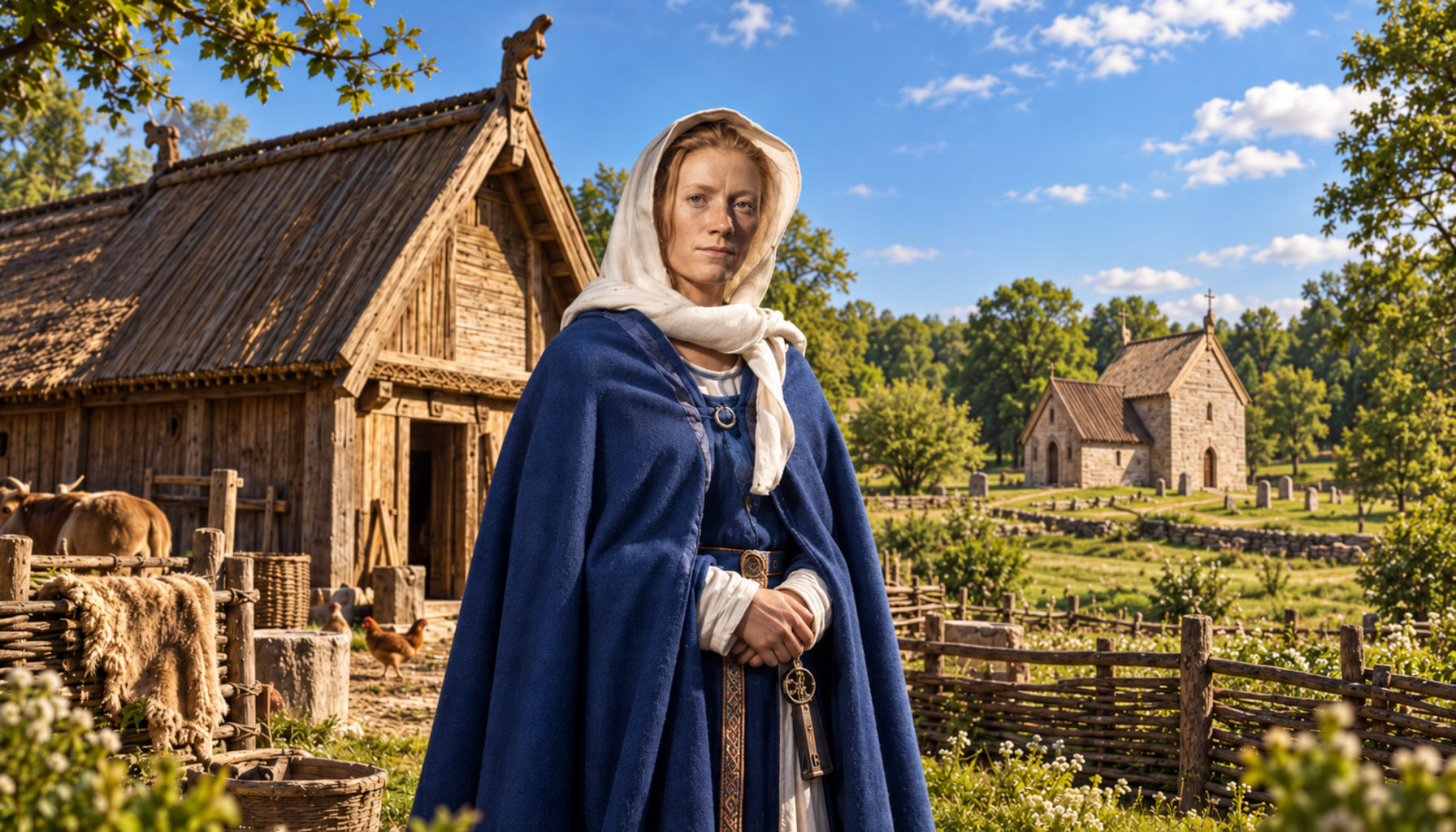
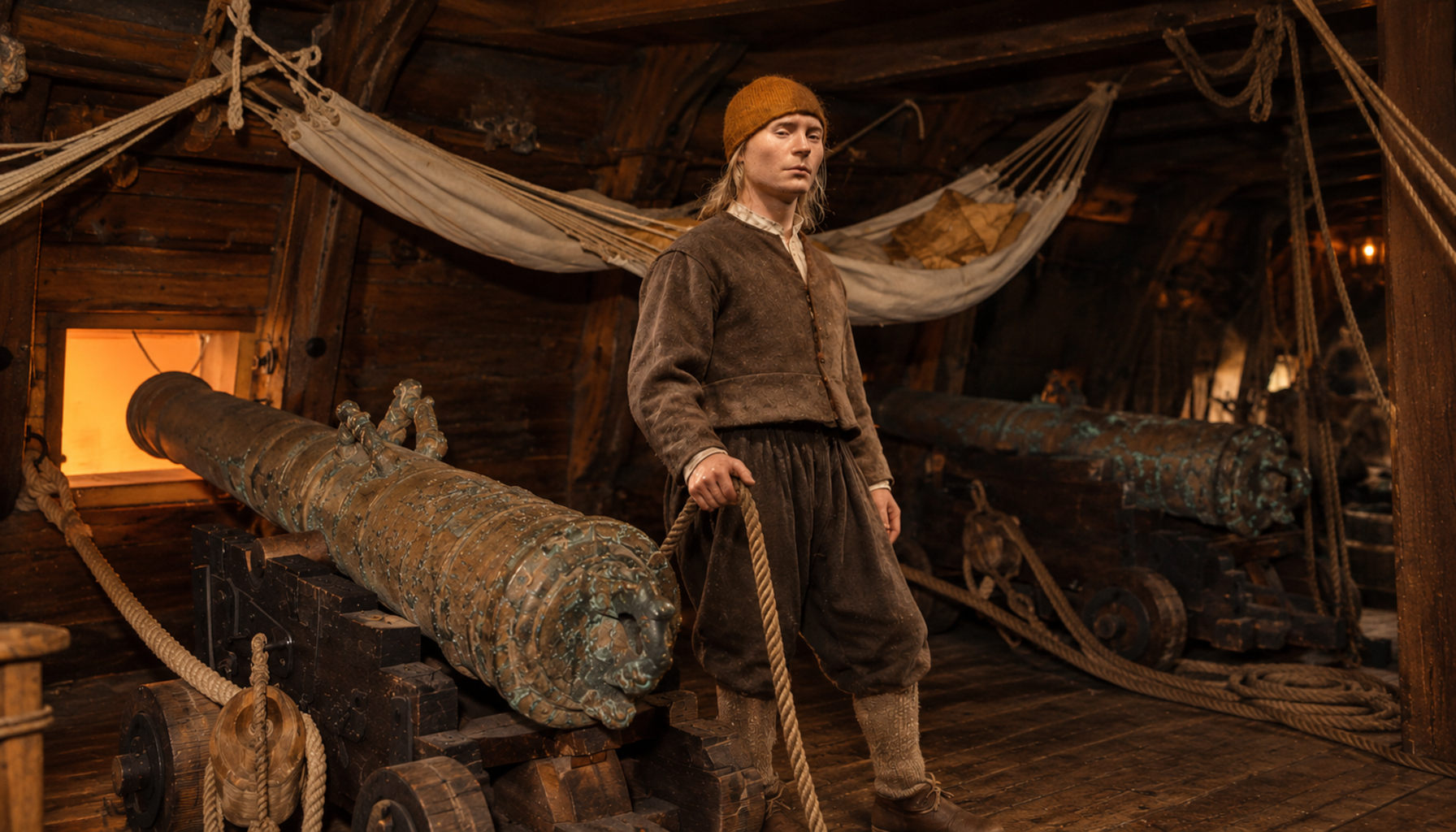
From a DNA perspective, the Czartoryski family is tagged here with R1a1a1b1a2c, a paternal lineage with deep roots across parts of Central and Eastern Europe and the wider steppe-connected world. That does not mean every ancient individual carrying related branches was an ancestor of the family, nor should we leap from haplogroup to surname. But it does place the family within a broader genetic landscape reflected by a striking range of ancient and medieval samples linked to this lineage or close branches: Scythian Ukraine Medvyn Tract Girchakiv Lis (UKR035AB), Unetice burials from Leubingen in Thuringia such as LEU027 and LEU017, Gothic-associated Poland Strzyzow Wielbark (PL046), Piast-linked medieval Polish samples including Santok Lad (PCA0393), Greater Poland Lad (PCA0216), Medieval Poland Piast Dynasty Lad (PCA0211), Ostrow Dziekanowice (PCA0350), and Plonsk Masovia (PCA0317), along with later and wider comparanda such as Arrabona in Hungary (GYS045), Medieval Piast Era Poland Silesia Milicz (PCA0564), Sint-Truiden in Belgium (ST2653), Niederwuensch western Slav settler (NDW013), and several Bronze and Late Bronze Age individuals from Estonia, Austria, Germany, and eastern Poland. Taken together, these samples sketch a long story of movement, continuity, elite formation, and regional interaction across the very zones from which families like the Czartoryskis emerged.
Explore the Piast dynastic DNA story
If you are exploring the Czartoryski family through history, heraldry, or genetics, the most interesting question is not simply whether a famous name appears in your tree, but how your deeper ancestry fits the same Central and Eastern European world that produced princely houses like this one. Upload your DNA to MyTrueAncestry and see whether you match the Czartoryski family, or related ancient DNA samples from medieval Poland, the steppe, and the wider Polish-Lithuanian frontier zone.

Comments