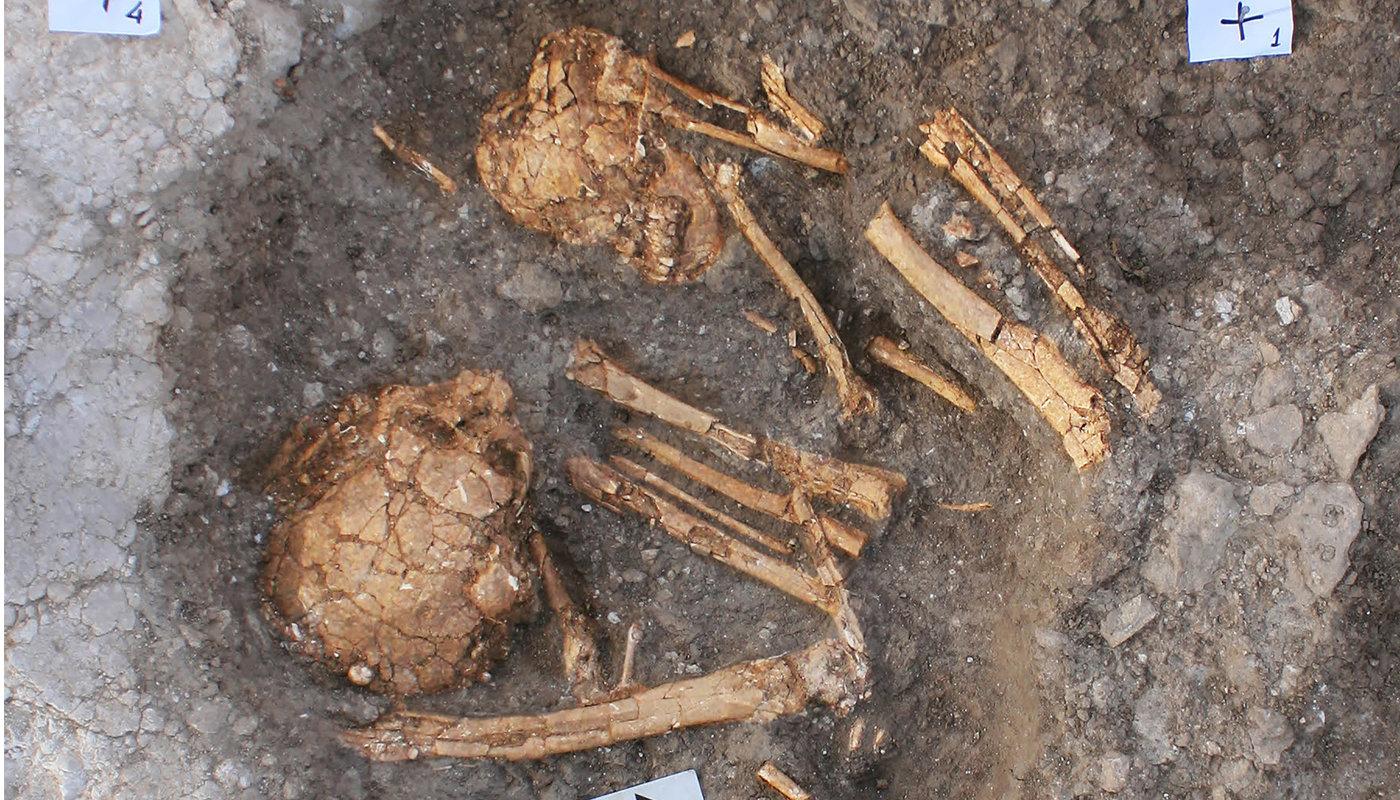
Plastered Houses and the Dead: A Middle Pre-Pottery Neolithic B Burial Site at Nahal Yarmuth 38, Central Israel Sven December 07, 2025 – 4 min read Share this post Papers Early Medieval Finland: Genomics, Population Change, and Baltic Connections Southwestern Finland at the Edge of the Baltic World Between roughly 800 and 1250, southwestern Finland occupied one of northern Europe's most dynamic positions. Far from a forgotten fringe, it was a lived-in landscape already threaded into sea routes connecting Sweden, Gotland, the eastern Baltic, and Russia' By Sven • 6 min read Papers Ancient DNA Preservation in the Caribbean Ancient Bones in a Hot Sea World The Caribbean looks like a paradise for preserving the human past, yet for ancient bone and tooth, it is a punishing world. Heat, damp air and thriving microorganisms work like invisible wreckers, reducing once-living tissues to mineral and dust. Every successful recovery is By Caterina • 3 min read Papers Genetic Population Structure Visualization Genetic Landscapes and the Trouble with Simple Pictures The promise seems irresistible: gather ancient and modern DNA, arrange people as points on a chart, and watch the past appear. It looks neat, almost architectural. But the deeper story is far more dramatic. The human past can be badly misread when By Sven • 6 min read Haplogroups and Noble Lines The House of Stradling House of Stradling Background The House of Stradling was one of the great Anglo-Welsh families of Glamorgan, rooted above all at St Donats Castle on the south Wales coast. In broad historical terms, they belong to that fascinating marcher world where Norman and Welsh power met, argued, intermarried, fought, and By Jamie L • 3 min read Haplogroups and Noble Lines The House of Archer Background The House of Archer was a historic English landed family rooted above all in Warwickshire, and most closely tied to the estate of Umberslade. In broad terms, they were one of those families who show how power in England was often built not by sudden conquest, but by patient By Caterina • 3 min read Haplogroups and Noble Lines The House of Salusbury House of Salusbury The House of Salusbury was one of the great historic families of north Wales, rooted above all in Denbighshire and closely bound to the estate of Lleweni. Their story belongs to that particularly Tudor and early modern Welsh world in which landed power, royal service, local influence, By Caterina • 3 min read Haplogroups and Noble Lines The House of Fiske House Fiske Background The House of Fiske was an old English family rooted above all in Suffolk, especially around Laxfield and Stadhaugh, and its best-known paternal genetic signature today is the haplogroup R1b1a1b1a1a2c1a4b2. In historical terms, this is a family that fits a very recognisable English pattern: local landholding, attachment By Caterina • 3 min read Haplogroups and Noble Lines The House of Meyrick House of Meyrick Background The House of Meyrick was one of the notable historic families of the Welsh gentry, rooted especially in Anglesey and long associated with Bodorgan Hall. In genetic tagging terms, the primary family haplogroup linked here is R1b1a1b1a1a1b1a1a, a branch within the great western European R1b story. By Sven • 3 min read Haplogroups and Noble Lines The House of Standish House of Standish Background The House of Standish was one of the old landed families of Lancashire, rooted in the manor of Standish near Wigan and remembered today as part of the long story of English county gentry. Their primary family haplogroup is tagged as I2a1b2a2d1a2, a paternal line with By Caterina • 3 min read
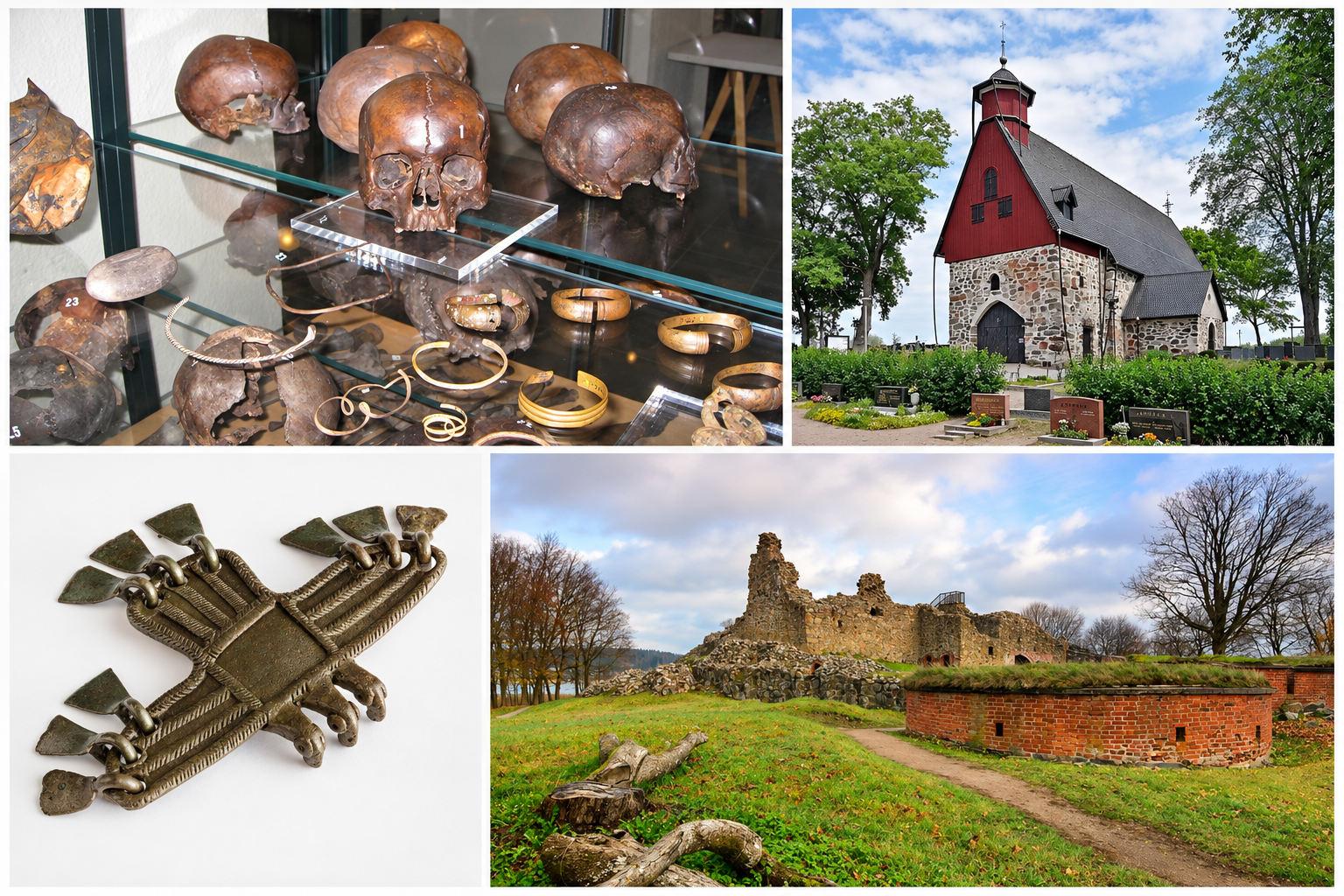
Papers Early Medieval Finland: Genomics, Population Change, and Baltic Connections Southwestern Finland at the Edge of the Baltic World Between roughly 800 and 1250, southwestern Finland occupied one of northern Europe's most dynamic positions. Far from a forgotten fringe, it was a lived-in landscape already threaded into sea routes connecting Sweden, Gotland, the eastern Baltic, and Russia' By Sven • 6 min read
Papers Ancient DNA Preservation in the Caribbean Ancient Bones in a Hot Sea World The Caribbean looks like a paradise for preserving the human past, yet for ancient bone and tooth, it is a punishing world. Heat, damp air and thriving microorganisms work like invisible wreckers, reducing once-living tissues to mineral and dust. Every successful recovery is By Caterina • 3 min read
Papers Genetic Population Structure Visualization Genetic Landscapes and the Trouble with Simple Pictures The promise seems irresistible: gather ancient and modern DNA, arrange people as points on a chart, and watch the past appear. It looks neat, almost architectural. But the deeper story is far more dramatic. The human past can be badly misread when By Sven • 6 min read
Haplogroups and Noble Lines The House of Stradling House of Stradling Background The House of Stradling was one of the great Anglo-Welsh families of Glamorgan, rooted above all at St Donats Castle on the south Wales coast. In broad historical terms, they belong to that fascinating marcher world where Norman and Welsh power met, argued, intermarried, fought, and By Jamie L • 3 min read
Haplogroups and Noble Lines The House of Archer Background The House of Archer was a historic English landed family rooted above all in Warwickshire, and most closely tied to the estate of Umberslade. In broad terms, they were one of those families who show how power in England was often built not by sudden conquest, but by patient By Caterina • 3 min read
Haplogroups and Noble Lines The House of Salusbury House of Salusbury The House of Salusbury was one of the great historic families of north Wales, rooted above all in Denbighshire and closely bound to the estate of Lleweni. Their story belongs to that particularly Tudor and early modern Welsh world in which landed power, royal service, local influence, By Caterina • 3 min read
Haplogroups and Noble Lines The House of Fiske House Fiske Background The House of Fiske was an old English family rooted above all in Suffolk, especially around Laxfield and Stadhaugh, and its best-known paternal genetic signature today is the haplogroup R1b1a1b1a1a2c1a4b2. In historical terms, this is a family that fits a very recognisable English pattern: local landholding, attachment By Caterina • 3 min read
Haplogroups and Noble Lines The House of Meyrick House of Meyrick Background The House of Meyrick was one of the notable historic families of the Welsh gentry, rooted especially in Anglesey and long associated with Bodorgan Hall. In genetic tagging terms, the primary family haplogroup linked here is R1b1a1b1a1a1b1a1a, a branch within the great western European R1b story. By Sven • 3 min read
Haplogroups and Noble Lines The House of Standish House of Standish Background The House of Standish was one of the old landed families of Lancashire, rooted in the manor of Standish near Wigan and remembered today as part of the long story of English county gentry. Their primary family haplogroup is tagged as I2a1b2a2d1a2, a paternal line with By Caterina • 3 min read