House of Yorke
– 3 min read


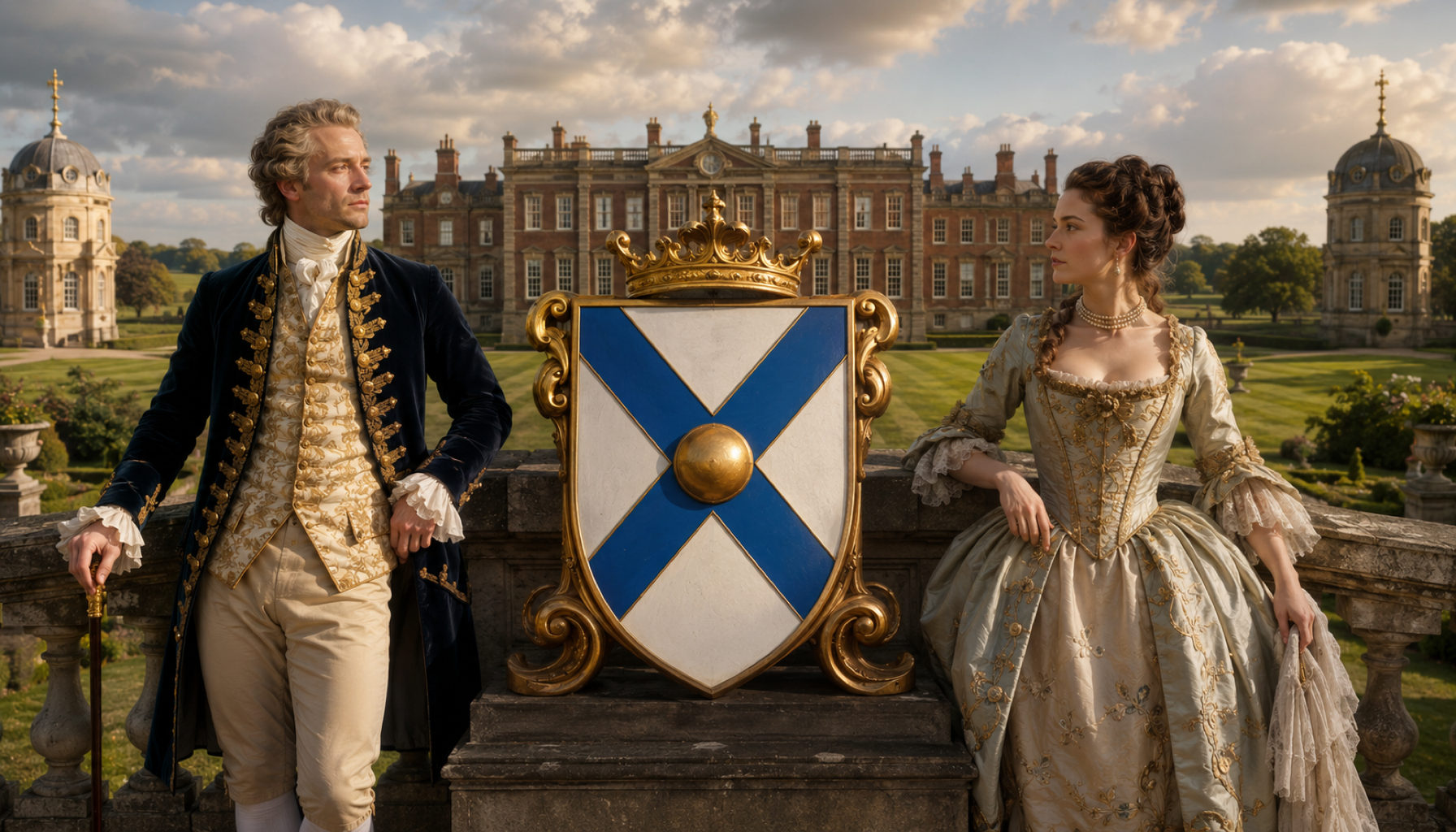
The House of Yorke was an English family tradition rooted less in medieval warlord glamour than in something very English indeed: law, office, parliament, estate, and the slow accumulation of authority through public service. Associated with the haplogroup I1a2a1a1a3a2, the Yorke story belongs to that long national pattern in which prominence was built through education, professional distinction, advantageous marriage, and a firm hold on landed identity. This is not merely a tale of a surname surviving on paper. It is the history of a family house whose name carried weight in courts, in politics, and in the social world of the gentry and aristocracy.
The Yorke name emerged within the historic landscape of England, shaped by the institutions that made elite society function from the early modern period onward. Heraldry, estate continuity, and public reputation helped preserve the family in English social memory, while its wider associations inevitably brush against the far grander royal House of York. That is why figures such as Richard, Duke of York (1411-1460), and his son Edward IV (1442-1483) still loom so large in the imagination: they belong to the political theatre of Yorkist England, where dynastic identity, land, and legitimacy could decide the fate of the crown itself. The Yorke family discussed here fits a later and different, but still recognisably English, model of family power: not simply medieval lordship, but service and governance as a way of becoming a house of consequence.
Read more about the House of Howard
A fine location anchor for the Yorke story is Erddig Hall, near Wrexham in north Wales, long associated with the Yorke family and one of the most vivid surviving country houses in Britain. The present house was built in the late seventeenth and early eighteenth centuries, and over time it became a classic expression of landed society: a substantial estate, ordered gardens, service buildings, and the whole social machinery of a great household. But Erddig is especially memorable because it preserves not just the world of its owners, but also the lives of servants, tradesmen, and estate workers with unusual richness. Portraits, verses, and household records make the place feel less like a frozen aristocratic shell and more like a working human community. In other words, Erddig shows exactly the sort of environment in which a family such as the Yorkes translated office, law, and status into durable local presence. Yes, it can still be visited today, and that continued accessibility is part of what makes it such a strong historical anchor.
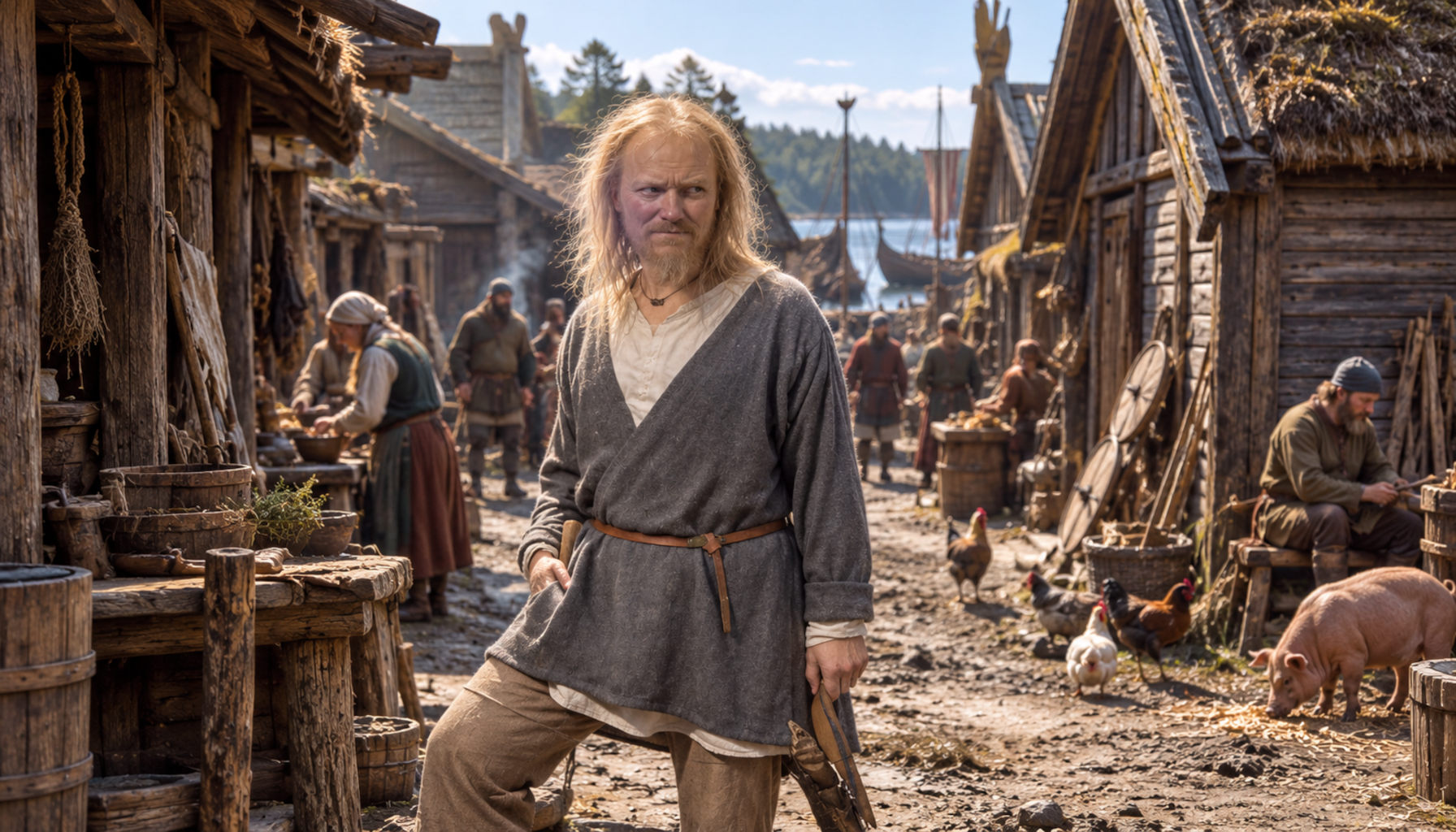
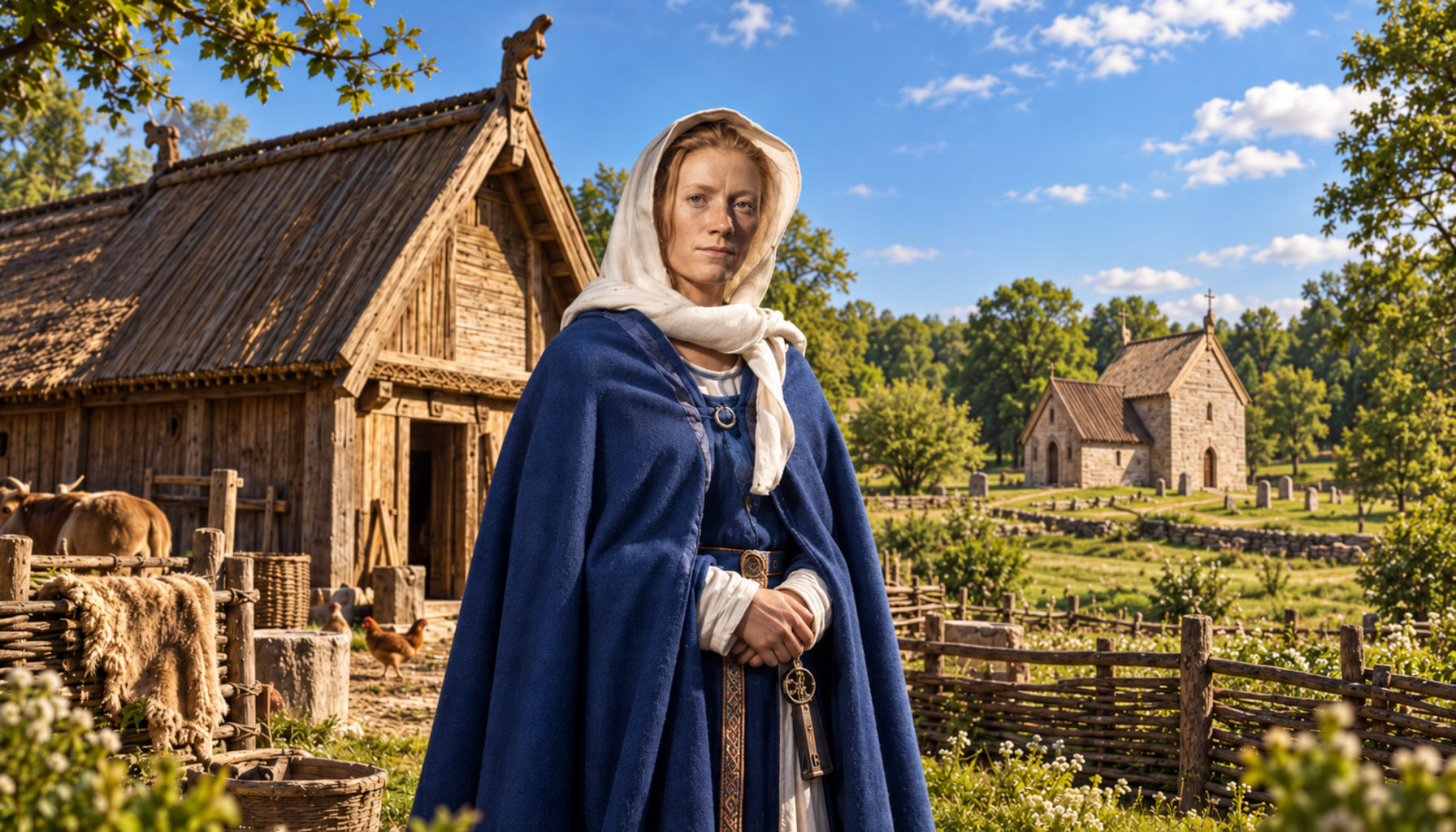
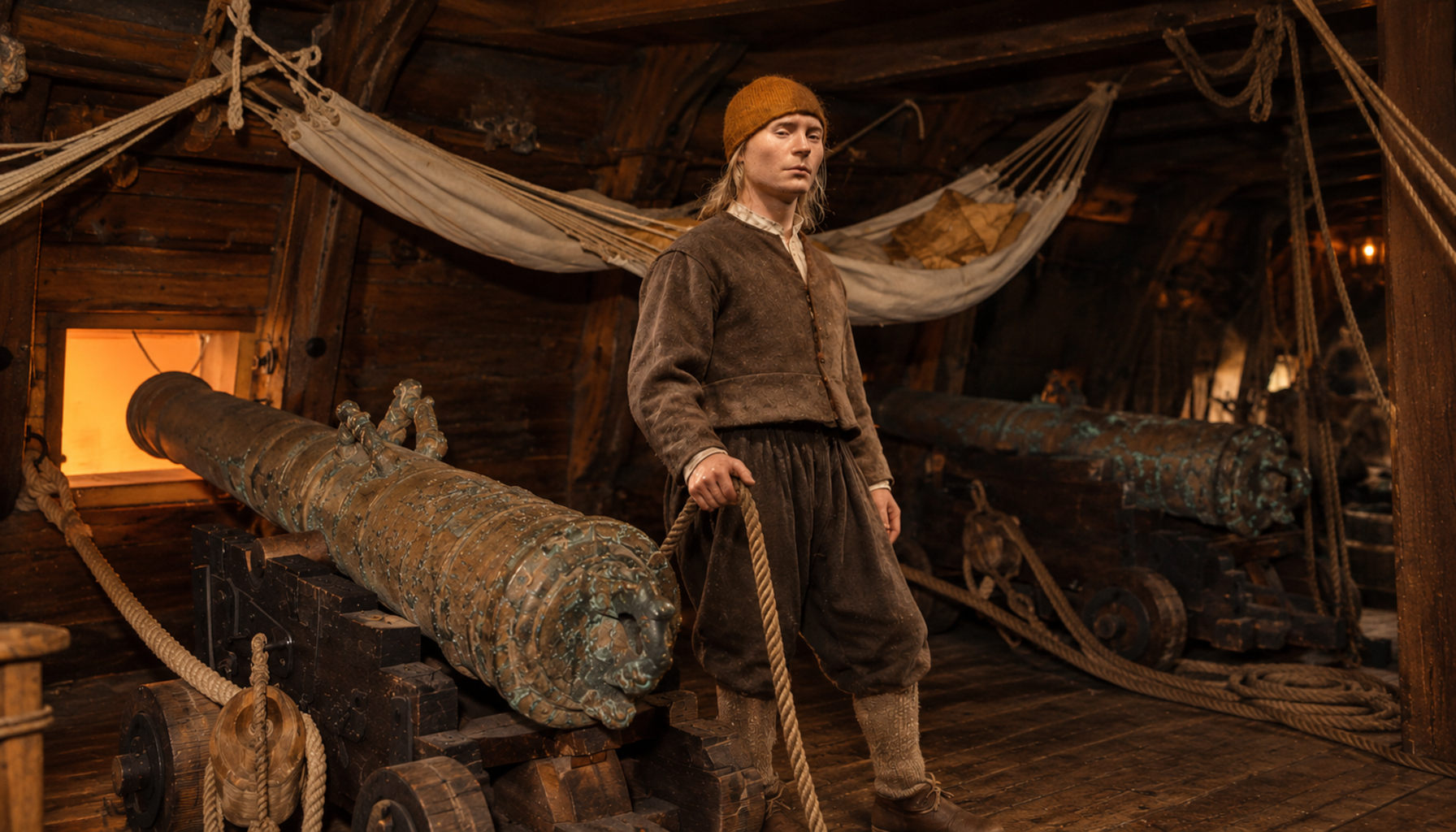
From an ancient-DNA point of view, the Yorke-linked haplogroup I1a2a1a1a3a2 sits within a wider northern European and Germanic-looking pattern rather than a neat single-family trail. Related or linked samples include Gothic Period Serbia Timacum Kuline Ravna Village (I15549), Gothic Era Serbia Timacum Slog Necropolis (I15545), Longobard Period Pannonia Savaria Szeleste Barbaricum Hungary (SZL028), Medieval Denmark Tjornby Randers Municipality (CGG100679), Nordic Bronze Age Denmark Strandlunden II Gerlev (CGG106515), Germanic Tribe Iron Age Denmark Sjaelland Holbaek Fjord Trundholm Mose (CGG106734), Anglo-Saxon Sedgeford England Norfolk (SED014), Gothic Kecskemet-Mindszenti Transtisza Hungary (A181016), and Viking Age Oland Sweden samples VK337 and VK357. None of this proves direct descent from any one of these individuals, and it should not be presented that way. What it does offer is a fascinating genetic backdrop: a web of related paternal signatures found among Iron Age, Migration Period, Anglo-Saxon, Gothic, Longobard, and Viking Age contexts that help illuminate the deeper population history behind lineages later embedded in English society.
If the House of Yorke speaks to your own family story, the next step is to test that connection in the way only archaeogenetics can now make possible. Upload your DNA to MyTrueAncestry and see whether you match the House of Yorke, its haplogroup I1a2a1a1a3a2, or related ancient DNA samples from Anglo-Saxon, Gothic, Longobard, Danish, and Viking Age contexts. It is a splendid way of turning a surname, a pedigree, or a half-remembered family tradition into something much deeper and more tangible.
Comments