Haplogroup N1a1a1a1a1a1a7a

– 4 min read


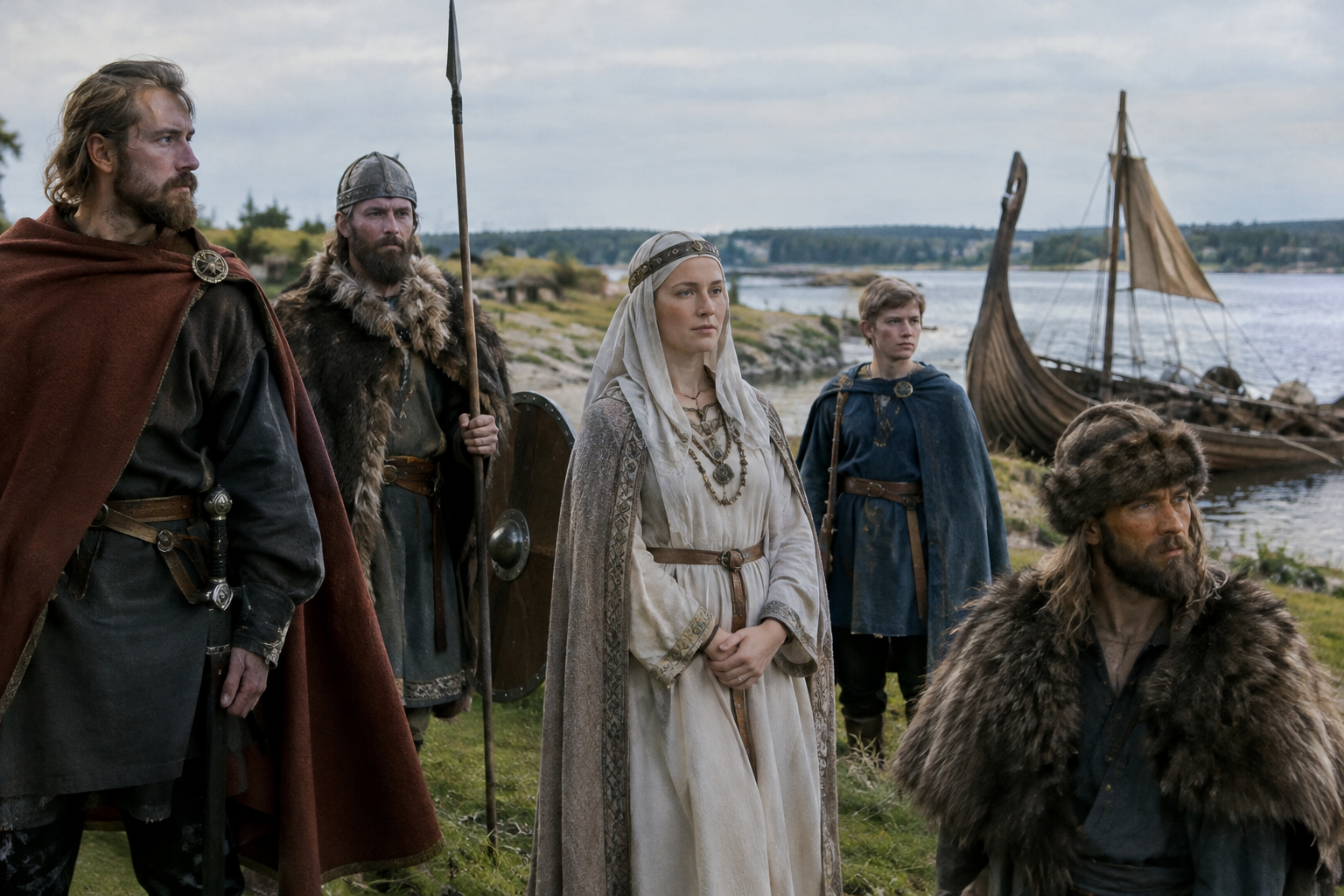
One of the more arresting appearances of haplogroup N1a1a1a1a1a1a7a comes not from a remote prehistory, but from a named medieval ruler: Grand Prince Dmitry Alexandrovich of the Rurik dynasty, dated to AD 1294 and identified here as sample Nev2. That matters because it places this paternal line in a dynastic context we can actually anchor in written history, while also reminding us that Y-DNA follows only one direct male line out of the countless ancestors any historical person possessed.
Yet this branch does not sit neatly inside one courtly world. The same haplogroup assignment is also reported among individuals from a Longobard-period graveyard in Lower Austria, from Iron Age Sweden, and from the Vendel Age warrior horizon of Saaremaa. Taken together, those finds make N1a1a1a1a1a1a7a interesting precisely because it appears across several northern and eastern European settings rather than inside a single ethnic or political box.
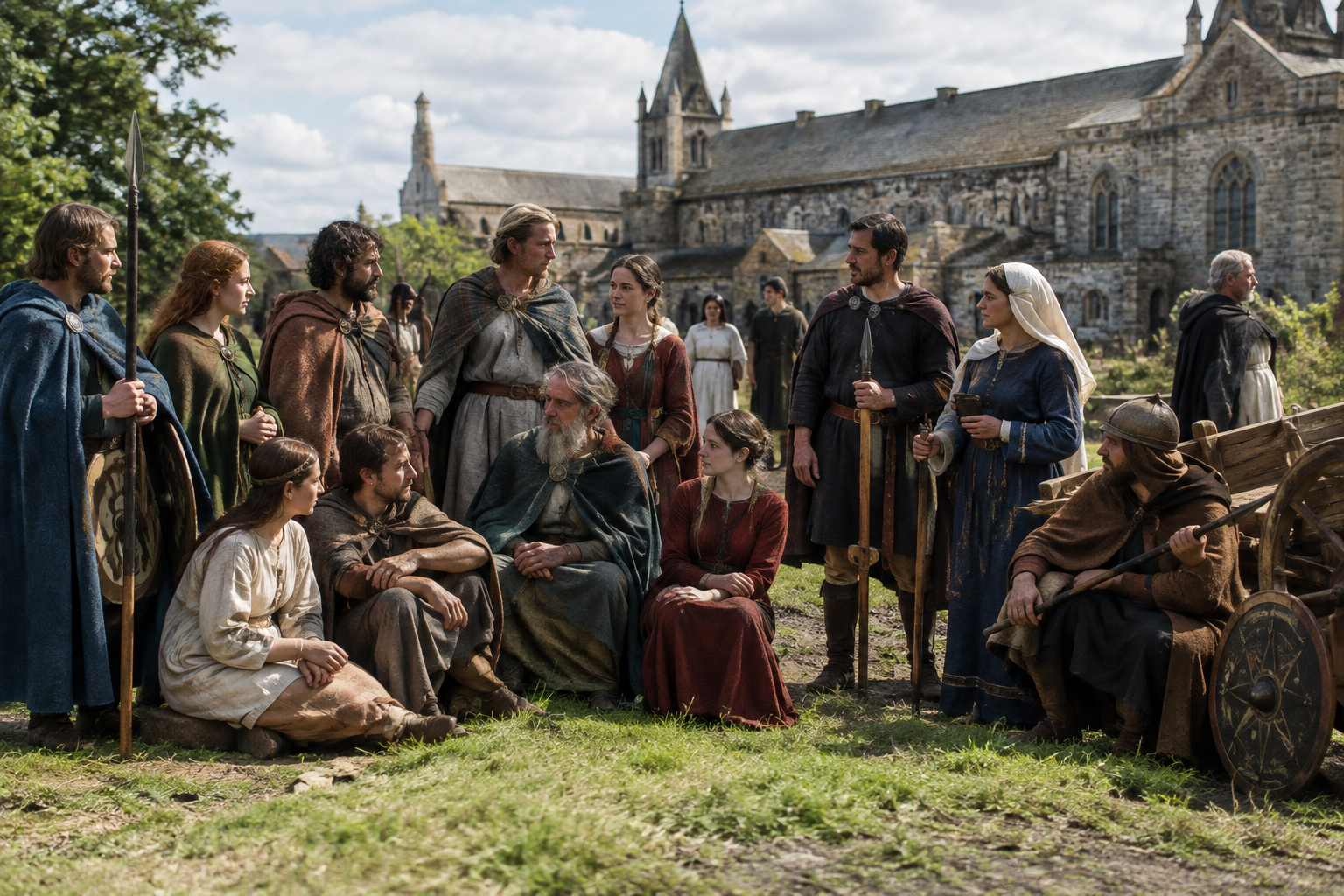
The earliest sample in this small group is MLE003, dated around AD 550 from the Longobard graveyard at Mödling-Leinerinnen in the Vienna Basin, Austria. This is a particularly useful starting point because the cemetery belongs to the Migration Period world of the middle Danube, where political identities, burial customs, and biological ancestry did not always line up in any simple way.
A site like Mödling sits in the historical zone where post-Roman populations, incoming groups, and local traditions overlapped. So the presence of N1a1a1a1a1a1a7a here should not be read as "the Longobard haplogroup." It is better understood as evidence that this paternal line was present within a community archaeologists classify as Longobard-period in Lower Austria. For the cemetery itself, the key archaeological background is preserved in research on the Mödling Langobard burial ground, which gives the historical frame even where every genetic detail is not available in the record before us.
That Austrian find is important for another reason. Haplogroup N in Europe is often associated, at broad scale, with northern and northeastern populations, but a specific branch such as N1a1a1a1a1a1a7a must be handled more carefully. A single Longobard-period burial in Austria tells us this lineage was moving through, or already established within, the complicated societies of post-Roman central Europe.
The next two samples shift the picture northward. ful001, from Germanic Iron Age Fullero near Uppsala in Sweden, is dated around AD 314. Then there is VK508 from Salme I on Saaremaa, dated around AD 725 in the Vendel Age, a period just before the Viking Age proper.
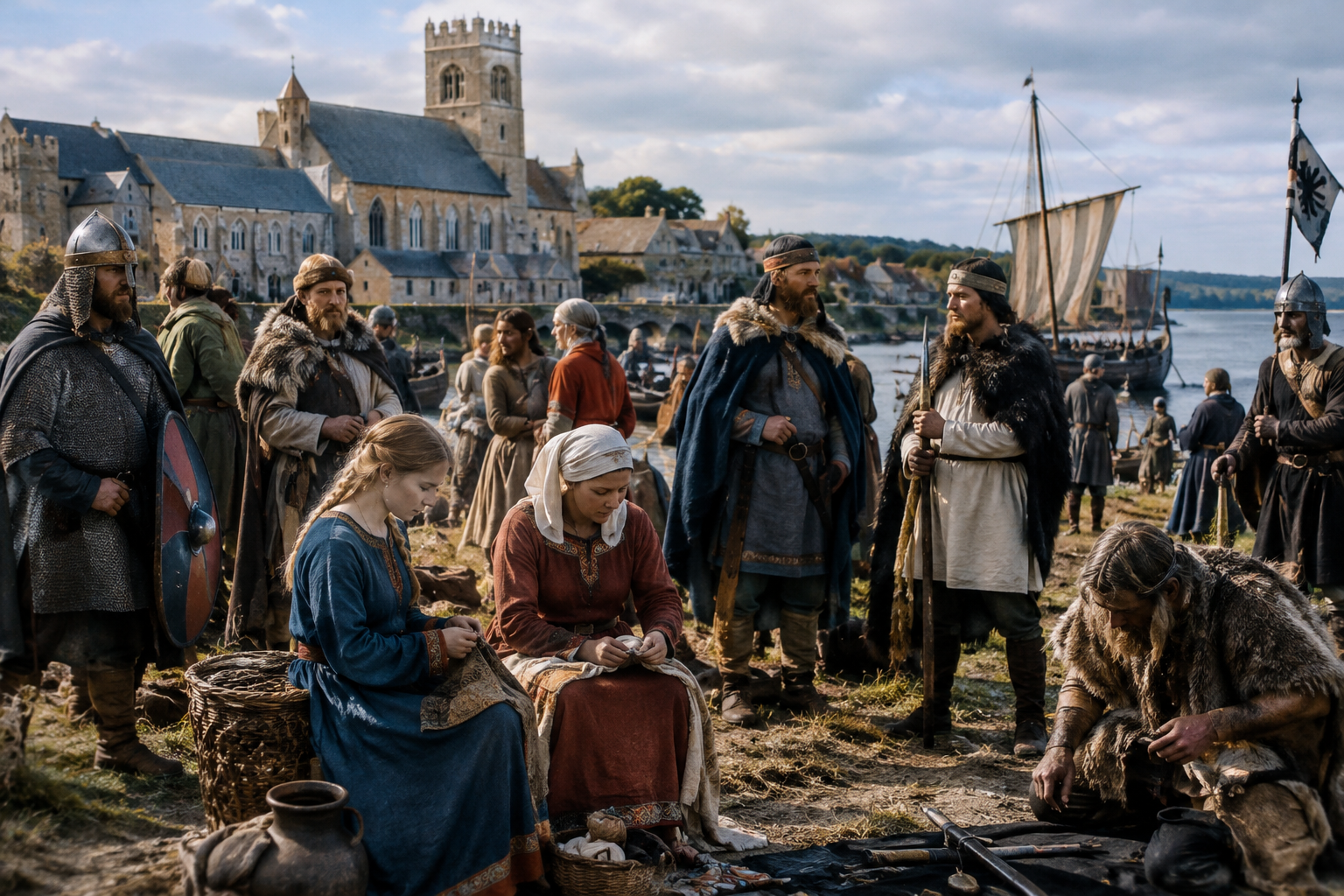
These are not the same archaeological setting, and they should not be flattened into one story. Fullero belongs to the late Roman Iron Age or early Germanic Iron Age landscape of eastern central Sweden, while Salme belongs to the martial and maritime world of the eastern Baltic. But the recurrence of the same reported Y-lineage in both places suggests that N1a1a1a1a1a1a7a had some place in the networks linking Scandinavia and the Baltic long before later medieval kingdoms fixed the map more firmly.
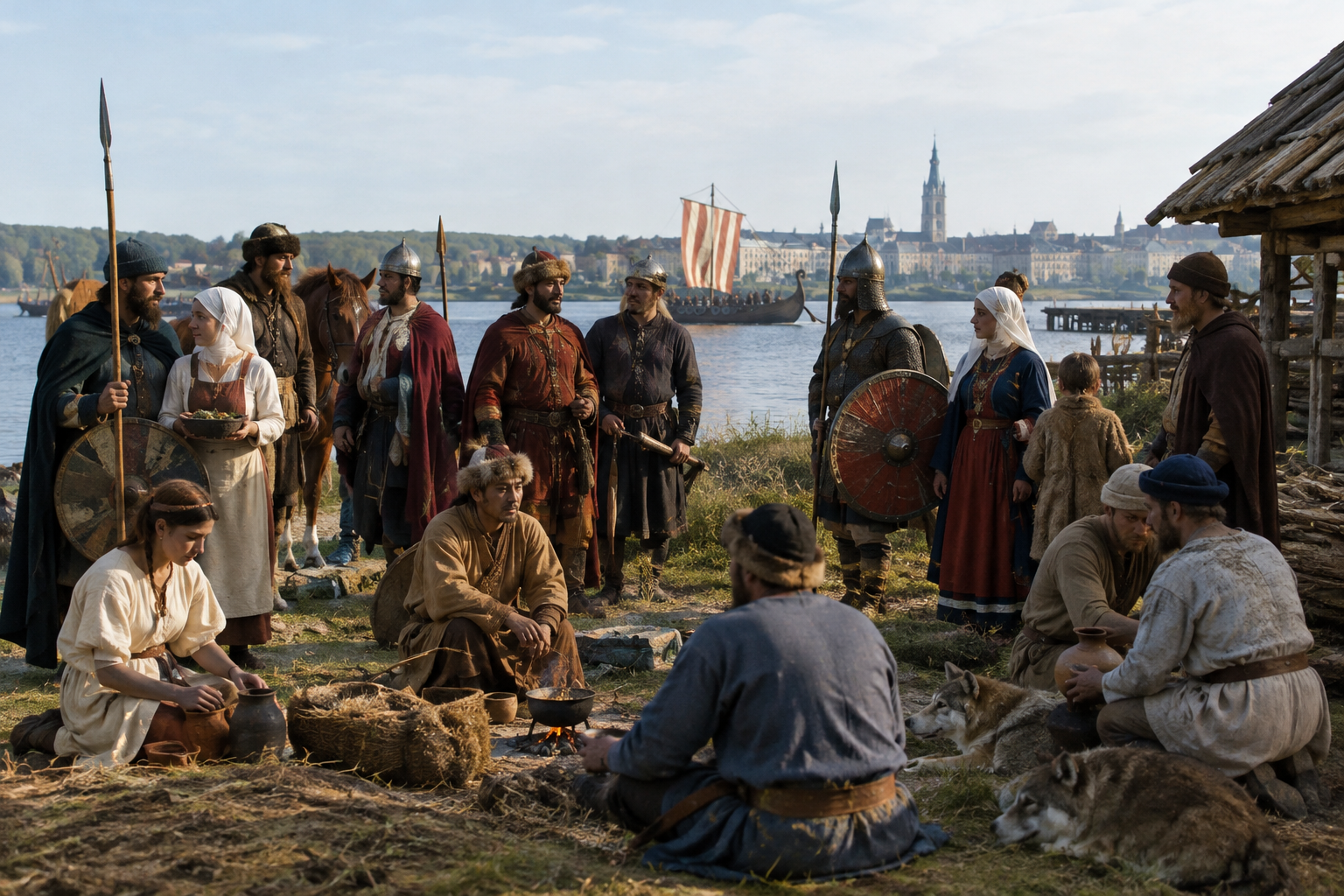
Salme is especially evocative because Saaremaa sits in a crossroads zone. The island was connected to Scandinavian raiding, travel, and exchange, and the Vendel Age was a time when elite contacts and armed mobility tied together the Baltic Sea world. A broad ancient DNA synthesis on Eurasian population history, published in Cell, has helped frame just how mixed and mobile many northern populations were over long time spans. Even when a paper is not being used here to prove each individual sample assignment, that wider context matters: northern Europe was not genetically static.
Early medieval Finland and Baltic ties
What makes the Swedish and Saaremaa evidence so valuable is that it resists lazy storytelling. It would be easy to call this a "Viking" lineage, except one sample predates the Viking Age and another belongs to a Swedish Iron Age context earlier still. It would also be easy to call it simply "Finnic" or "Uralic," except the archaeological settings here are more varied than that. The honest conclusion is more interesting: this paternal branch turns up in regions that were deeply interconnected across the Baltic, even when their cultures and political labels differed.
Sample Nev2, identified as Grand Prince Dmitry Alexandrovich and dated to AD 1294, gives the article its clearest named historical figure. Dmitry was a son of Alexander Nevsky and a member of the Rurik dynasty, one of the great ruling houses of medieval eastern Europe. Here the attraction is obvious: a haplogroup that also appears in migration-period and Baltic settings turns up again in a documented princely lineage centuries later.
But this is exactly where precision matters. The relevant claim is not that every Rurikid, every Rus' prince, or every eastern European noble family belonged to N1a1a1a1a1a1a7a. It is that this sample, associated with Dmitry Alexandrovich, connects the branch to a historically attested dynasty. Research on medieval princely remains and their genetic context, including work available at this open-access study, has helped clarify how ancient DNA can test lineal claims in eastern European ruling families.
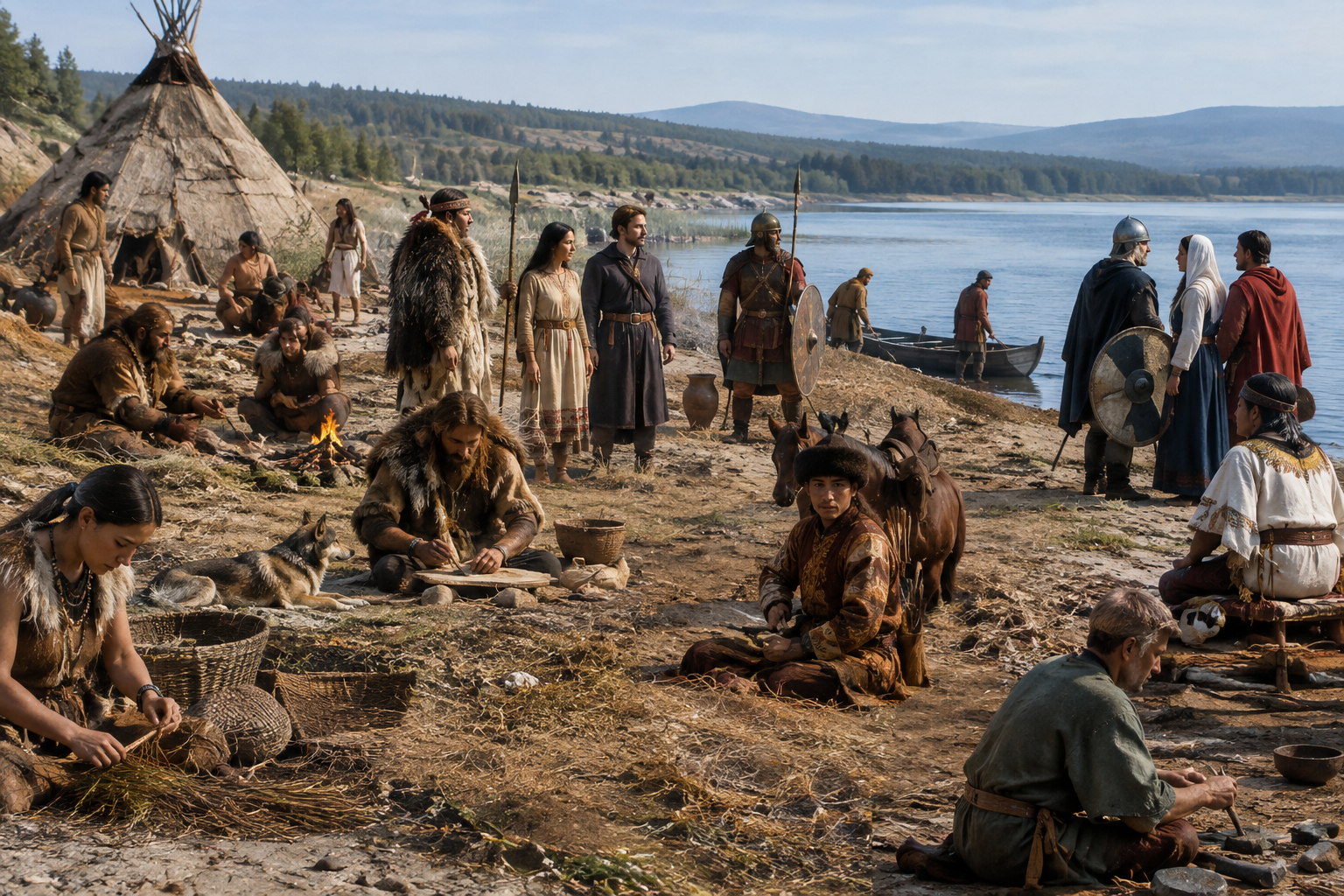
The bigger historical point is that the Rurikid world was never isolated. Medieval Rus' stood between the Baltic, the forest zone, the steppe, and Byzantium. A paternal lineage found in that milieu need not point to one simple ethnic origin story. It points instead to the long, entangled formation of northern and eastern European elites.
For someone researching N1a1a1a1a1a1a7a today, the most responsible way to describe it is as a very narrow paternal branch within the wider haplogroup N family, one that appears in a handful of early and medieval European contexts stretching from Sweden and Saaremaa to Austria and Rus'. That is already a substantial historical clue. It suggests that this direct male line participated in the peopling and reshaping of the Baltic-to-eastern-European world during the first millennium AD and beyond.
What it does not do is assign a single ethnicity, language, or social rank to every bearer. The Longobard-period burial at Mödling, the Iron Age individual from Fullero, the Vendel Age case from Salme I, and the princely Rurikid sample each belonged to distinct historical settings. The continuity is paternal, not cultural in any total sense.
The most distinctive thing about N1a1a1a1a1a1a7a is not sheer antiquity alone, but its appearance in several historically meaningful zones: the Migration Period middle Danube, Iron Age Sweden, the eastern Baltic, and the medieval Rus' princely sphere. That is a small dataset, certainly, yet it sketches a recognisable horizon of northern and northeastern European connections. If this is your Y-DNA line, the evidence points not to a single romantic origin tale, but to a paternal history that may have moved through the very networks that linked Scandinavia, the Baltic, and eastern Europe across centuries of upheaval.
Comments