Haplogroup I2a1b1a1

– 4 min read


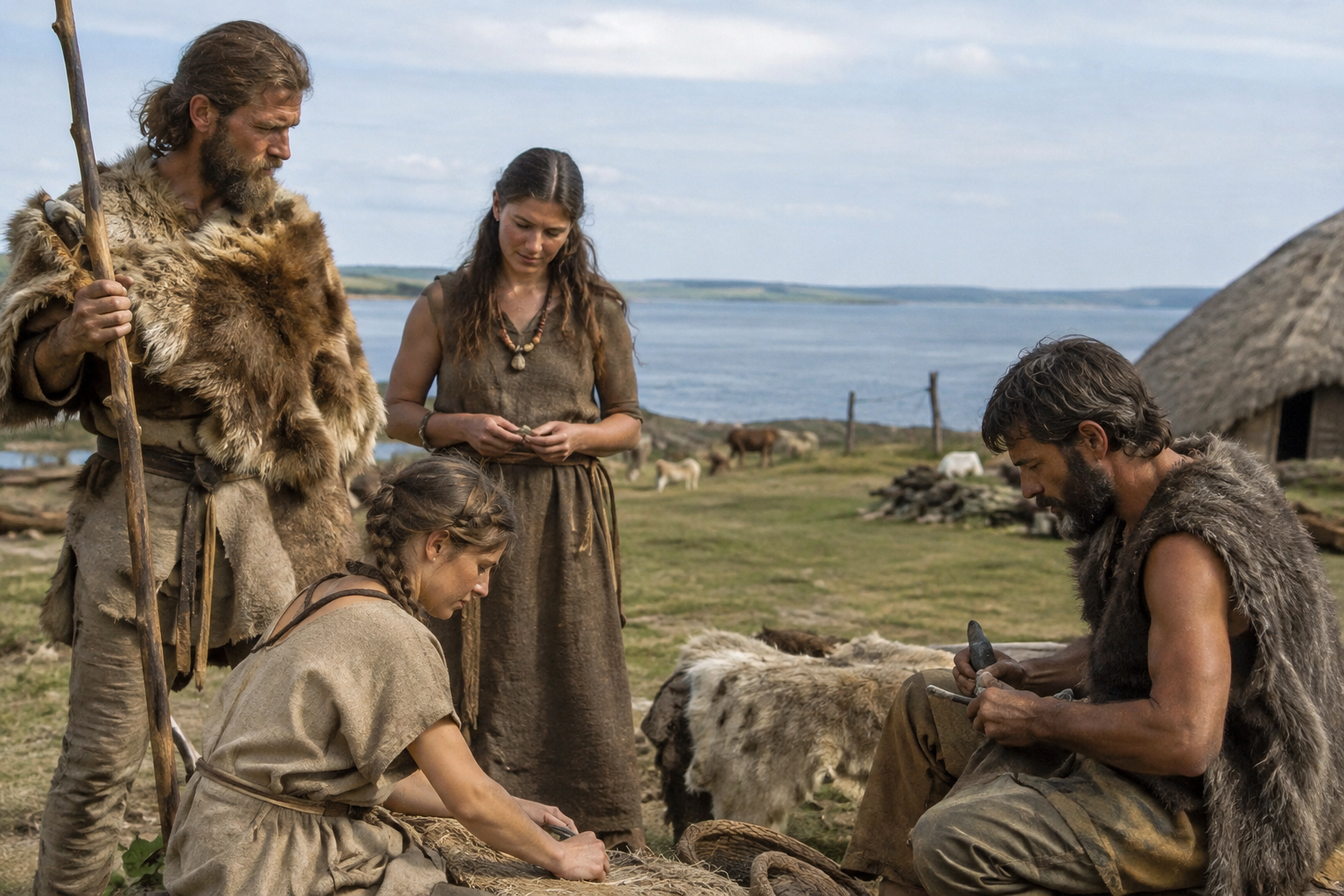
At Stenderup Hage on the Jutland coast of Denmark, one male buried around 2667 BC, sample NEO943, offers a neat way into the history of Y-DNA haplogroup I2a1b1a1. He belongs to the late Neolithic world of southern Scandinavia, a period when farming communities, older forager ancestry, and new continental influences were all meeting in sometimes awkward, sometimes creative combinations. That is exactly why this lineage is interesting: not because it can be reduced to one people or one migration, but because it turns up in places where prehistoric Europe was being remade.
Y-DNA follows one direct paternal line only, father to son across many generations. So haplogroup I2a1b1a1 does not describe a person's whole ancestry, language, or identity. But when we find men associated with this branch in Neolithic Denmark, Neolithic Germany, prehistoric Britain, and Bronze Age Sardinia, we begin to see a pattern of persistence and spread across very different archaeological settings.
The Danish sample NEO943 matters because late Neolithic Denmark was not a quiet backwater. This was a region already transformed by farming, but still carrying deep traces of earlier hunter-gatherer populations, and later affected by major demographic shifts from the steppe and continental Europe. A broad ancient DNA study of Denmark's Mesolithic and Neolithic populations has helped show just how layered that history was, and why individual paternal lines can survive through periods of larger population change in research on ancient Denmark.
For a lineage like I2a1b1a1, that is important context. Haplogroup I as a wider family has deep roots in Europe, and branches of I2 are often associated in ancient DNA with long-standing European male lines. But the narrower label in this article, I2a1b1a1, should be treated carefully. The point is not that it somehow represents all of prehistoric Scandinavia, only that NEO943 shows this paternal branch was present in Denmark during a period of major social and genetic reorganization.
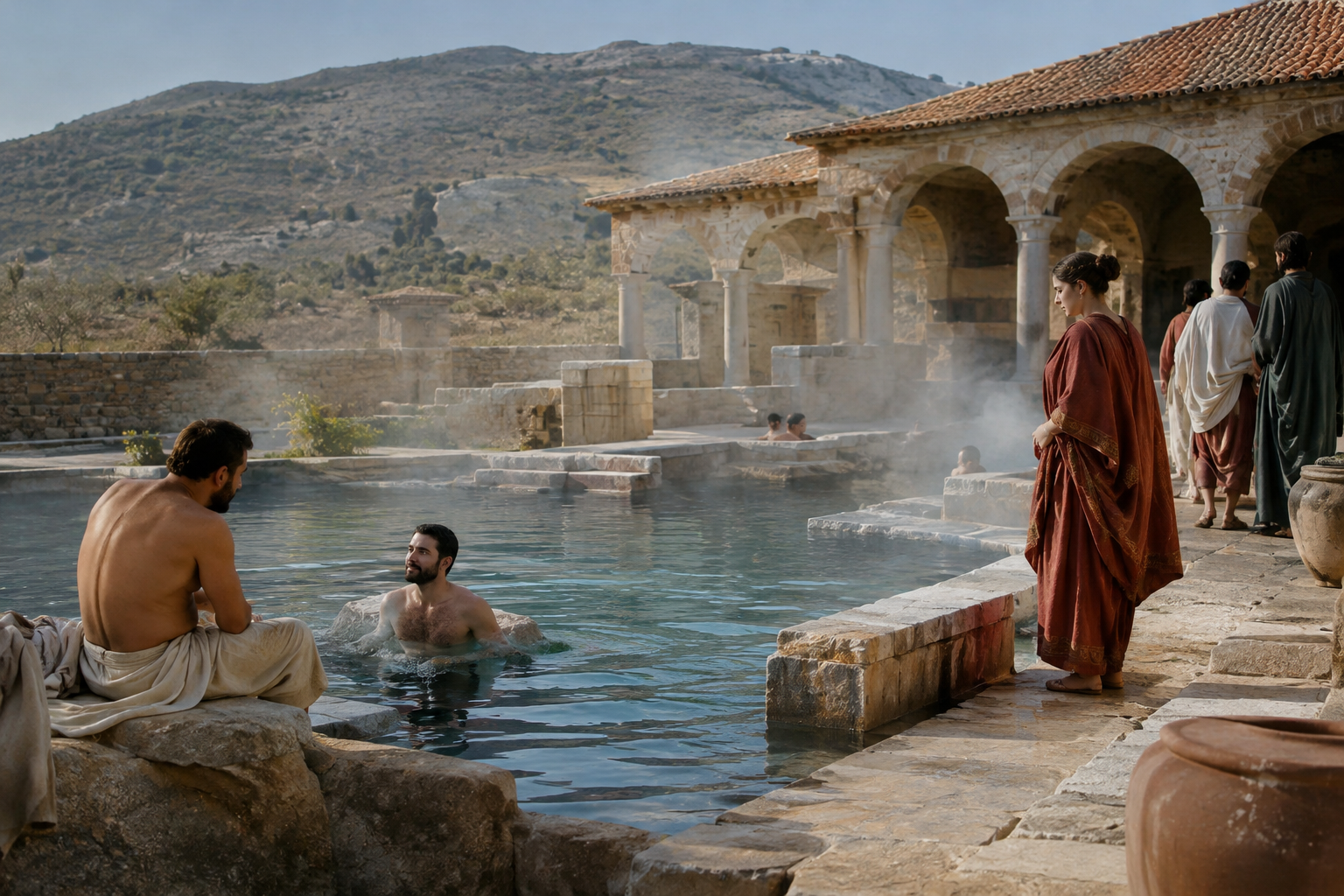
Denmark's Neolithic transition
Another key find is I0172x from Esperstedt in Germany, dated to around 3086 BC. Even from the bare outline of the record, the site is revealing. Central Germany sits in one of the great contact zones of European prehistory, where early farming traditions, local continuities, and later mobility all intersected.
That makes Esperstedt useful as more than a dot on a map. If I2a1b1a1 appears there as well, it suggests that this paternal line was not confined to one northern fringe or one insular refuge. Instead, it was part of the human landscape of central Europe in the later Neolithic, present among communities living through the long aftermath of the first farming expansion.
There is also a caution here. A sample's Y-DNA branch does not automatically tell us which archaeological culture he belonged to in any strong social sense, nor does it give us a ready-made migration story. But in historical terms, Esperstedt helps anchor the branch in the continental heartland from which many later movements, contacts, and transformations radiated.
The British sample NEO847, from Hetty Pegler's Tump, is perhaps the most evocative of the group, precisely because the site is already famous as a prehistoric tomb. Dated here to around 3511 BC, this individual connects haplogroup I2a1b1a1 to the world of early monument-building in Britain, where collective burial, memory, and place mattered enormously.
Hetty Pegler's Tump is a long barrow in Gloucestershire, one of those stubborn prehistoric structures that later ages kept noticing, naming, and sometimes reusing. Ancient DNA from burials associated with such monuments has changed how we think about Britain's Neolithic: these were not anonymous populations drifting through a vague Stone Age, but communities with structured kinship, regional links, and durable ties to tombs and ancestry.
In that setting, a paternal lineage like I2a1b1a1 becomes historically interesting not because it proves a dynasty, but because it places one direct male line inside the social machinery of Neolithic Britain. Monumental tombs were about the dead, certainly, but also about the living management of descent, belonging, and landscape.
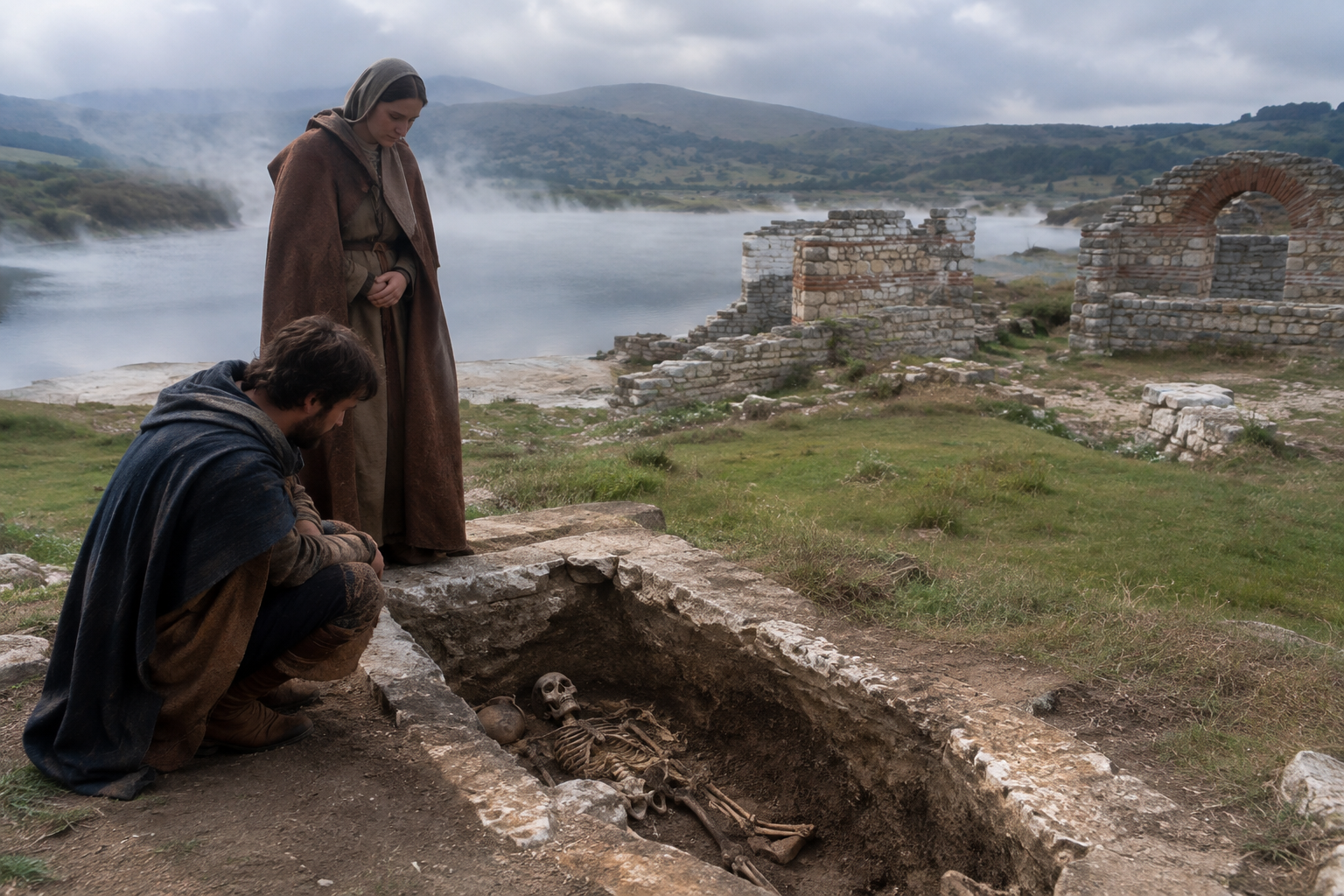
Neolithic tomb reuse in Britain
The fourth sample, R26 from Sardinia, dated to about 2200 BC, shows why one should resist turning this haplogroup into a tidy ethnic label. Bronze Age Sardinia was not Denmark or central Germany transplanted south. It was an island society with its own local developments, Mediterranean contacts, and distinctive demographic history.
Yet the appearance of I2a1b1a1 there is not absurd at all. Sardinia has long been crucial to debates about the survival of early European farmer ancestry and the varying impact of later Bronze Age movements around the western Mediterranean. An ancient DNA study on the islands of Italy has helped sharpen that picture by showing both continuity and change across time in research on ancient Italian islands.
So R26 adds something the northern samples cannot. It suggests that this branch, or men associated with it, could be present in a Mediterranean island setting well after the first Neolithic spread and during the Bronze Age. That is not evidence for one simple route from north to south, nor for one homogeneous people carrying a single identity. It is evidence that a paternal line within the broader I2 family could persist across very different regional histories.
Taken together, the samples form a small but suggestive archaeological spread: Neolithic Britain, Neolithic Germany, late Neolithic Denmark, and Bronze Age Sardinia. That is a western and central European story, but not a single-culture story. The men lived in different landscapes, probably spoke very different languages or pre-languages, and belonged to communities shaped by different local traditions.
Still, there is a useful historical point here. Haplogroup I2a1b1a1 appears in contexts where Europe was not standing still: tomb-building Britain, central European farming zones, transforming Scandinavian societies, and Bronze Age island communities in the Mediterranean. In other words, this paternal branch is not merely a relic of an earlier Europe; it is visible inside the very periods when Europe was being repeatedly reorganized.
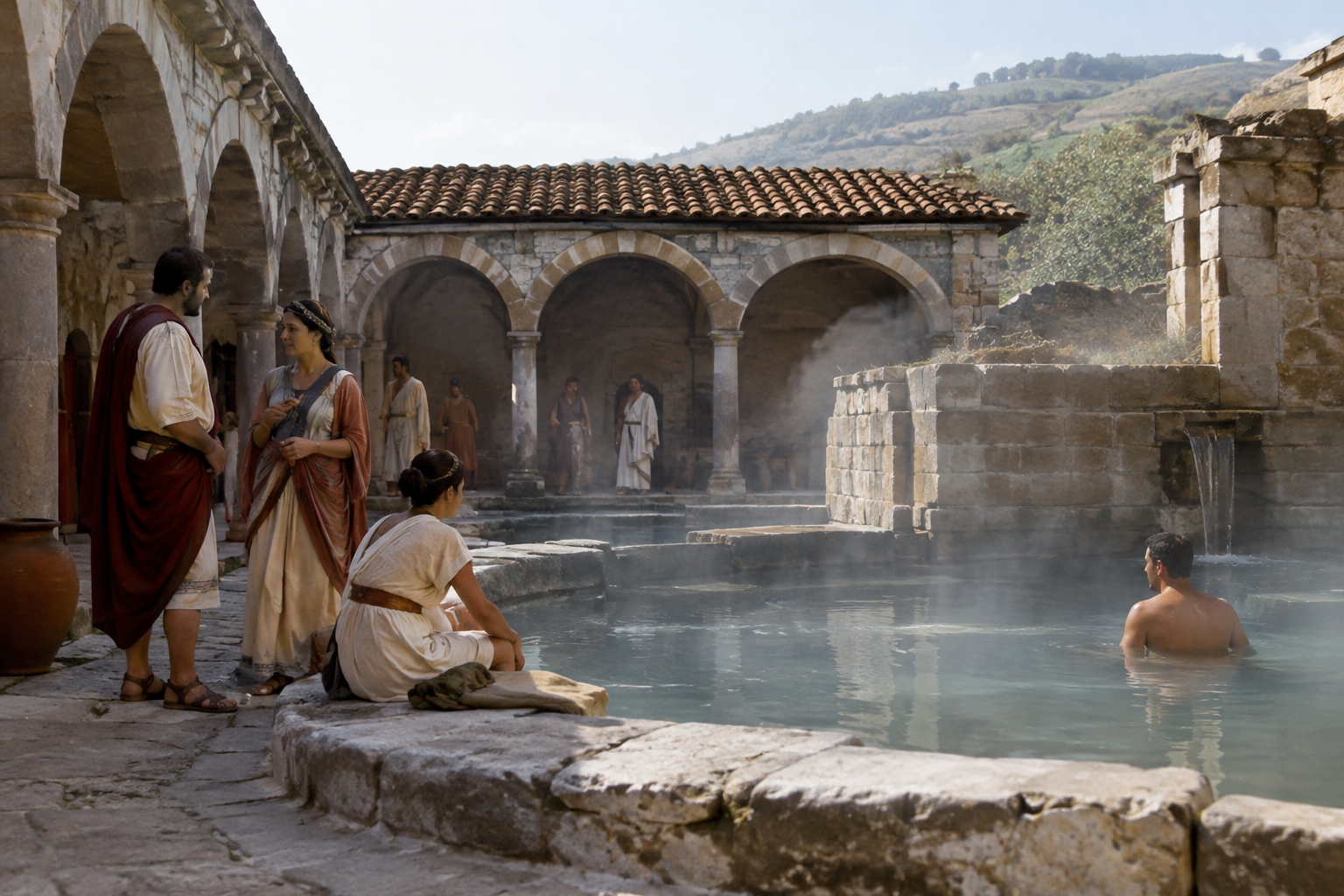
Farmers, foragers, and Neolithic change
If your paternal line falls under I2a1b1a1, the strongest supported takeaway from these ancient finds is continuity across change. The branch appears in men living in very different parts of prehistoric Europe, from tomb-building communities in Britain to late Neolithic Denmark and Bronze Age Sardinia. That does not pin your ancestry to one tribe, one kingdom, or one famous family. But it does place your direct paternal line in a deep European story, one that stayed present as populations mixed, monuments were built, and regional histories took sharply different paths.
Comments