Haplogroup I2a1a1a1a1

– 5 min read


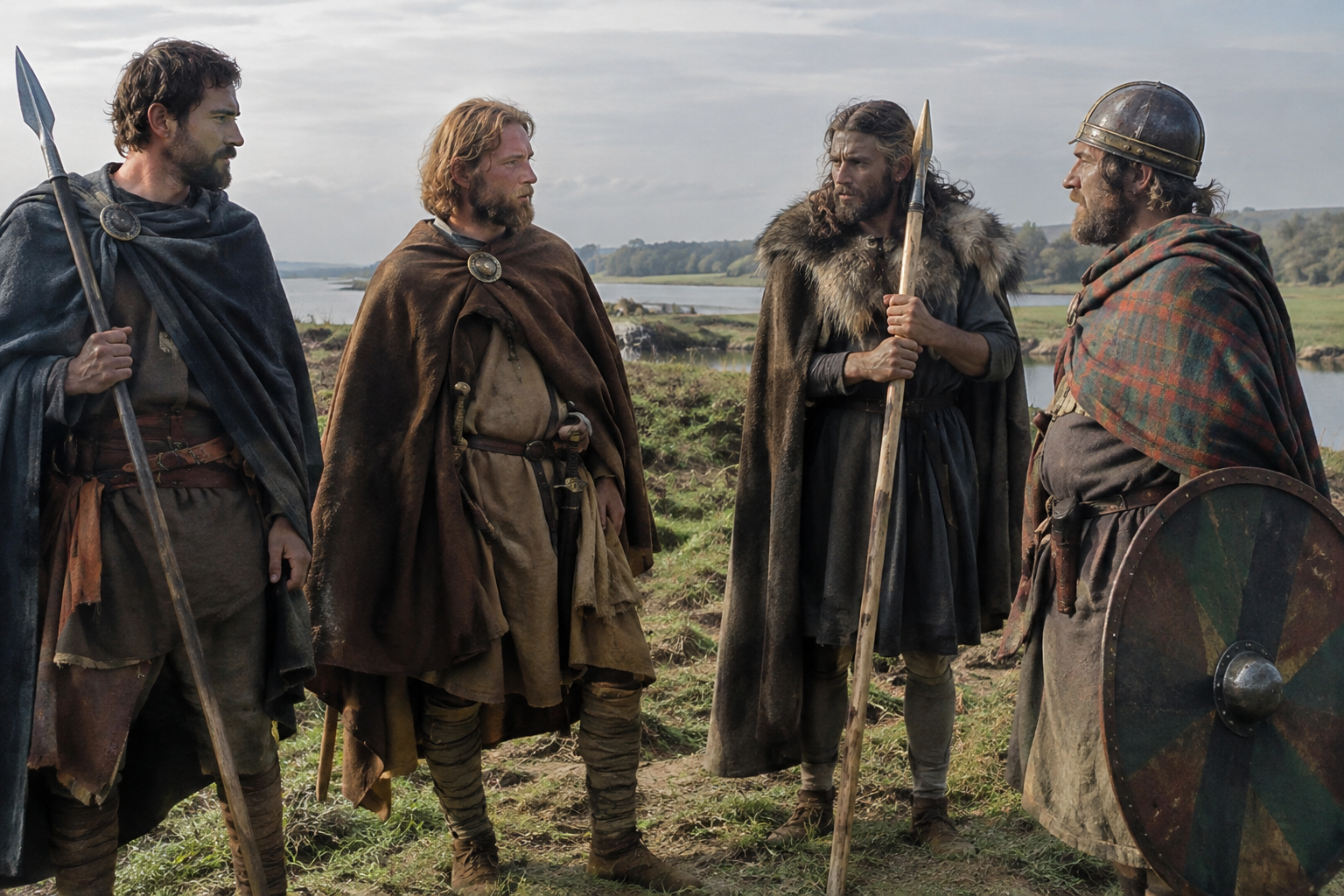
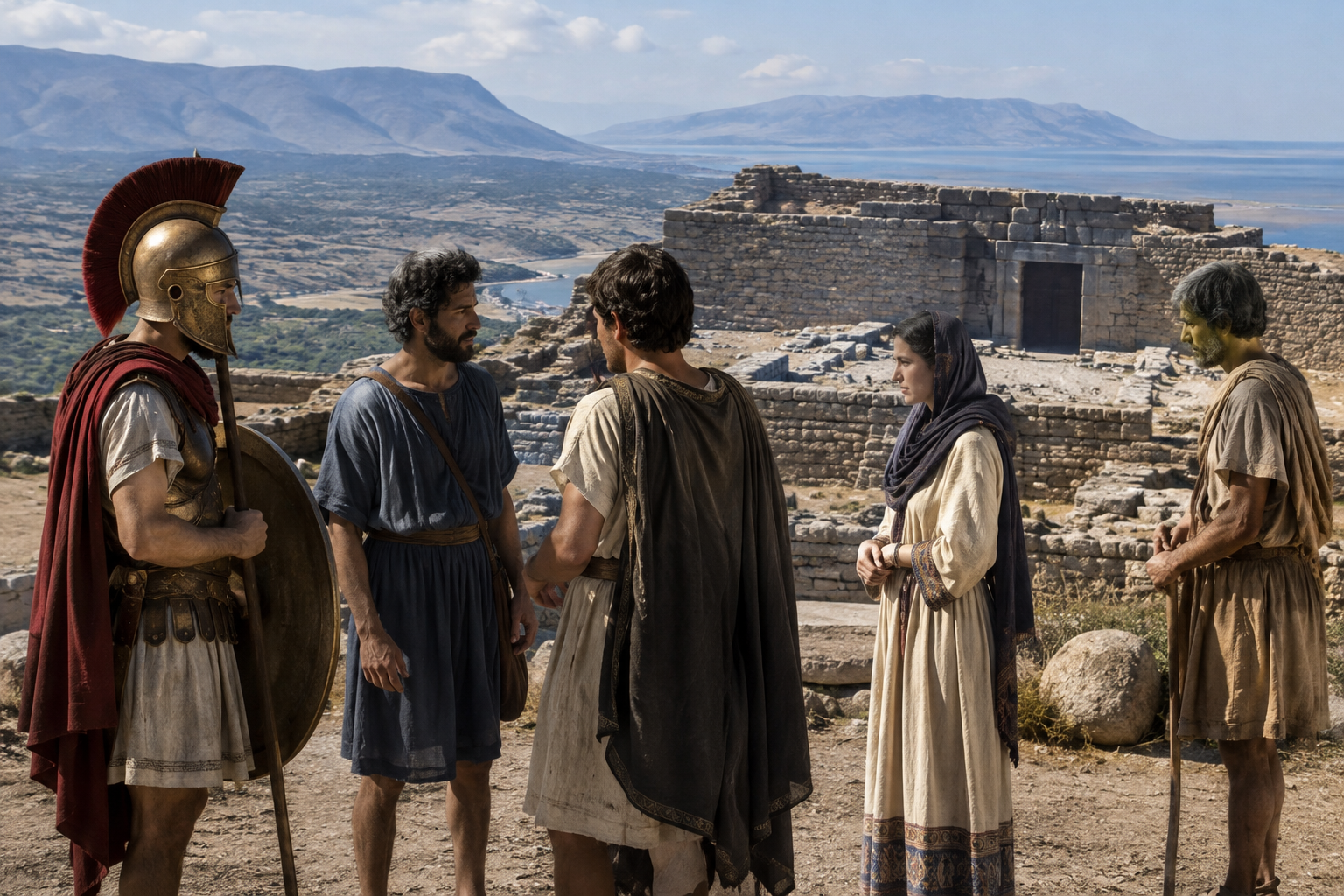
At Sarria de Ter, at Pla de lHorta near Girona, one man buried in the world of late Roman Spain has become a useful starting point for thinking about Y-DNA haplogroup I2a1a1a1a1. The sample is I13573, dated to around AD 400, and described as a Germanic-associated individual in Imperial Roman Spain. That combination is the interesting bit: not simply Spain, and not simply "Germanic", but a life placed in a province of the Roman Empire at exactly the sort of moment when armies, migrants, federates, and local communities were being folded into one another.
That does not mean one skeleton can stand for an entire people. Y-DNA follows one direct paternal line only. But when a branch like I2a1a1a1a1 appears in several ancient settings - Iron Age France, Iron Age Britain, Wielbark-period Pomerania, and late Roman Catalonia - it begins to look less like a neat ethnic badge and more like a durable European male lineage moving through very different archaeological worlds.
The Girona sample matters because northeastern Iberia in late antiquity was not a sealed box. It was tied to military roads, Mediterranean trade, and the political disruptions of the fourth and fifth centuries. In that setting, I13573 shows this paternal line in a region where Roman provincial life and incoming northern connections could overlap.
We should be careful with the label. "Germanic Imperial Roman Spain" is a historical and archaeological description, not a complete biography. It tells us that the individual was found in a context interpreted within the late Roman world and linked to broader movements often associated with Germanic groups. It does not, by itself, prove language, self-identity, or a simple origin story.
Still, the context is valuable. Research on population change in Roman and post-Roman Iberia has shown that the peninsula absorbed new ancestry streams while also preserving substantial local continuity. For readers interested in that broader setting, MyTrueAncestry has explored it in Roman Hispania's Lasting Genetic Legacy.
An ancient DNA study examining Iberian change across the Roman and migration-period centuries is available here: research on ancient Iberian populations. It is the larger regional picture, rather than one dramatic grave, that helps make sense of why a paternal lineage such as I2a1a1a1a1 might appear in late Roman Catalonia.
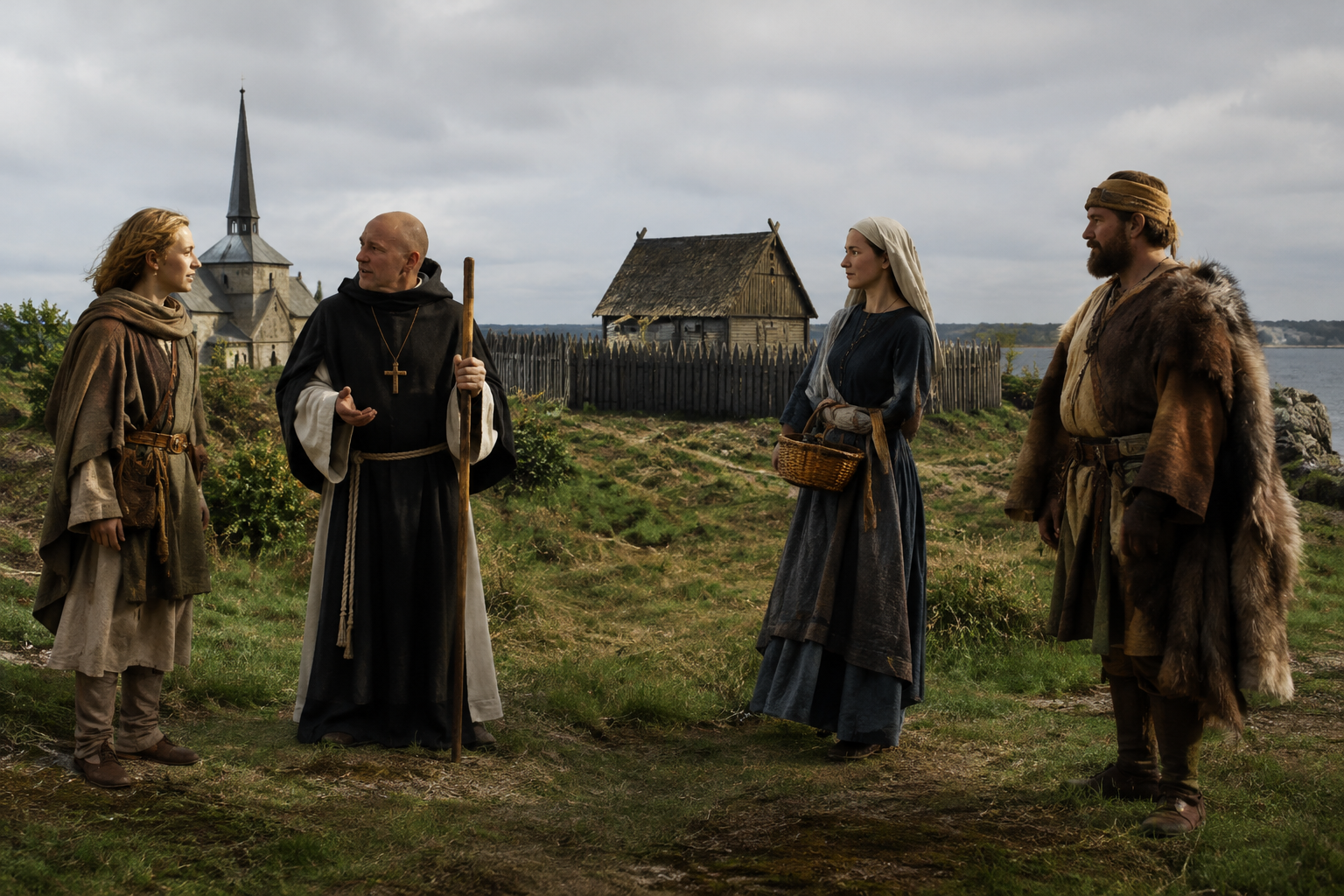
A second key appearance comes from much farther north: PCA0553, dated to around AD 200, from Czarnówko in Lebork County, Pomerania, in a Wielbark cultural context described here as Early Goth. This is a different archaeological world altogether from Roman Spain. Yet it places the same paternal branch, or an association with it, in the southern Baltic zone during the Roman Iron Age.
The Wielbark culture has long attracted attention because of its place in debates about Gothic history. Archaeologists, quite sensibly, have spent years warning against the old habit of treating material culture as an ethnic fingerprint. Ancient DNA has complicated the picture further. Communities linked to Goths or Gothic traditions were not genetically uniform, and their burial populations could include people of varied backgrounds.
That is precisely why PCA0553 is interesting. It does not "prove the Goths were I2a1a1a1a1". What it does show is that this lineage was present in one of the Baltic-zone communities later drawn into Gothic historical narratives. For that wider discussion of diversity in Gothic-associated cemeteries, see Ancient DNA Reveals Mixed Origins of Gothic Communities in Late Antique Bulgaria.
A landmark study on Iron Age and early medieval mobility around these northern European contexts is available at this ancient DNA research on population movements in Europe. It is useful not because it hands us simple tribal labels, but because it shows how mixed and mobile these societies could be.
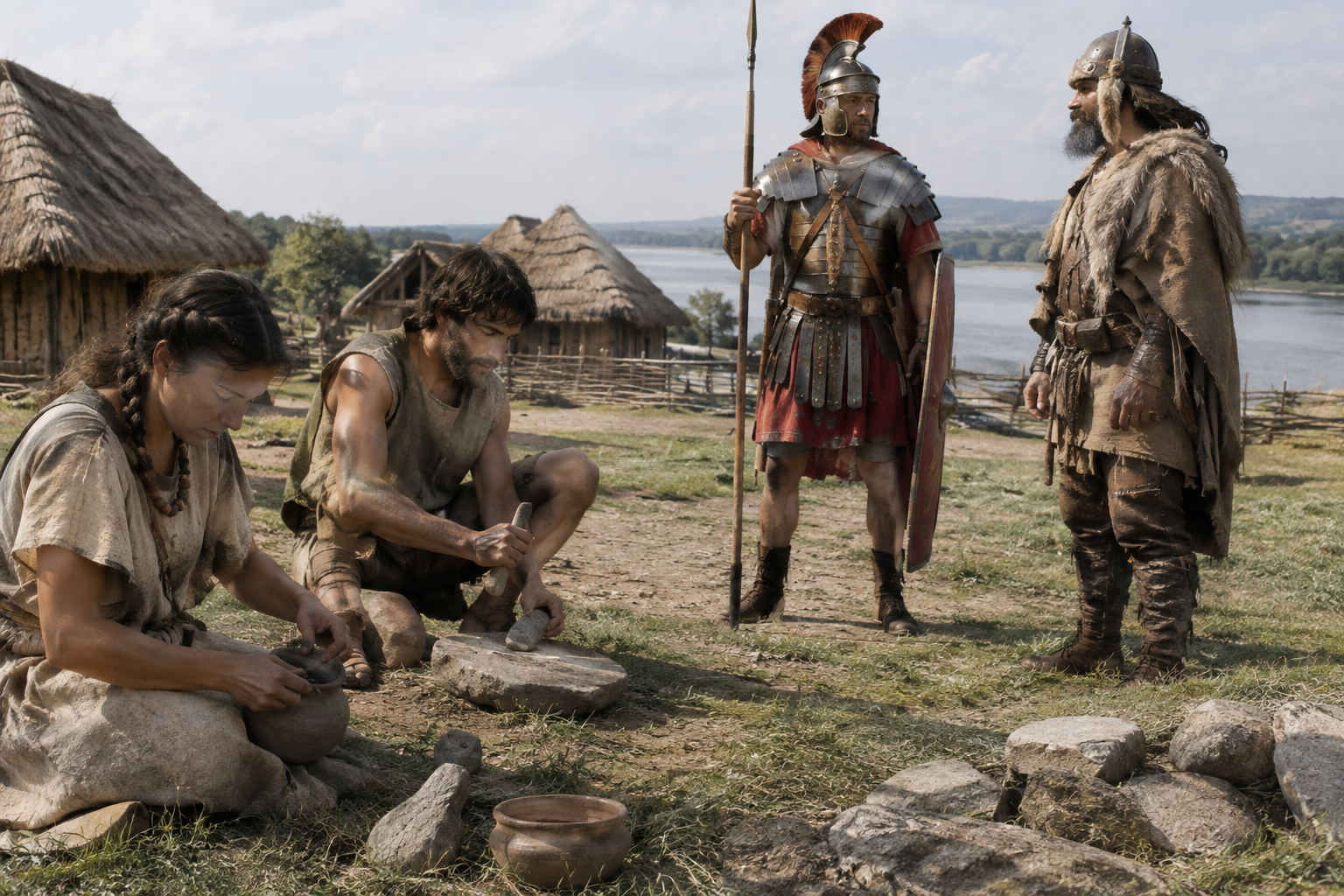
If we move back in time, the sample CGG023669 from Les Moidons in France, dated to about 350 BC, pushes the story of I2a1a1a1a1 into the Iron Age of temperate western Europe. It is described as a Belgic outlier, and that word "outlier" is worth noticing. It suggests that the genetic profile or archaeological interpretation did not sit tidily inside a single expected pattern.
That is a recurring theme in Iron Age Europe. People in the regions later described as Celtic or Belgic were not parts of a single biological block marching in lockstep across the map. Local populations, older lineages, and new movements all met there. A paternal lineage such as I2a1a1a1a1 may therefore represent persistence as much as migration.
In other words, this branch was not merely a late Roman or migration-period phenomenon carried by historically visible groups. It was already present in Iron Age western Europe centuries earlier. That matters because it warns us against reading the Catalonia or Pomerania evidence too narrowly. The lineage had a deeper western and central European footing than any one historical label can capture.
The fourth sample in this small but revealing set is I12791 from Greystones Farm, Gloucestershire, dated to around 100 BC. Here again, I2a1a1a1a1 appears in an Iron Age setting, this time in Britain. The site sits within a landscape that, by the late pre-Roman centuries, was connected to exchange networks across the Channel while still very much rooted in local traditions.
That is important for anyone tempted to force every Y-lineage into a single migratory episode. Greystones Farm suggests that this paternal branch could be part of Iron Age Britain before Rome, before Anglo-Saxon England, and before the Viking Age. In plain terms, it was already there.
MyTrueAncestry readers interested in kinship and population structure in British Iron Age burials may enjoy this related piece:
The contrast with Girona is rather good archaeology, really. In Britain around 100 BC and in Catalonia around AD 400, we are not looking at the same political world, the same language community, or the same social identity. Yet a direct paternal branch related to I2a1a1a1a1 turns up in both. That is exactly the sort of pattern ancient DNA is best at revealing: continuity of lineages across changing cultures, not the reduction of culture to genes.
On present evidence from these samples, I2a1a1a1a1 looks like a branch that belonged to the long-standing male population history of Europe, especially its western and north-central zones, and that continued to surface in very different settings over many centuries. The four examples here do not give us a single homeland or one dramatic migration trail. They give us something more historically convincing: endurance, regional spread, and repeated incorporation into new societies.
That includes at least three distinct archaeological frames. First, Iron Age western Europe, represented by Les Moidons and Greystones Farm. Second, the Baltic-connected Wielbark world of Pomerania. Third, the late Roman province of northeastern Iberia. The branch therefore appears not as the property of one tribe or kingdom, but as part of the underlying paternal fabric from which later historical populations were assembled.
Readers following wider questions of Roman-era mobility in Iberia may also want to compare this with another case study from the peninsula:
The most distinctive thing about haplogroup I2a1a1a1a1 in this evidence is not royal glamour or a single famous migration. It is its ability to appear, quietly but consistently, in several different parts of Europe across more than half a millennium: Iron Age France, Iron Age Britain, Roman-period Pomerania, and late Roman Spain. For someone researching this paternal line today, that does not promise descent from Goths, Celts, or any one named people. It does suggest that your direct male line may belong to an old and adaptable European branch that persisted through major cultural changes and turned up in communities that were anything but isolated.
Comments