Haplogroup I1a3a1a2a1b1

– 5 min read


At Maslomecz in eastern Poland, archaeologists uncovered burials linked to the Wielbark cultural horizon, a landscape often discussed in connection with Gothic movements in Late Iron Age Barbaricum. One of the individuals from this world, sample PL071, dated here to around AD 250, matters because he anchors the Y-DNA haplogroup I1a3a1a2a1b1 in a very specific historical setting: not in saga, not in legend, but in a cemetery used by a community living on Rome's northern margins.
That is already worth pausing over. Y-DNA traces one direct paternal line only, not a person's whole ancestry, yet such lines can be remarkably useful when they appear in excavated contexts with dates and places. In this case, the branch I1a3a1a2a1b1 is associated in the evidence here with two late ancient settings: a Gothic-period context at Maslomecz, and a later individual from Viminacium in Roman Moesia, sample VIM5, around AD 400. Together they place this paternal line in the turbulent corridor between the north European frontier world and the late Roman Balkans.
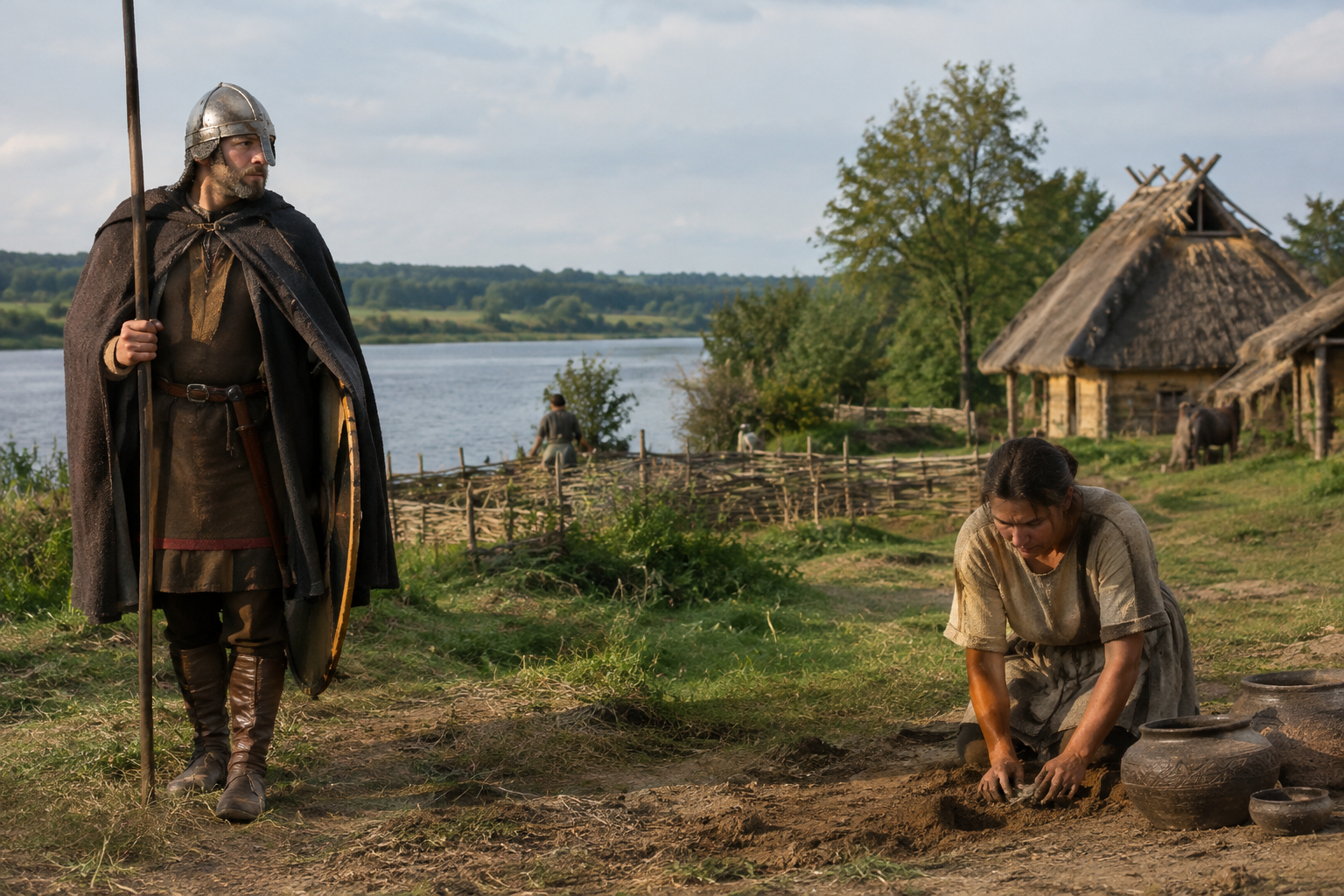
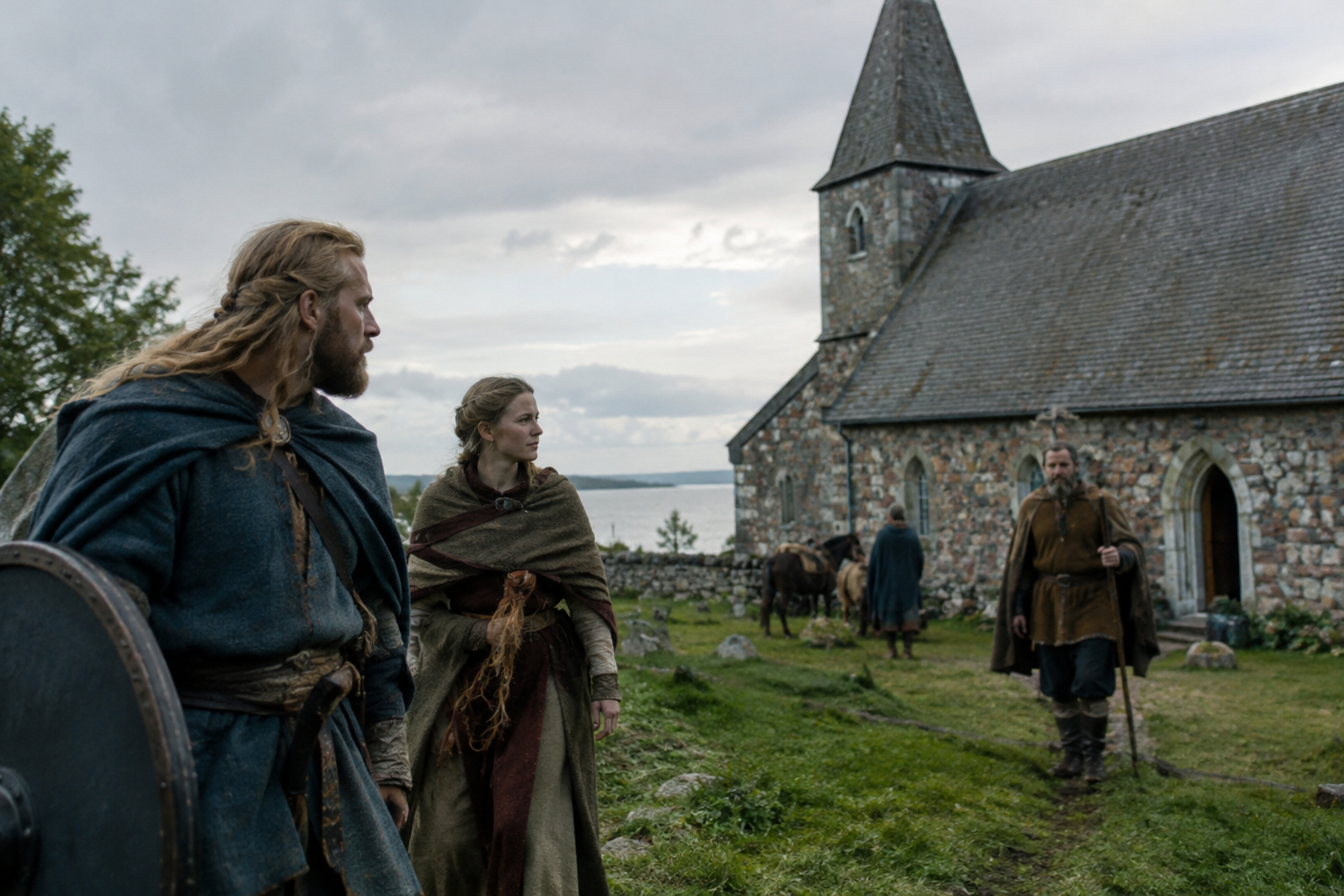
Maslomecz is important precisely because it has become one of the clearest archaeological windows into communities conventionally described as Gothic in eastern Poland. The cemetery belongs to a frontierless zone beyond Roman rule, yet it was hardly isolated. Goods, styles, and people moved through it, and the historical interest of the site lies in that mixture of local life and wider connections.
Sample PL071, identified in the material here as a Gothic Tribe Poland Maslomecz Wielbark individual around AD 250, sits inside that wider debate. The key point is not that one skeleton can stand for all Goths; it cannot. The key point is that a paternal line associated with I1a3a1a2a1b1 turns up in a cemetery tied to a community long discussed as part of the Gothic cultural sphere.
An older archaeological discussion of Maslomecz, including an unusual burial from the cemetery, can be found in this research publication. Even without overloading the genetic claim, the site helps us see the kind of world in which such a lineage was living: a socially varied, culturally connected, and historically mobile community rather than a sealed tribal bloc.
That broader picture fits well with recent archaeogenetic work on Gothic-associated groups, which increasingly shows diversity rather than a neat ethnic package. So if I1a3a1a2a1b1 appears here, the sensible reading is not "this is the Gothic haplogroup," but rather that this branch formed part of the paternal landscape of at least one community moving in that historical orbit.
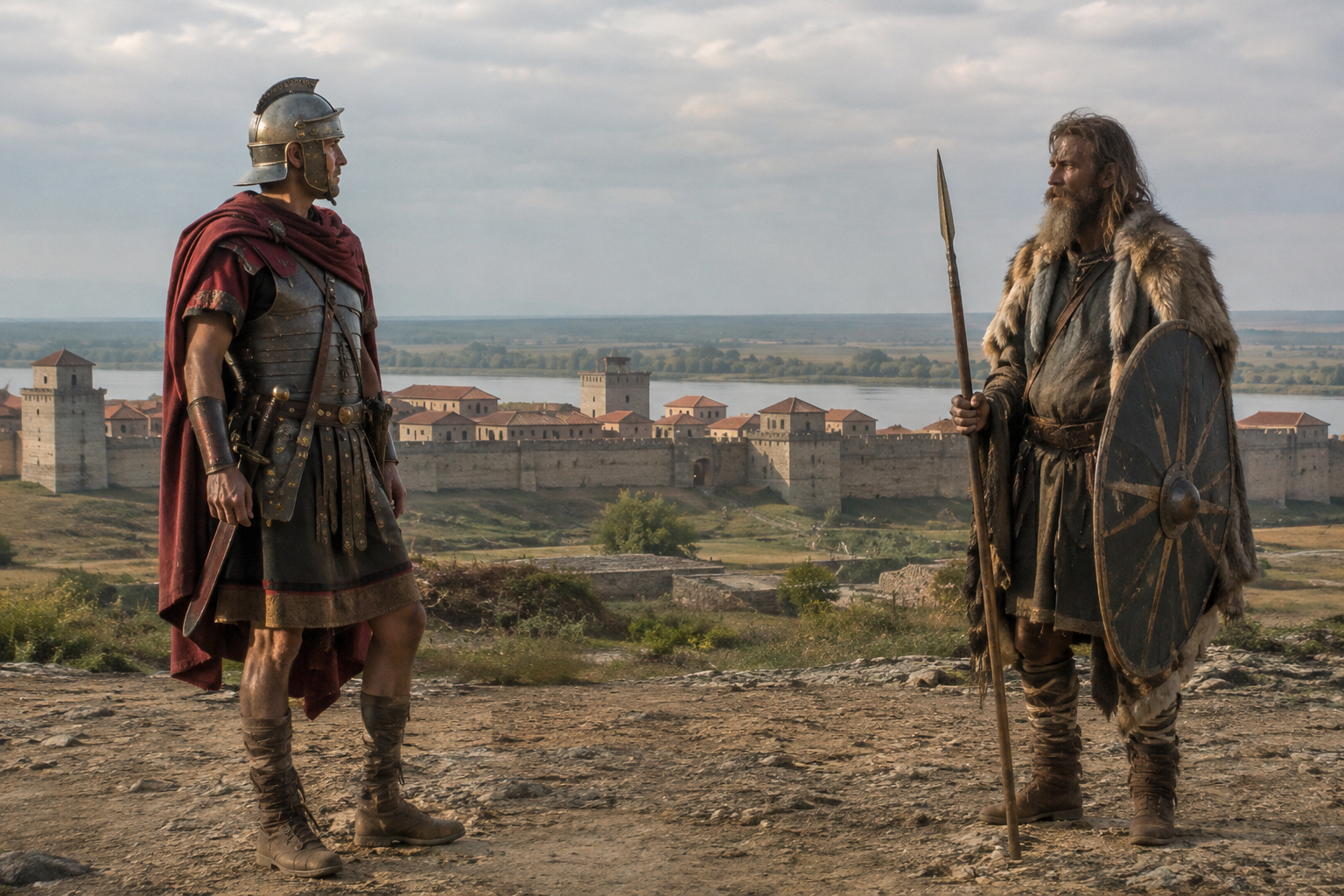
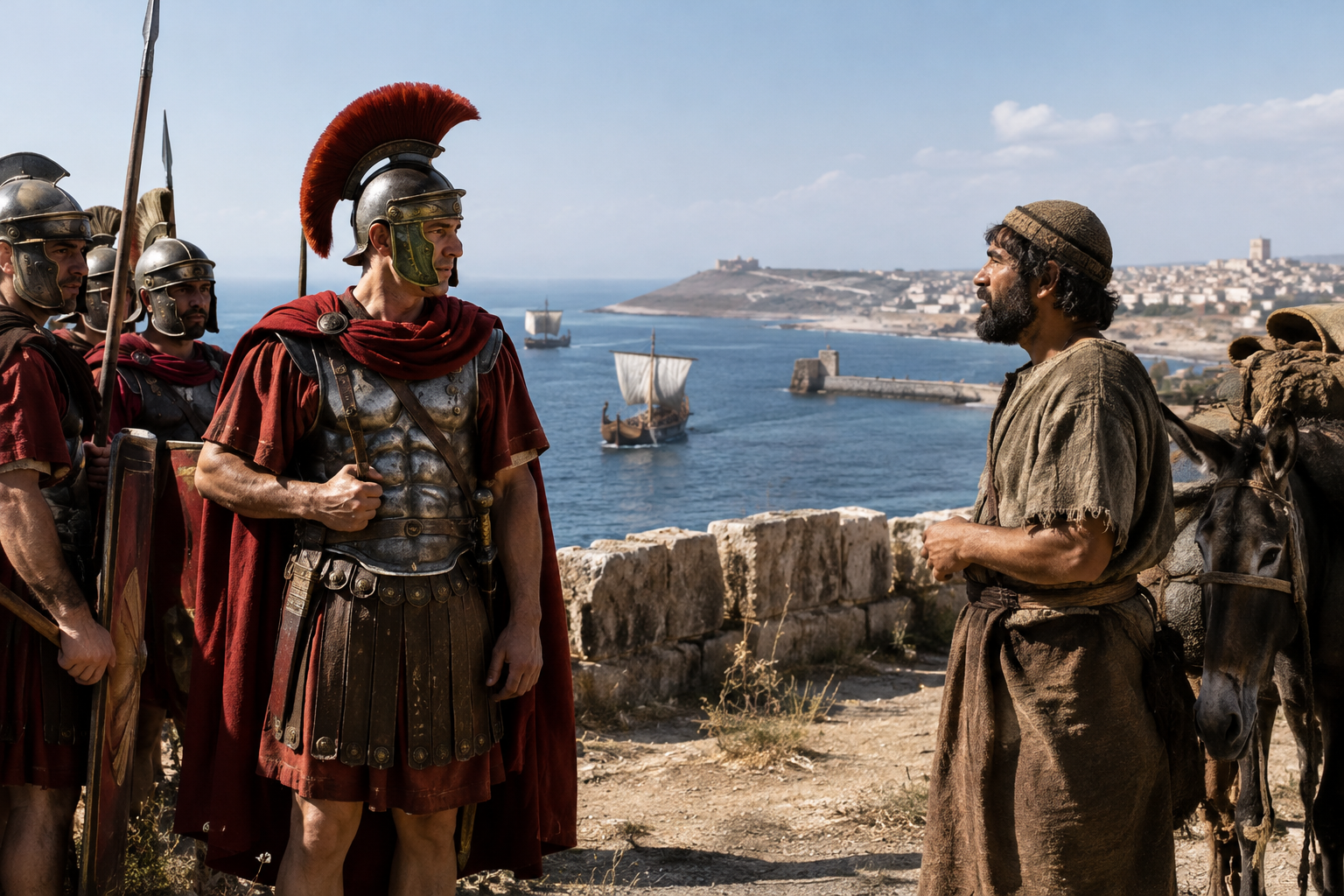
The second sample, VIM5, comes from Viminacium in Moesia, in present-day Serbia, around AD 400. Viminacium was no obscure outpost. It was one of the major urban and military centers on the middle Danube, a place where imperial administration, trade, soldiers, migrants, and raiders all brushed against one another.
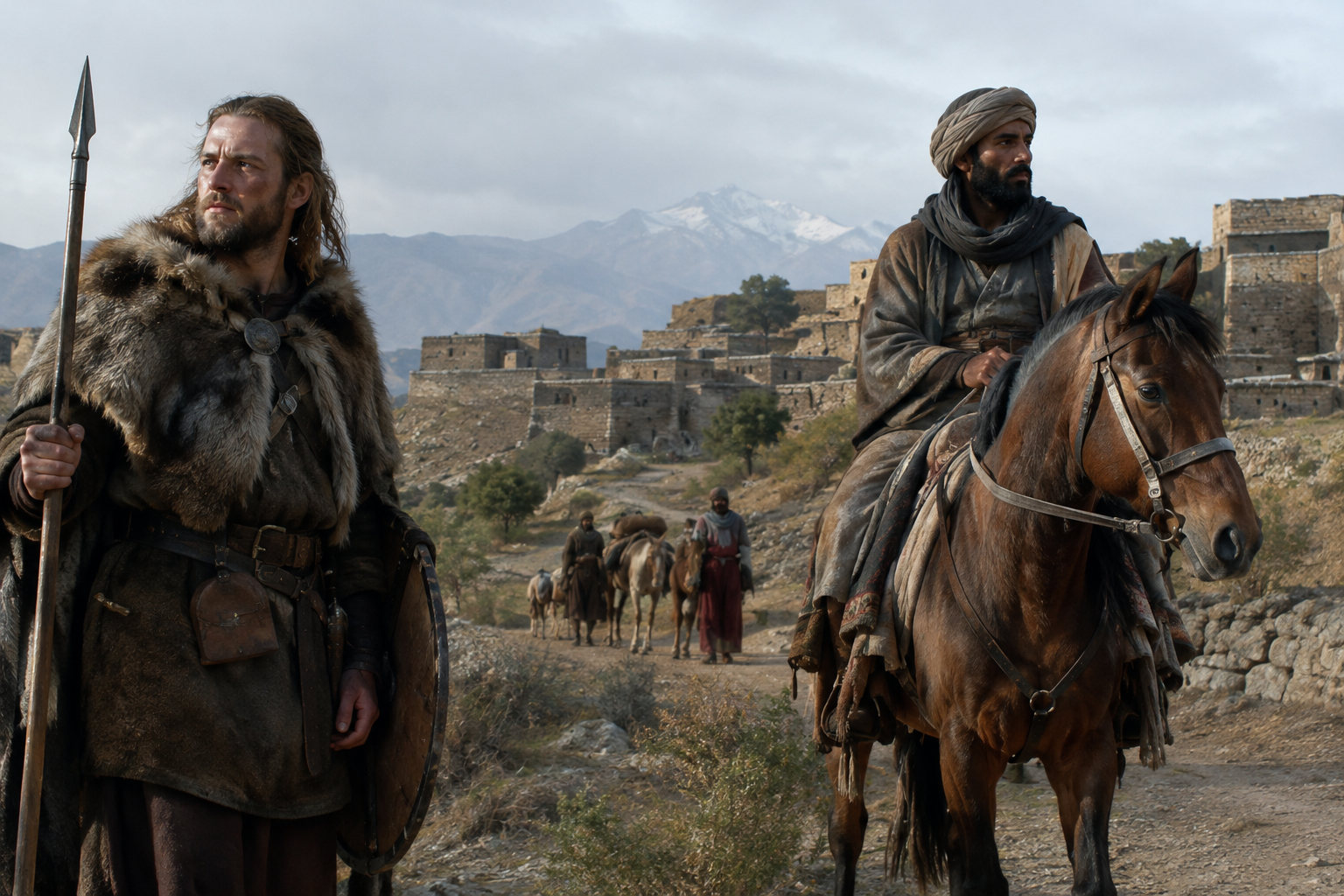
By the fourth and early fifth centuries AD, this was a region under immense pressure. Gothic groups, imperial armies, provincial populations, and other mobile communities all interacted across the Balkans and Danube frontier. If a paternal line like I1a3a1a2a1b1 appears both in a Gothic-associated setting in Poland and later in a Roman city on the Danube, that does not prove a single family journey - but it does place the lineage squarely within the human traffic of the late Roman world.
Research published on ancient individuals from Viminacium and related regional contexts has helped transform our picture of the Balkans in late antiquity, showing just how mixed these frontier populations could be. One such study is available here: https://www.nature.com/articles/s41586-026-10437-3. The larger lesson is that border cities were not passive victims of migration-period history; they were active contact zones where lineages, languages, and loyalties could overlap in complicated ways.
The haplogroup in this article, I1a3a1a2a1b1, is a narrow paternal branch within the wider Y-DNA family known as I1. That wider parent lineage is often associated with northern Europe in both ancient and modern genetic discussions, but it is important not to smuggle all of I1's long history into this much smaller sub-branch. The evidence here is more modest and more interesting: this specific line appears in late Iron Age and late Roman contexts tied to movement between the north and the Danube world.
That makes the branch historically suggestive. It points toward a paternal ancestry that was present among populations involved in the great reshuffling of Europe during the Roman imperial crisis and the migration period. The branch's value lies not in proving a named ethnicity, but in showing that one direct male line belonged to people living in exactly those zones where identities were being renegotiated - Gothic, provincial, military, local, migrant, and sometimes several of those things at once.
In other words, this is not a lineage trapped in one tidy homeland story. It appears in evidence from a cemetery beyond the Roman frontier and then in one of the empire's major Danubian centers. That is the kind of pattern archaeologists like because it matches the messiness of the historical record.
The geographical spread between Maslomecz and Viminacium is the real heart of the article. Eastern Poland around AD 250 and Moesia around AD 400 are not random dots on a map. They belong to a connected arc of interaction that shaped late Roman Europe, especially as groups associated with the Wielbark and later Chernyakhov horizons became entangled with imperial politics and warfare.
We should be careful with labels here. Archaeology can identify cultural assemblages and burial landscapes; genetics can identify ancestry patterns and paternal lines; texts give us names like Goths. Those categories overlap, but they are not identical. Still, the recurrence of this branch in two historically charged settings suggests that I1a3a1a2a1b1 belonged to men living within the north-to-south networks that fed people into the Danubian frontier.
That is also why the Danube matters so much. It was not simply a line dividing Romans from barbarians. It was a zone of recruitment, resettlement, negotiation, war, and adaptation. A lineage found on both sides of that world reminds us that male lines could move through very different political environments while remaining biologically continuous.
With only two ancient sample references in hand, the temptation would be to inflate them into a grand march across Europe. Better not to. Their value lies in being concrete and historically legible. PL071 gives us a late Iron Age cemetery setting associated with Gothic-period eastern Poland. VIM5 gives us a late Roman urban frontier setting in the Balkans. That is enough to say something careful and useful.
It suggests that the paternal branch I1a3a1a2a1b1 was present among populations entangled in the Gothic-Roman frontier world from roughly the third to the fifth century AD. It does not identify a royal house, a single tribe in the timeless sense, or a direct ancestor-descendant chain between the two men. What it does give is a plausible historical theater for the lineage: the broad migration-age zone linking northern and central Europe to the Danube.
For someone researching I1a3a1a2a1b1 today, the most distinctive insight is not a promise of famous descent, but a glimpse of historical setting. This branch is tied here to men who lived in the era when communities on Rome's northern and Balkan frontiers were being reorganized by mobility, military service, and cultural mixing. If your paternal line falls here, the evidence points toward a deep connection with that late ancient northern and Danubian world - a world less of fixed ethnic boxes than of people on the move.
Comments