Haplogroup J1b

– 5 min read


At Deersheim in Saxony-Anhalt, one man from around AD 500 has become a small but intriguing signpost for haplogroup J1b. He is recorded as sample DRH043, from Migration Period Germany. On its face that is a modest fact: a Y-chromosome assignment, a place, a date. Yet in early medieval Europe, where communities were being reorganized after Roman rule and where burial grounds often reveal mixed local and incoming ancestries, even a single paternal line can tell us that the old map of Europe was never as tidy as later origin stories liked to pretend.
J1 is a wider Y-DNA lineage with a long history across parts of West Asia and neighboring regions, but J1b is the more specific branch under discussion here. Y-DNA traces one direct paternal line only, not a person's whole ancestry, language, or identity. What makes J1b interesting in this case is not some grand claim of a single migration, but the way it appears in two very different archaeological settings: one in post-Roman central Europe, another in medieval Barikot in the Swat region, centuries later and far to the east.
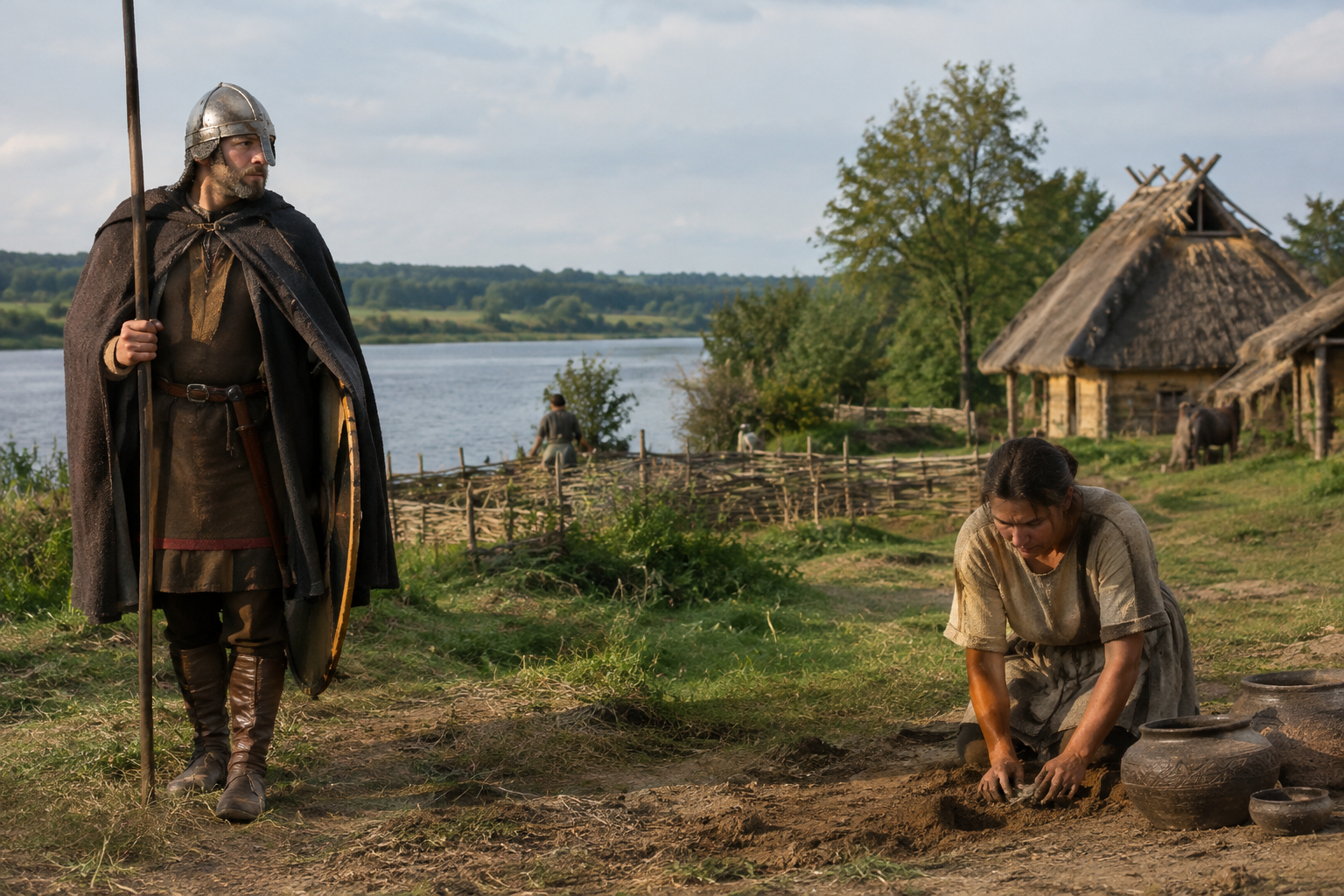
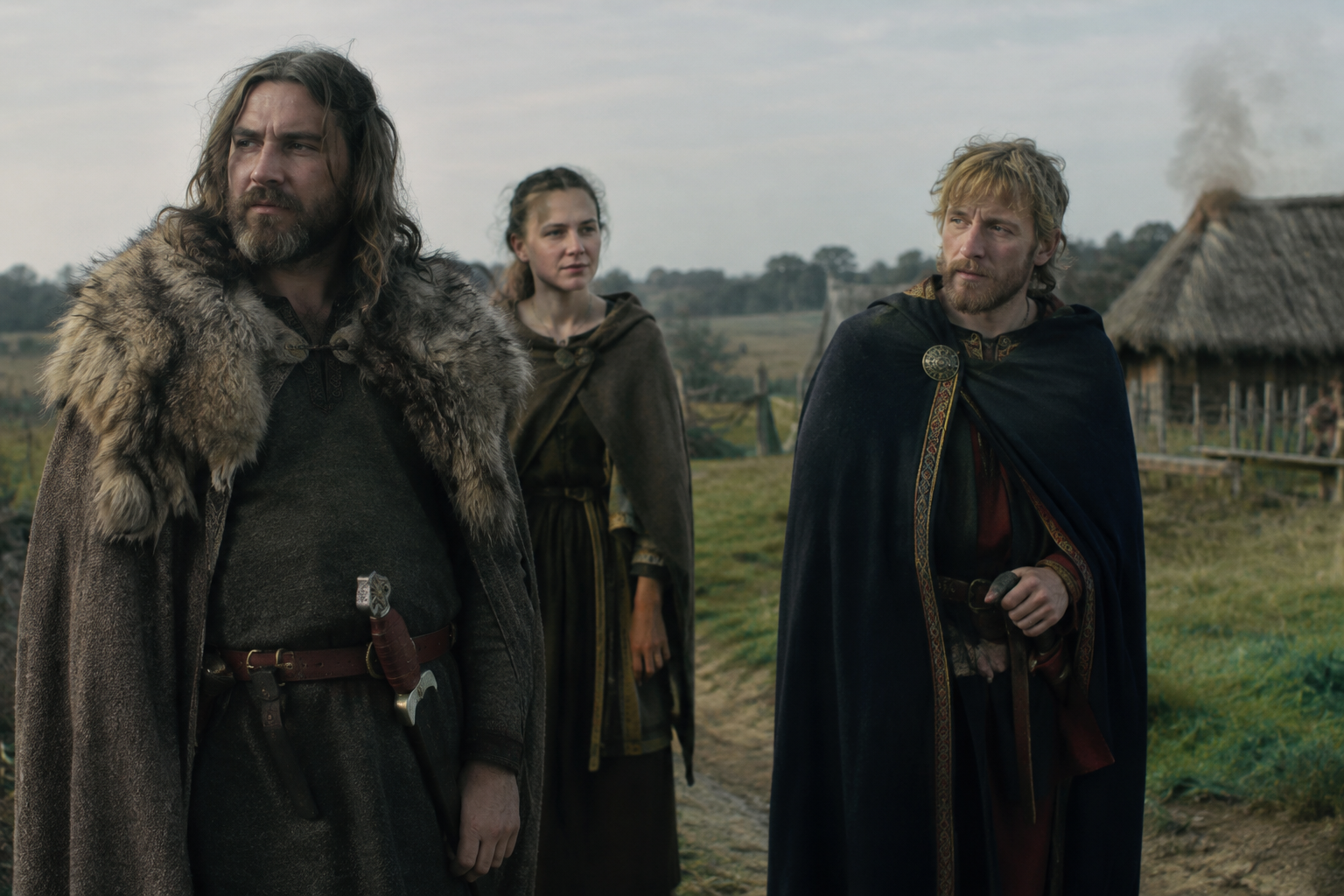
Sample DRH043 comes from Roman Deersheim in Saxony-Anhalt and is dated here to about AD 500. That places him in the unsettled centuries after the Western Roman Empire's political collapse, when the frontier zones and former imperial provinces were full of movement, re-settlement, and cultural overlap. Burial grounds from this period rarely belong to neatly bounded "peoples" in the old textbook sense; they belong to communities making lives in a changed political landscape.
That matters for J1b. A paternal lineage like this appearing in Migration Period Germany is a reminder that central Europe at the time included men whose deep paternal origins did not fit a simple north-central European stereotype. That does not automatically identify DRH043 as a migrant born elsewhere, nor does it assign him to any named tribe. But it does fit a broader archaeological picture in which the late Roman and post-Roman frontier world drew in people and lineages from multiple directions.
A recent ancient-DNA project associated with these early medieval remains can be followed through the European Nucleotide Archive project page here: https://www.ebi.ac.uk/ena/browser/view/PRJEB81250. Used cautiously, that wider research context helps place individuals like DRH043 inside a genuinely mixed historical world rather than inside the older fantasy of sealed ethnic blocks.
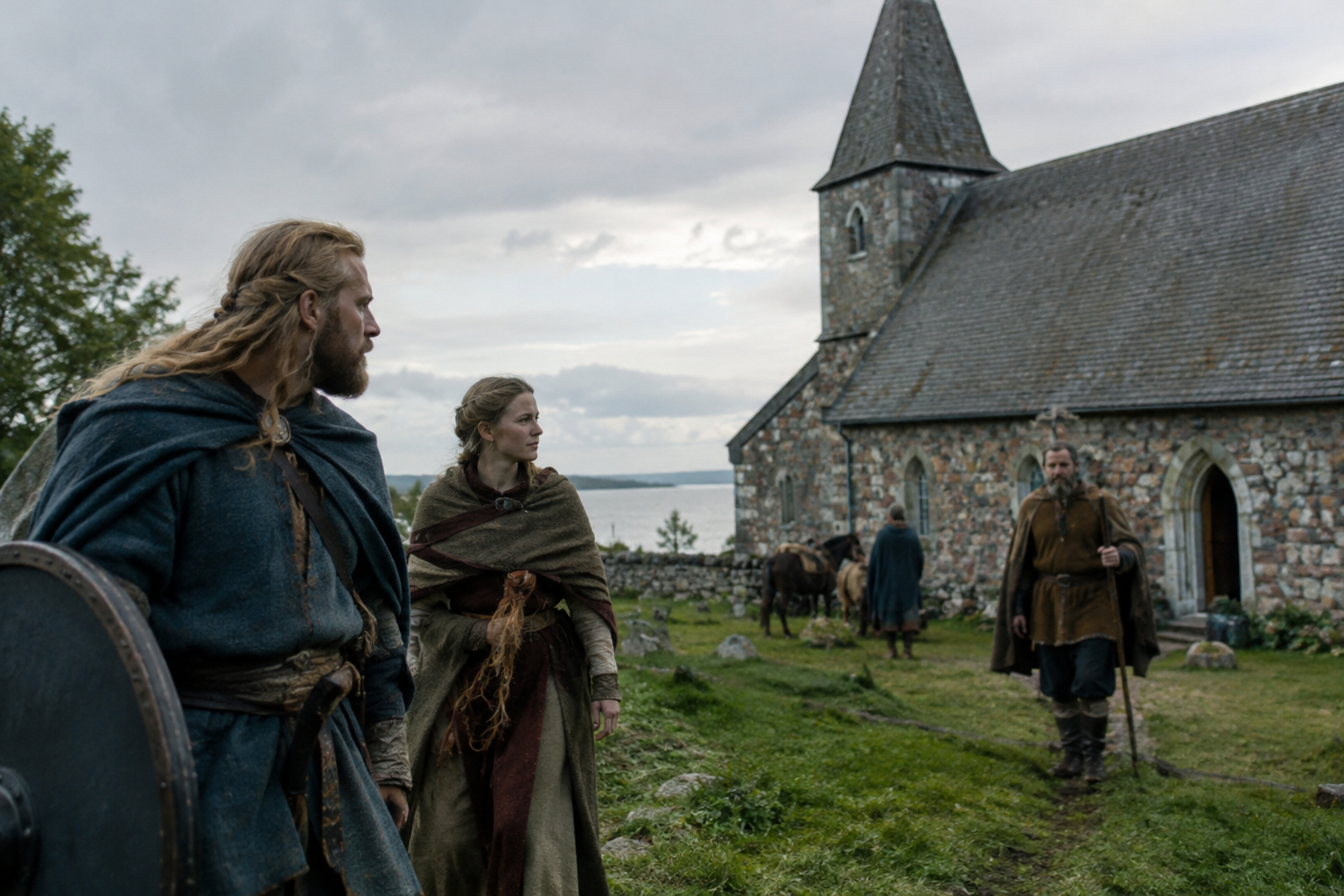
German frontier blending, 400-700 CE
There is a temptation, whenever a lineage more familiar from one broad region appears in another, to turn it instantly into a migration tale with arrows across a map. Historians and archaeologists have learned to be more careful than that. A J1b line in Germany around AD 500 might reflect recent mobility, older movements already absorbed into provincial populations, military service under Rome, marriage networks, or other forms of contact that leave little trace in written sources.
This is one of the virtues of ancient DNA when used properly: it does not flatten the past, it complicates it. A burial ground may look "local" in its archaeology while containing a startling range of ancestry profiles and paternal lines. For those exploring J1b today, DRH043 is therefore valuable not because he proves a single origin story, but because he places this branch inside the lived reality of post-Roman Europe.
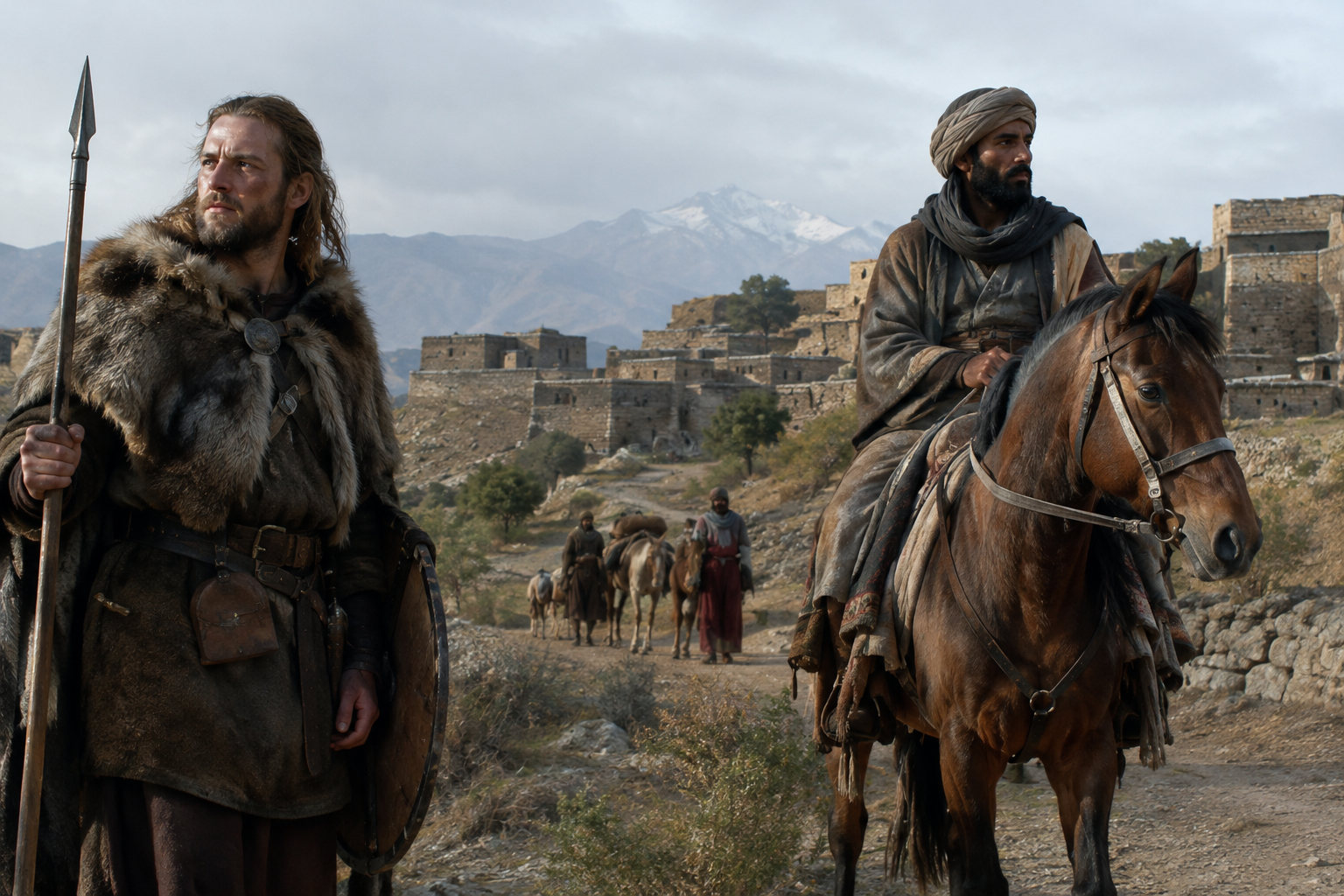
The second ancient individual linked here is I7715, from Medieval Barikot, dated to about AD 1340. Barikot, in the Swat valley of present-day Pakistan, is one of those places where archaeology constantly reminds us how artificial our modern boundaries can be. This was a landscape shaped over many centuries by South Asian, Iranian, Central Asian, and Hellenistic connections, with long-distance routes passing through mountain corridors and urban settlements alike.
In that setting, a J1b paternal line is not inherently surprising, but it is historically useful. It shows the branch in a medieval population far from the German evidence, and in a region long connected to wider exchange networks. Again, caution is essential: one man's Y-DNA does not define Barikot, medieval Swat, or any language community there. But together with the German sample, it underlines that J1b belongs to a broad zone of historical connectivity stretching across western and southern Eurasia rather than to a single modern nation or identity.
Barikot is especially interesting because it is not merely a point on a trade map. It was an inhabited place with deep stratigraphy, the sort of site where long continuity and periodic influx can sit side by side. A medieval J1b lineage there may reflect local continuity, regional movement, or the legacy of much older interactions across the Hindu Kush and adjoining cultural worlds. The honest answer is that the sample invites these questions more than it settles them.
Ancient DNA from Kashmir and nearby regions
Put DRH043 and I7715 side by side and the first thing to say is that they do not form a tidy chain of descent. They are separated by roughly eight centuries and by a vast geographical distance. No responsible historian would draw a direct genealogical line between them. But their value lies elsewhere: they show J1b appearing in two regions tied, in different ways, into the connective tissue of the premodern Old World.
That is where archaeology helps more than romantic storytelling. Germany around AD 500 was bound up with the remains of Roman institutions, frontier service, mobility, and re-formed communities. Swat around AD 1340 stood within a zone shaped by mountain passageways, local states, trade, and long cultural entanglement. J1b in both contexts suggests not a marching tribe but a paternal branch capable of turning up wherever people, families, and historical networks had carried it.
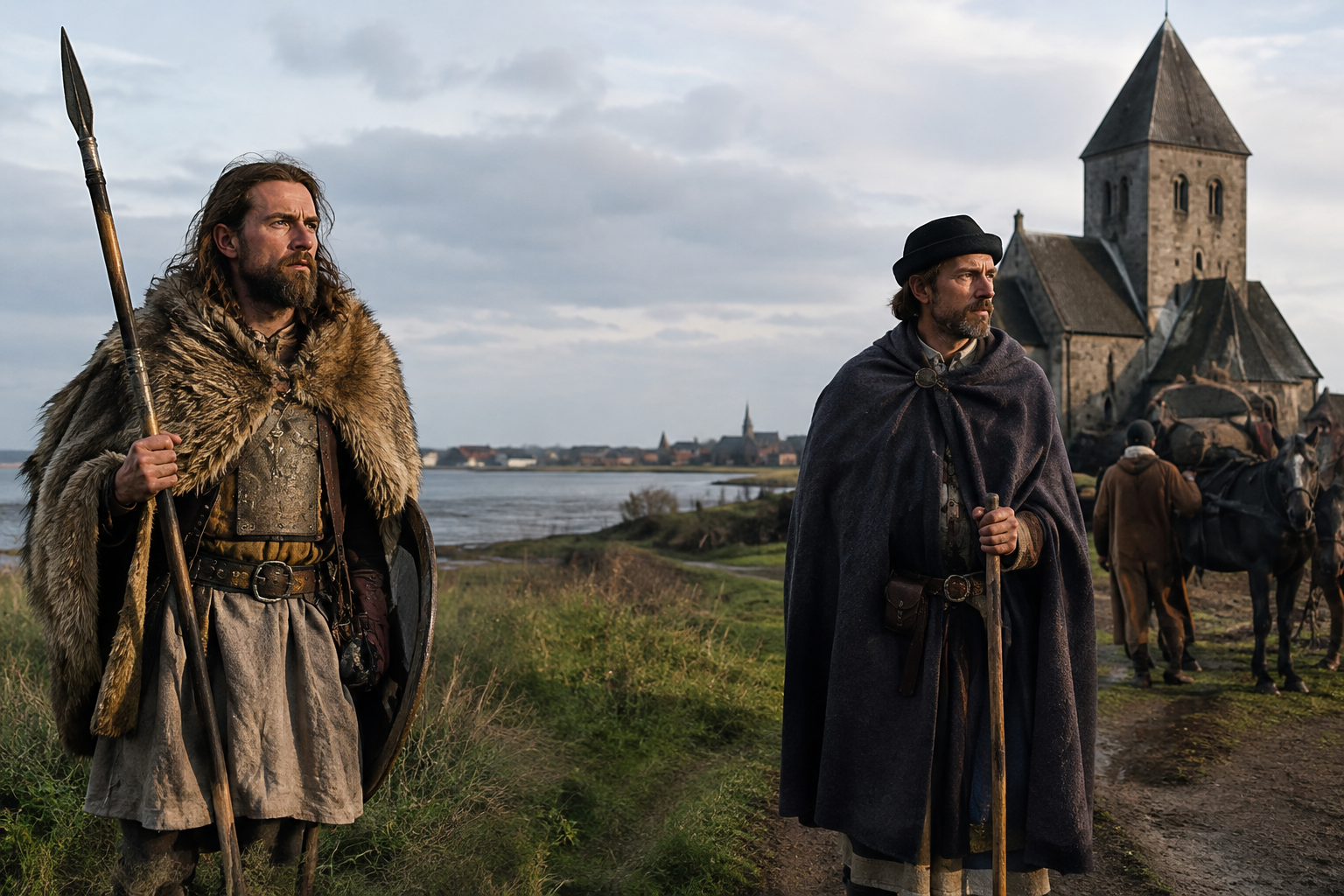
For readers interested in how ancient DNA keeps revising older ideas of simple regional ancestry, there is a useful parallel in work on mixed burial communities elsewhere in Europe, including this ancient DNA research preprint on diverse origins in an early medieval setting. The broader lesson is familiar now: cultural labels, burial customs, and paternal haplogroups do not line up in one neat column.
Diverse origins in 7th-century Madrid
Some haplogroups appear in ancient DNA so frequently that each new example simply thickens an already familiar pattern. J1b is more interesting precisely because it appears here in small, pointed glimpses. It turns up in a Migration Period burial in central Europe and in a medieval individual from the Swat region, asking us to think about paternal history at the scale of routes, contacts, and long-term population mixture.
That also makes J1b a useful corrective to crude ideas about purity or permanence. The early medieval cemeteries of Europe were not occupied by genetically uniform peoples, and the urban and semi-urban worlds of South and Central Asia were no less complex. A paternal line could persist, move, fragment, and reappear in places whose written histories were composed in very different languages and political traditions.
Ancient DNA and Eurasian migrations
For someone who carries Y-DNA haplogroup J1b today, the safest and most interesting conclusion is that this paternal line has participated in the deep connected history of Eurasia for a very long time. The ancient evidence here does not point to one single homeland story, still less to a famous dynasty. What it does show is a branch present in both post-Roman Germany and medieval Swat, two worlds linked not by mythic continuity but by the ordinary historical realities of mobility, settlement, and mixture.
That is often the most revealing thing ancient DNA can offer: not a coat of arms, but a place in the real human untidiness of the past.

Comments