Haplogroup R1a1a1a1d2b

– 4 min read


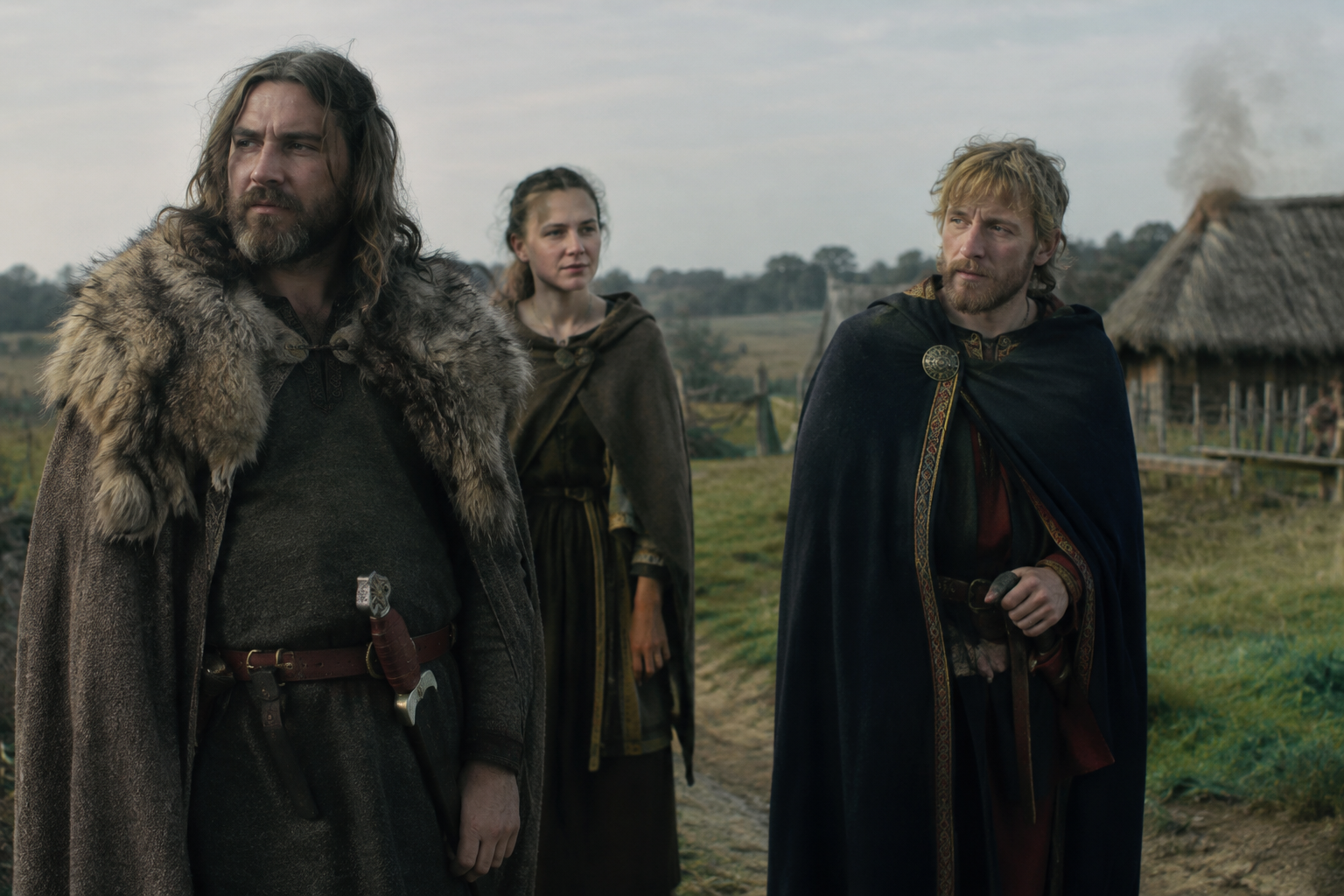
At Deersheim in Saxony-Anhalt, one early medieval burial has become unexpectedly useful for the history of Y-DNA R1a1a1a1d2b. The individual labelled DRH031, dated to around AD 500 and associated with the Thuringii region of central Germany, belongs to the unsettled centuries after Rome's western empire had fractured. This is exactly the sort of moment when archaeology and genetics are most revealing: not because they give us a neat tribal badge, but because they show how paternal lines persisted through political upheaval.
That matters here because R1a1a1a1d2b is a very specific branch within the much wider R1a family. Y-DNA tracks one direct paternal line only, not a person's whole ancestry, culture, or language. Even so, when the same narrow branch appears in more than one early medieval German context, it gives us a grounded way to talk about male-line continuity and movement in the centuries between the end of Roman rule and the making of new European kingdoms.
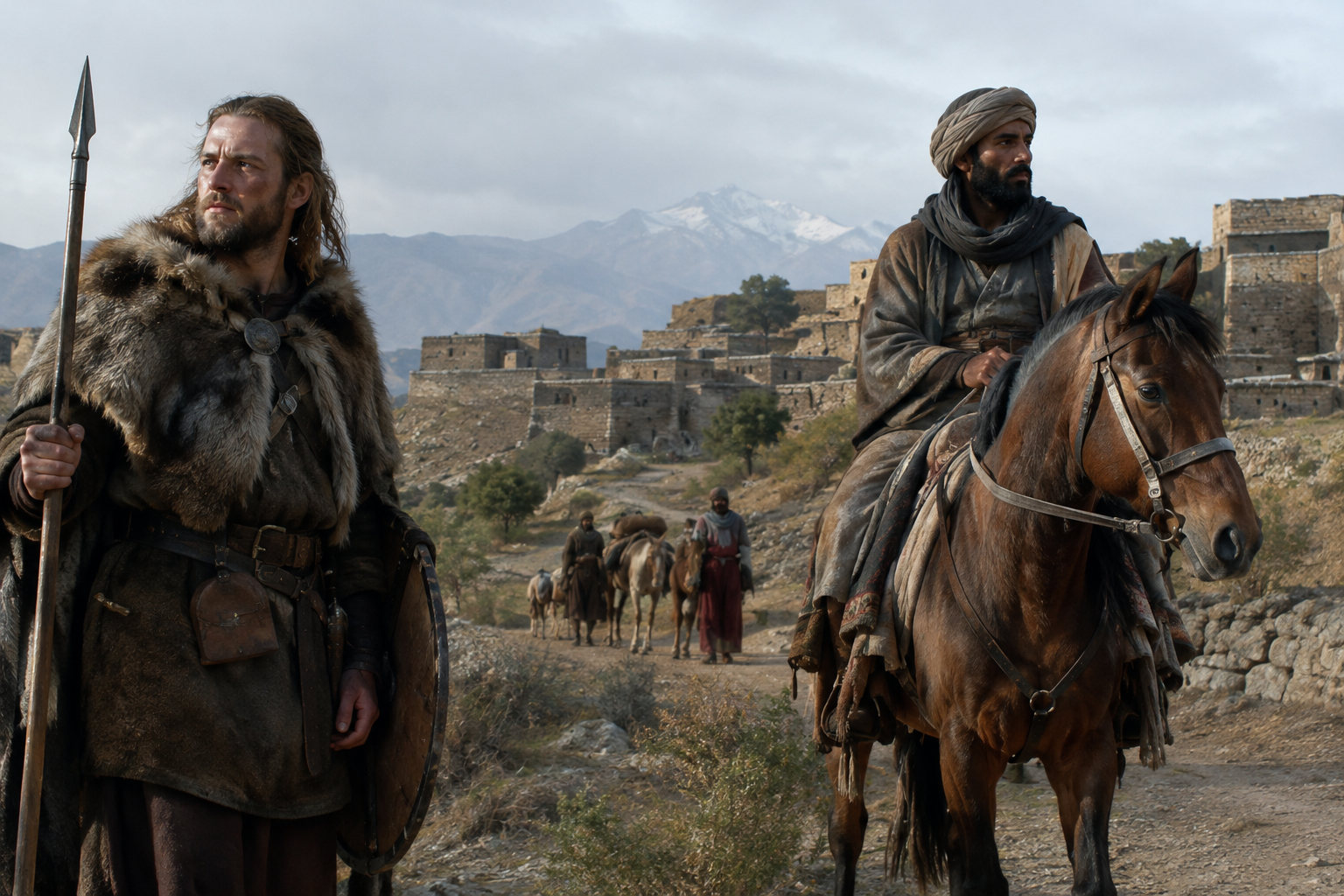
Deersheim sits in a landscape that, in the fifth and sixth centuries, was part of a changing frontier zone. Roman political power had retreated, but the old imperial world had hardly vanished overnight. Communities in central Germany were living through shifting alliances, new elites, and the gradual formation of the polities later described in written sources as Thuringian, Frankish, Saxon, and others.
Within that setting, DRH031 is valuable precisely because the evidence is so concrete: a real excavated person, from a real place, at the threshold of the early medieval world. The sample's association with R1a1a1a1d2b does not make him "a Thuringian haplogroup" in any simplistic sense, but it does place this paternal branch in central Germany at a historically important moment. A genetic study connected with these recent early medieval materials is archived at https://www.ebi.ac.uk/ena/browser/view/PRJEB81250, and the broader significance lies in how such burials let us trace lineages through periods when written evidence is patchy and often partisan.
That is one of the pleasures of archaeogenetics. It pushes us away from the old habit of imagining tidy, bounded peoples marching across maps, and toward something more historically plausible: local communities, mixed ancestries, and paternal lines that may endure while identities change around them.
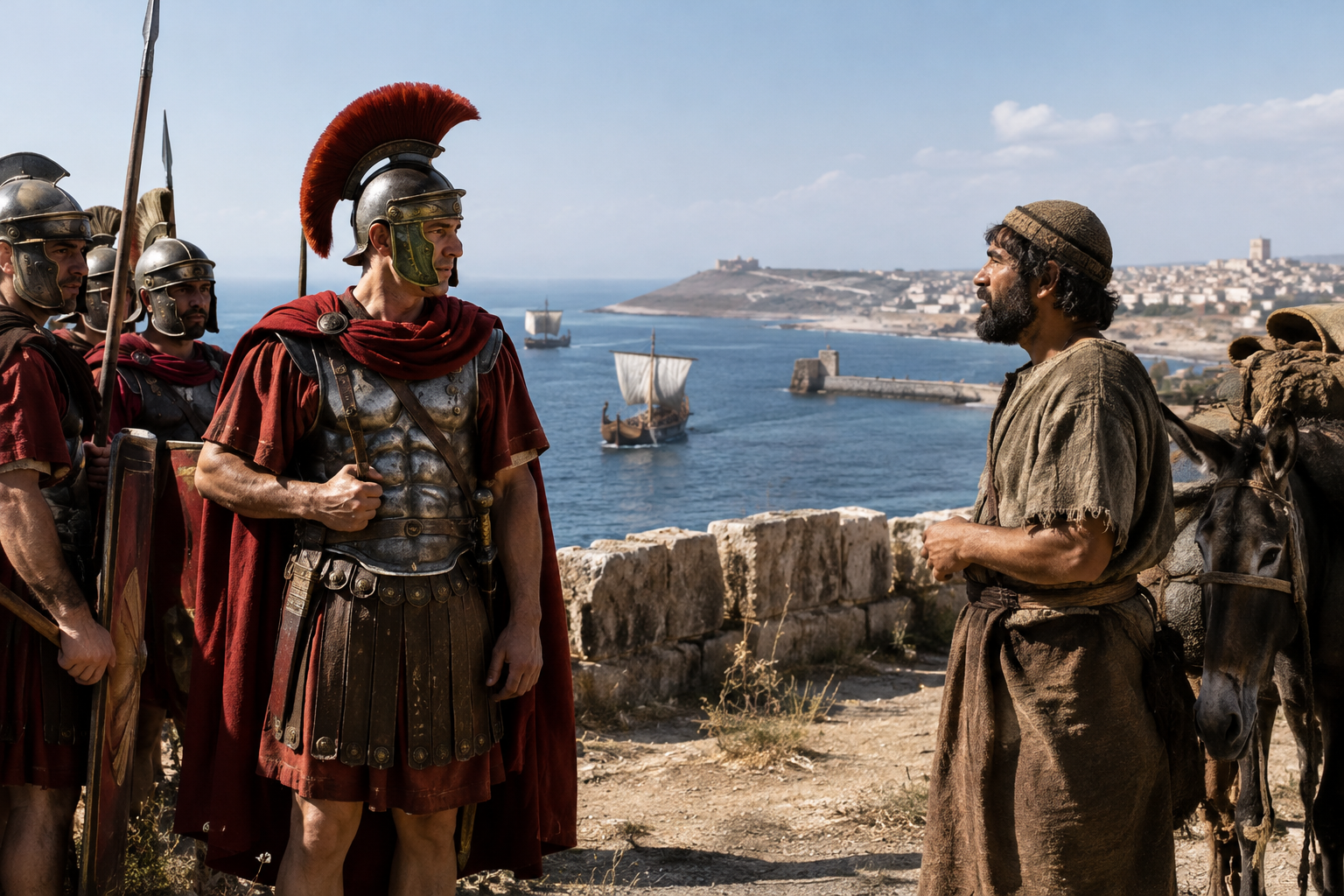
The second anchor point is IND010, from Alt-Inden in North Rhine-Westphalia, dated to around AD 600 and described as a Merovingian grave. Now we are in a different but related world: the Frankish realms of the early Merovingian period, where burial archaeology has long been used to study status, regional custom, and the remaking of post-Roman society.
Here again, the real importance of the sample is its context. Alt-Inden lies farther west than Deersheim, in territory drawn more directly into the Merovingian political sphere. If DRH031 shows this paternal branch in the central German zone around AD 500, IND010 suggests that men carrying the same narrow lineage were also present in the wider early medieval populations of the Rhineland by about a century later.
That does not mean the two men were closely related, nor that one site seeded the other. What it does suggest is that R1a1a1a1d2b was not an isolated curiosity in one cemetery. It had a place within the male-line diversity of early medieval Germany, across regions that were connected by warfare, marriage, migration, and service to emerging kingdoms.
The wider parent lineage, R1a, has a long and complicated history across Eurasia. But one must be careful here. The article haplogroup is R1a1a1a1d2b, a much narrower branch, and its specific history cannot simply be read off from the grand narrative of R1a as a whole.
What the two German samples do allow us to say is more modest, and more useful. By the fifth and sixth centuries AD, this branch was present among men buried in regions tied to the transformation of Roman Europe into early medieval successor societies. That places the lineage in the thick of the Migration Period and Merovingian age, not as a label for a single ethnic bloc, but as one thread within populations that were already mixed and historically mobile.
This is also where older arguments about "tribes" have to be handled with care. Archaeology can identify cemeteries, burial customs, dates, and regions; genetics can identify ancestry patterns and paternal lines; written texts supply names for peoples and rulers. Those three kinds of evidence overlap, but they do not perfectly match. The value of R1a1a1a1d2b in this setting is not that it solves the identity of the Thuringii or the Merovingians, but that it gives us a precise male-line signal within those broader historical landscapes.
It is tempting to want more: a named dynasty, a warrior retinue, a chain of father-to-son descent leading neatly from one cemetery to another. But the present evidence is better read at the scale of populations and regions. Deersheim and Alt-Inden show that this paternal branch was part of the social world of early medieval Germany, across two different sites and two related yet distinct historical settings.
That is actually rather significant. The fifth to seventh centuries in central and western Europe were not a simple story of replacement. Archaeology increasingly shows local continuity mixed with newcomers, old landscapes reused by new powers, and communities that were neither wholly Roman nor wholly "barbarian." Genetics has reinforced that picture. An early landmark study of migration-period Europe, published in https://www.pnas.org/content/116/25/12363/, helped establish just how socially and biologically complex these cemeteries could be.
Seen in that light, R1a1a1a1d2b looks less like a banner and more like a witness. It marks one paternal line moving through centuries in which identities were negotiated in villages, burial grounds, and royal courts, rather than handed down as fixed biological packages.
Diverse early medieval origins
For someone who carries R1a1a1a1d2b today, these early medieval burials offer a sober but intriguing point of connection. The strongest evidence in hand places this paternal branch in Germany around AD 500 to 600, in communities living through the breakdown of Roman structures and the rise of early medieval kingdoms. That is not a promise of descent from a tribe or a noble house; it is something better grounded than that. It is a glimpse of your direct male line in a documented historical world, with named sites, dated graves, and real people such as DRH031 and IND010 standing behind the result.
Comments