Haplogroup C1a2b1b

– 5 min read


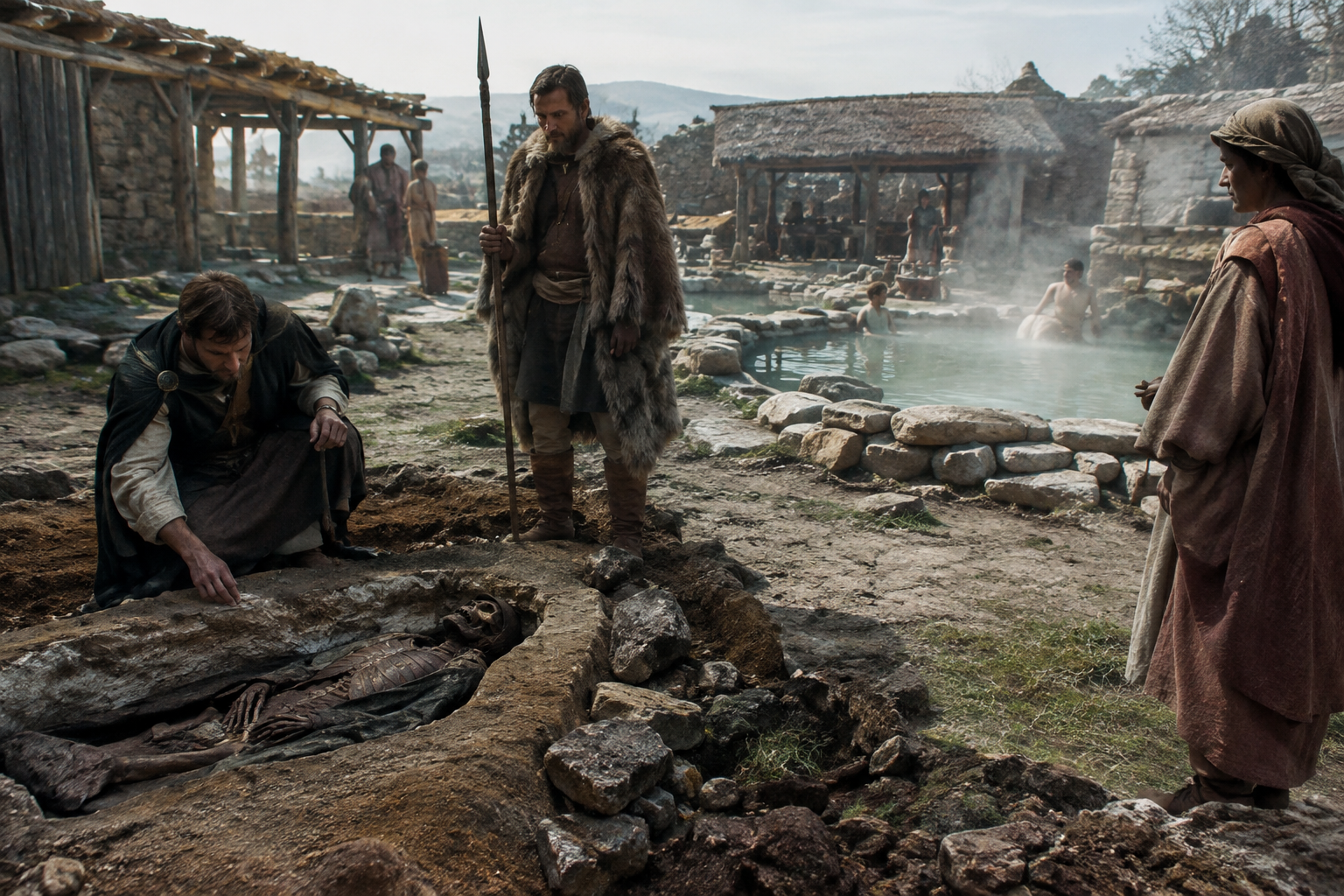
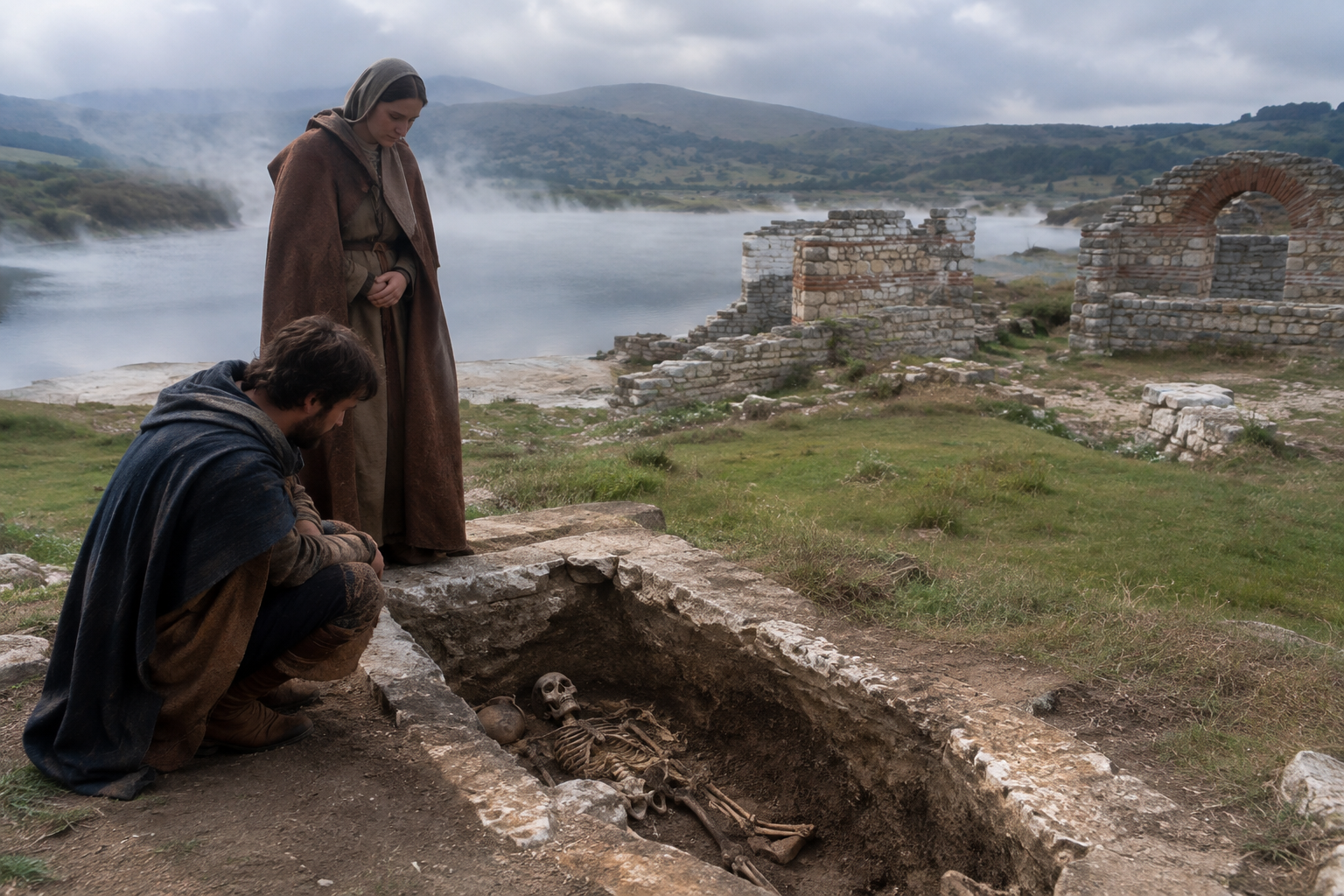
At Aquae Calidae, the hot-spring settlement near today's Burgas on the Black Sea coast of Bulgaria, one man buried in a Gothic grave around AD 350 has become a particularly intriguing signpost in the ancient record. He is identified as I41136, and he is associated here with the Y-DNA haplogroup C1a2b1b - a strikingly uncommon paternal branch to find in a Late Roman frontier setting usually discussed in terms of Goths, imperial politics, and migration-period identities.
That is exactly why this sample matters. A Y-chromosome lineage follows only one direct paternal line, not a person's whole ancestry or culture, but even so, it can reveal how unexpectedly mixed ancient communities could be. In a Gothic-associated burial from Roman-era Bulgaria, C1a2b1b is a reminder that the men moving through, settling in, or being buried within these frontier societies did not all come from one simple biological background.
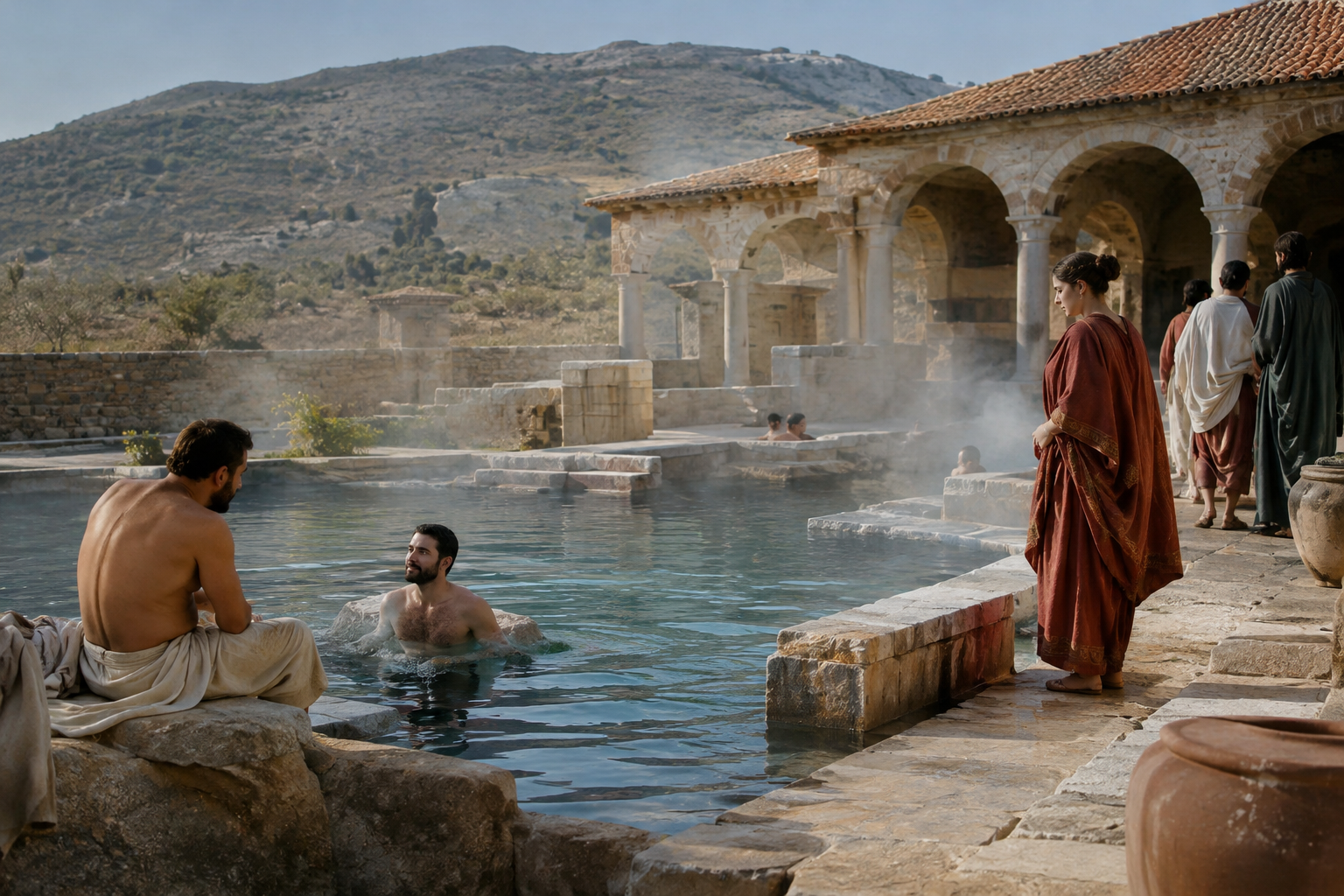
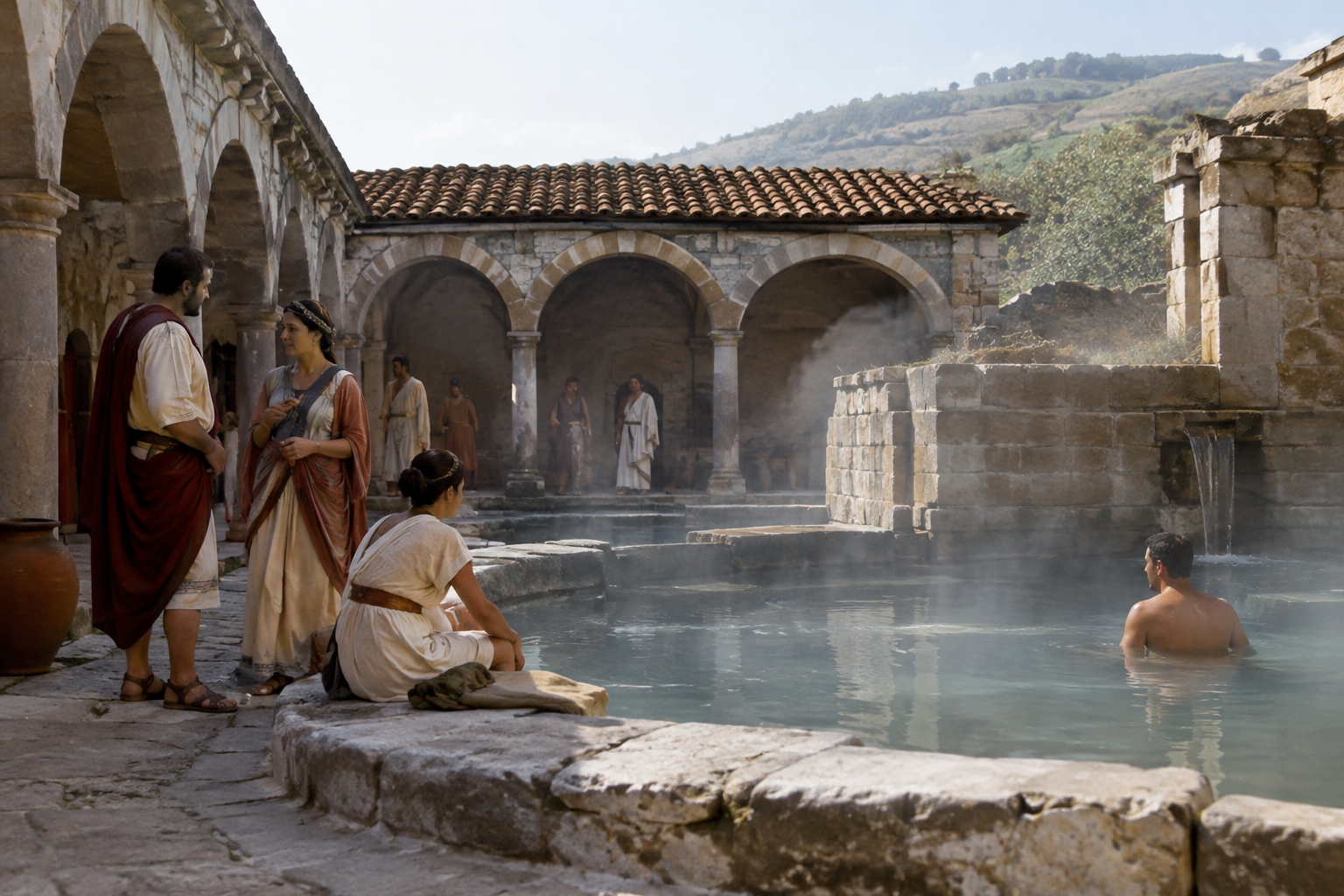
Aquae Calidae was not a remote village at the edge of the known world. It sat in a connected landscape of roads, ports, military movement, trade, and diplomacy. By the 4th century AD, this part of the Balkans was a zone where Roman administration and Gothic groups met repeatedly - sometimes in war, sometimes in alliance, and often in the more ambiguous traffic of everyday life.
The burial of I41136 belongs in that world. We should be careful here: a Gothic grave does not mean we can reconstruct the man's language, biography, or tribe from his Y-DNA alone. But the combination of archaeological label, Roman-era date, Bulgarian location, and the rare paternal assignment C1a2b1b is enough to make him historically important. He is evidence that late antique Gothic-associated communities in the Balkans could include paternal lines far outside the usual popular expectations.
This fits the broader picture emerging from recent work on late antique populations in the region. MyTrueAncestry readers who want the larger context of these burials may want to compare this case with the site's wider discussion of diverse origins in early medieval cemeteries and, even more directly, with the article on mixed origins in Gothic communities of late antique Bulgaria.
C1 is one of the old major branches in the global Y-chromosome tree, with a deep history stretching far back beyond the Roman world. But that broad antiquity is not the same thing as the history of the much narrower branch C1a2b1b. It would be a mistake to take the global story of haplogroup C and simply paste it onto one late antique grave in Bulgaria.
What we can say more safely is that C1a2b1b is unusual in a European late Roman-Gothic context, and unusual lineages are often the ones that force us to think harder about population history. A rare paternal branch in one grave may point to long-distance ancestry, earlier episodes of mobility, incorporation of outsiders into local groups, or the survival of lineages that later became extremely uncommon. It does not, by itself, tell us which of those explanations is correct.
That is one of the pleasures of archaeogenetics, if you like the subject in the proper historical spirit: it makes the past less tidy. People whom written sources flatten into labels such as "Goths" turn out, under close examination, to have been communities of varied origins rather than neat biological blocks.
The word "Gothic" in archaeology usually refers first to material culture and historical context, not to a single genetic signature. That distinction matters. In late antiquity, individuals could participate in Gothic political or social worlds without all sharing the same paternal ancestry, just as members of the Roman Empire did not belong to one uniform population.
That is why I41136 is so valuable. He helps demonstrate, in miniature, the gap between cultural identity and biological descent. A man buried in a Gothic grave at Aquae Calidae could belong to a community recognized as Gothic in archaeology while carrying a paternal lineage that is anything but typical in modern popular imagination.
A broader discussion of language spread and genetic complexity appears in this related post:
Germanic Languages and Genomics
That larger point is increasingly important for the Balkans and the Black Sea world. These were contact zones par excellence. Roman officials, soldiers, merchants, federate groups, captives, migrants, and local populations all met there. A single rare Y-line in such a setting is not an anomaly to be explained away; it is exactly the sort of result one should expect once ancient cemeteries are studied individual by individual rather than through old ethnic stereotypes.
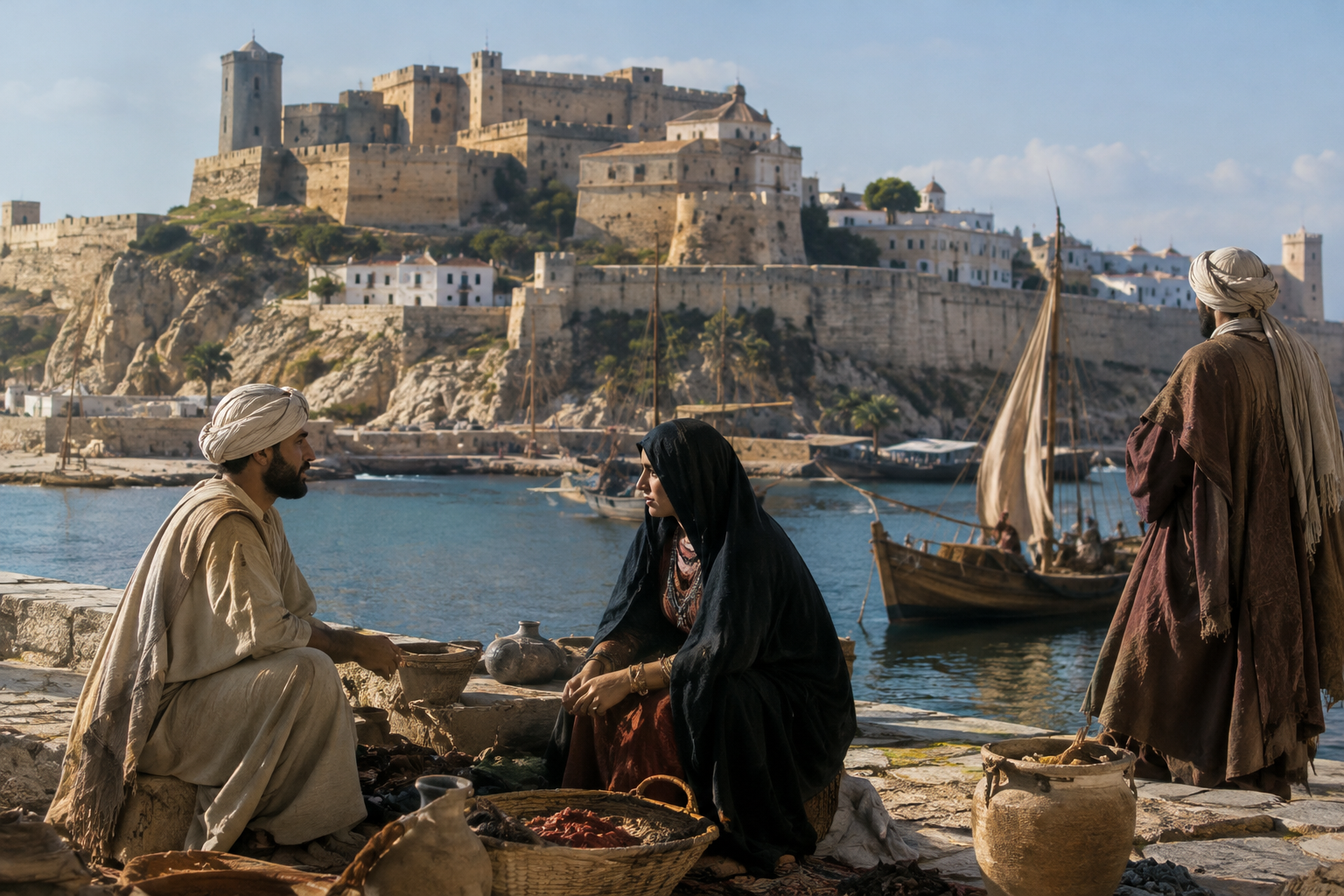
Aquae Calidae stood in a region that linked the Balkans to the wider Black Sea basin, and that wider basin was one of Eurasia's great corridors. Long before and long after AD 350, people, goods, and ideas moved through these shores. The Roman Empire did not seal the frontier; it managed, taxed, armed, negotiated, and sometimes failed to control it.
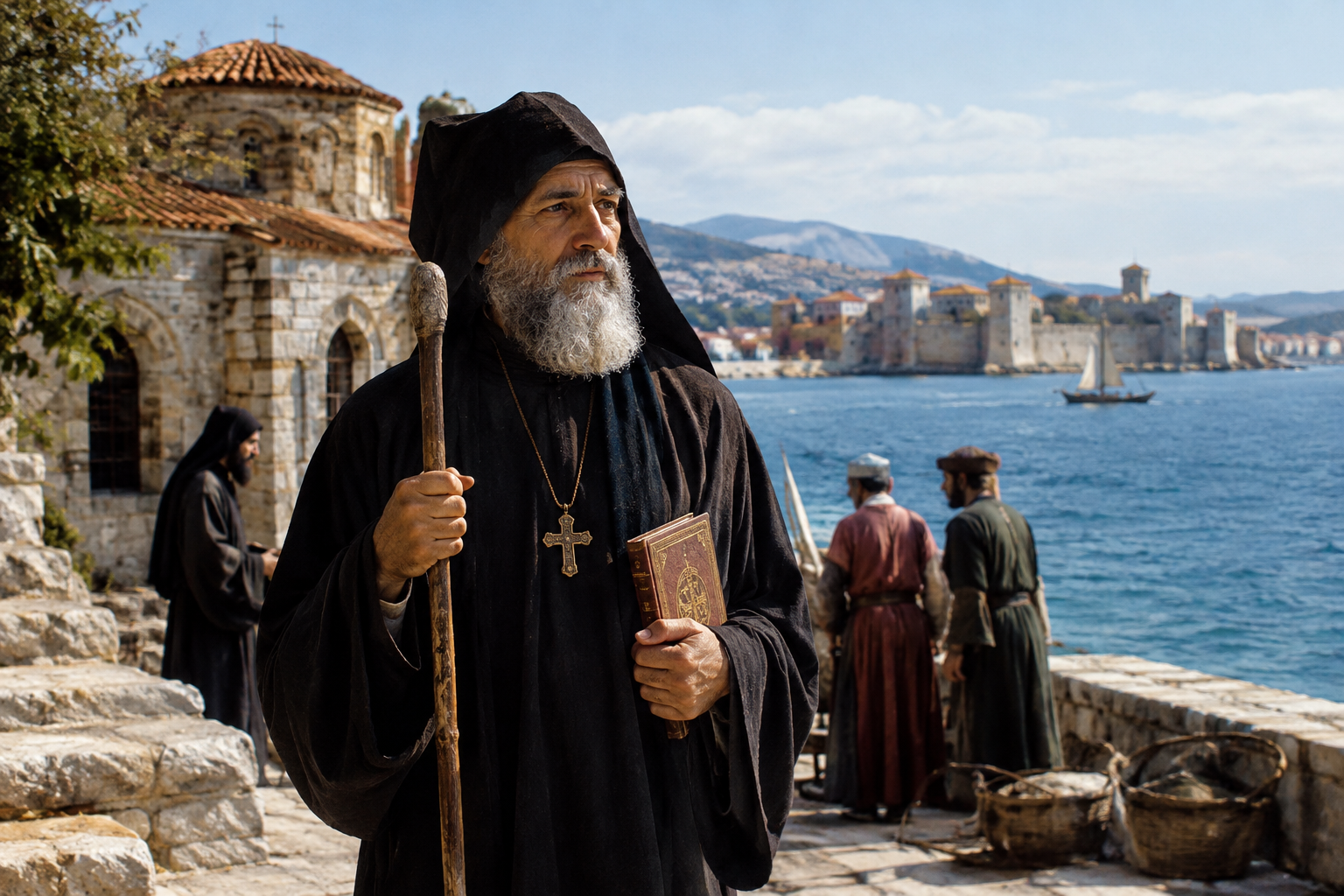
In that sense, I41136 belongs to a familiar historical setting even if his Y-DNA lineage is rare. Frontier cemeteries often preserve exactly the sort of human complexity that texts blur. They can contain locals, newcomers, descendants of earlier migrants, and families already mixed over generations. Research on ancient mobility around the northern and western Black Sea has repeatedly pointed in this direction, and readers interested in the wider regional backdrop may find this companion piece useful:
One reason not to overstate a single sample is that rare lineages can be historically significant without being numerically common. Another reason not to understate it is that these rare survivals sometimes preserve exactly the hidden strands that make the ancient world intelligible. The Roman frontier was not a wall between pure groups. It was a social machine for producing new combinations.
For this article, the securely grounded facts are straightforward: sample I41136 comes from a Gothic grave at Aquae Calidae in Bulgaria, dated around AD 350, and is associated with C1a2b1b. A research preprint connected to the ancient population of late antique Bulgaria can be found here. Without full additional excavation detail, it would be wrong to invent grave goods, rank, kinship, or a personal migration story.
Still, even this limited profile says something important. It shows that an uncommon paternal lineage could appear inside a Gothic-associated burial context in Roman Bulgaria. That pushes against any lazy equation of Gothic identity with a single biological origin and fits the increasingly cosmopolitan picture emerging from ancient DNA studies of migration-period Europe.
There is a useful parallel here with other recent work on Gothic-associated populations further north and west, where ancient genomes have also revealed diversity rather than uniformity.
If your paternal line falls under C1a2b1b, this Bulgarian grave does not prove that your direct ancestors were Goths, nor does it pin your family story to one cemetery on the Black Sea. What it does offer is something subtler and, in a way, more interesting: evidence that this lineage could be present in the mixed human worlds of late antiquity, where political labels and paternal ancestry did not line up neatly.
That is the real fascination of I41136. One grave at Aquae Calidae shows how a rare Y-DNA branch can surface inside one of the best-known historical zones of Roman-barbarian contact and quietly upset the old picture. The past, as ever, is more crowded, more mobile, and less tidy than the labels suggest.

Comments