Goths as a Multi‑Ethnic Community: Ancient DNA Caterina March 10, 2026 – 6 min read Share this post Papers Roman Hispania’s Lasting Genetic Legacy Roman Hispania: A Mediterranean Crossroads Before Rome, the Iberian Peninsula was a patchwork of local communities. Then came one of western Europe's great turning points. Iberia became a central province in a vast system stretching from the Atlantic to Syria, transformed not just by conquest but by movement. By Caterina • 4 min read Papers Genomic Evidence for Evolutionary Origins of the Industrial Revolution Burial Grounds as Archives of Deep Time Across Europe, the dead have become reluctant witnesses to one of history's longest stories — held not in ink but in bone, teeth, and ancient graves. Archaeologists scrape away soil and suddenly a life appears: a skull turned to one side, a By Sven • 5 min read Papers Iron Age Ritual Cave Burial in Asturias Caves of the Iron Age Cantabrian World High in the limestone country of northern Spain, caves became places where the living approached the dead and perhaps the divine. In the central Cantabrian region, spanning Asturias, Cantabria, and northern Burgos, traces of Iron Age funerary custom are frustratingly rare—which is By Caterina • 5 min read Papers Roman Hispania’s Lasting Genetic Legacy Roman Hispania: A Mediterranean Crossroads Before Rome, the Iberian Peninsula was a patchwork of local communities. Then came one of western Europe's great turning points. Iberia became a central province in a vast system stretching from the Atlantic to Syria, transformed not just by conquest but by movement. By Caterina • 4 min read Haplogroups and Noble Lines The House Stapleton House Stapleton Origins and early rise The House Stapleton was an old Anglo-Norman noble family rooted in northern England, especially Yorkshire and the lands around Stapleton-on-Tees, from which the family took its name. In haplogroup terms, the line is here tagged with R1b1a1b1a1a2c1a1e, the primary family haplogroup. Historically, the Stapletons By Jamie L • 3 min read Haplogroups and Noble Lines The House Musgrave House Musgrave Border lords of the north The House Musgrave was one of the old noble families of northern England, rooted in Cumberland and Westmorland and shaped by the hard political weather of the Anglo-Scottish border. Their story is not that of courtly ease in the south, but of a By Jamie L • 3 min read Haplogroups and Noble Lines The House Wingfield The House Wingfield Haplogroup: R1b1a1b1a1a2b The House Wingfield was a medieval English noble family rooted in Suffolk, its name taken from the place of Wingfield itself, and in genetic tagging terms it is linked here with the primary family haplogroup R1b1a1b1a1a2b. That is a very English sort of beginning: a By Caterina • 3 min read Haplogroups and Noble Lines The House Chichester House Chichester Background The House Chichester was one of those durable west-country families who seem to grow out of the landscape itself: rooted in Devon, shaped by estate management, local influence, and the long habits of royal service. Its main historical story begins in the later Middle Ages, when branches By Jamie L • 3 min read Haplogroups and Noble Lines The House Knollys The House Knollys was an English noble and courtly family whose fortunes rose through service, proximity to the crown, and careful marriage into the political world of Tudor England. Linked here with the primary family haplogroup R1b1a1b1a1a2c1a5a, the Knollys story is not one of some misty, unreachable feudal legend, but By Sara V • 3 min read
Papers Roman Hispania’s Lasting Genetic Legacy Roman Hispania: A Mediterranean Crossroads Before Rome, the Iberian Peninsula was a patchwork of local communities. Then came one of western Europe's great turning points. Iberia became a central province in a vast system stretching from the Atlantic to Syria, transformed not just by conquest but by movement. By Caterina • 4 min read
Papers Genomic Evidence for Evolutionary Origins of the Industrial Revolution Burial Grounds as Archives of Deep Time Across Europe, the dead have become reluctant witnesses to one of history's longest stories — held not in ink but in bone, teeth, and ancient graves. Archaeologists scrape away soil and suddenly a life appears: a skull turned to one side, a By Sven • 5 min read
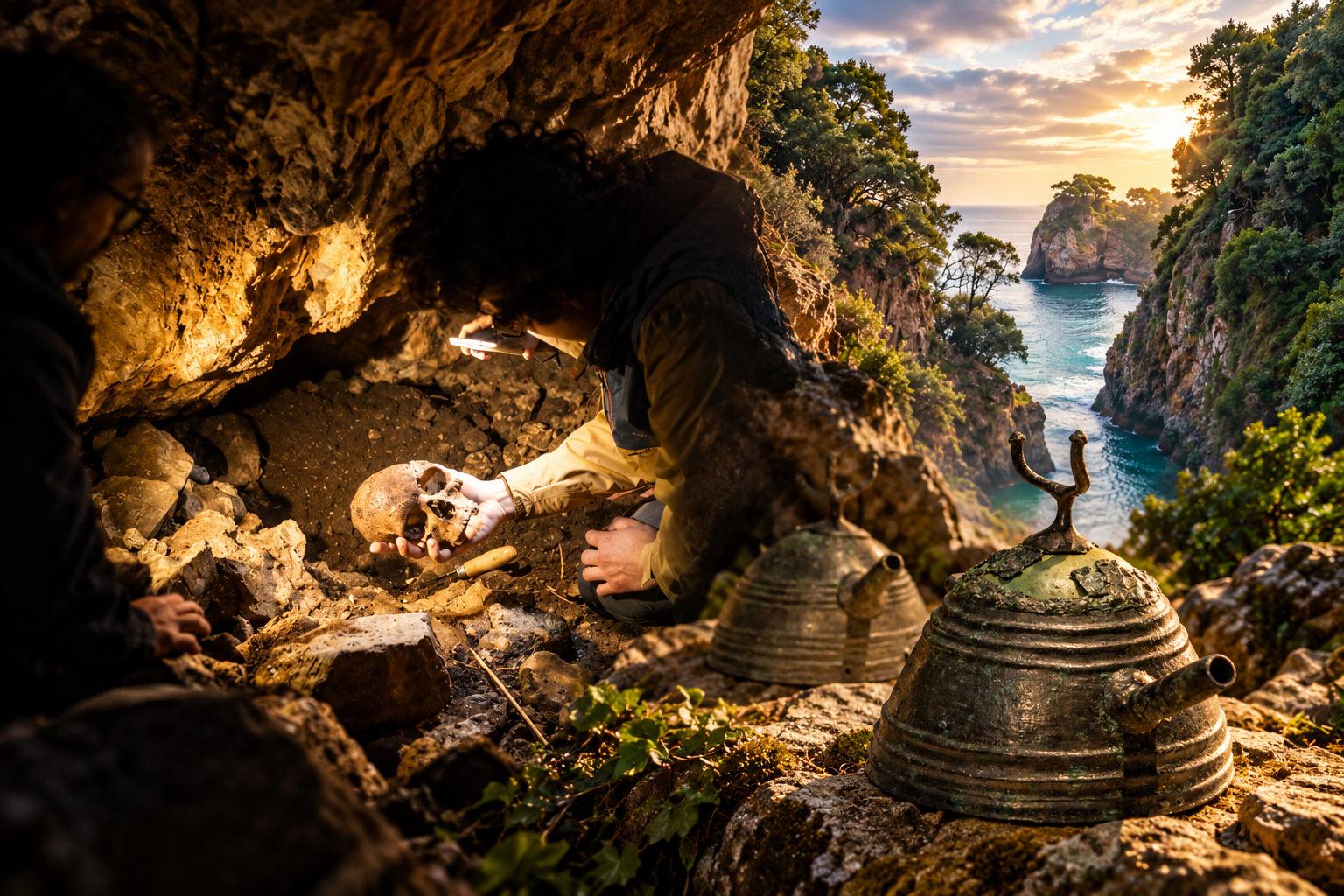
Papers Iron Age Ritual Cave Burial in Asturias Caves of the Iron Age Cantabrian World High in the limestone country of northern Spain, caves became places where the living approached the dead and perhaps the divine. In the central Cantabrian region, spanning Asturias, Cantabria, and northern Burgos, traces of Iron Age funerary custom are frustratingly rare—which is By Caterina • 5 min read
Papers Roman Hispania’s Lasting Genetic Legacy Roman Hispania: A Mediterranean Crossroads Before Rome, the Iberian Peninsula was a patchwork of local communities. Then came one of western Europe's great turning points. Iberia became a central province in a vast system stretching from the Atlantic to Syria, transformed not just by conquest but by movement. By Caterina • 4 min read
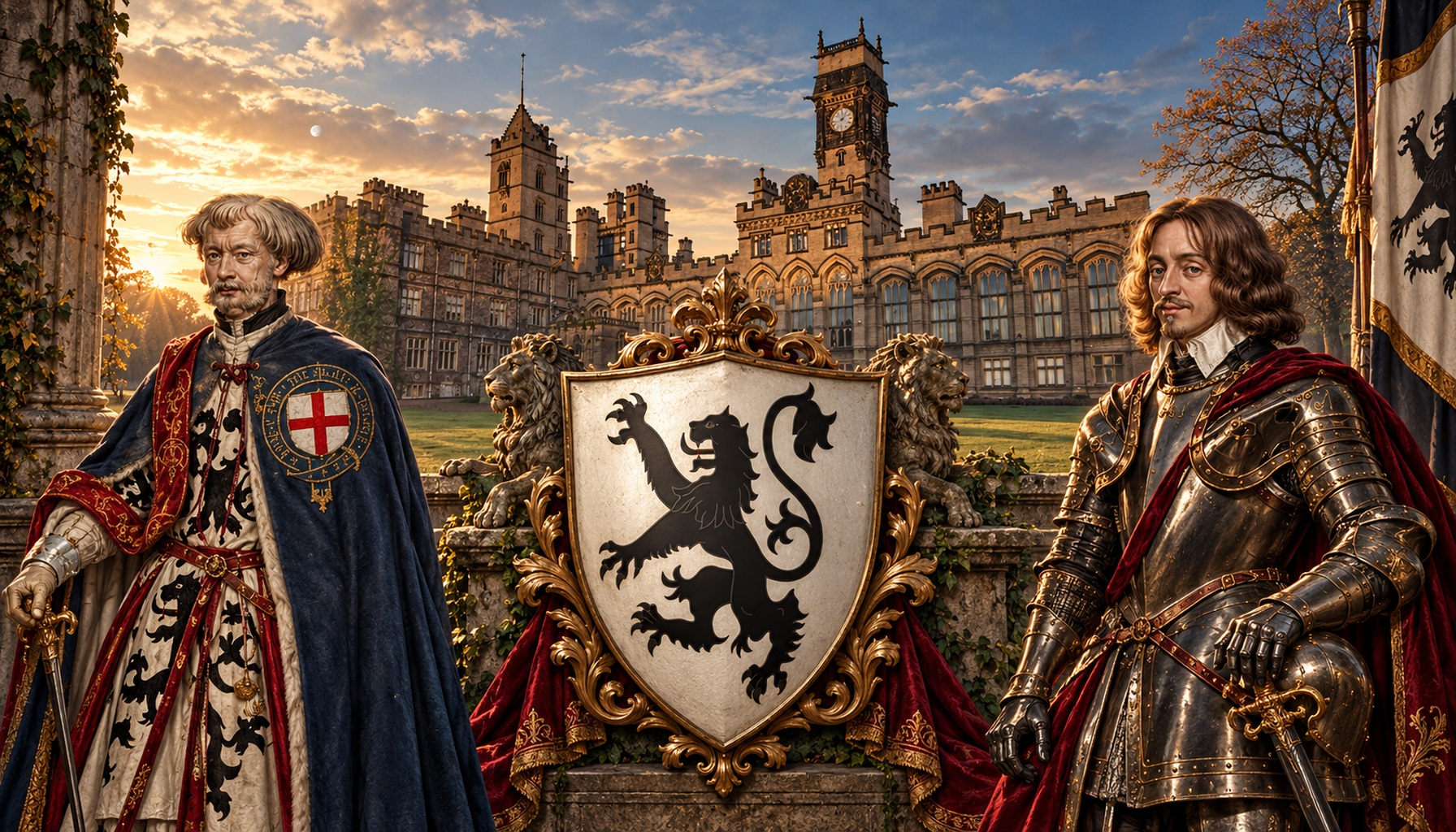
Haplogroups and Noble Lines The House Stapleton House Stapleton Origins and early rise The House Stapleton was an old Anglo-Norman noble family rooted in northern England, especially Yorkshire and the lands around Stapleton-on-Tees, from which the family took its name. In haplogroup terms, the line is here tagged with R1b1a1b1a1a2c1a1e, the primary family haplogroup. Historically, the Stapletons By Jamie L • 3 min read
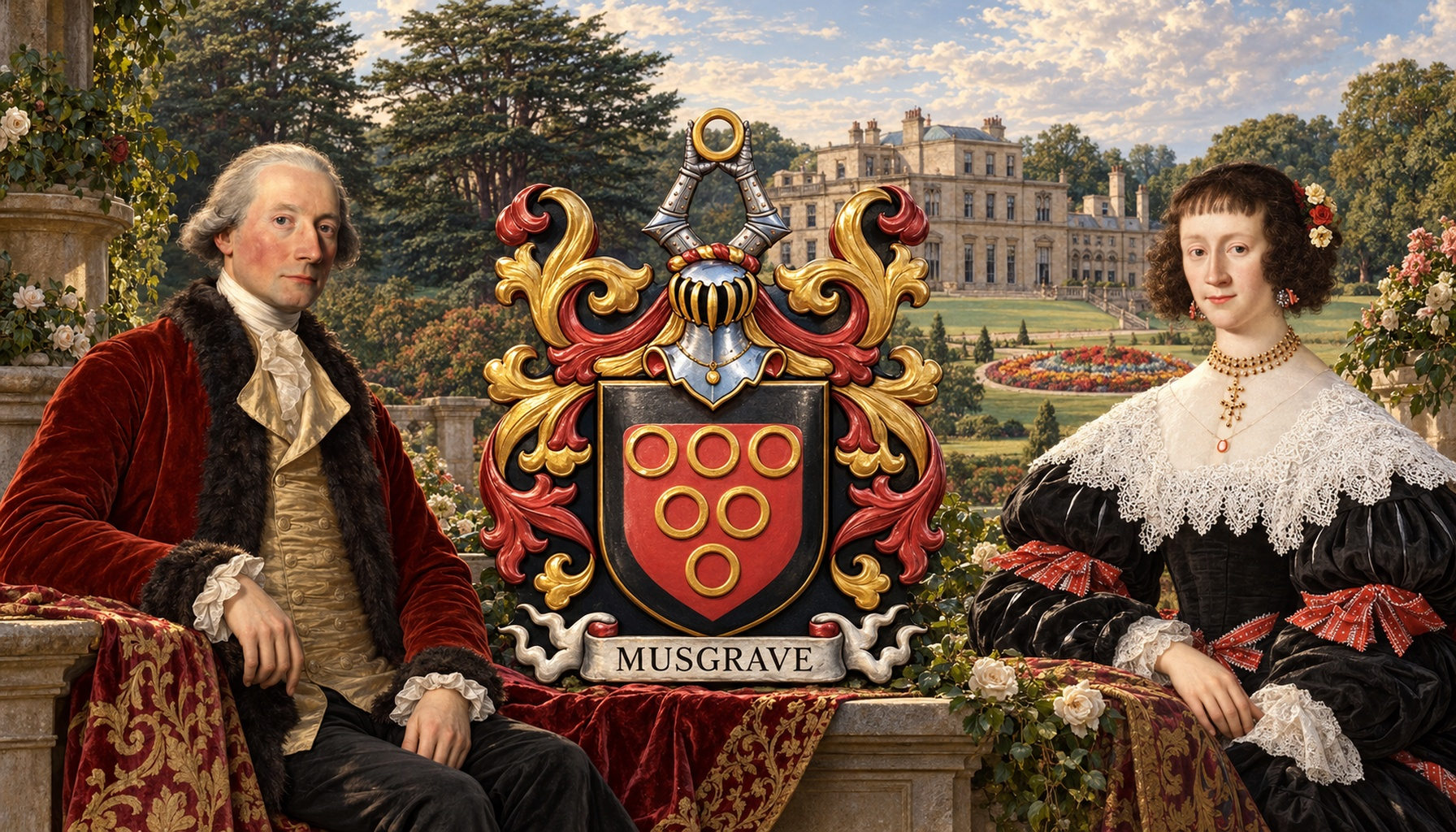
Haplogroups and Noble Lines The House Musgrave House Musgrave Border lords of the north The House Musgrave was one of the old noble families of northern England, rooted in Cumberland and Westmorland and shaped by the hard political weather of the Anglo-Scottish border. Their story is not that of courtly ease in the south, but of a By Jamie L • 3 min read
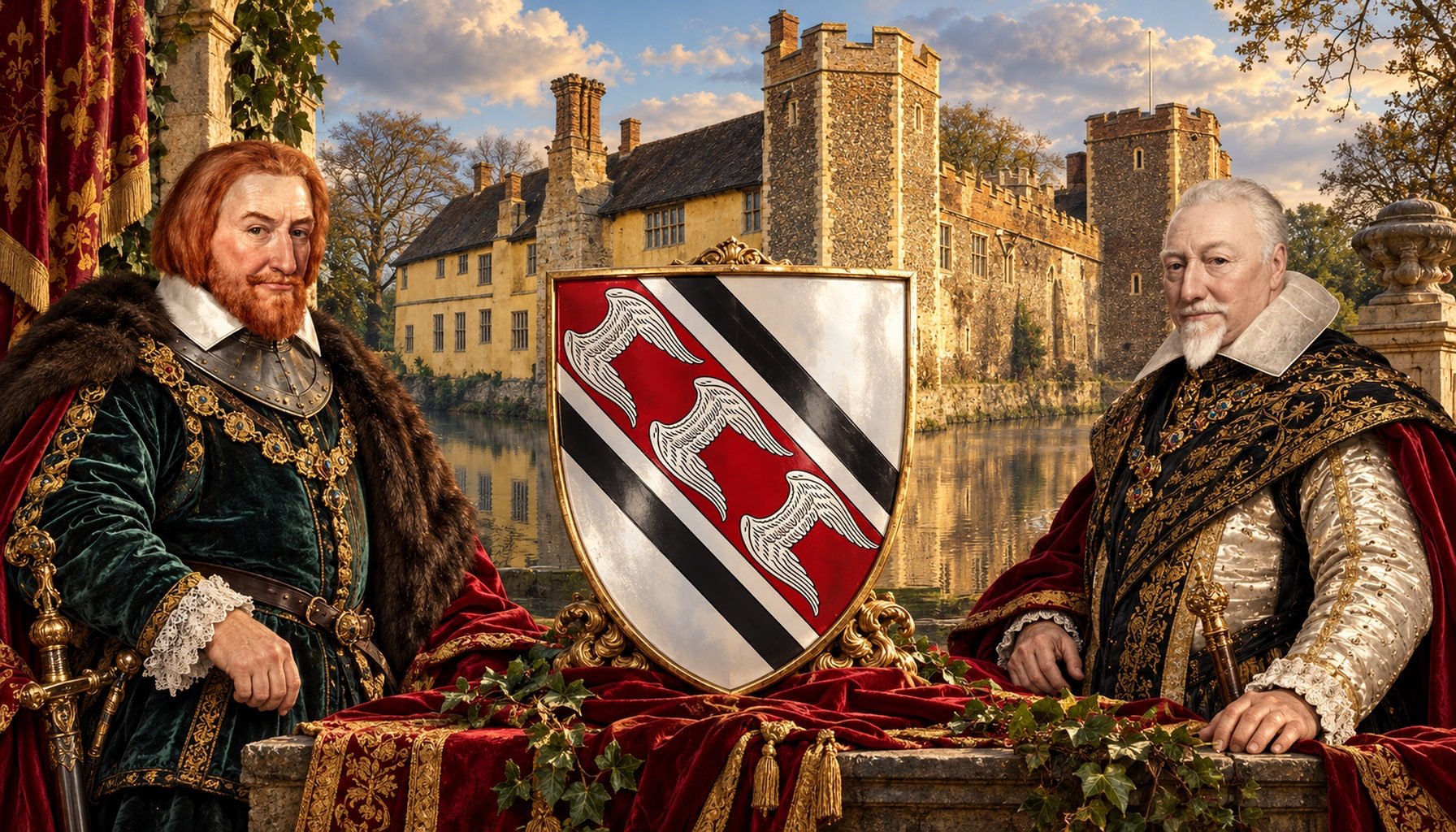
Haplogroups and Noble Lines The House Wingfield The House Wingfield Haplogroup: R1b1a1b1a1a2b The House Wingfield was a medieval English noble family rooted in Suffolk, its name taken from the place of Wingfield itself, and in genetic tagging terms it is linked here with the primary family haplogroup R1b1a1b1a1a2b. That is a very English sort of beginning: a By Caterina • 3 min read
Haplogroups and Noble Lines The House Chichester House Chichester Background The House Chichester was one of those durable west-country families who seem to grow out of the landscape itself: rooted in Devon, shaped by estate management, local influence, and the long habits of royal service. Its main historical story begins in the later Middle Ages, when branches By Jamie L • 3 min read
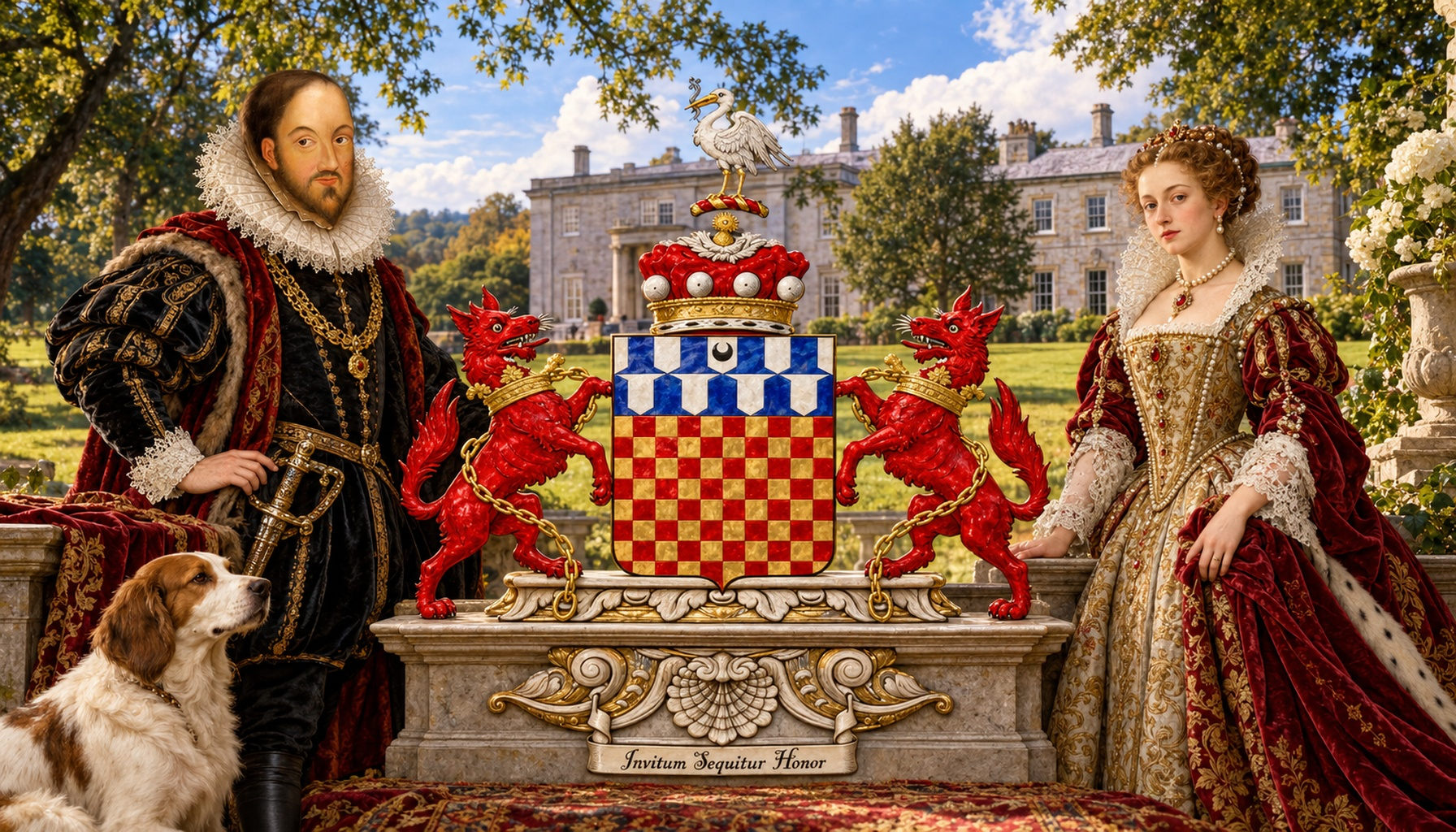
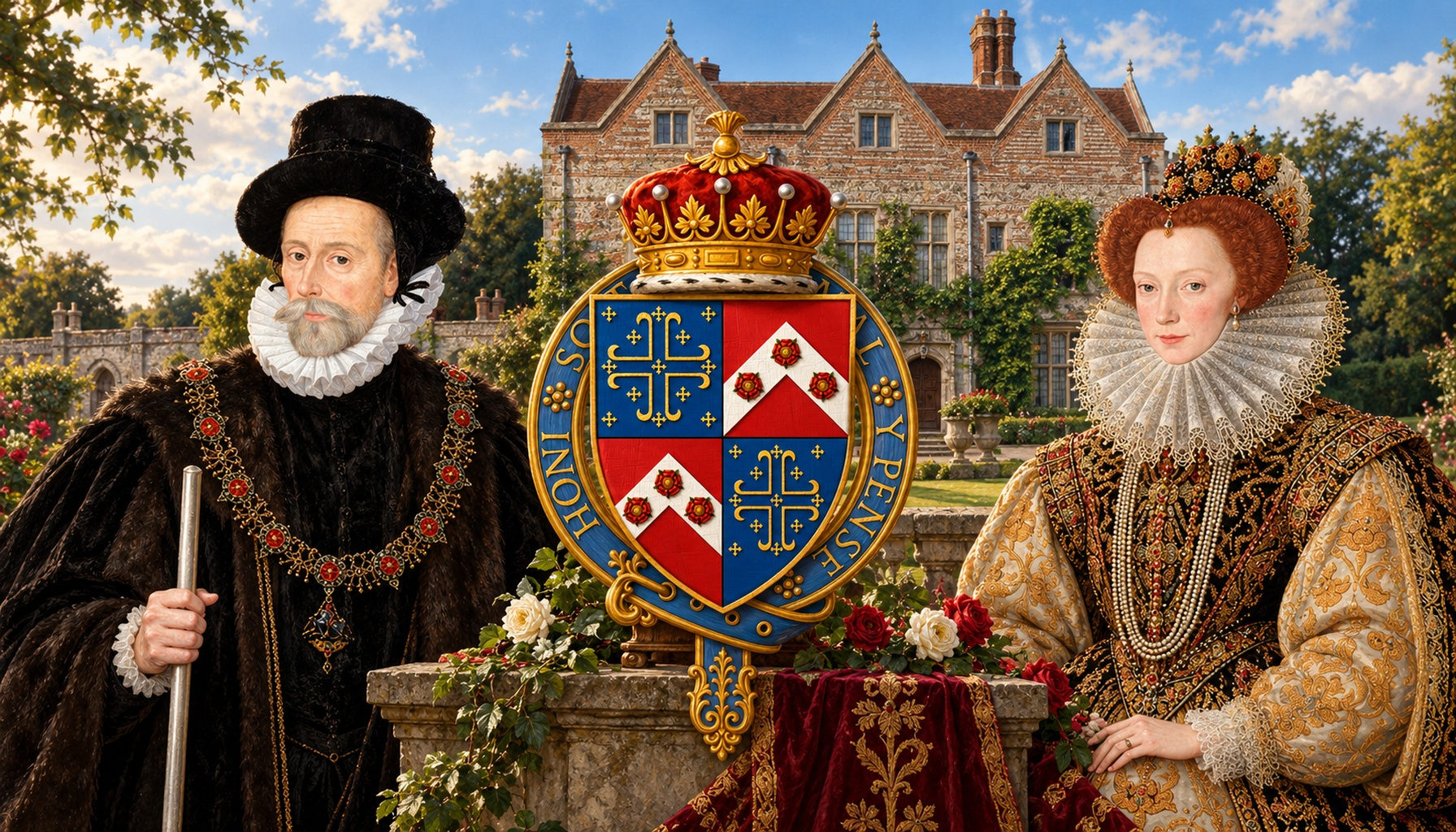
Haplogroups and Noble Lines The House Knollys The House Knollys was an English noble and courtly family whose fortunes rose through service, proximity to the crown, and careful marriage into the political world of Tudor England. Linked here with the primary family haplogroup R1b1a1b1a1a2c1a5a, the Knollys story is not one of some misty, unreachable feudal legend, but By Sara V • 3 min read