Clan Wood
– 3 min read


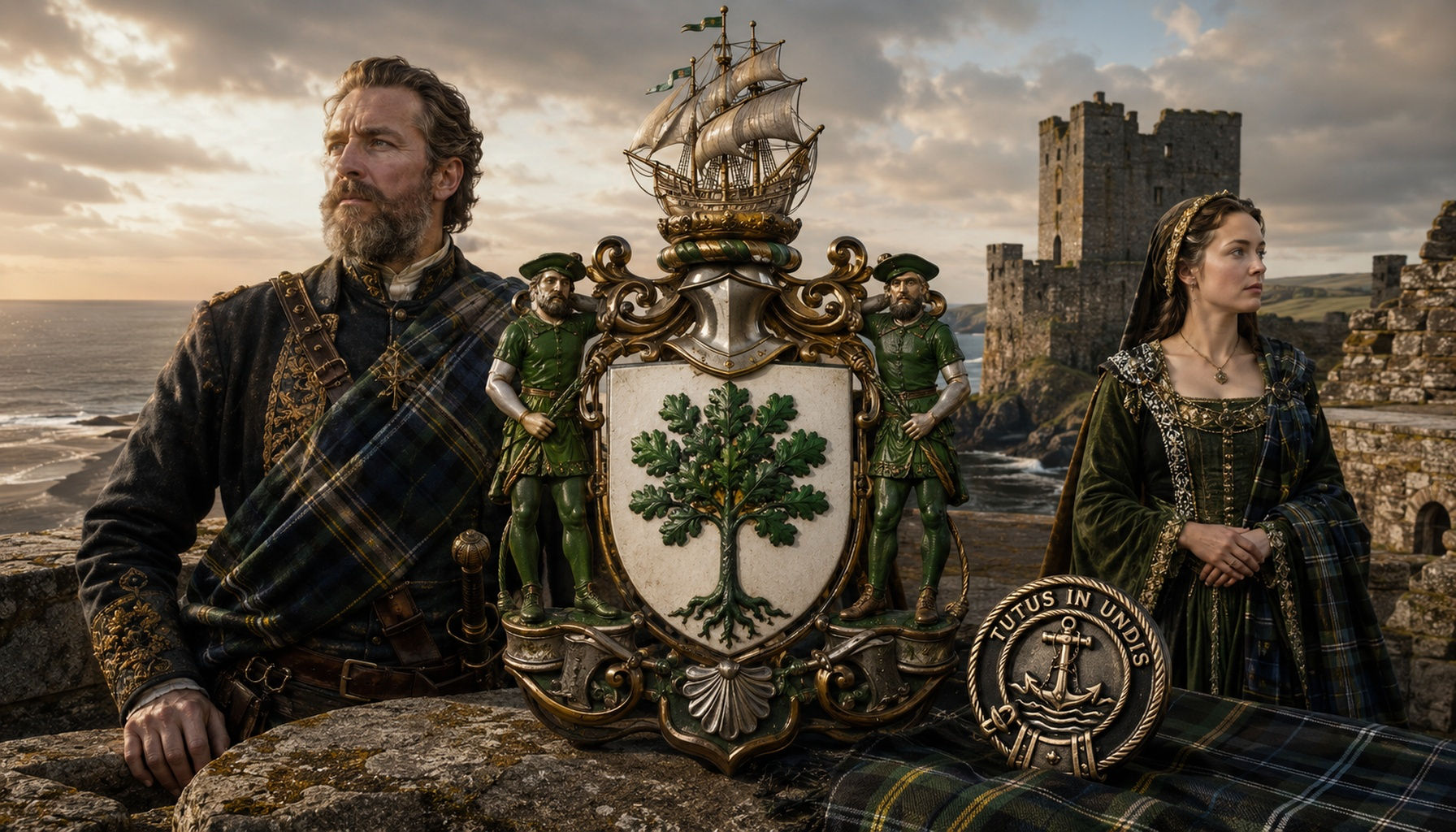
Clan Wood belongs to that broad and distinctly Scottish world of surname heritage in which identity was not always built around one vast Highland territory or a single dominating chief, but just as often around land, service, local standing, and memory. The Wood name appears in that older Scottish pattern: an armigerous family tradition rooted in place, reputation, and continuity, with strong associations in Fife and the east coast. In genetic terms, the primary haplogroup linked here is R1b1a1b1a1a1c2a1, a branch within the great R1b paternal line found widely across western Europe.
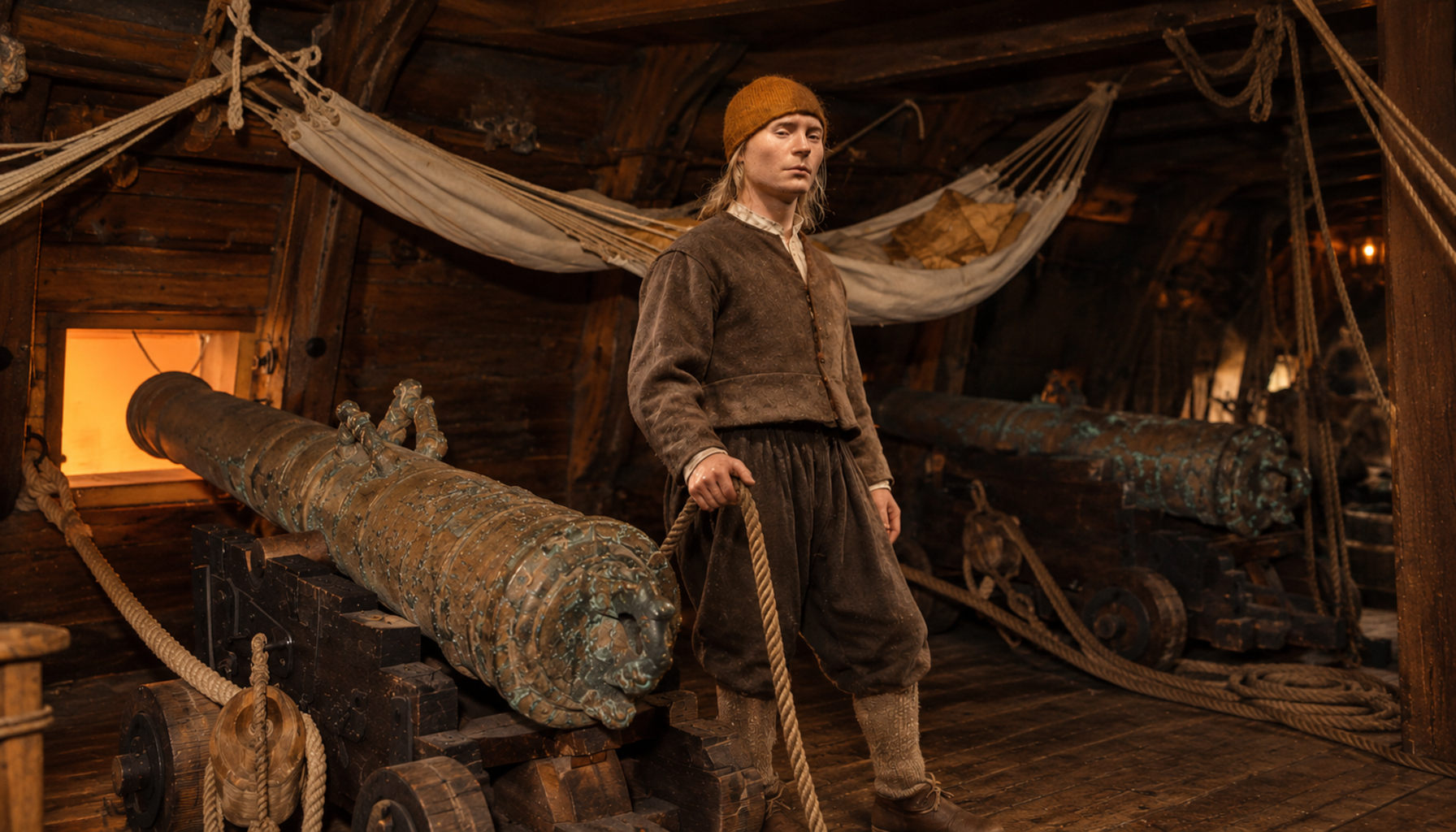
Historically, the Woods are best understood as a family whose standing grew through public service, estate connections, and heraldic identity rather than through the kind of clan structure later romanticised in tartan handbooks. That makes them no less Scottish, only more revealing of how Scotland actually worked. Surnames like Wood could emerge from landscape and occupation, but over time they became hereditary badges of belonging. Among the best-known figures are Sir Andrew Wood of Largo (1455-1515), the celebrated naval commander of James III and James IV; William Wood of Bonnytoun; and John Wood of Tullidavie. Together they suggest a family remembered not merely by name, but by office, property, and enduring local consequence.
The great location anchor for the family story is Largo in Fife, on the north shore of the Firth of Forth. Lower Largo is an old coastal settlement with deep maritime associations, and Largo Castle stood above it as a visible sign of lordship, defence, and status. The castle, much altered and now largely ruinous, was historically associated with the Largo estate and with the world in which Sir Andrew Wood rose to prominence. This was not an isolated Highland fastness, but a strategic east-coast setting tied into seafaring, trade, crown service, and the politics of late medieval Scotland. In other words, exactly the kind of place from which an able royal captain might emerge. Lower Largo itself remains a real and visitable place today, and the castle site and surrounding village can still be seen, even if what survives is fragmentary rather than a fully preserved fortress. That lingering physical presence matters: it gives the Wood story a landscape you can actually stand in.
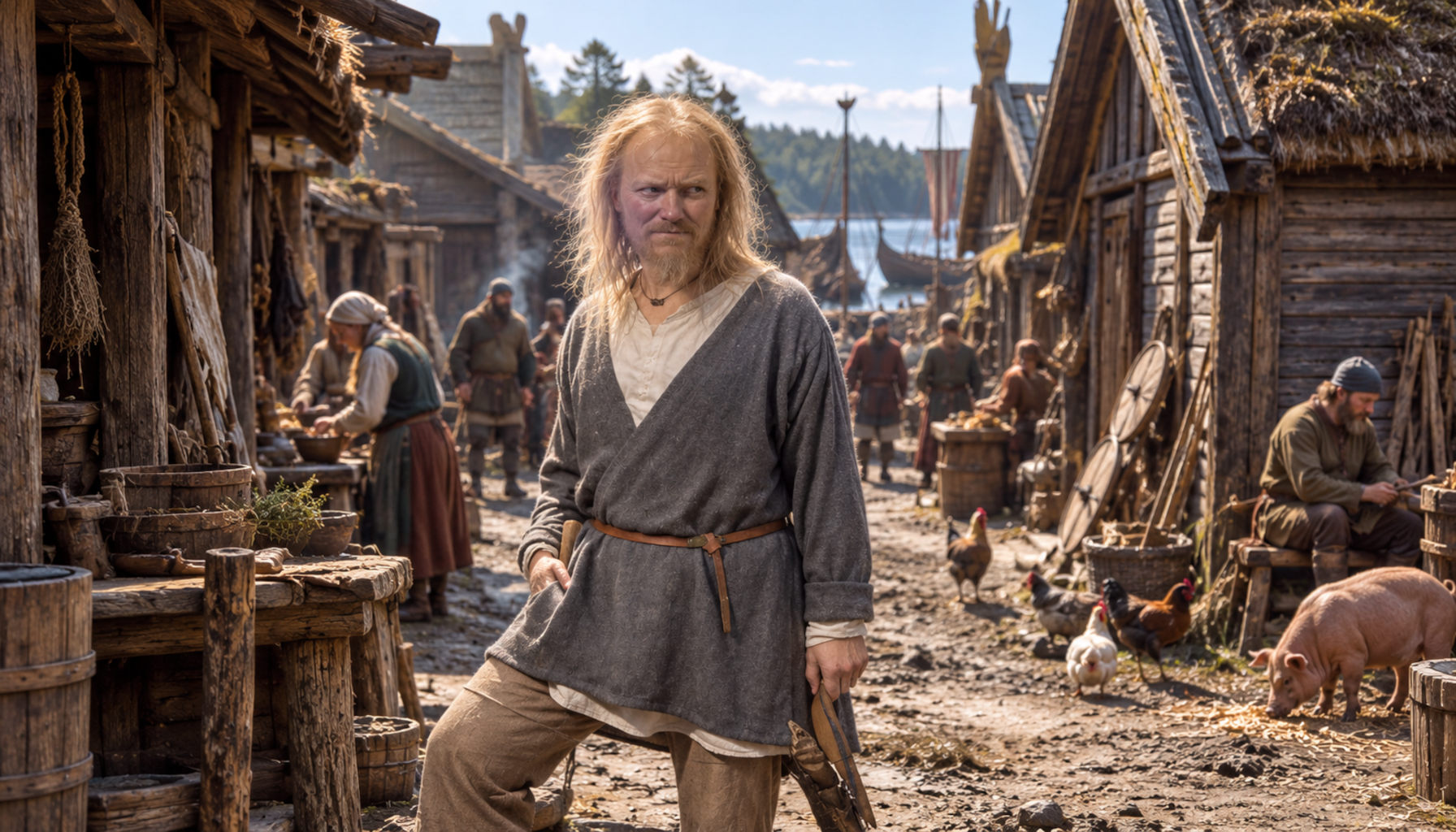
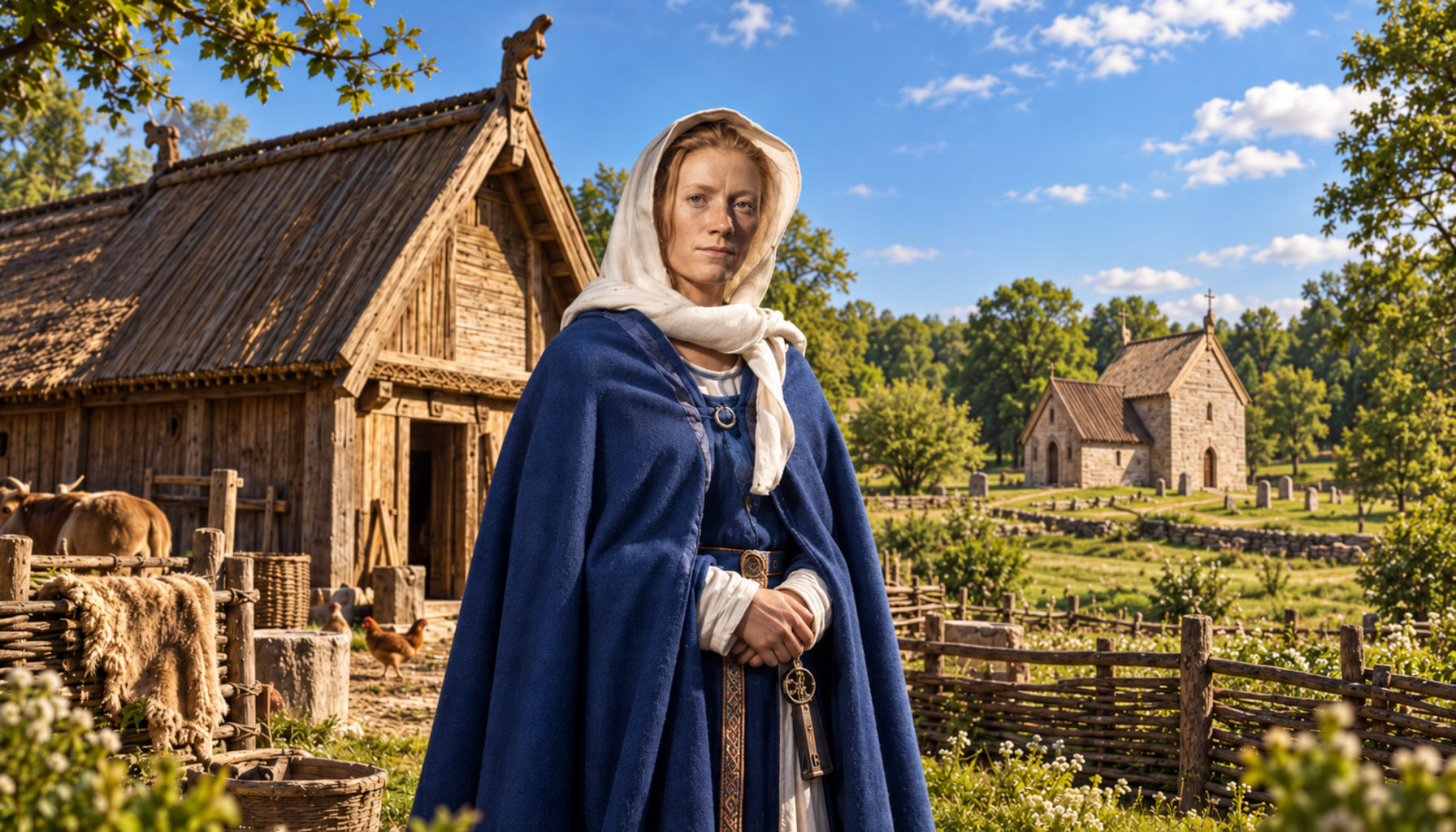
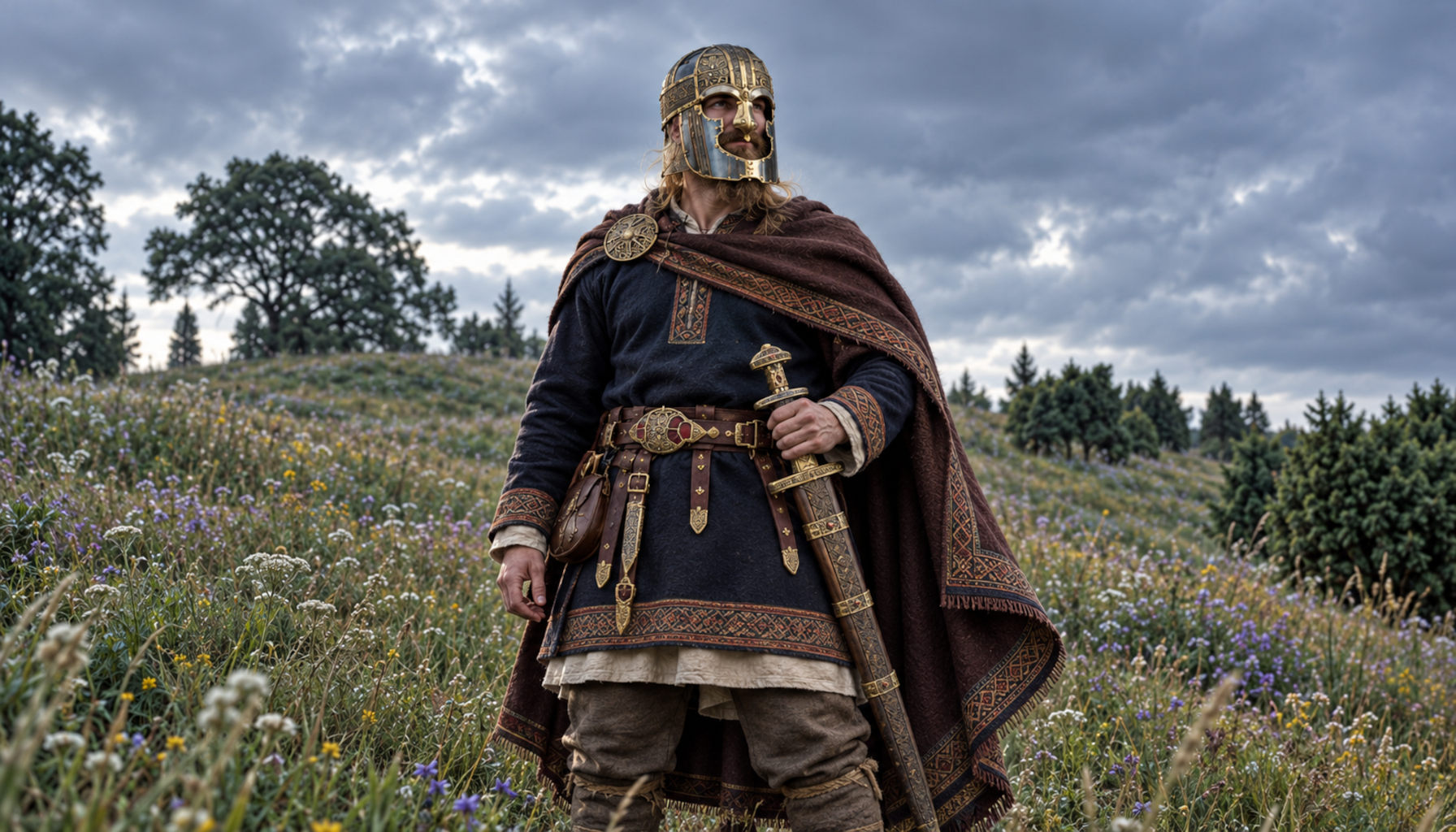
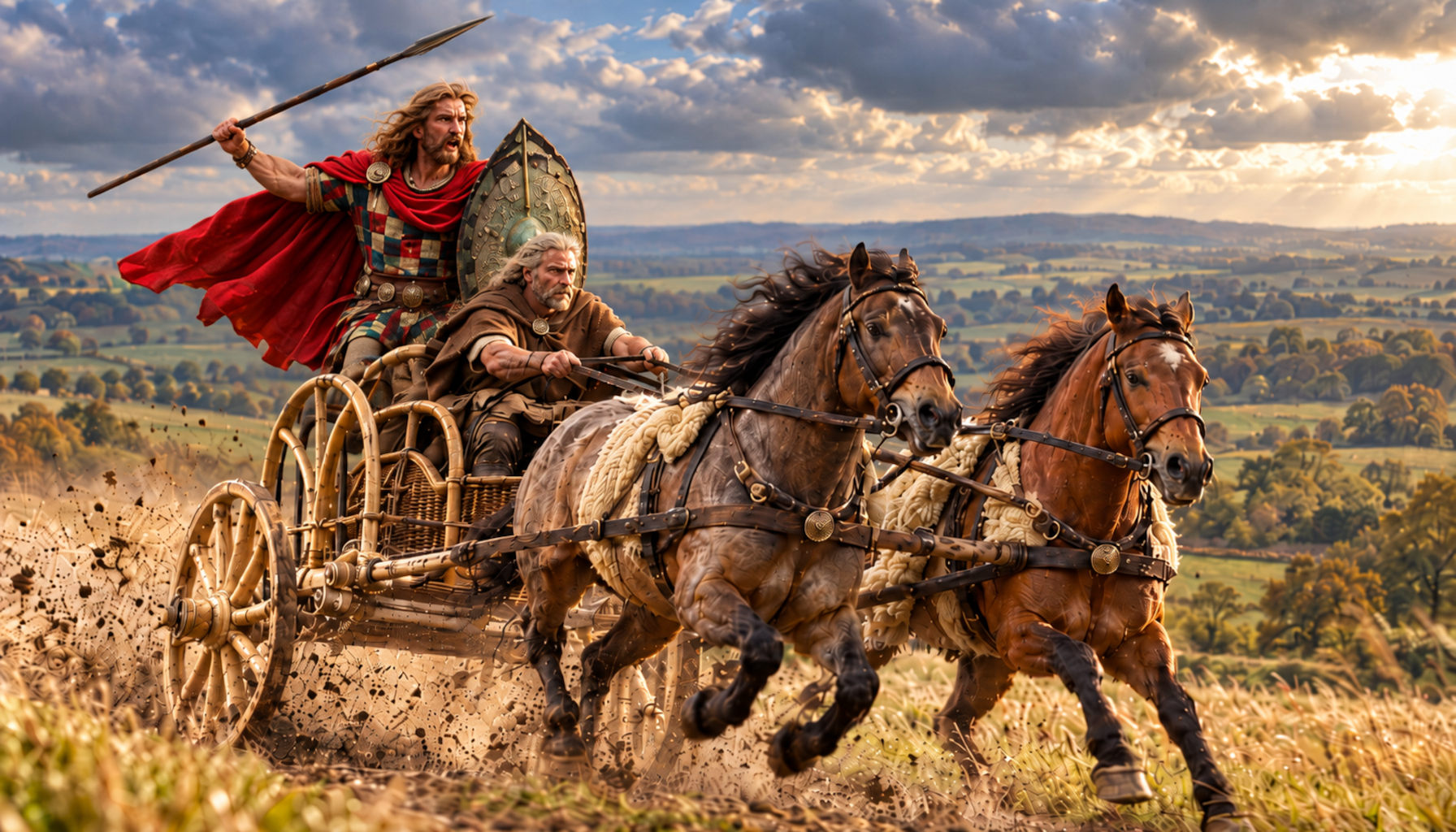
The haplogroup tag R1b1a1b1a1a1c2a1 connects the Wood family story to a much wider ancient European backdrop. Related or linked ancient samples assigned to this branch or its immediate context include individuals from Lombard elite burials at Collegno in northern Italy such as COL_069, COL_069b, and COL_069x; medieval Belgium at Sint-Truiden (ST0044); Iron Age and Gallic-era France at Bucy-le-Long, including CGG022456, CGG022425, and CGG022419; Viking Age Denmark samples from Kongsted Lyng (CGG019689), Trelleborg (CGG105938), and Rantzausminde on Funen (VK313); early Anglo-Saxon burials at West Heslerton in Yorkshire including I20644, I20671, and I20677; Longobard-era graves at Haeven in Mecklenburg-Vorpommern (HVN005 and HVN006); Jutish and early medieval English samples such as OAI002 and POH003; the Norman-period Lincoln Castle individual S3044; early medieval Wels in Austria (R10665); a Middle Bronze Age sample from Westwoud-Binnenwijzend in the Netherlands (I11972); a post-medieval plague victim from Ellwangen, Germany (ELW003); the Bell Beaker sample I4070 from De Tuithoorn in North Holland; and a medieval Upper Bavaria sample from Petersberg. These do not prove direct descent from any named ancient person, of course. What they do show is that the same paternal branch appears across a remarkable sweep of European history, from Bronze Age and Iron Age communities to Viking, Lombard, Anglo-Saxon, Norman, and later medieval settings.
If the Wood name appears in your family history, this is the point where heraldry, place, and DNA begin to speak to each other. Upload your DNA to MyTrueAncestry to see whether you match Clan Wood, or related ancient DNA samples linked to haplogroup R1b1a1b1a1a1c2a1, and explore how your own ancestry may fit into the longer Scottish and European story.
Comments