Clan Baxter

– 3 min read


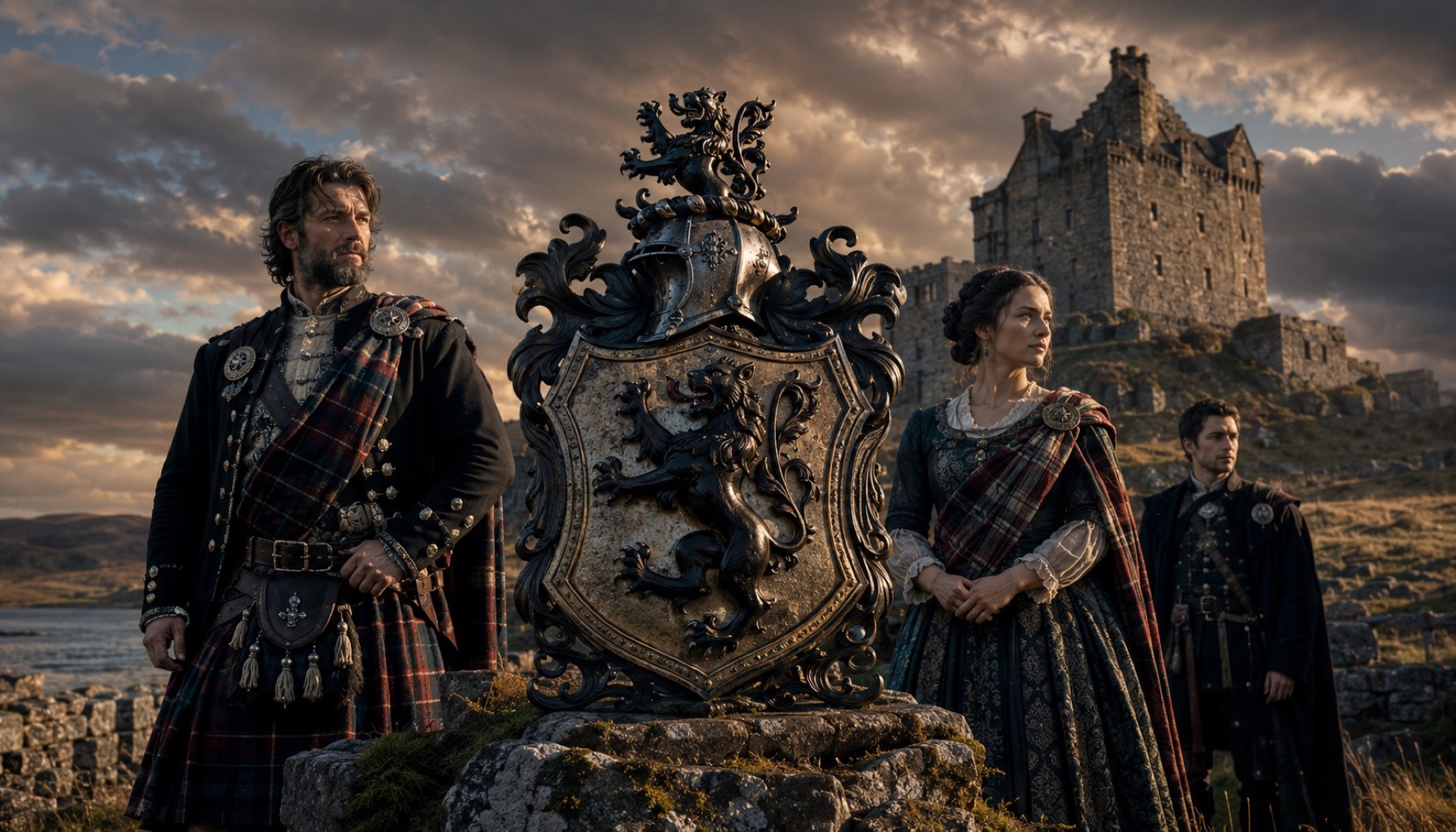
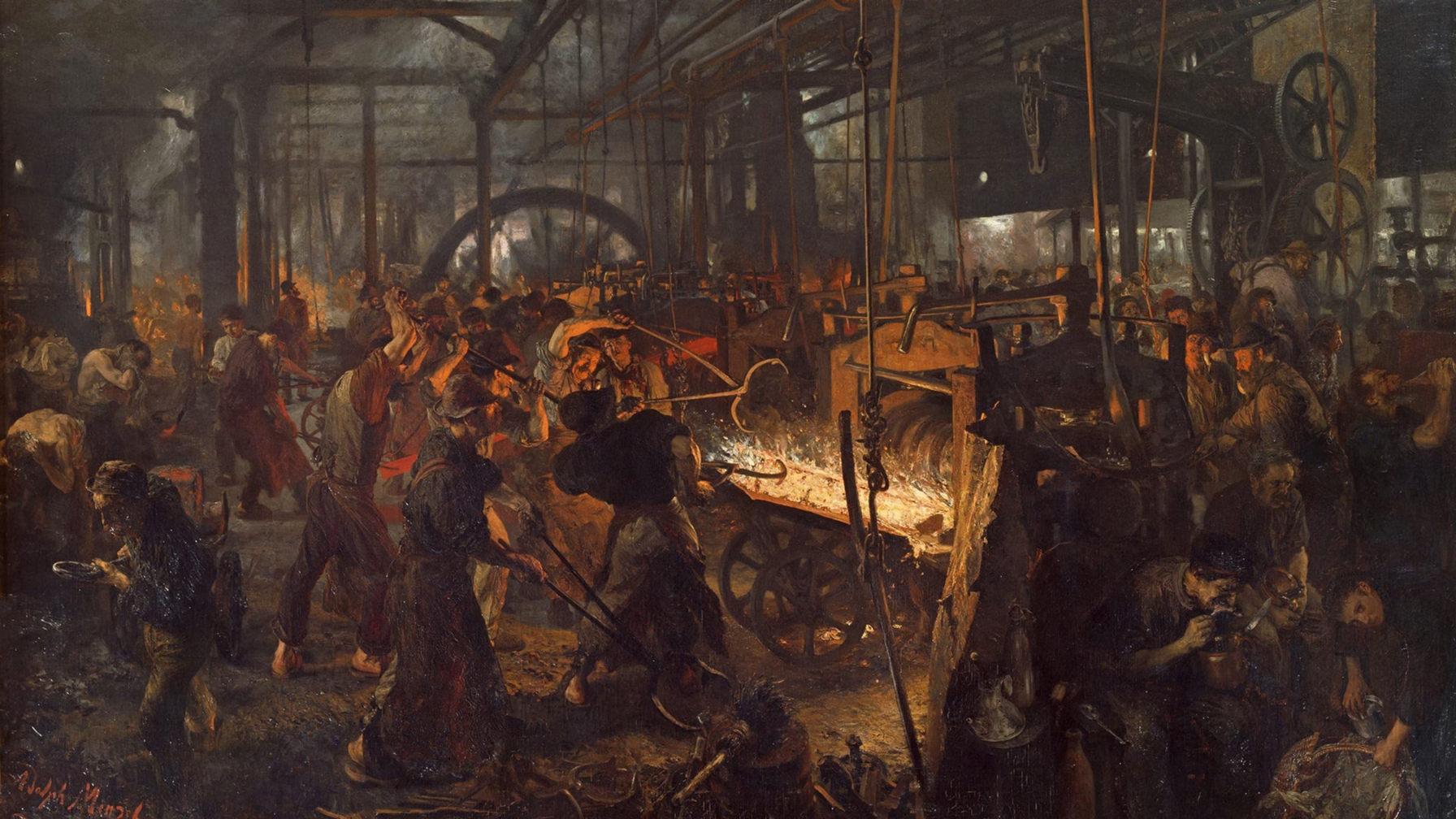
Clan Baxter was a Scottish surname clan rooted not in a great Highland territory but in a trade, a town, and a social role. The name comes from the Scots word baxter, meaning baker, and that tells you something important straight away: this is a family story born from work. In medieval Scotland, bakers were not incidental figures. They fed burghs, households, monasteries, markets, and travelling communities, and over time an occupational label hardened into a surname and then into a heritage identity. The Baxter name became especially widespread across Lowland Scotland, where urban life, craft organisation, and local record-keeping helped surnames settle and endure. The family is here tagged with the haplogroup R1b1a1b1a1a2c1a6c, treated as the primary Baxter haplogroup for this heritage profile.
That makes Clan Baxter a good reminder that Scottish clan memory is broader than tartan shorthand often suggests. Not every clan began as a mountain lordship with a glen attached. Some, like the Baxters, emerged from the social fabric of Scotland itself: occupation, burgh life, heraldry, continuity of surname, and the gradual rise of armigerous family identity. Their motto, Pro Libertate, or for liberty, gives the tradition a notably civic flavour, as if liberty here belongs not only to battlefield independence but also to the dignity of skilled work and community standing. Early named figures help anchor that long story. William Baxtare appears on record in 1312, a beautifully direct medieval glimpse of the surname in use. A more distant figure sometimes linked in extended family traditions is Reginar Longneck, Count of Hainaut, around 850, though such broad ancestral associations should be treated carefully and not as proof of direct descent.
A particularly evocative Baxter location anchor is Kilmaron Castle near Cupar in Fife, in the old landscape around St Andrews where ecclesiastical power, landed society, and local family history overlapped so thickly. The site is known today largely through its later house and estate history rather than as a fairy-tale fortress looming over the hills, but that is part of its interest. According to the University of St Andrews collections record, Kilmaron is associated with a substantial country house setting west of St Andrews and close to the historic routeways and agricultural lands that shaped Fife life for centuries. It sits in precisely the sort of Lowland environment where surnames like Baxter flourished: settled, productive, documented, and woven into parish, estate, and burgh networks. In other words, this is not the Scotland of misty invention, but of fields, kitchens, ovens, accounts, and enduring family memory. The area around Kilmaron can still be visited today, and while access to any specific private structures or grounds may vary, the wider locality around Cupar and St Andrews remains very much part of the living historic landscape.
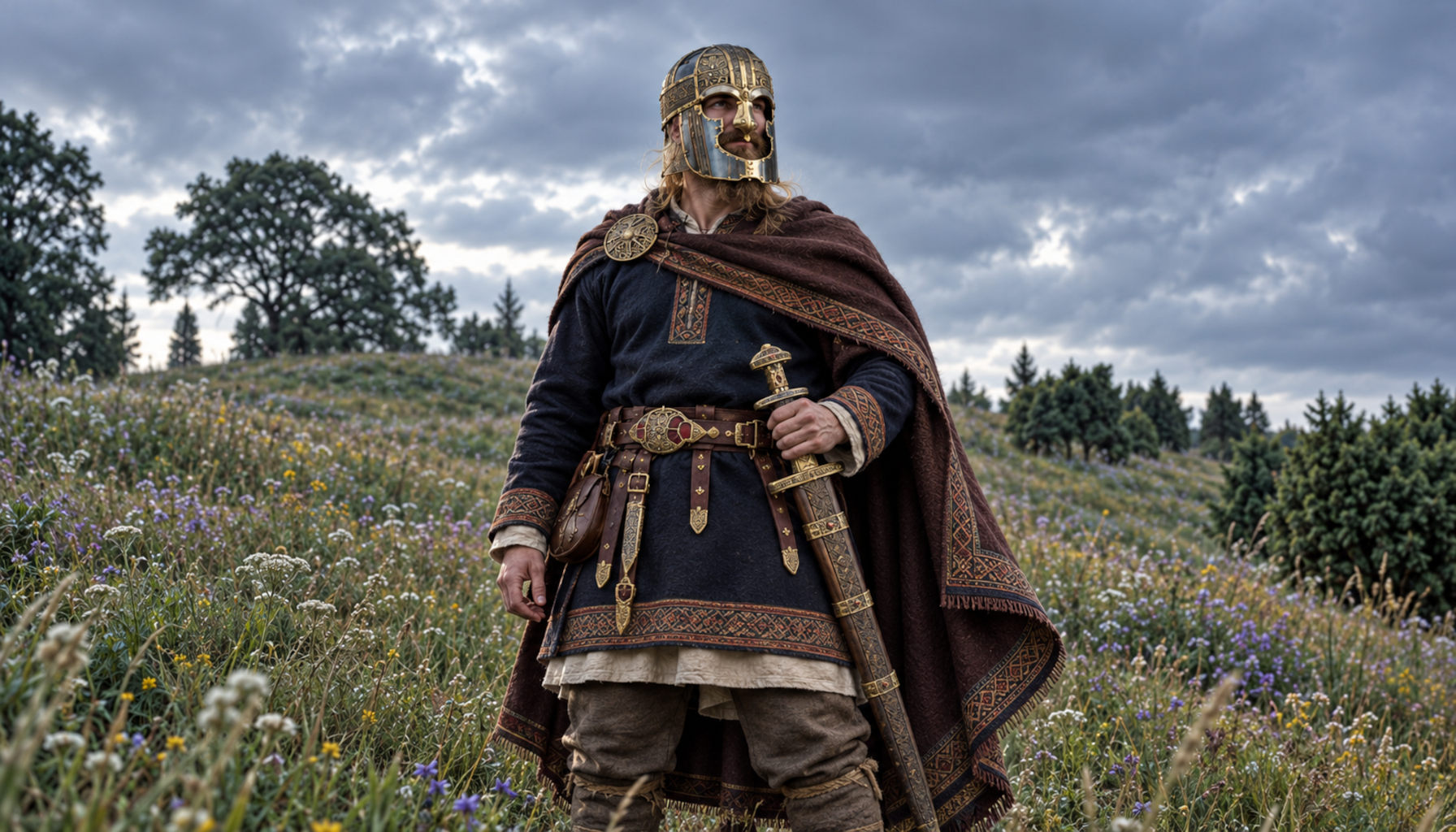
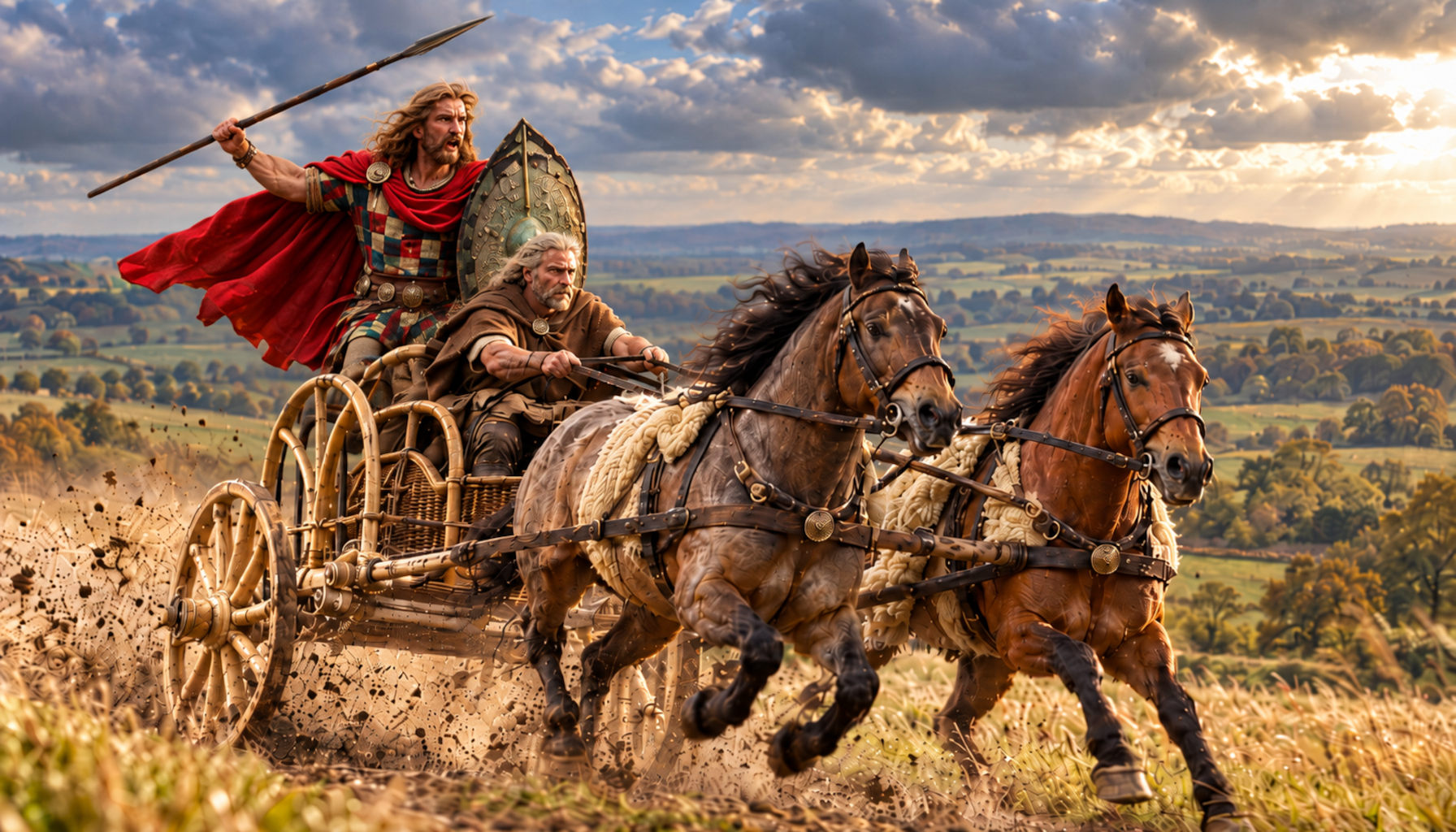
From an ancient DNA point of view, the Baxter haplogroup tag R1b1a1b1a1a2c1a6c links the family story into a very wide northwestern European and adjacent historical network. Related or linked samples carrying this branch or close associations appear across Iron Age, Roman, early medieval, and medieval contexts, including Celtic Durotriges burials at Duropolis, Winterborne Kingston in England such as WBK12, WBK20, WBK29, WBK41, WBK05, WBK30, WBK43, WBK06, WBK08, WBK18 and WBK191; Pict-era and Scottish-linked finds such as Mine Howe in Orkney and Broxmouth in East Lothian; Bronze and Iron Age Britain from places like Amesbury, East Kent, Yarnton, Somerset, Applecross, West Lothian and Westray; and later samples from Belgium, Spain, Ireland, Germany, Hungary, Croatia, Sweden, Denmark and beyond. These do not demonstrate direct descent from any named Baxter line. What they do show is that the haplogroup belongs to a deep and mobile population history stretching through the same Atlantic and North Sea worlds that later fed Scottish surname formation. For a family like the Baxters, whose identity emerged from medieval Scottish society rather than a single conquest legend, that kind of broad genetic backdrop is especially fitting.
Explore ancient DNA in Roman and early medieval Britain
If you carry the Baxter surname, or think your family may connect to this Scottish heritage, it is worth looking at the story from both angles: the documentary trail of occupation, place, and heraldry, and the deeper population background visible through DNA. Upload your DNA to MyTrueAncestry and see whether you match Clan Baxter or any of the related ancient DNA samples linked with haplogroup R1b1a1b1a1a2c1a6c.
Comments