Clan Baird
– 2 min read


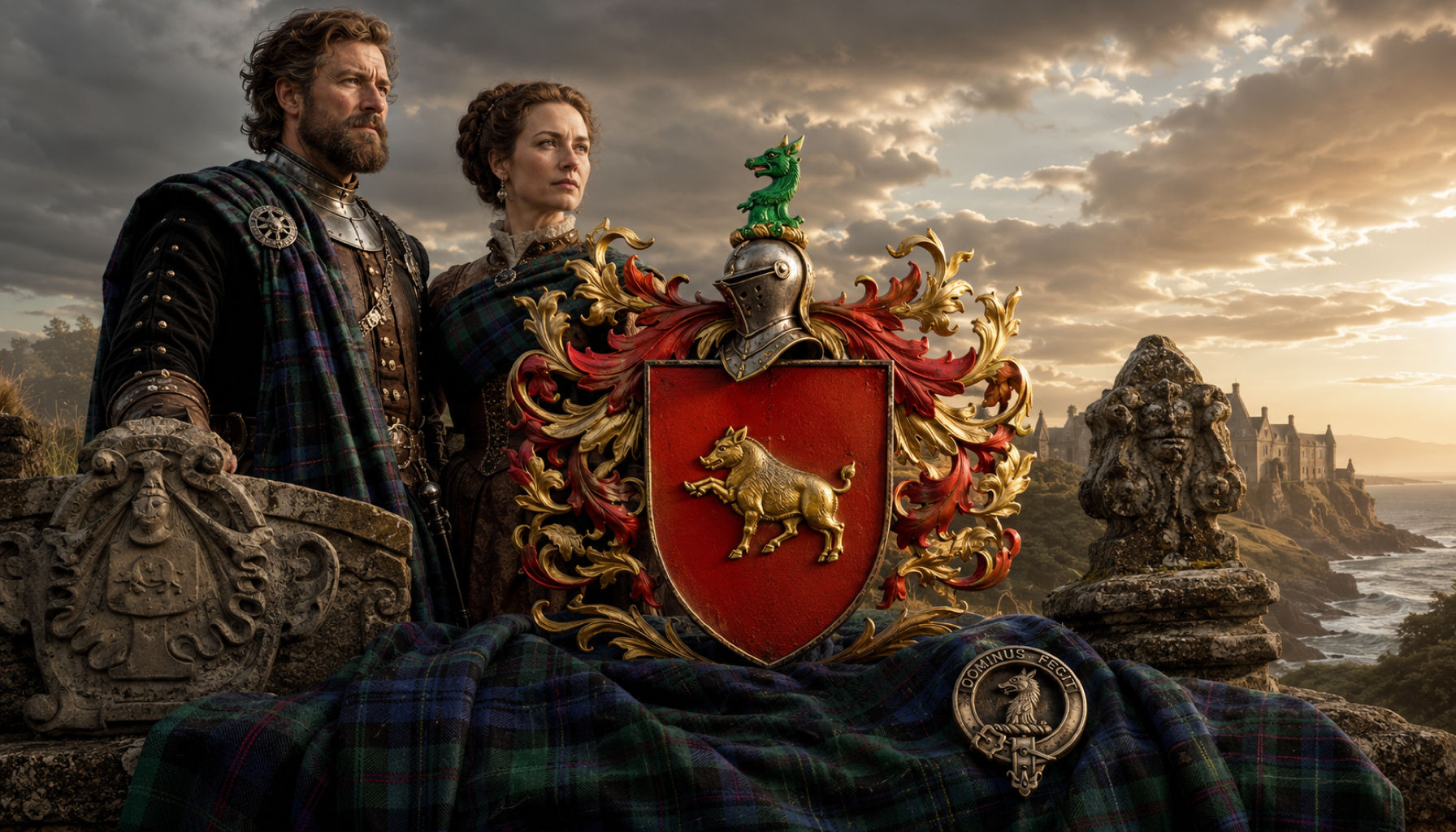
Clan Baird was a Scottish armigerous family whose story belongs above all to Lowland Scotland, though later branches became prominent farther north-east as well. Traditionally linked with Norman roots, the Bairds emerged in the medieval kingdom of Scotland as landholders, estate-builders, and local figures of authority. Their primary family haplogroup is tagged here as R1a1a1b1a3a1a, a lineage that opens an intriguing genetic window onto the deeper past while the documentary record anchors them firmly in Scotland's feudal and post-feudal world.
What makes the Bairds interesting is that they represent a very Scottish pattern of identity that is not always the tartan-and-claymore version people expect. This was not a clan defined by one vast Highland territory, but a durable landed family whose importance was built through charters, property, heraldry, education, and public service. In places such as Lanarkshire, and later in the north-east, the surname became associated with continuity and standing. One early named figure is Richard Baird, recorded in 1390, a reminder that by the late medieval period the family was already visible in the written record of Scottish society.
One of the strongest location anchors for the family is Auchmeddan Castle in Aberdeenshire, near Pennan on the north-east coast of Scotland. The site is not simply a romantic ruin with a good sea view, though it certainly has that too. Historically it was a tower house associated with the Bairds of Auchmeddan and stood in a landscape where lordship, kinship, and coastal communication mattered enormously. The surviving remains are fragmentary today, but they still speak of the world of late medieval and early modern landed Scotland: defensive domestic architecture, regional influence, and a family making its mark not by ruling a kingdom, but by holding ground, maintaining status, and being remembered in stone. As a ruin, the site can still be visited in the area, reasonably enough for those interested in tracing the Baird footprint in the north-east.
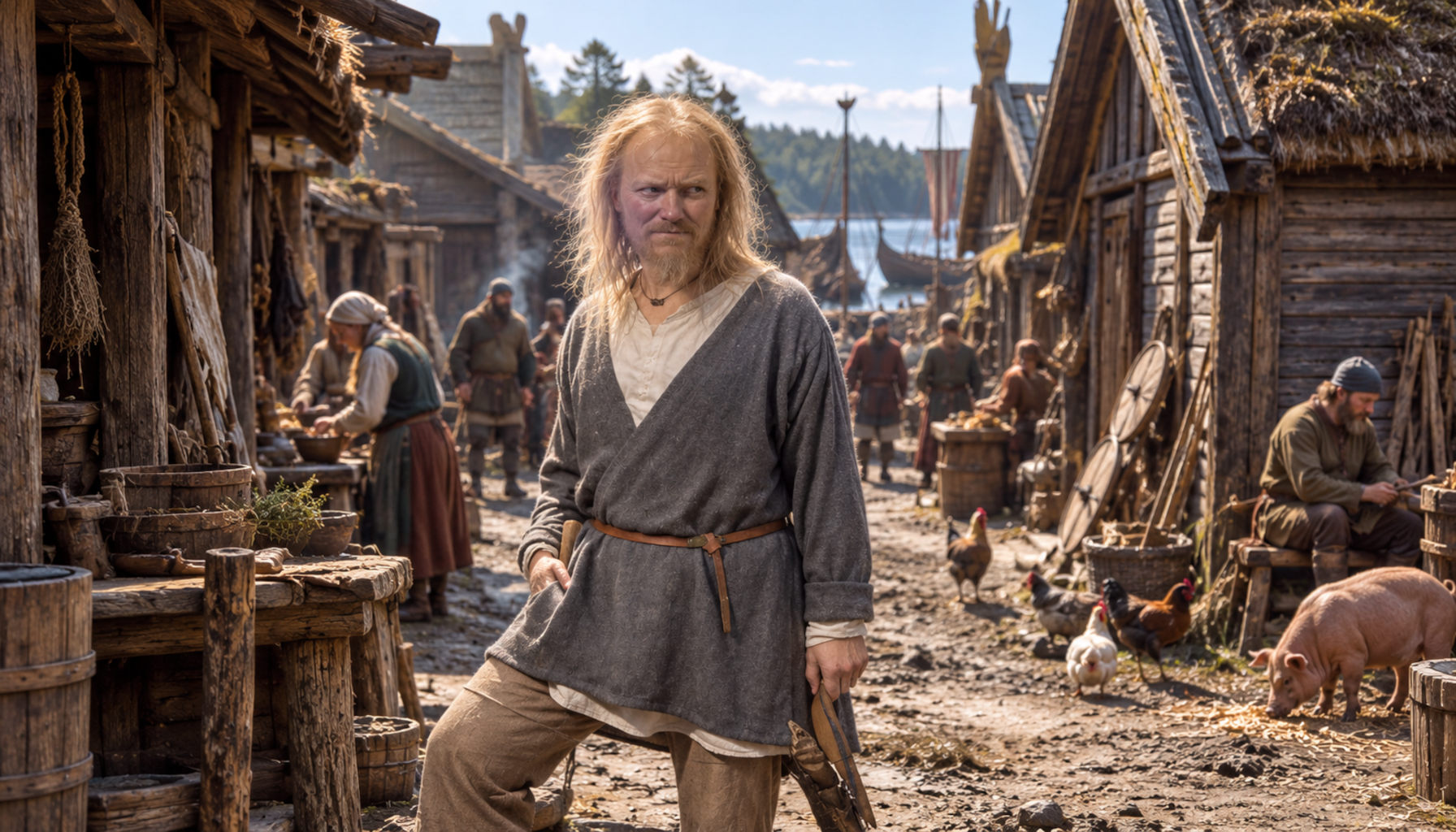
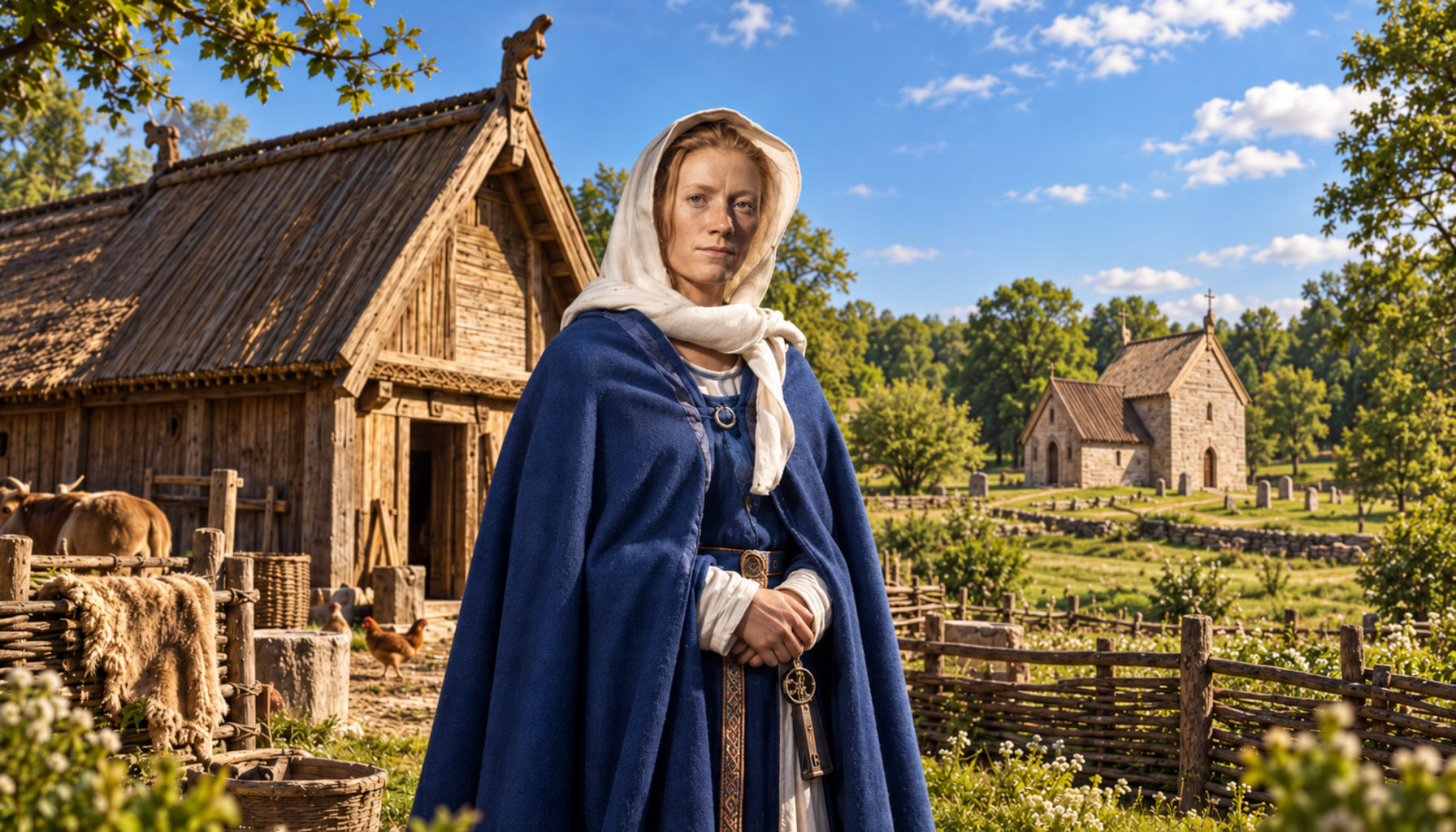
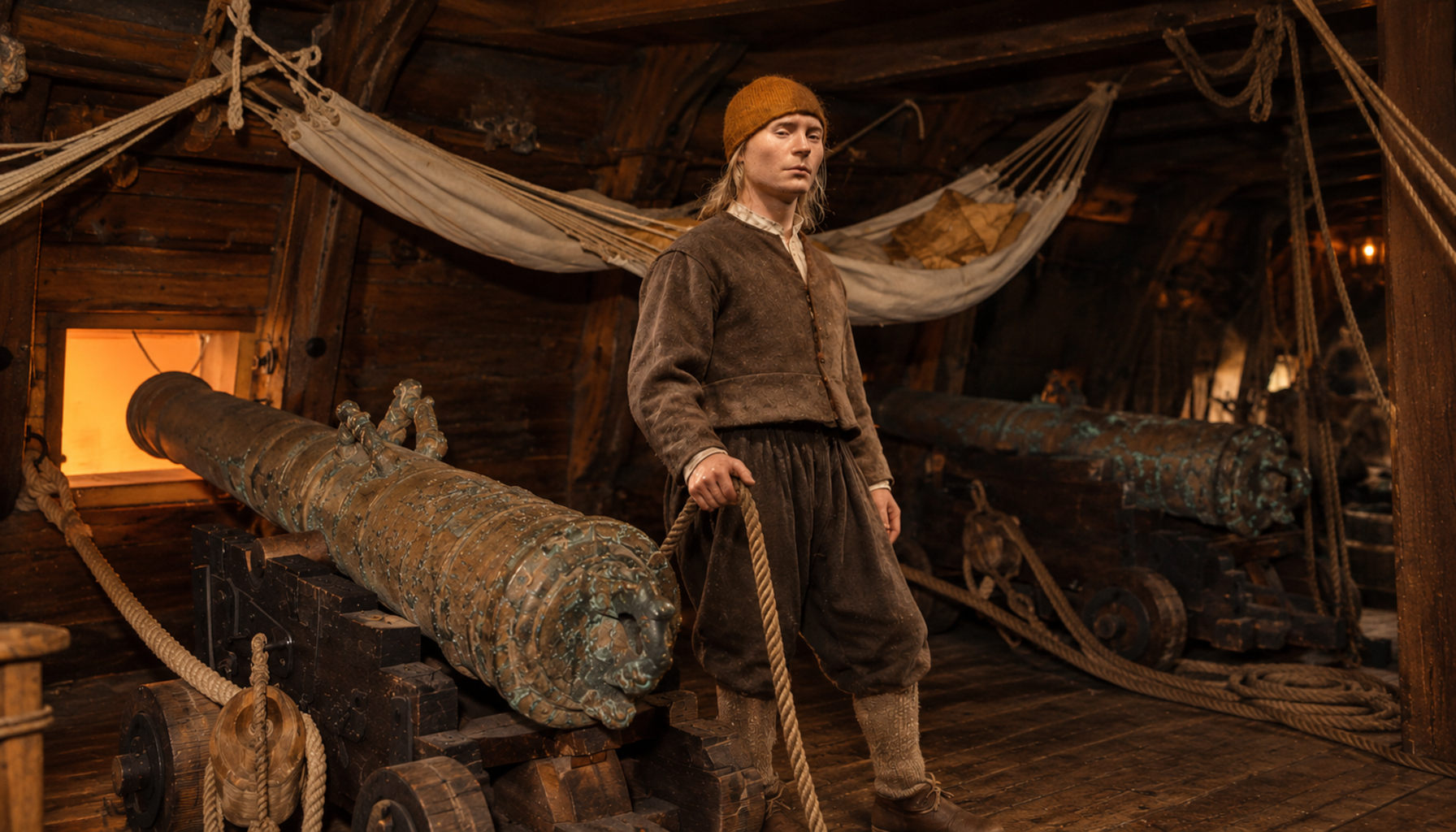
From the ancient-DNA side, the Baird haplogroup tag R1a1a1b1a3a1a connects not to a single proven ancestor, but to a broad web of related or linked samples across time and space. These include Early Medieval Slovakia Bratislava (I4803), Historic St. Mary City Chapel Field Cemetery Maryland (I15285), several medieval individuals from Vasterhus in Sweden (mbv190, mbv252, mbv331, mbv123), Gothic-era Maslomecz in Poland (PL067), Iron Age Denmark at Roskilde (CGG105327), and a striking run of Scandinavian samples from Norway, Sweden, Iceland, the Faroes, and Viking Age contexts such as Halogaland Holm (CGG107030), Klepp (CGG107039), Engholmen (CGG107011), Skara Varnhem (VK397), Ingiridarstadir Iceland (VK129), Oland (VK344), Hedmark (VK394), Salme in Saaremaa (VK493), Gotland Kopparsvik (VK48), and the Ridgeway Hill Viking invaders in England (VK256, VK264). Also relevant are Anglo-Saxon and early medieval English samples such as Sedgeford Norfolk (SED006) and Polhill Kent (POH006), along with later medieval and early modern linked individuals such as Zalavar Varsziget in Hungary (AHS18) and the Stora Kronan shipwreck sample from Sweden (kro012). Taken together, these linked finds suggest that this paternal line appears in a very wide northern and central European context, one that fits well with the mixed Norman, Scottish, North Sea, and medieval European worlds in which families like the Bairds made their history.
If you carry the Baird surname, have Baird ancestors in your tree, or simply want to see how your own story fits into this larger Scottish and North Sea past, upload your DNA to MyTrueAncestry and explore whether you match Clan Baird or any of these related ancient DNA samples.
Comments