Clan ODuffy
– 3 min read


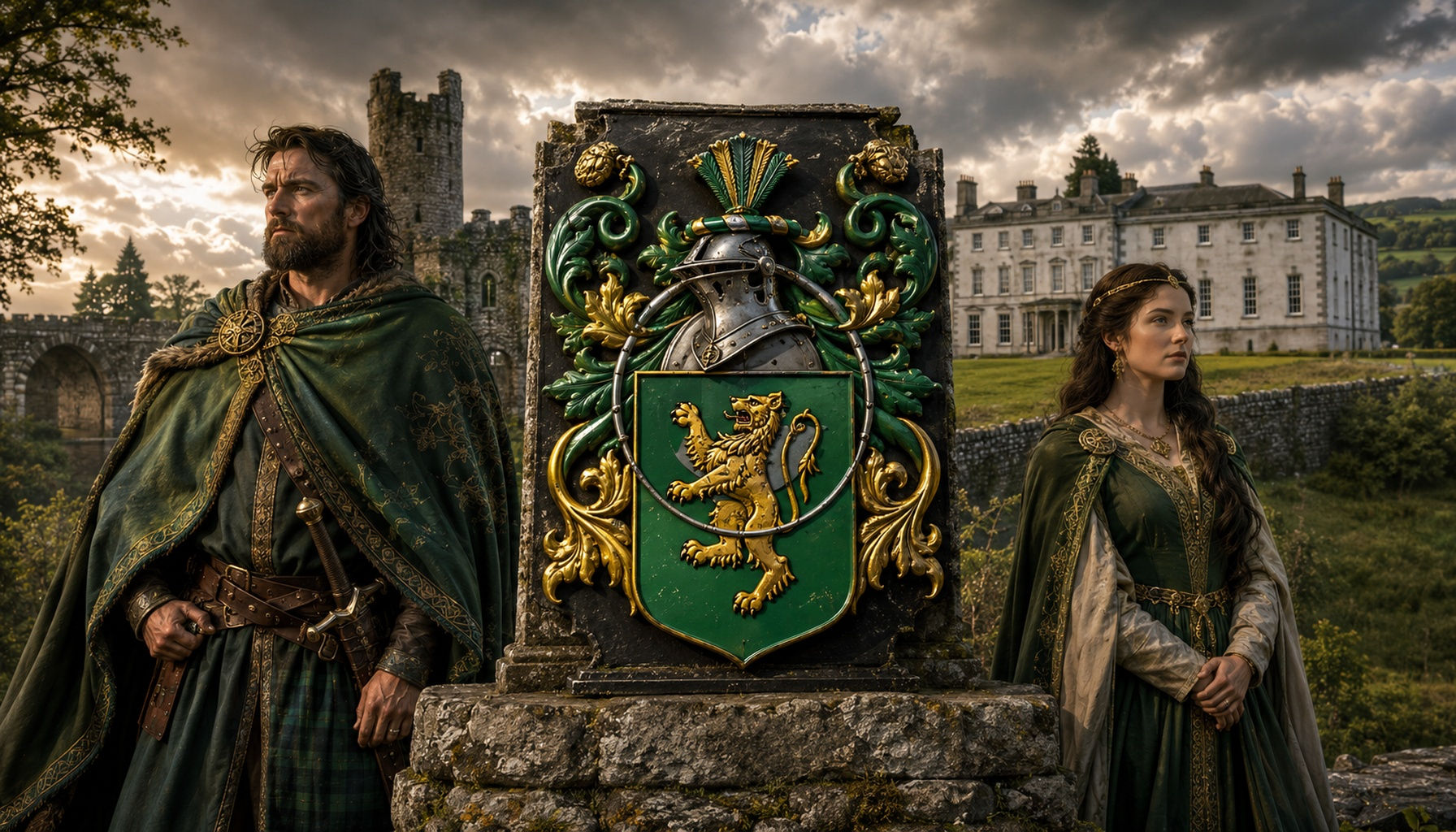
The ODuffy family, from the Gaelic O Dubhthaigh surname tradition and later often anglicized as Duffy, belongs to one of the classic patterns of Irish identity: a hereditary family name that carried memory, descent, and place all at once. In the Gaelic world, a surname was never just a label. It pointed to kin, to loyalties, to a local landscape, and to a social order in which families rose through service, learning, church office, and regional authority. For the ODuftys, that older Gaelic character remained surprisingly durable, even through conquest, anglicization, migration, and all the rough weather of Irish history. Linked here with the haplogroup R1b1a1b1a1a2c1a5d3a1a, the family sits within a broader paternal line deeply at home in the story of Atlantic Europe and Ireland in particular.
Historically, the name is especially associated with Connacht and with Tuam in what is now County Galway, a place that mattered greatly in medieval church and political life. This was not an Ireland of neat counties and fixed borders as we imagine them today, but a dense patchwork of lordships, ecclesiastical centers, rival dynasties, and old family networks. The O Dubhthaigh name appears in that world as part of a hereditary Gaelic tradition that could produce churchmen as well as local notables. One of the best known figures is Murdagh ODuffy, Archbishop of Tuam, who lived from 1075 to 1150. He stands as a reminder that families like the ODuftys were not floating abstractions in the records. They were embedded in real institutions, real struggles for influence, and real communities where ancestry and office could reinforce one another across generations.
Read more about Clan ODomhnaill
A strong location anchor for the ODuffy story is St Marys Cathedral, Tuam, still standing in the town and still visitable today. The cathedral occupies a site of immense historical depth in one of medieval Ireland's most important ecclesiastical centers. The present building is largely a Church of Ireland cathedral with medieval origins and later rebuilding, but the place itself reaches back into the era when Tuam was a major archiepiscopal seat. Inside and around it survives that layered feeling so common in Irish sacred sites: not one single moment frozen in time, but centuries piled on centuries, with rebuilding, reform, damage, reuse, and memory all entangled together. For a family associated with the archiepiscopal world of Tuam, this is exactly the sort of place that turns a surname into something tangible. You are no longer dealing with a name on a screen, but with stone, church politics, burial memory, and the physical landscape of a Gaelic ecclesiastical capital.
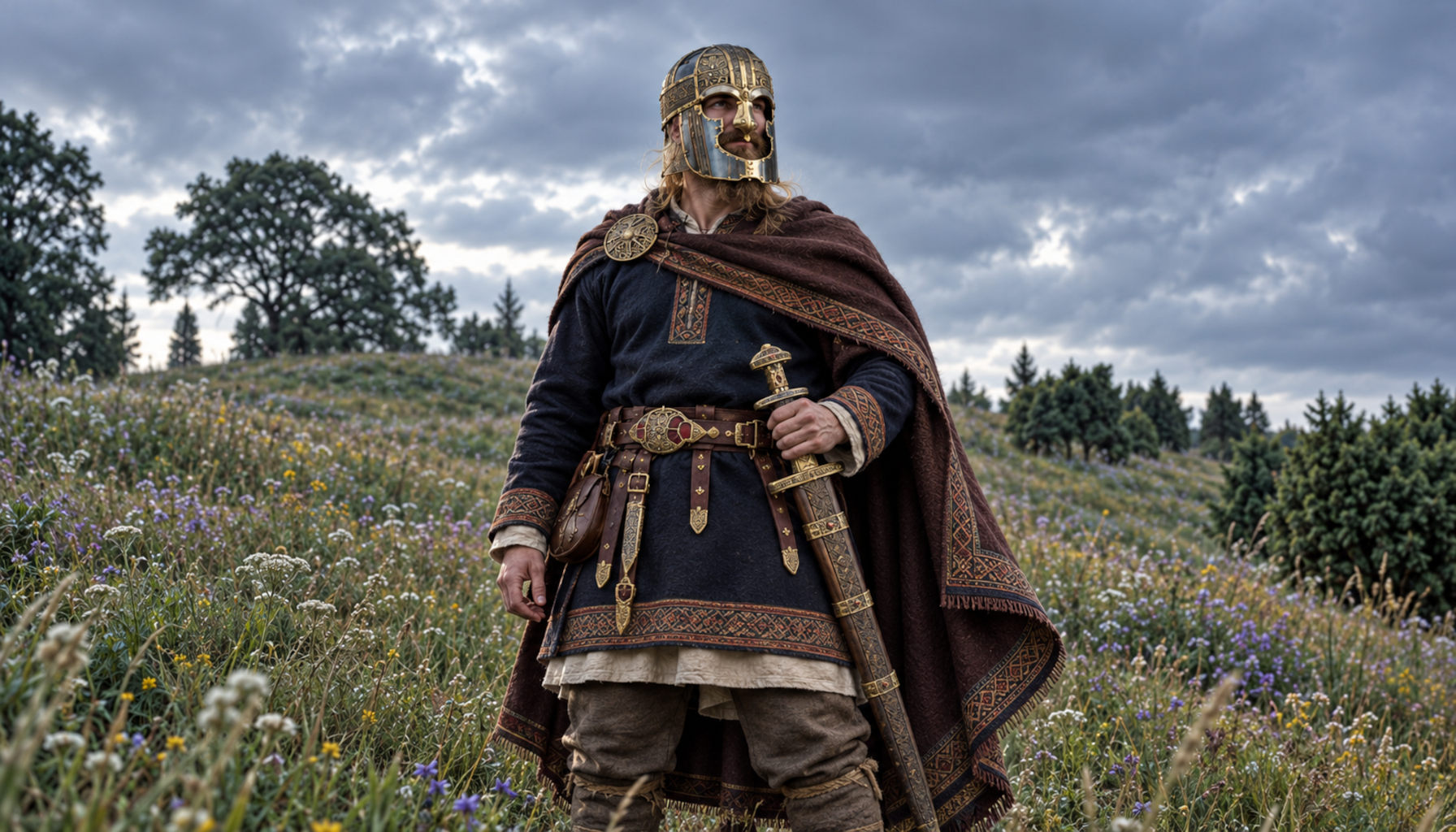
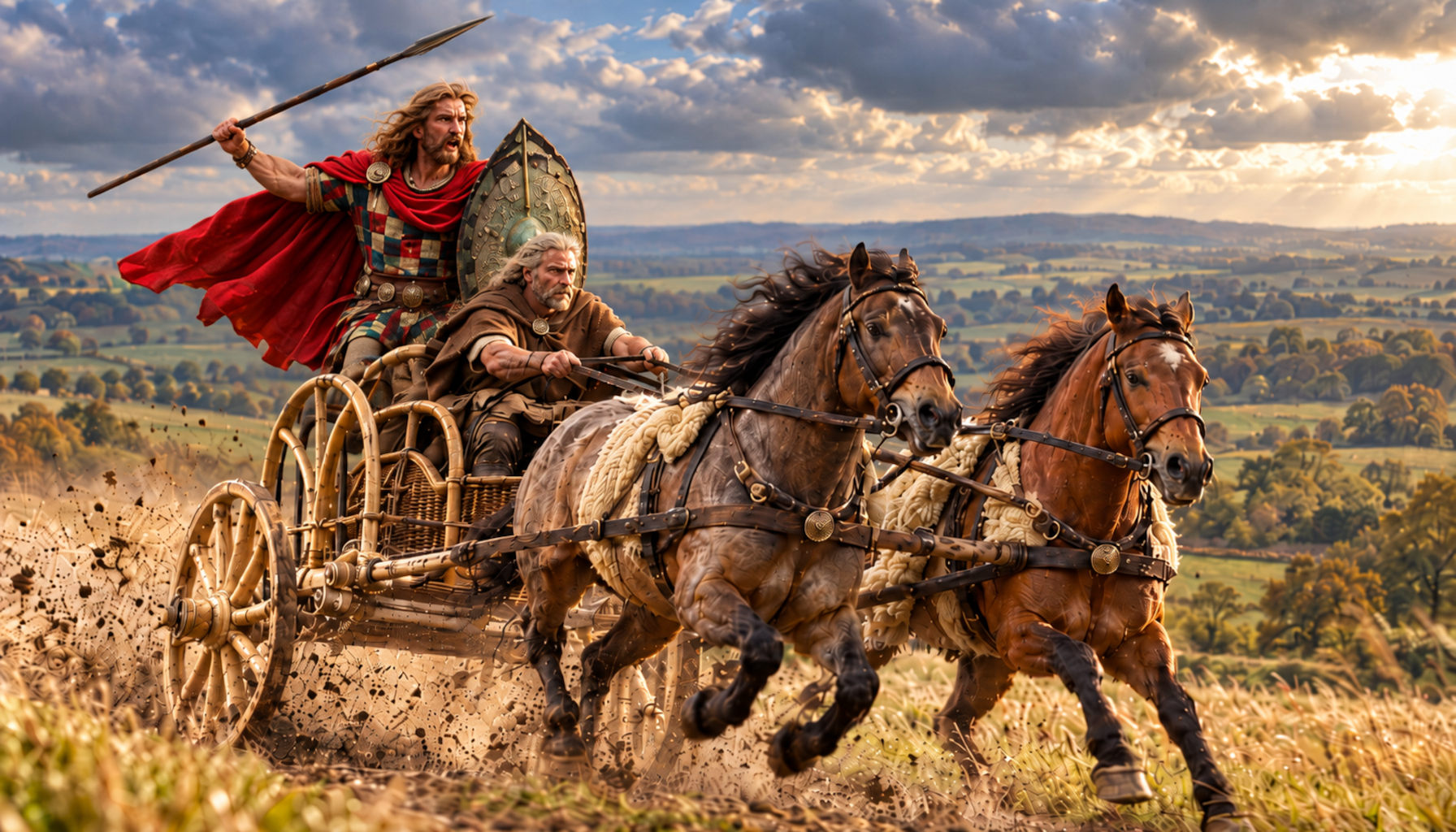
On the ancient DNA side, the haplogroup tag R1b1a1b1a1a2c1a5d3a1a links the ODuffy story to a wider web of ancient paternal lines found across Britain and Ireland, though not as proof of direct descent from any one excavated person. Related or linked examples include sample I11586 from the Early Anglo Saxon cemetery at West Heslerton in Yorkshire, I12775 from Celtic Briton Carsington Pasture Cave in Derbyshire, I12783 from Celtic Briton Lechlade-on-Thames in Gloucestershire, I11156 from Celtic Briton Bradley Fen in Cambridgeshire, I12785 from Iron Age Greystones Farm in Gloucestershire, and the much earlier Irish Copper Age individual Rathlin1B. Taken together, these samples sketch a long and complicated northwest European backdrop: Iron Age Britons, later communities in early medieval England, and prehistoric Ireland all feeding into the deep paternal landscape from which later surnamed families eventually emerged. That does not make the ODuftys descendants of any named ancient skeleton, but it does place the family within a very old genetic horizon shared across parts of Ireland and Britain.
Explore ancient DNA in post-Roman Britain
The real fascination of a family like ODuffy is that it joins three things people often keep apart: surname history, place, and DNA. If your family carries the Duffy or O Dubhthaigh name, or if you suspect a connection to Gaelic Irish ancestry from Connacht and Tuam, you can dig further. Upload your DNA to MyTrueAncestry to see whether you match the family story of Clan ODuffy or show links to related ancient DNA samples from Ireland and Britain.
Comments