Clan Matheson
– 3 min read


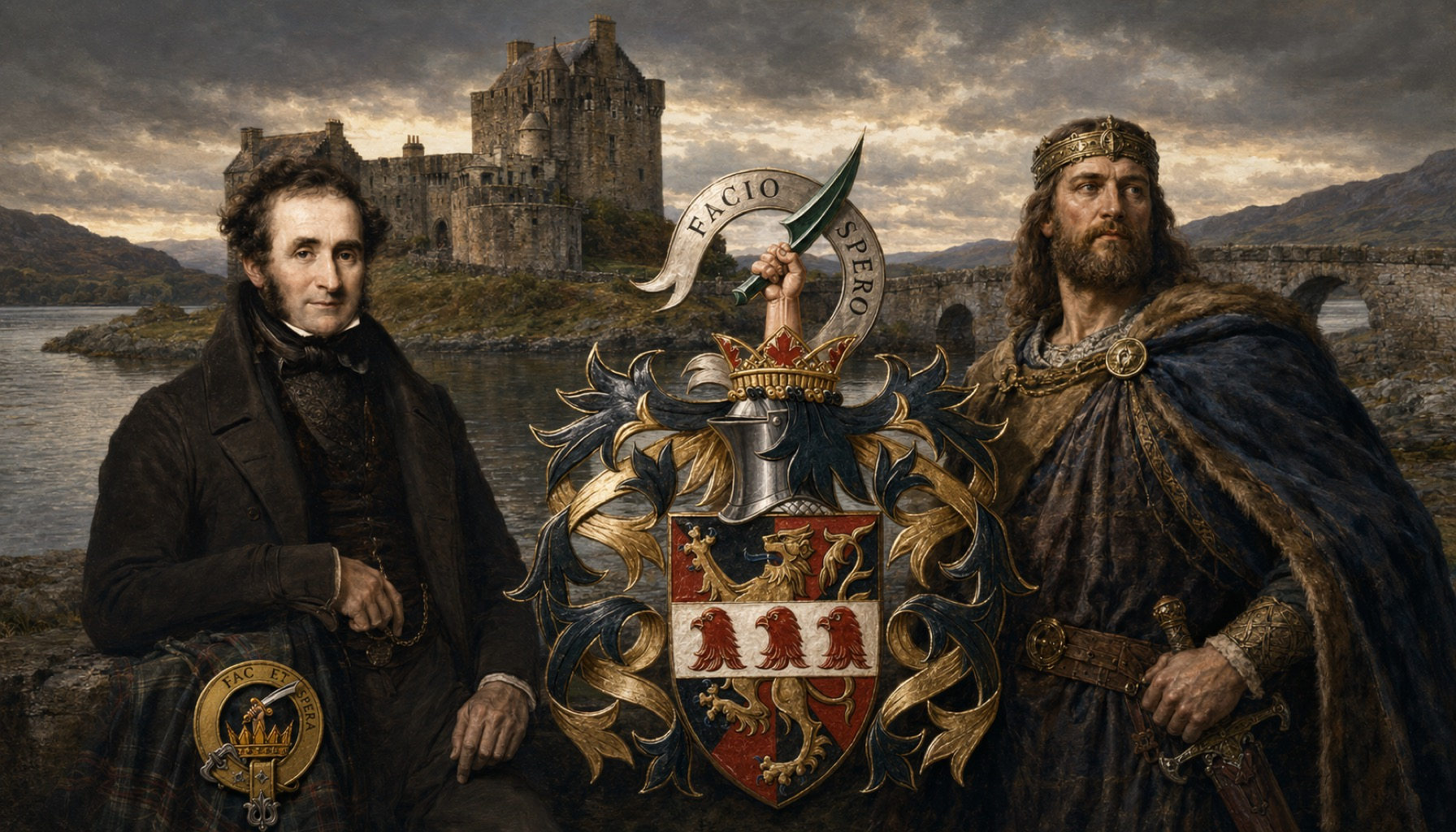
Clan Matheson was a Highland Scottish clan of the northwest, rooted above all in Ross-shire and Lochalsh, and shaped by the Gaelic world of kinship, land, loyalty, and memory. Their story belongs to that recognisable northern Highland pattern in which family was never just a surname on paper, but a lived connection to chiefs, fighting men, neighbours, and ancestral ground. The clan is often linked in genetic tagging to the Y-DNA haplogroup R1b1a1b1a1a2c1a4b2b1a, a paternal line found within a broad Atlantic and Celtic-facing genetic landscape.
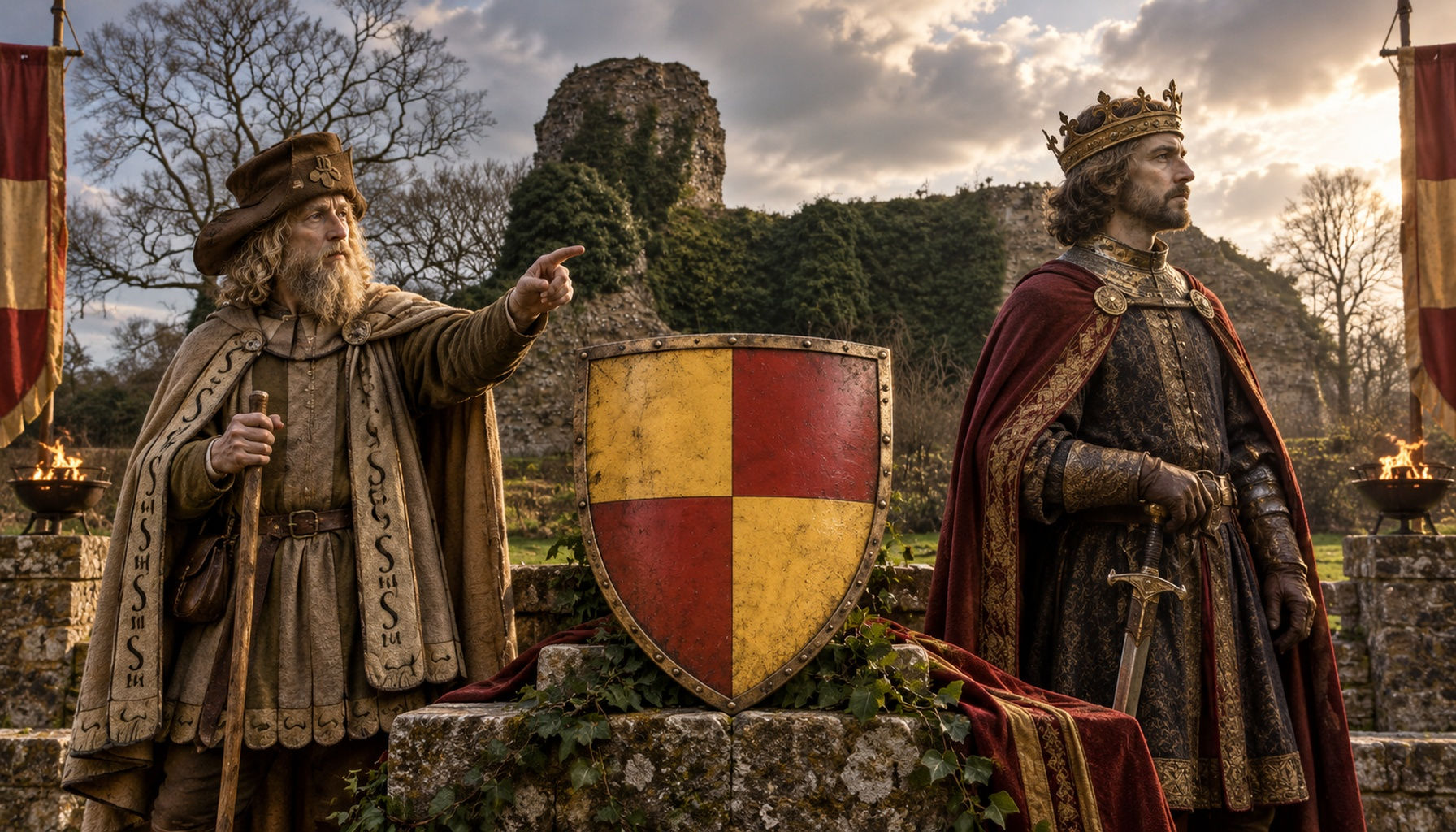
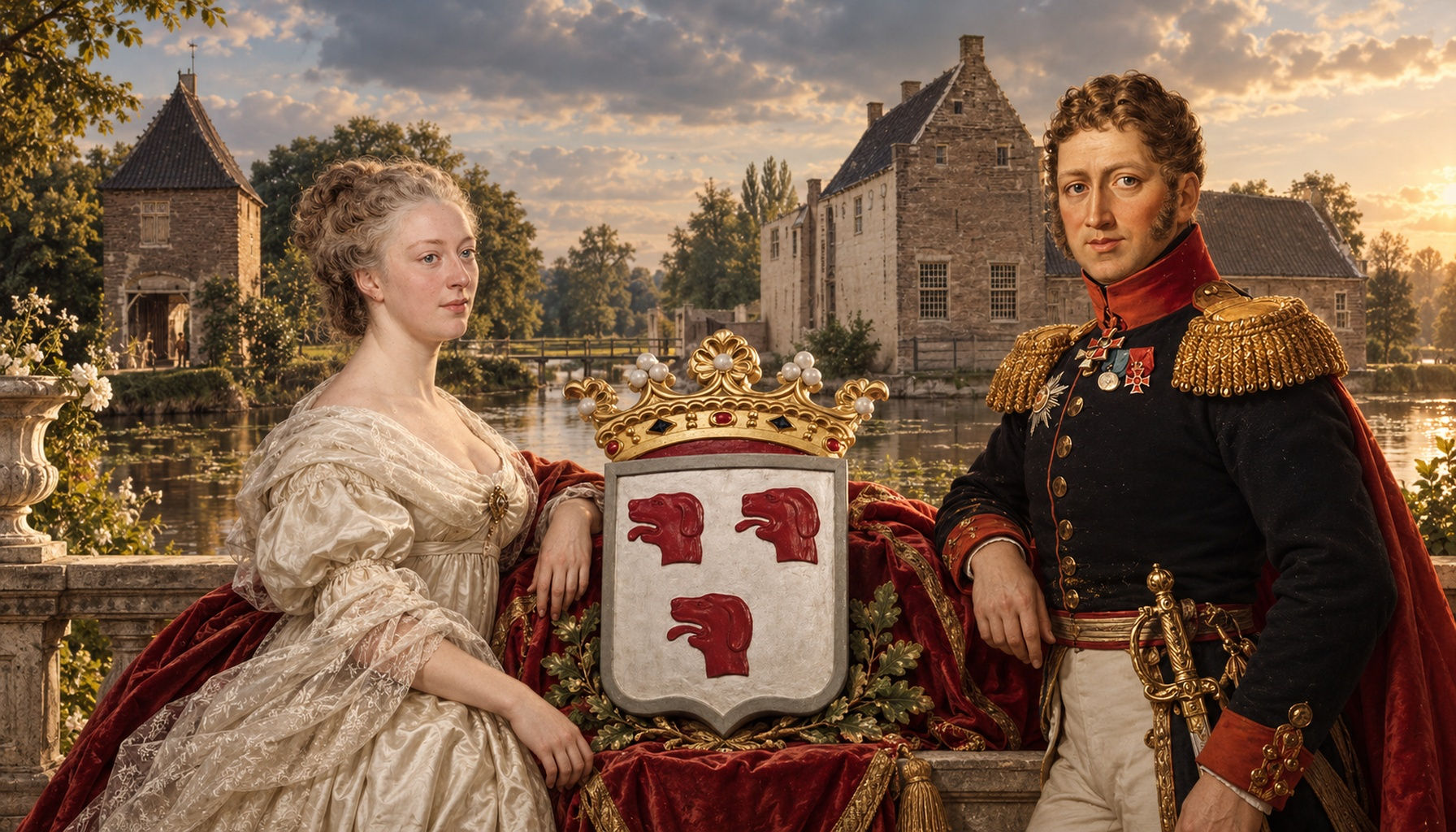
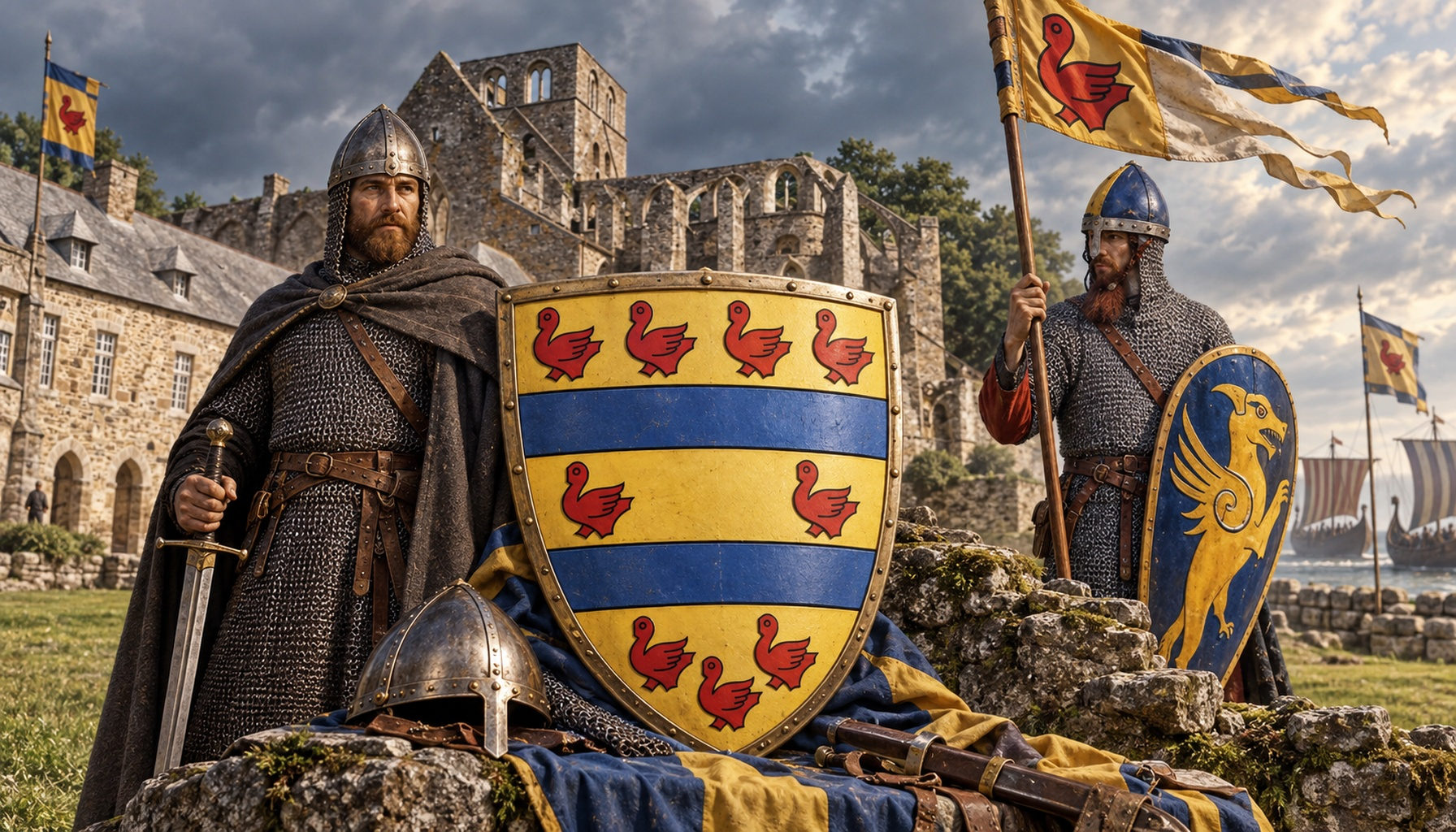
The Mathesons emerged in a region where Norse pressure, Gaelic lordship, and later Scottish crown authority all overlapped in complicated ways. That matters, because Highland clans did not spring into existence fully formed; they were made over centuries through alliance, service, marriage, landholding, and reputation. Matheson heritage includes heraldry, chiefship, military service, and a tenacious continuity through political change and dispersal. Traditional genealogies sometimes looked back toward ancient Scottish royal lines, and names such as Kenneth Mac Alpin, King of Scotland, have long had symbolic weight in Highland origin stories, though such links belong to the realm of historical tradition rather than straightforward documentary proof.
Read more about Clan Mackenzie
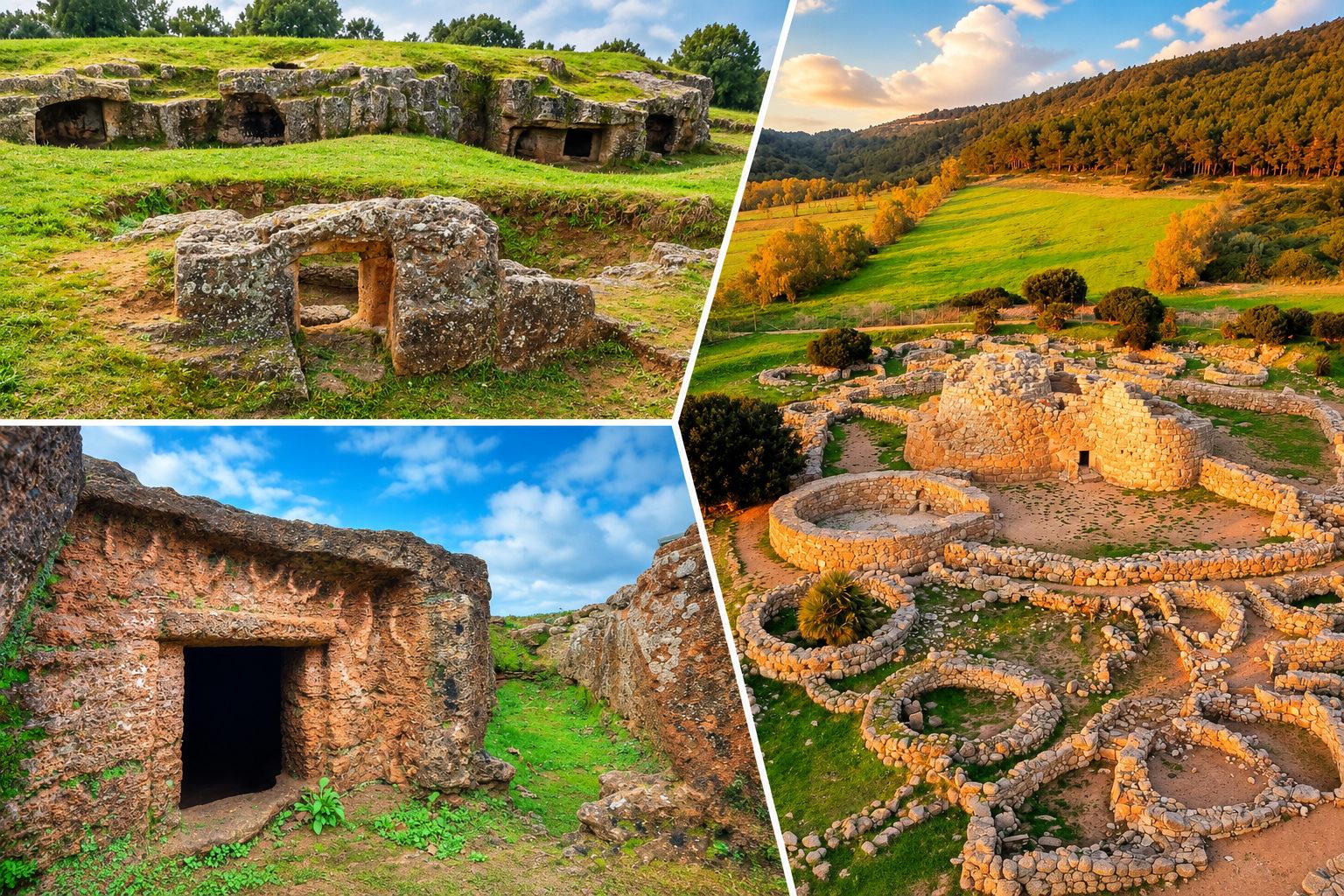
A particularly evocative location anchor for Matheson memory is Loch Achaidh na h-Inich, a small freshwater loch in Wester Ross in the Applecross area of the northwest Highlands. This is exactly the kind of place that helps explain clan history better than any list of dates can. It sits in a landscape of rough hills, water, narrow roads, and old settlement patterns where family identity was tied to what one could see, cross, defend, inherit, and remember. In practical historical terms, such a loch was not merely scenery. It belonged to a lived world of grazing, movement, seasonal work, and local territorial awareness. Places like Loch Achaidh na h-Inich preserve the physical backdrop to Gaelic continuity, and yes, the area can still be visited today, which is part of its appeal: it remains a real Highland landscape, not a vanished one.
From an ancient-DNA perspective, the Matheson-associated paternal tag R1b1a1b1a1a2c1a4b2b1a sits within a wider web of related or linked samples stretching across Britain and beyond. These include Celtic Durotriges individuals from Duropolis at Winterborne Kingston in England such as WBK12, WBK20, WBK29, WBK41, WBK05, WBK30, WBK43, WBK06, WBK08, WBK18, and WBK191; Iron Age and later British samples like I11991 from Worlebury, I21309 from Battlesbury Bowl, I2693 from East Lothian, I3568 from Applecross, and I11580 from post-Roman Worth Matravers; as well as deeper prehistoric and later European examples including KD061 from Bronze Age Orkney, I5473 from South Lanarkshire, I3256 from Trumpington Meadows, I2417 from Amesbury Down, I4950 from Bell Beaker Upavon, I7576 and I7577 from Bedfordshire, HI2 from Iron Age Hinxton, I5377 from the Early Bronze Age Thames, Rathlin2B from Copper Age Ireland, ATP_PSN_192 from medieval Cambridge, I26776 from Roman-era Zadar, GMO015 from Bronze Age Calabria, ST2025 and ST1308 from medieval Belgium, CGG023699 from Gallic France, IND013 from Merovingian Germany, R10656 from late Roman Austria, and R10488 from late Roman Portugal. None of these should be read as proof of direct descent from Clan Matheson itself. Rather, they sketch the broader ancient genetic world linked to this paternal branch: a world of Bell Beaker expansions, Bronze Age continuity, Iron Age Celtic societies, and later medieval communities across Atlantic and western Europe.
If Clan Matheson is part of your story, the most interesting question is not whether the past was simple, but how many layers of Highland, Gaelic, and older ancient ancestry may still be visible in your DNA. Uploading your results can help you explore whether you match Clan Matheson, neighbouring Highland families, or any of the related ancient DNA samples linked to haplogroup R1b1a1b1a1a2c1a4b2b1a.
Comments