Clan Marjoribanks
– 2 min read


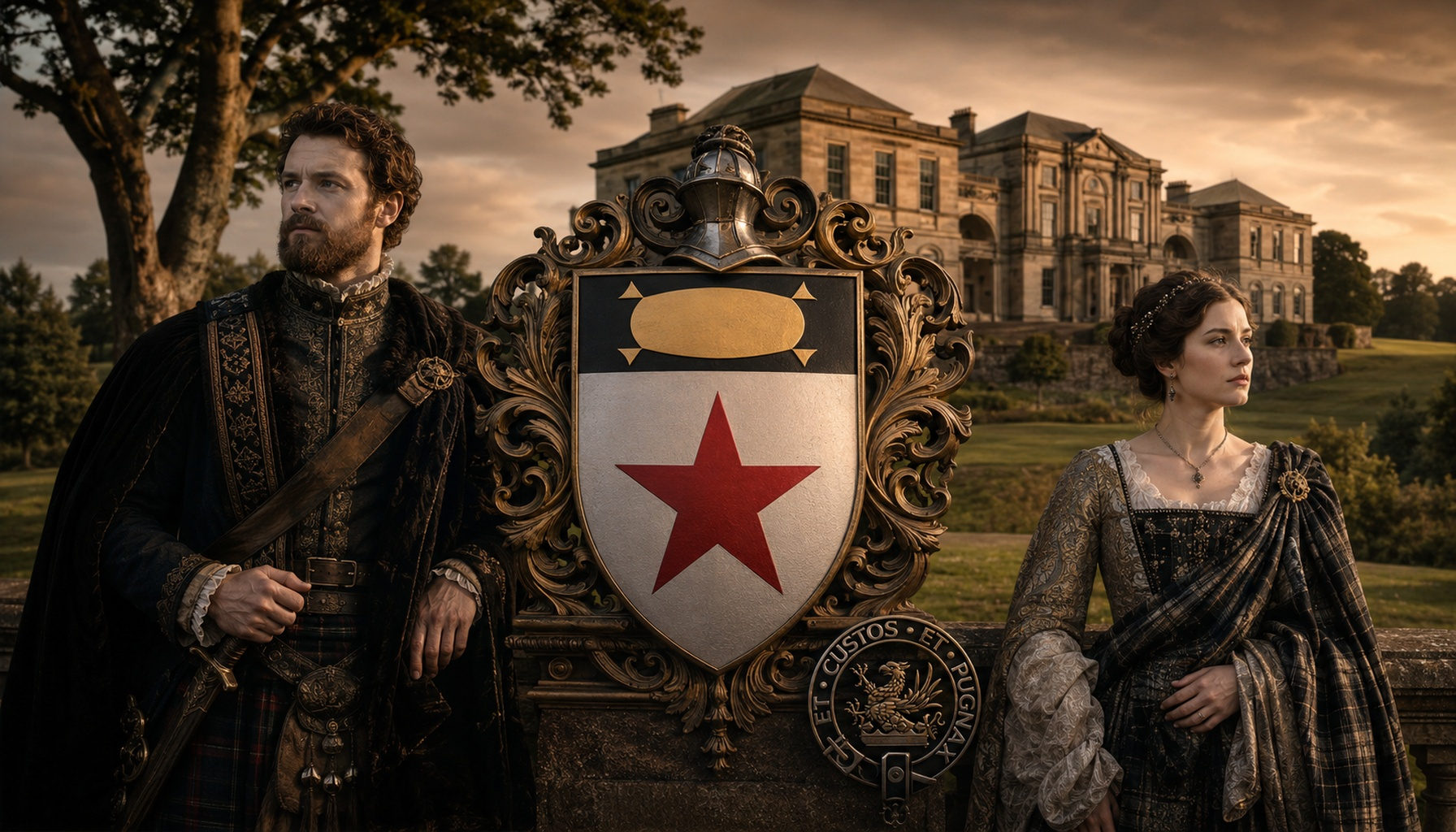
Clan Marjoribanks was a Scottish Lowland armorial family, rooted less in the image of a war band gathered under a Highland chief and more in the older Lowland pattern of landholding, legal standing, civic duty, and careful continuity of name. In that world, a family was made not only by blood, but by charters, offices, marriages, property, and memory. The Marjoribanks name belongs squarely in that tradition: a surname preserved through heraldry, local ties, and public service, with a primary family haplogroup linked here as R1b1a1b1a1a1c2b2a1b1a1a1.
The family is associated with southeastern and central Lowland Scotland, and its history sits in the practical machinery of Scottish society: estate management, burgh life, law, and long-term regional presence. The spelling of the surname varied in earlier records, as so many Scottish names did, and one glimpse of that older documentary world appears in Philip de Merioribankis de eodem in 1485. That little phrase is wonderfully revealing. It places the family in the record not as a misty legend, but as people of standing, attached to place, recognised by name, and active in the legal and social culture of late medieval Scotland.
A key location anchor for Marjoribanks heritage is Balbardie House in West Lothian, near Bathgate. The house that stands there today is a 19th-century country mansion built in the Scots Baronial style, on or near the site of an older estate associated with the family. It is exactly the kind of place that helps make sense of Lowland family identity: not a remote fortress perched above a glen, but an estate house tied to land, status, improvement, and the rhythms of local administration. Balbardie later passed through other hands and, in modern times, the building became part of a golf club complex, which means the site has remained visible in public life rather than disappearing into private obscurity. In a reasonable sense, yes, it can still be visited as part of the wider Balbardie setting, though visitors should of course check current access arrangements for the house and grounds.
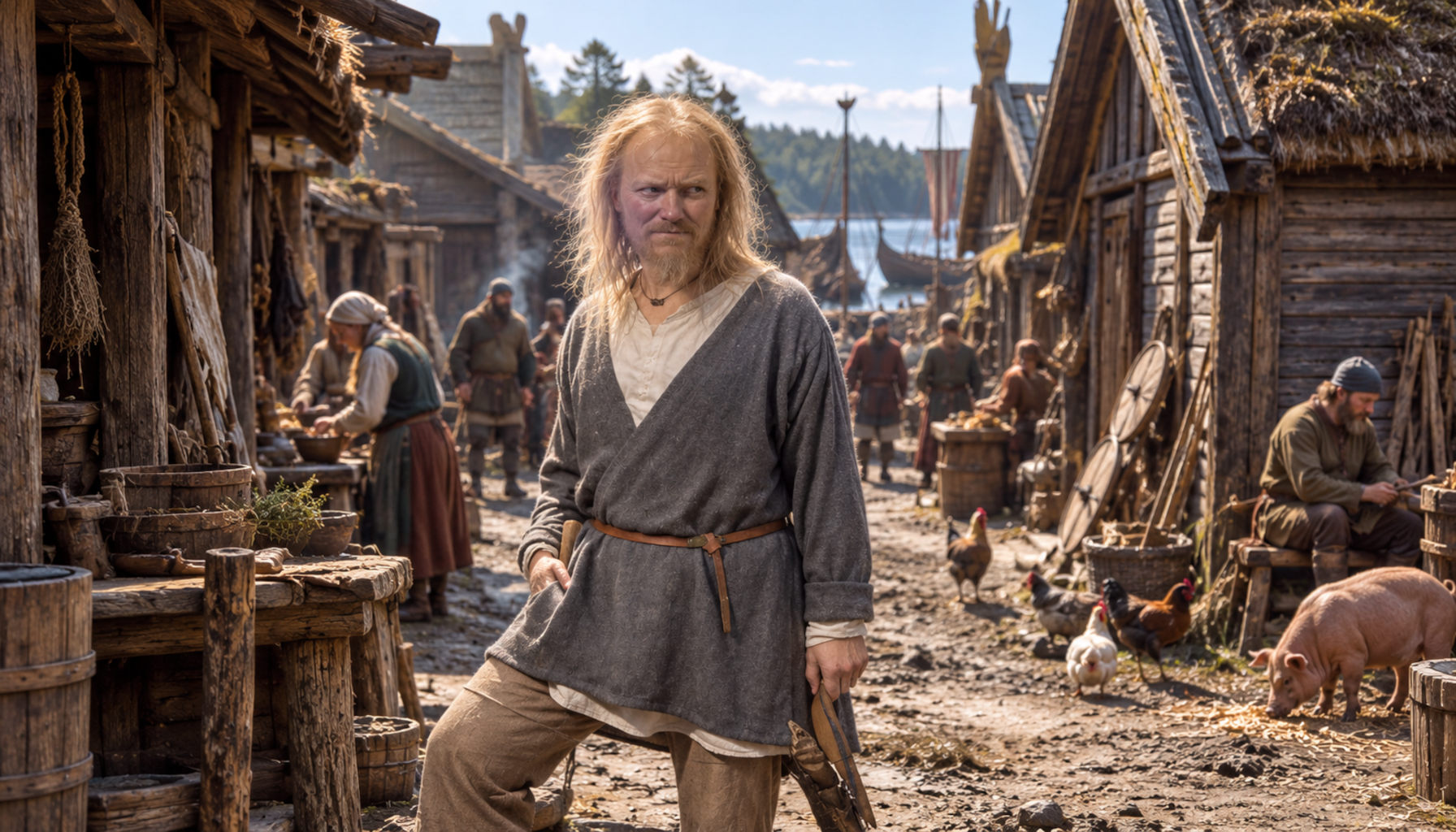
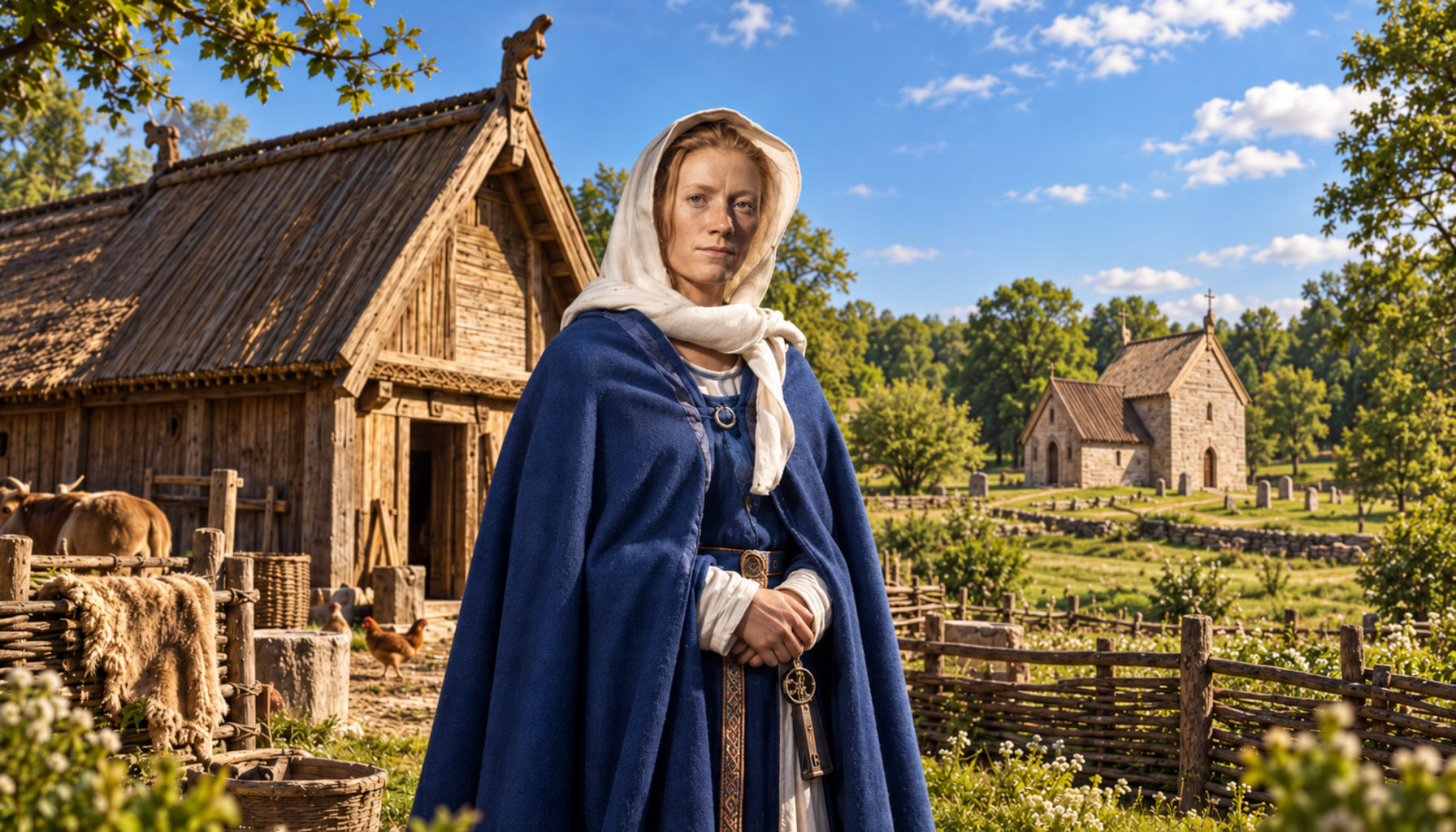
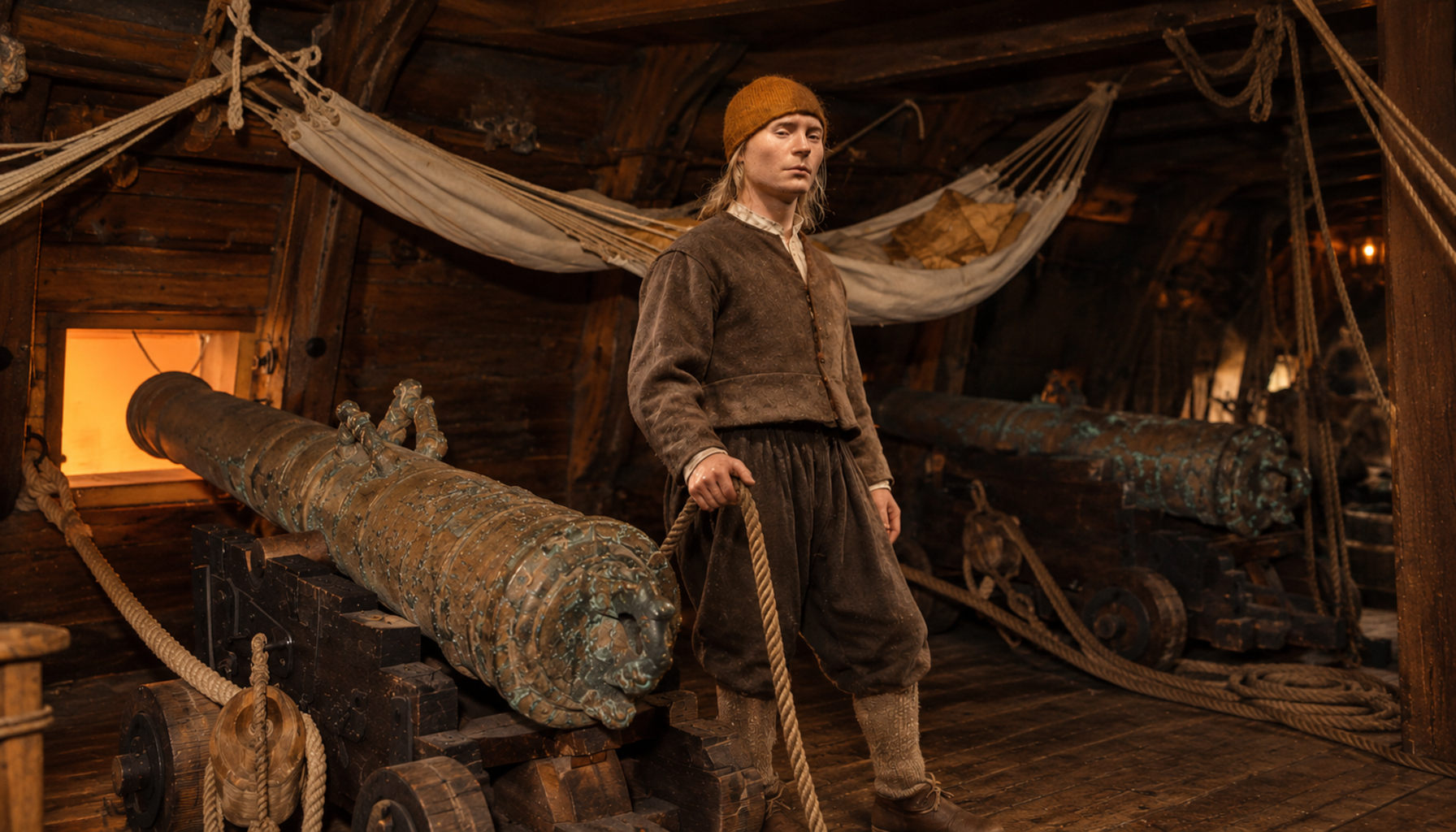
From a DNA perspective, the Marjoribanks-linked haplogroup R1b1a1b1a1a1c2b2a1b1a1a1 sits within a wider northwestern European story rather than something uniquely Scottish. Related or linked ancient samples assigned to this branch include Medieval England from Cambridge St Johns Hospital, sample ATP_PSN_78; a Thuringii-associated individual from Deersheim in Saxony-Anhalt, sample DRH010; an Early Anglo-Saxon period individual from Hatherdene Close in Cambridgeshire, sample HAD011; a Saxon grave from Hannover-Anderten in Lower Saxony, sample ADN002; and a Viking Age individual from Galgedil on Funen, Denmark, sample VK133. These do not prove direct descent from any one of them, and they should not be read that way. But they do place the lineage in a recognisable archaeological corridor stretching across early medieval England, northern Germany, and Viking Age Scandinavia, the very sort of interconnected North Sea world that also helped shape Lowland Scotland.
If you carry the Marjoribanks surname, have Marjoribanks family stories, or simply suspect a Lowland Scottish armorial connection, this is where history becomes personal. Upload your DNA to MyTrueAncestry to see whether you match Clan Marjoribanks, or whether your results connect you with related ancient DNA samples from medieval England, Saxon Germany, or Viking Age Denmark.

Comments