Clan Mar
– 3 min read


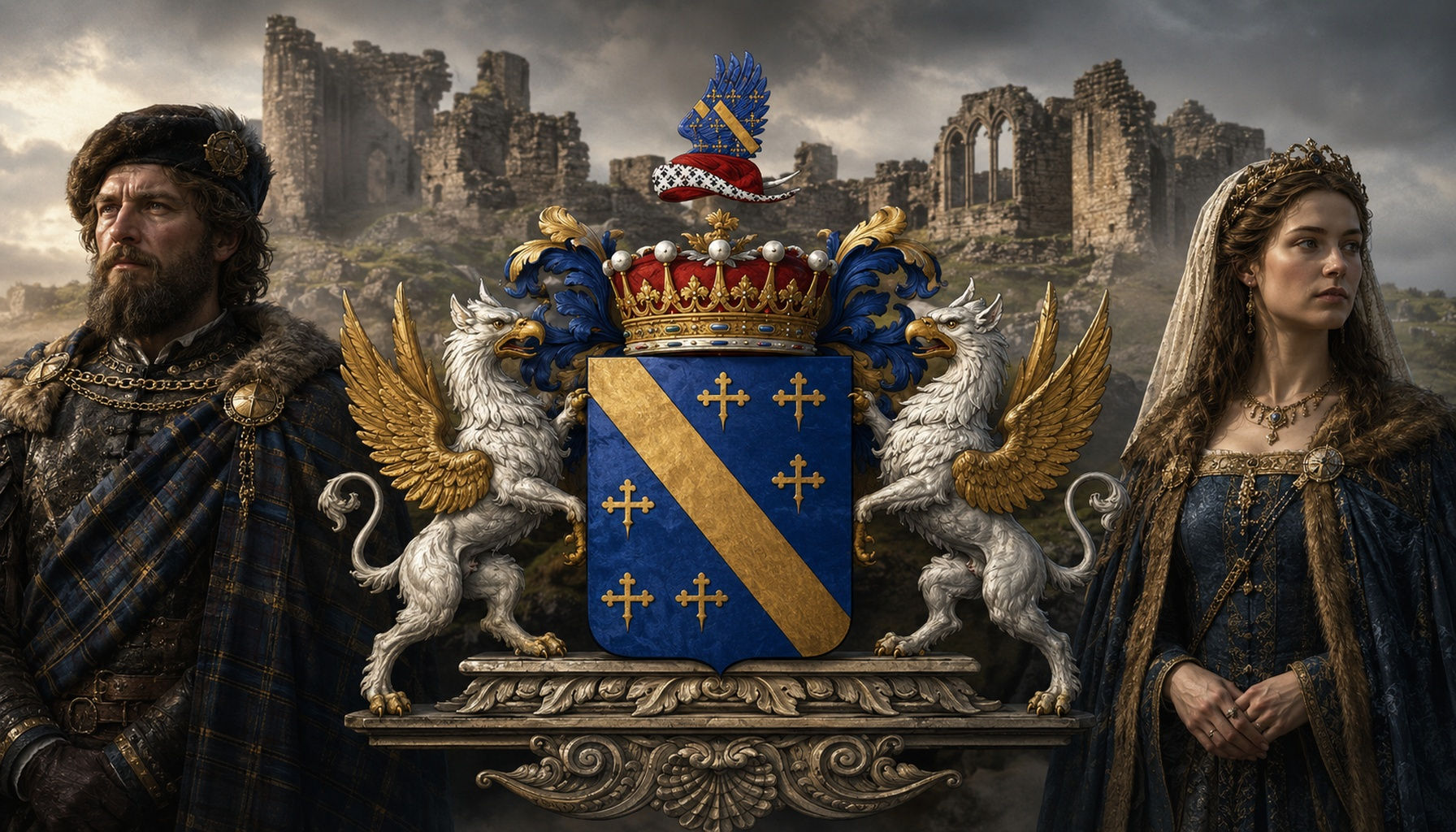
Clan Mar was one of the great noble kindreds of medieval Scotland, rooted in the old province of Mar in Aberdeenshire and tied to one of the most ancient earldoms in the kingdom. Their story is less that of a later Highland clan in the popular tartan sense, and more that of an early territorial aristocracy: men who held land, exercised regional authority, served kings, and stood very close to the machinery of power. The family identity grew out of that old northeastern lordship, where noble rank, local influence, castle lordship, and dynastic memory all fused into a long-lived Scottish name. Primary family haplogroup: R1b1a1b1a1a2c1a5c3b1a3a.
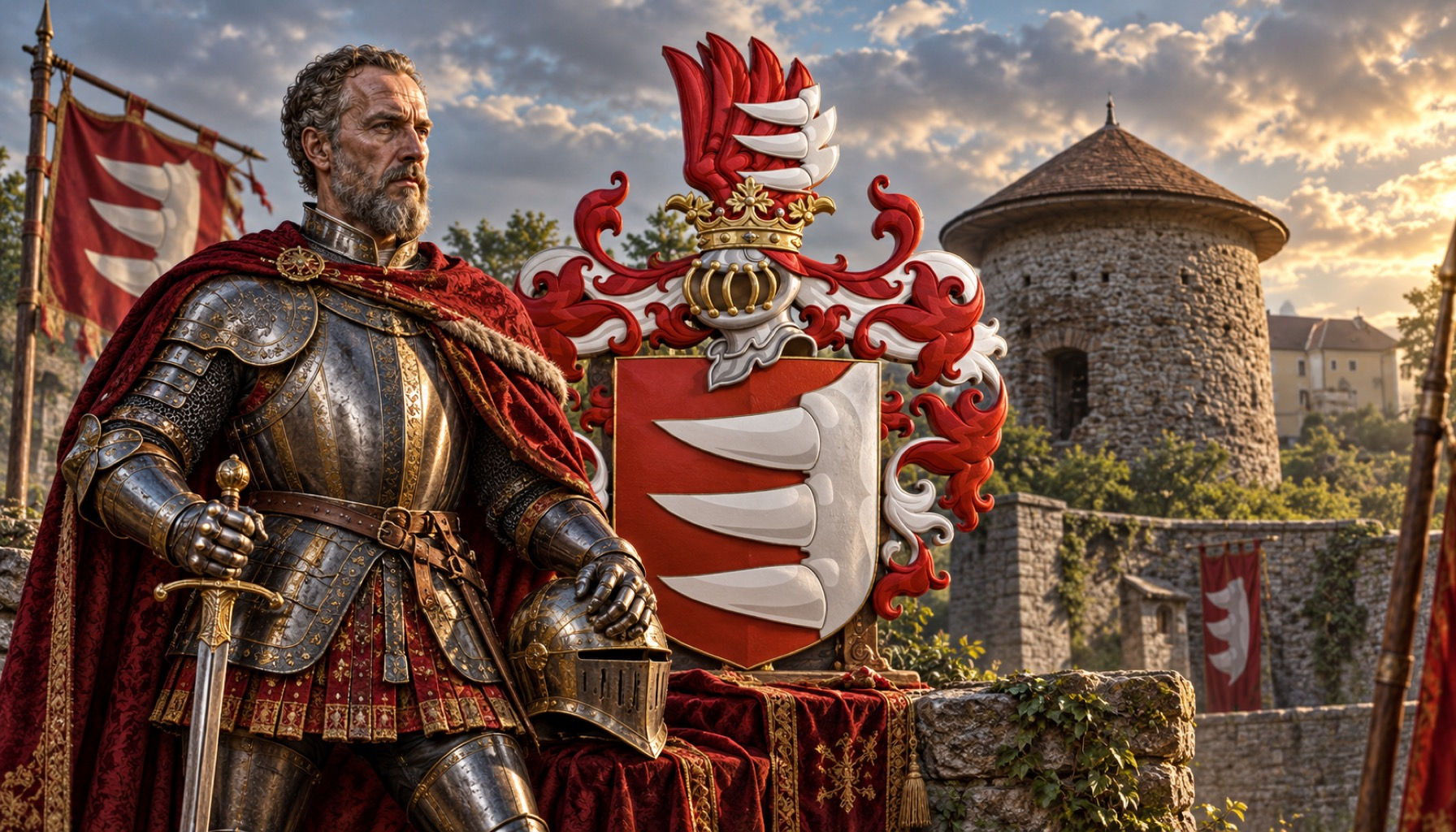
The earliest Mar rulers emerge from the world of the mormaers, the native provincial magnates of early medieval Scotland, before Norman styles of earldom fully settled in. That gives the house of Mar a particularly deep historical flavor: not simply aristocrats with a title, but survivors from an older political order. Donald, Mormaer of Mar, recorded in 1014, stands as one of the named early figures linked with this lineage and reminds us how far back the family tradition reaches. Over the centuries the earls of Mar were drawn into royal politics, succession struggles, alliances with other leading houses, and the upheavals that shaped Scotland from the High Middle Ages onward. Their heritage is still visible in heraldry, ruined strongholds, and in the persistent memory of Mar as an ancient noble name of Scotland.
The great location anchor for Mar heritage is Kildrummy Castle in Aberdeenshire, one of the most impressive medieval fortresses in Scotland and long associated with the earls of Mar. Built in the 13th century, probably under Gilbert de Moravia and soon tied closely to the comital power of Mar, it was no mere residence but a statement in stone. Set in a commanding position above the surrounding landscape, it had a powerful curtain wall, a great gatehouse, and a distinctive shield-shaped plan with large round towers that mark it out as one of the grandest castle designs in the kingdom. Kildrummy played its part in the Wars of Scottish Independence and later conflicts, suffering siege, damage, rebuilding, and gradual decline. Even in ruin it still carries the aura of a place where regional lordship was made visible: this is what noble power looked like in medieval northeast Scotland. The castle survives as a historic ruin and can still be visited today, making it one of the most tangible places to stand in the landscape of old Mar.
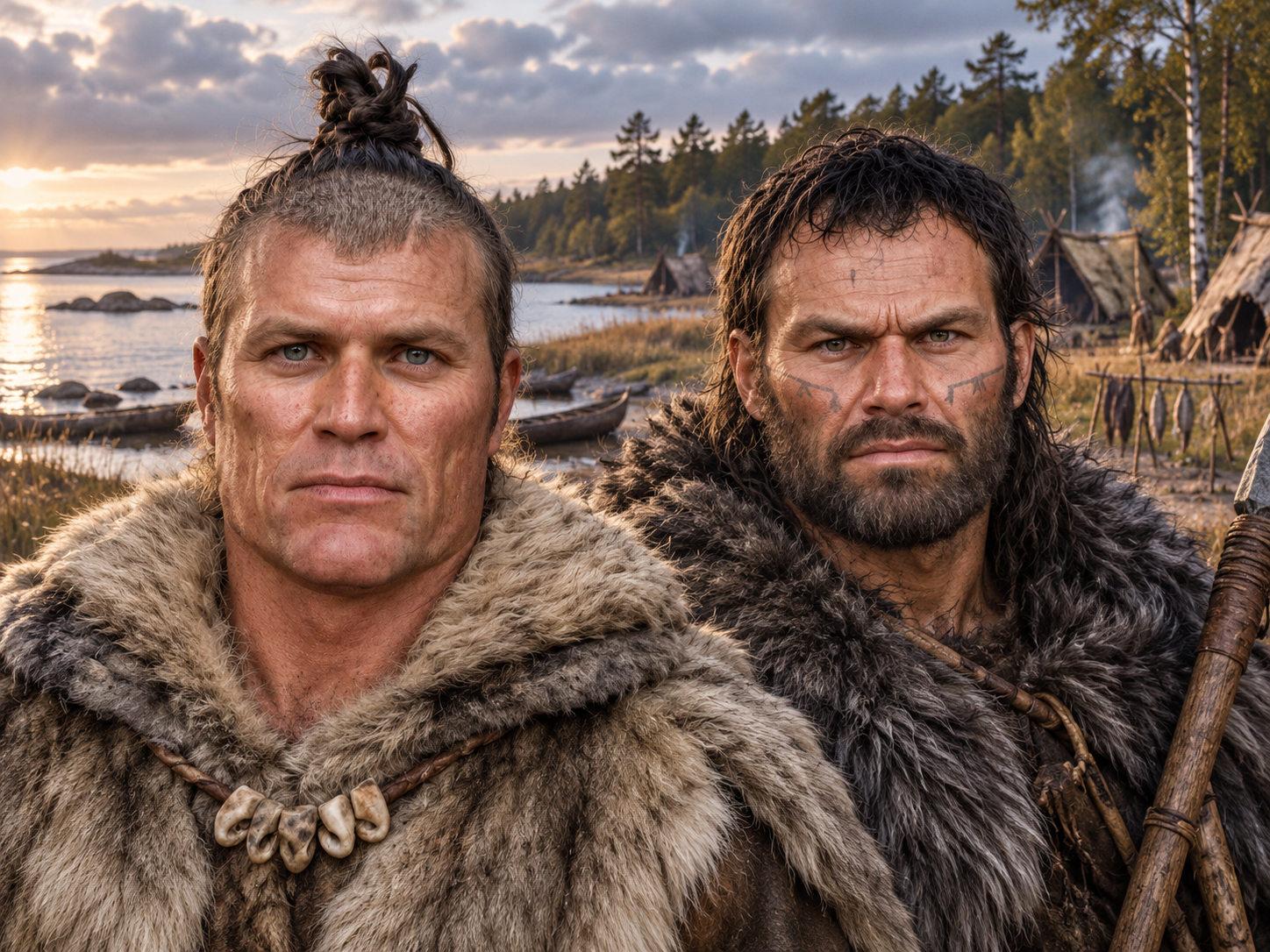
From a DNA perspective, Clan Mar is here tagged with haplogroup R1b1a1b1a1a2c1a5c3b1a3a, a paternal line within the broad R1b family that appears across parts of later prehistoric and early historic Europe. That does not mean we can directly identify the medieval earls of Mar with any excavated ancient individual, and it would be far too neat to claim a straight line without evidence. But there are related or linked ancient samples that help sketch the deeper world from which such paternal lines emerged and spread: Anglo-Saxon Kingdom of Northumbria, Yorkshire, Britain, Fox Holes Cave, Clapdale, Ingleborough Hill (I16392); Germanic Weklice, Poland (R10626); Iron Age Hill Fort Fin Cop, Derbyshire, England (I20628); Celtic Briton Stanton Harcourt, Oxfordshire (I21272 and I21277); Viking Age Skara, Varnhem, Sweden (VK405); and Bronze Age Covesea Cave, Scotland (I3132). Taken together, these linked samples evoke the long entanglement of Britain, the North Sea zone, and northern Europe: Bronze Age foundations, Iron Age communities, Brittonic and Germanic movements, and Viking Age connections. In other words, the genetic backdrop to a family like Mar is not a single tidy origin story, but a long and layered history, very much like Scotland itself.
If Clan Mar is part of your story, the next step is to test it against both history and genetics. Upload your DNA to MyTrueAncestry and see whether you match Clan Mar, or related ancient DNA samples linked to haplogroup R1b1a1b1a1a2c1a5c3b1a3a from Bronze Age, Iron Age, Anglo-Saxon, and Viking Age contexts across Britain and northern Europe.

Comments