Clan MacIntyre
– 2 min read


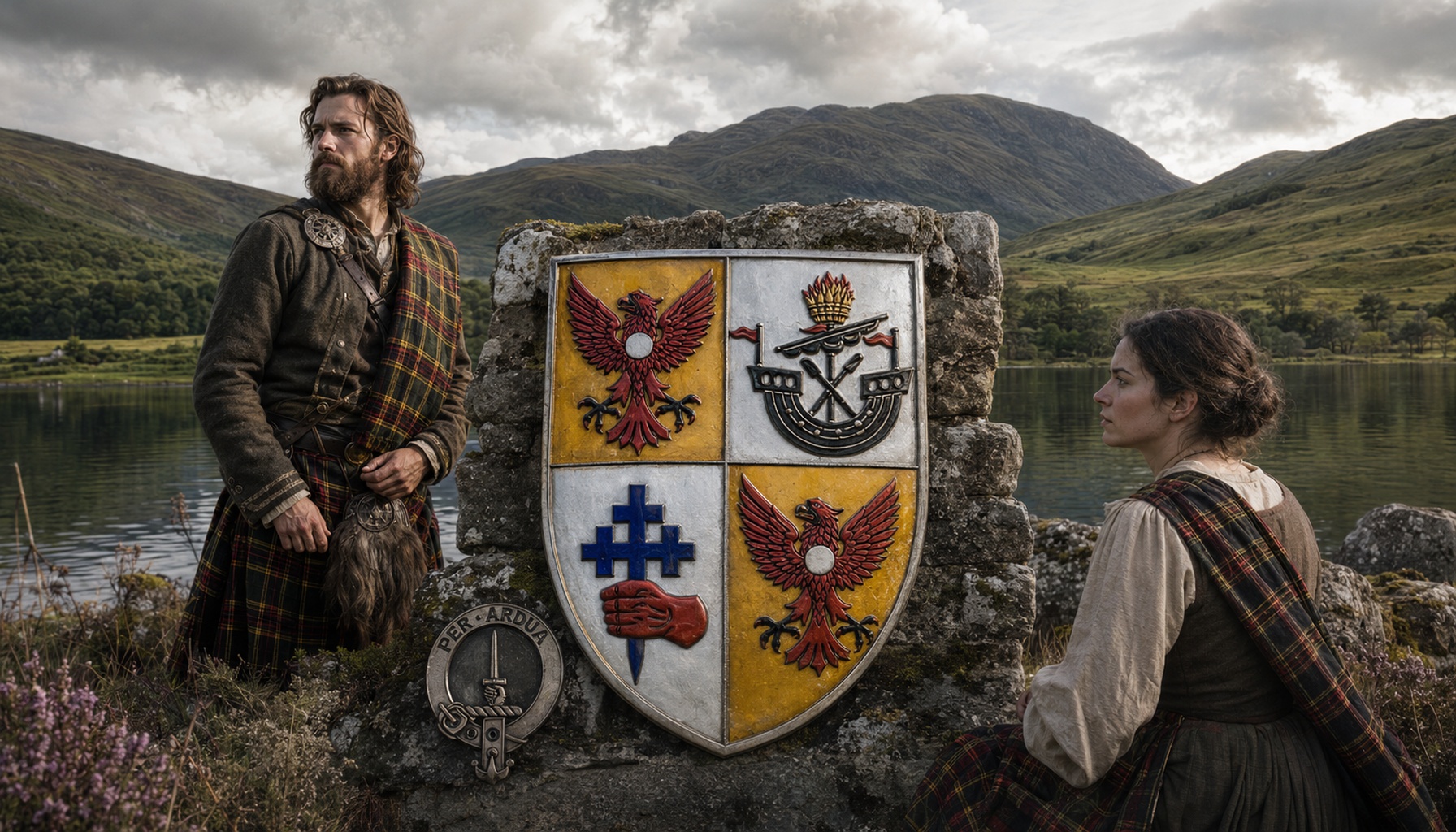
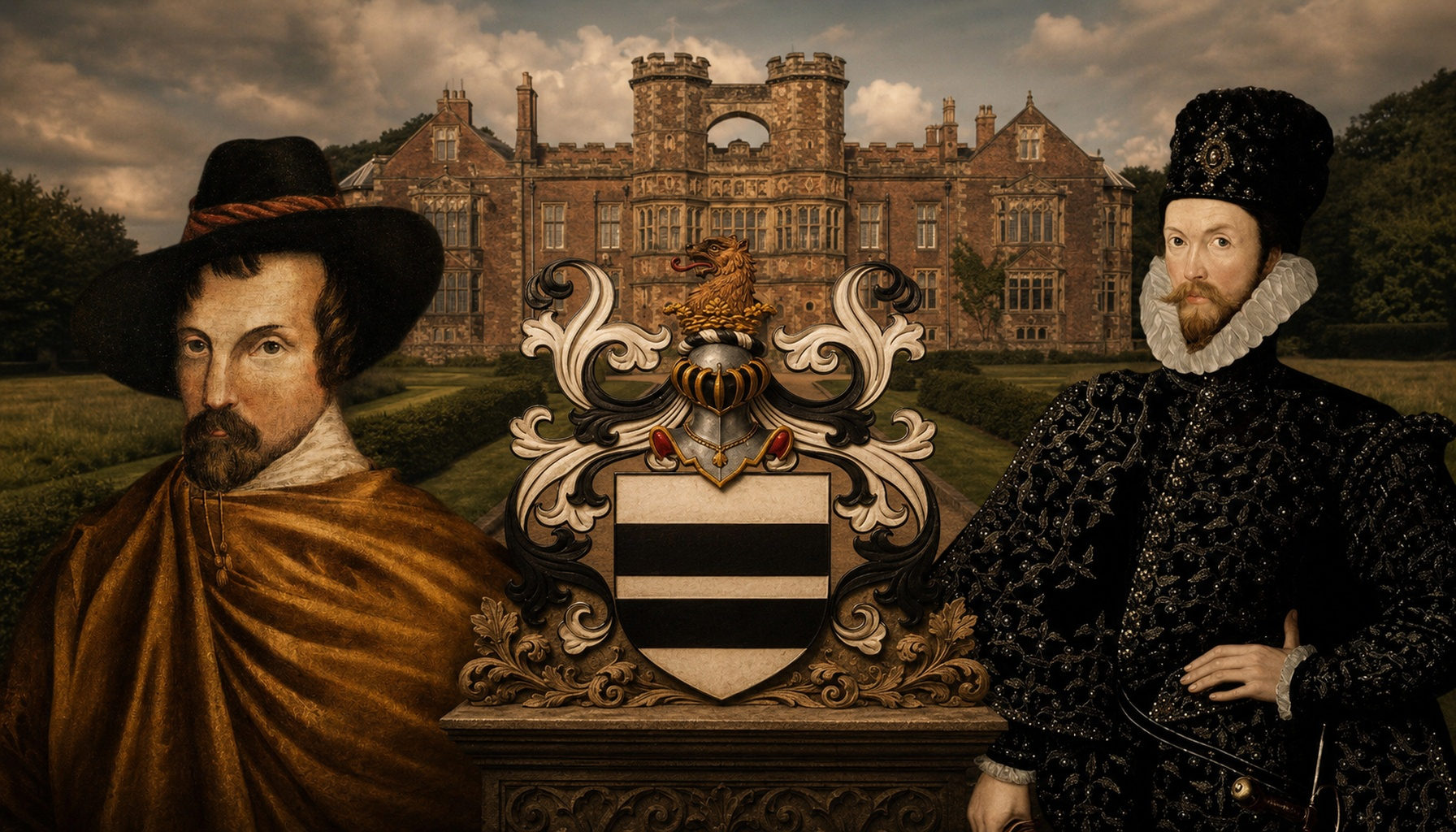
Clan MacIntyre was a Highland Scottish clan rooted above all in Glen Noe in Argyll, shaped by the Gaelic world of western Scotland and remembered through place, kinship, and name. The surname is commonly understood as meaning "son of the carpenter", which gives the family a wonderfully practical flavour: this was a heritage tied not only to descent, but to service, skilled work, and a respected place within local Highland society. In genetic tagging terms, the primary family haplogroup linked here is I1a1b1a4a2f1a1a7a, a line with wider northern and Norse-connected echoes, though clan history itself belongs firmly to the Gaelic west.
The MacIntyres developed in the old Highland pattern, where identity was built from landholding, oral memory, heraldic tradition, and continuity of name across generations. Their story belongs to a landscape of glens, sea routes, church foundations, and local obligations rather than grand imperial capitals. A named early figure associated with this wider family tradition is Maurice Mac Neil in 1160, a reminder that these western kin networks were already appearing in the documentary world of the 12th century, when Gaelic lordship, Norse-Gaelic contact, and regional loyalties all overlapped in Argyll and the Isles.
Read more about Clan Mac Gobhann
A key location anchor for MacIntyre heritage is Ardchattan Priory, on Loch Etive in Argyll, not far from the wider world in which Glen Noe and its people were historically connected. Founded in the 13th century for the Valliscaulian order and later absorbed into the Cistercian tradition, the priory became an important religious house in the west Highlands, closely tied to regional lordship and to the social fabric of Argyll. This was not some remote ruin floating outside history; it sat within a living network of prayer, land management, burial, patronage, and politics. The priory is also remembered as the site of an important meeting before the Battle of the Pass of Brander in 1308, when Robert the Bruce and local powers in Argyll were negotiating the future of the region. In other words, Ardchattan offers exactly the sort of place where clan memory, territorial identity, and Highland history meet. Better still, it can still be visited today, making it a very real stopping point for anyone tracing MacIntyre roots in the old western landscape.
From an ancient-DNA perspective, the haplogroup tag I1a1b1a4a2f1a1a7a links the MacIntyre story to a broader northern world rather than to a single provable clan founder. Related or linked samples include Viking Age Norway Lund (CGG107010), Late Viking Age Vasterhus Jamtland Sweden (wes005), Pre-Vendel Age Sweden Vaesternorrland Romback (rtp001 and rtp004), Vendel Age Oland Sweden (VK382), Vendel Age Saaremaa Salme II-VIII (VK488), Viking Age Warrior Nordland Norway (VK529), and Viking-linked individuals from Iceland such as SSG-A3, HSJ-A1, and HSJ-A1B. These do not prove direct descent from any one ancient person, and it is important not to pretend otherwise. What they do suggest is that the paternal line tagged here sits within the same broad genetic horizon seen in parts of Scandinavia and the Viking world, a useful reminder that the western Highlands were never isolated from seaborne movement, Norse contact, and the long mixing of Gaelic and northern lineages.
If you carry the MacIntyre name, have roots in Argyll, or are simply curious about how clan history and genetics sometimes brush up against one another, this is exactly the sort of family story worth exploring further. Upload your DNA to MyTrueAncestry and see whether you match Clan MacIntyre, or whether your results connect you with related ancient DNA samples from the Viking and early medieval north.
Comments