Clan MacDiarmada
– 3 min read


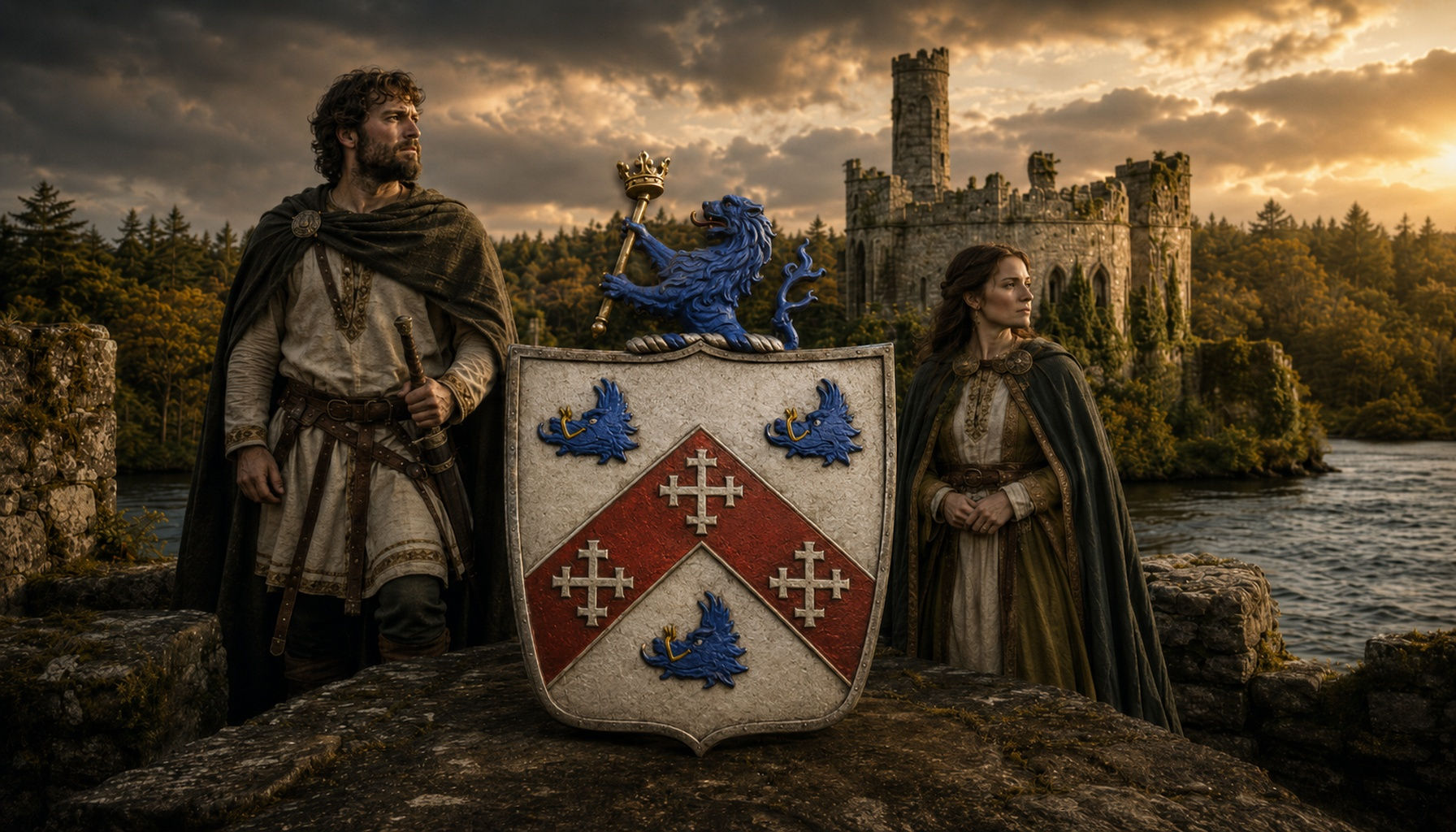
Clan MacDiarmada was a Gaelic Irish ruling family of Moylurg in what is now County Roscommon, a dynasty shaped by the old Irish world of kinship, lordship, and inherited authority. Their story belongs to medieval Ireland before and during the pressures of conquest, when power rested not simply on owning land, but on commanding followers, defending territory, maintaining alliances, and proving descent from earlier rulers. The haplogroup most closely linked here with the family is R1b1a1b1a1a2c1a1a1a1a1a1a2.
The MacDiarmadas were not a family in the modern narrow sense so much as a political kindred, one branch within the wider fabric of Gaelic dynastic Ireland. In that system, genealogy mattered enormously because ancestry was part of government. To say who your forefathers were was also to say why you had the right to rule. The MacDiarmadas held onto that identity through bardic memory, oral tradition, territorial attachment, and continuity across centuries of upheaval. Figures such as Dermot Mac Tadhg Mor, 7th King of Moylurg, who ruled from 1124 to 1159, and the later Tadhg Mac Diarmata, recorded in 1585, show the long arc of a family that remained visible in Irish political life from the high medieval period into the age of Tudor pressure and anglicization.
The great location anchor for this clan is Moylurg Castle in County Roscommon, a place that ties the family name to real ground, not just pedigree charts. The site is associated with the MacDiarmadas of Moylurg and stands within the historic territory from which they drew status and power. According to the local historical record, the castle is a ruined tower house, the sort of building that makes immediate sense in the late medieval Irish landscape: defensible, practical, and symbolic all at once. It was not merely a residence but a statement that this was MacDiarmada country. Even in ruin, such places preserve the grammar of Gaelic lordship better than many written sources do. The site can still be visited as a historic ruin, which is part of its charm: you can stand there and look not at an abstract clan, but at the physical remains of a lineage that held its ground through centuries of change.
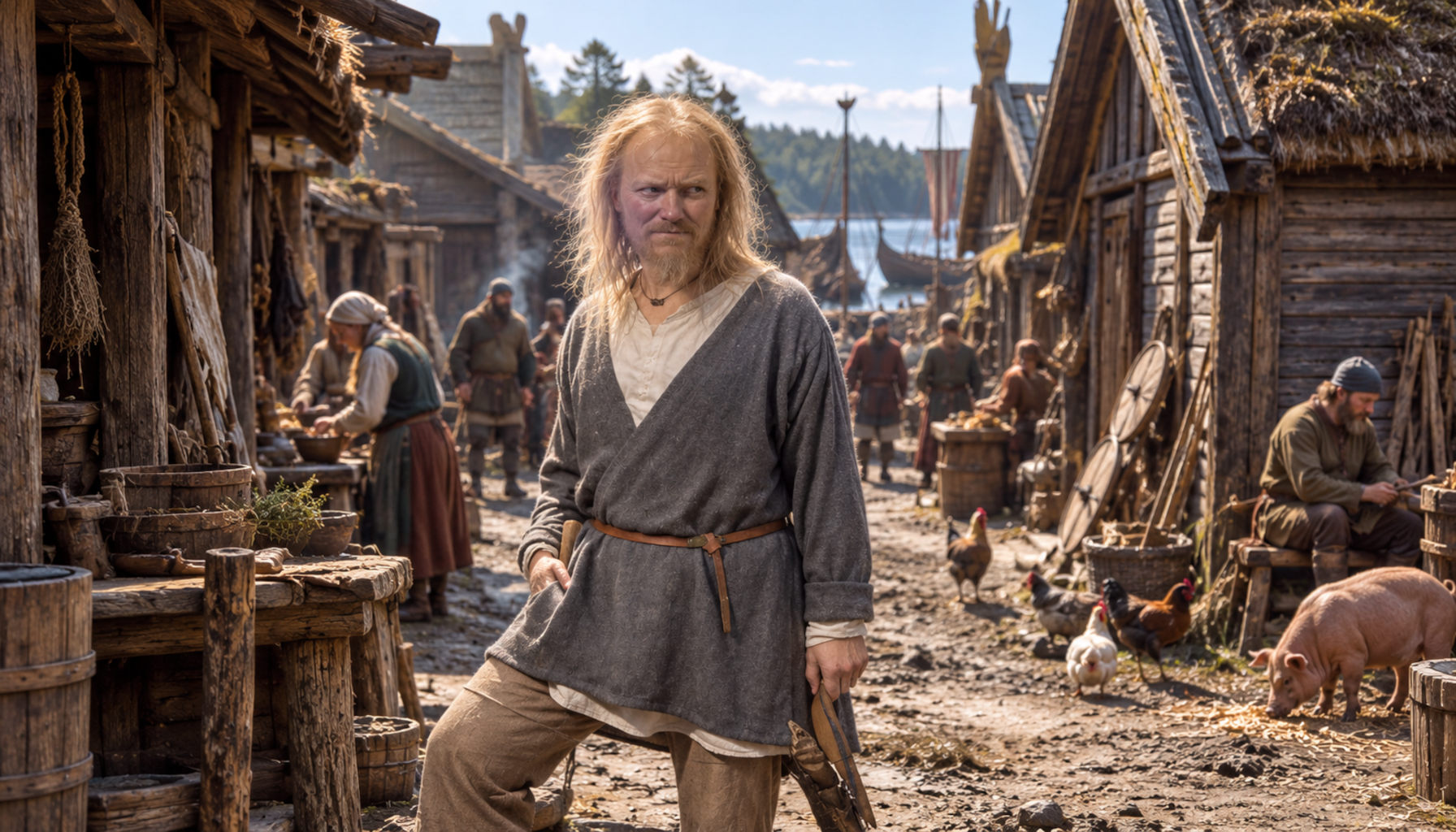
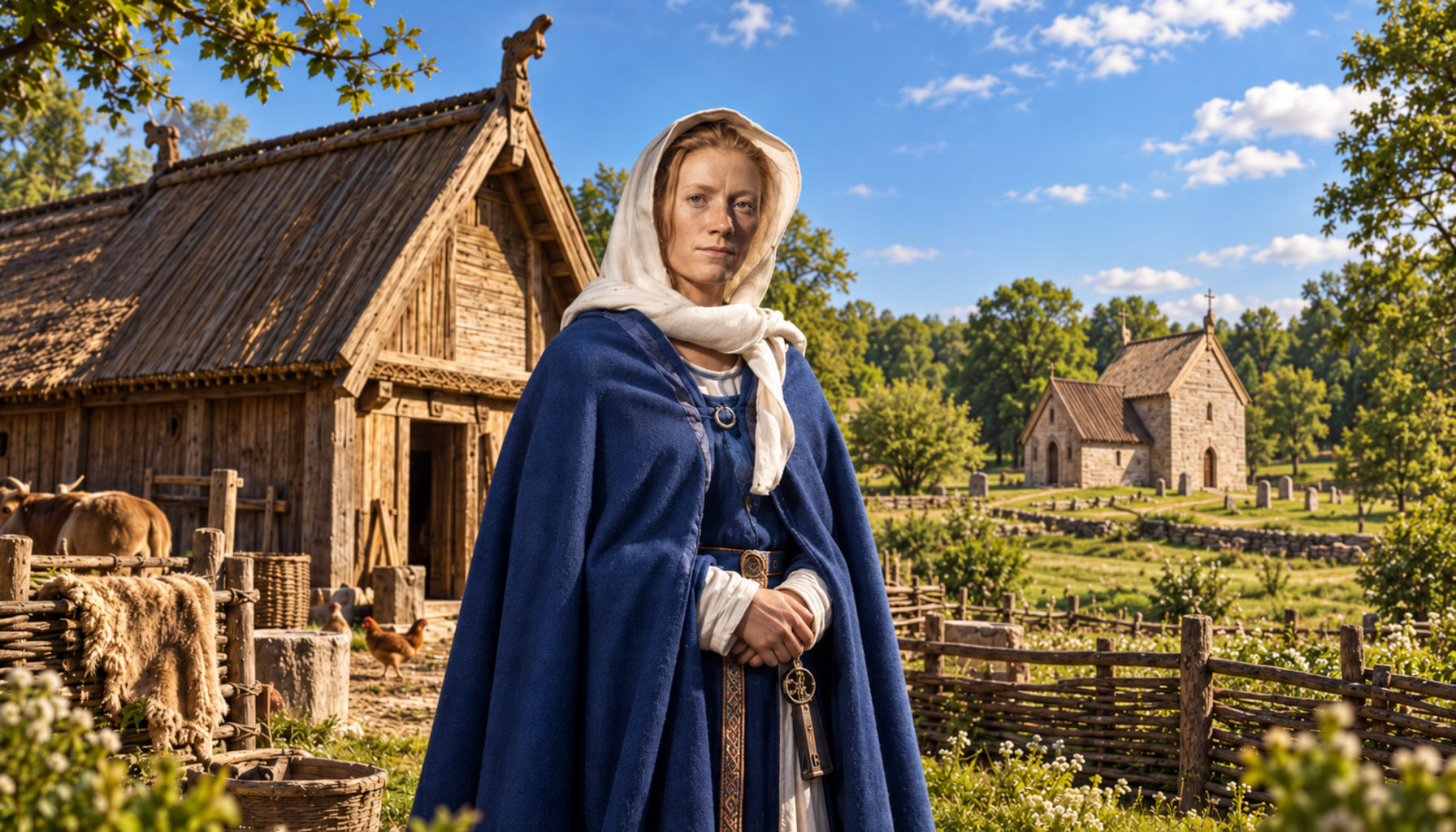
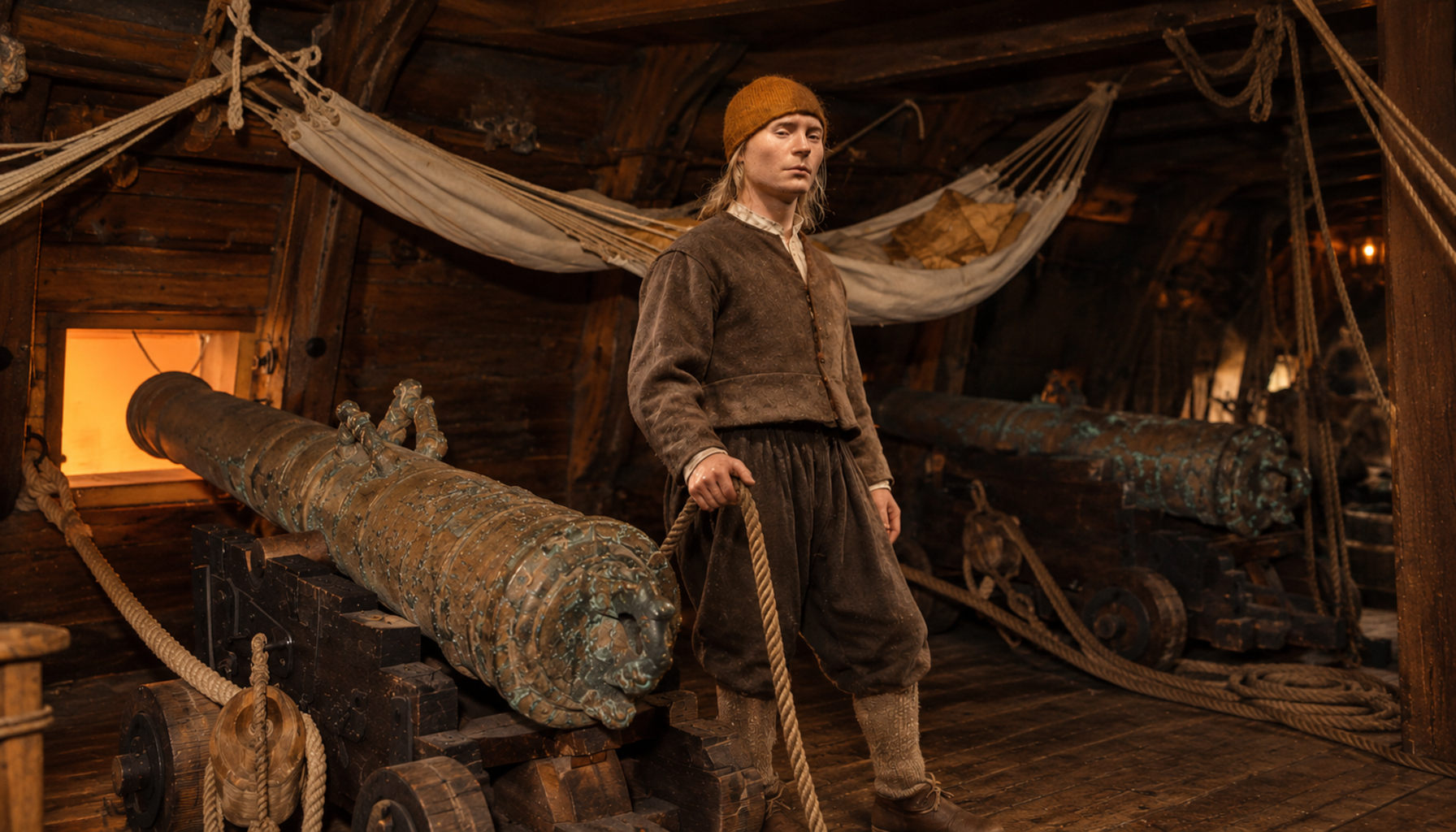
On the ancient DNA side, the MacDiarmada haplogroup tag R1b1a1b1a1a2c1a1a1a1a1a1a2 can be placed in a wider network of related or linked samples rather than claimed as proof of direct descent from any one excavated individual. Particularly relevant are a large number of medieval Irish samples from Ballyhanna, County Donegal, including Sk197an, Sk197y, Sk197q, Sk197am, Sk197s, Sk197ab, Sk197u, Sk197t, Sk197r, Sk197ad, Sk197x, Sk197n, Sk197aa, Sk197z, Sk197ak, Sk197w, Sk197ai, Sk197m, Sk197ah, Sk197ag, Sk197v, Sk197ac, Sk197al, Sk197af, Sk197ae, Sk197o, Sk197aj, HAN197x, Sk197a, Sk197b, Sk197c, Sk197d, Sk197e, Sk197f, Sk197g, Sk197h, Sk197i, Sk197j, Sk197k, Sk197l, Sk197p, and HAN197. There are also linked medieval samples from Roscommon itself at Kilteasheen, including KIL041, KIL044, KIL033, KIL037, KIL022, KIL009, and KIL014, which are especially evocative given the MacDiarmadas' own Roscommon setting. More distant but still useful comparators in the broader haplogroup story include VK95 from Viking Age Hofstadir in Iceland and VK44 from Sandoy Church in the Faroe Islands. Taken together, these samples help sketch the wider genetic backdrop of north Atlantic and medieval Irish paternal lineages connected to this branch of R1b.
Explore Neolithic Irish kinship
If the story of Clan MacDiarmada speaks to your own family history, the next step is wonderfully simple: test it. Upload your DNA to MyTrueAncestry and see whether you match the MacDiarmada family profile or any of the related ancient DNA samples from medieval Ireland and beyond. Clan history is at its best when it stops being a distant label and becomes something personal, local, and startlingly real.
Comments