Clan Mac Oisdealbhaigh
– 3 min read


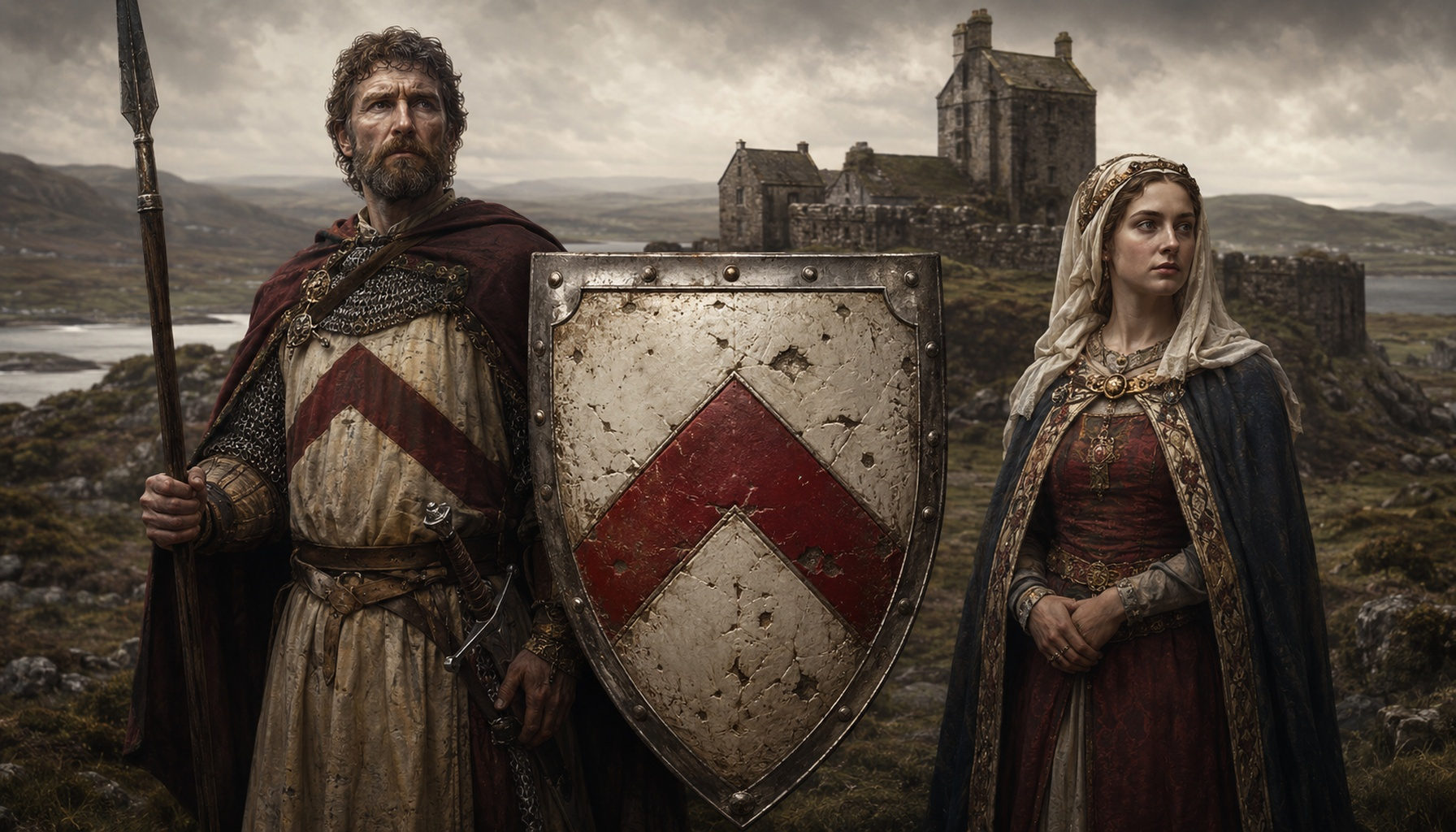
Clan Mac Oisdealbhaigh was a Gaelic Irish family defined above all by descent, place, and memory: one of those lineages for whom the surname itself carried an inheritance. The name belongs to the old Gaelic world, where kinship was not just a private matter but a public identity, tying families to regional loyalties, local standing, and the duty of remembering who one belonged to. In that sense Mac Oisdealbhaigh is a fine example of the wider Irish clan pattern: an ancestral name preserved through centuries of political upheaval, language shift, and social change. The primary family haplogroup linked with this report is R1b1a1b1a1a2c1a4b2a1, a branch within the great Atlantic-facing R1b tradition so common in the historic populations of Ireland and Britain.
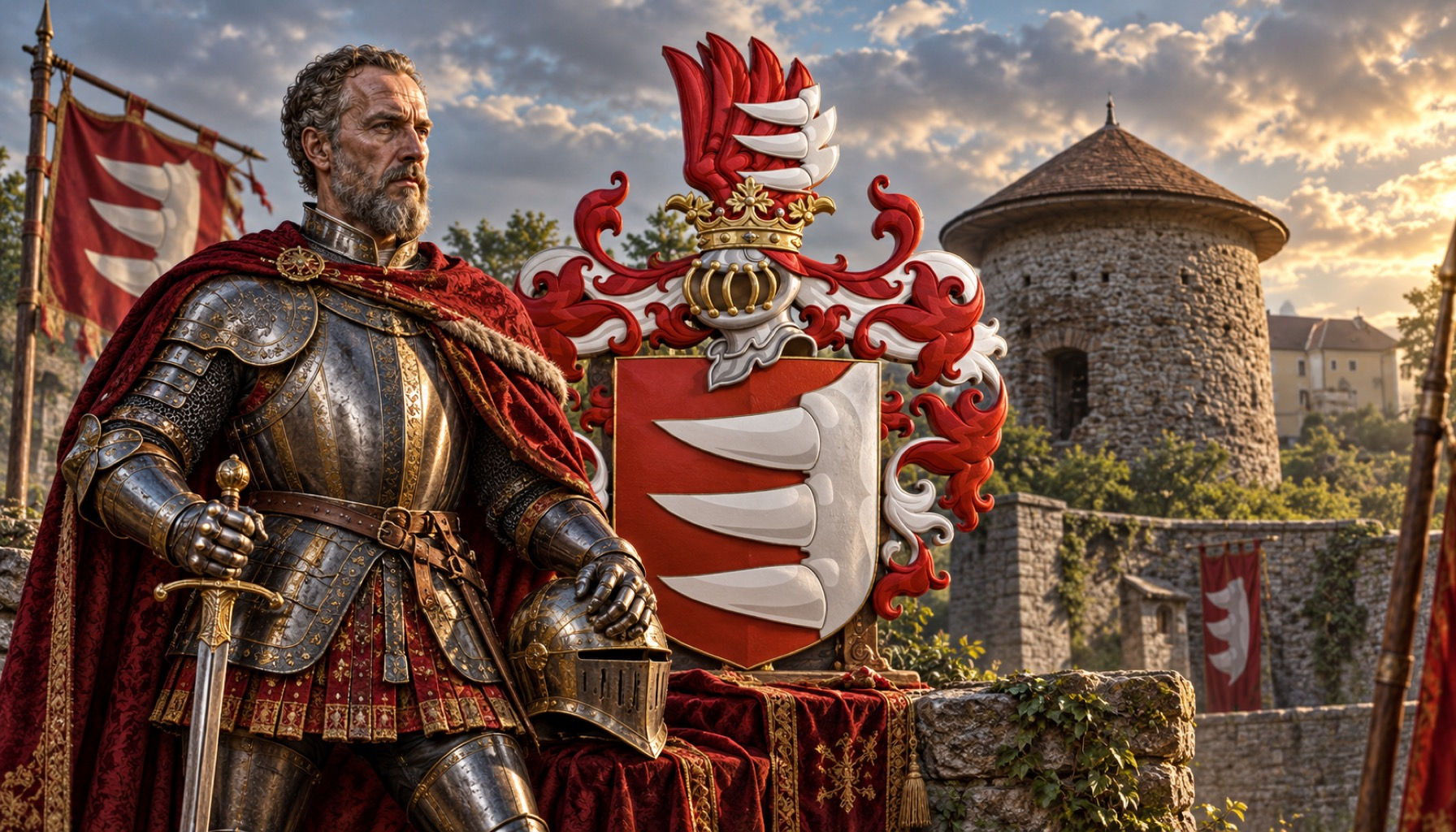
The clan name points back to an ancestor remembered as Oisdealb, recorded in 1193, and that is very much how Gaelic surnames worked: not as modern labels but as statements of hereditary belonging, "the sons of" an ancestral figure whose name remained alive long after his own lifetime. Families such as Mac Oisdealbhaigh endured because they adapted. They lived through lordship struggles, the tightening grip of English administration, the erosion of Gaelic legal culture, and the long pressure on Irish speech and naming customs, yet the surname tradition persisted. That continuity matters. It tells us that even when political structures altered, family identity remained a stubborn and rather moving thing, held together by ancestry, locality, and the social memory of service and kin.
Read more about Clan Mac Suibhne
A useful location anchor for the family story is Castlemore Castle in Ireland, a ruined tower house that still speaks clearly of the late medieval Gaelic and Gaelicized landscape. Castlemore, near Tullow in County Carlow, is generally dated to the 16th century and stands as a fortified residence rather than a fairy-tale fortress: thick-walled, practical, local, and very much part of a world in which landholding families defended status as much as territory. The site includes the remains of the tower house and adjoining structures, and its survival helps place families like Mac Oisdealbhaigh in a recognisable historical setting of lordship, tenancy, kin alliances, and regional identity. In other words, this is not abstract surname history floating in the clouds; it is the sort of place where hereditary identity was lived out in stone, field by field. The ruin can still be visited from the outside, and as with many Irish castle sites, it is worth approaching with care and respect for access, weather, and preservation conditions.
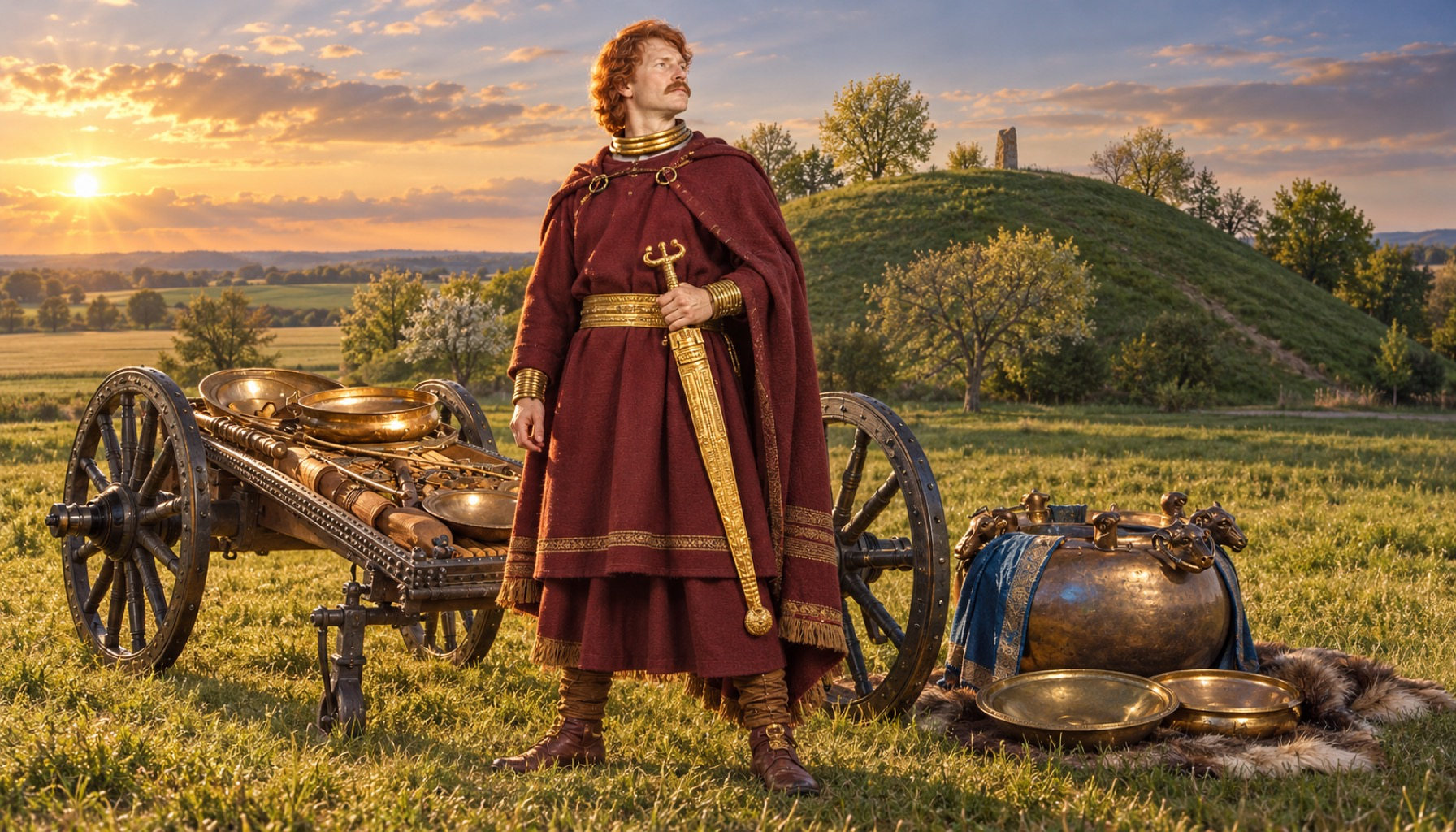
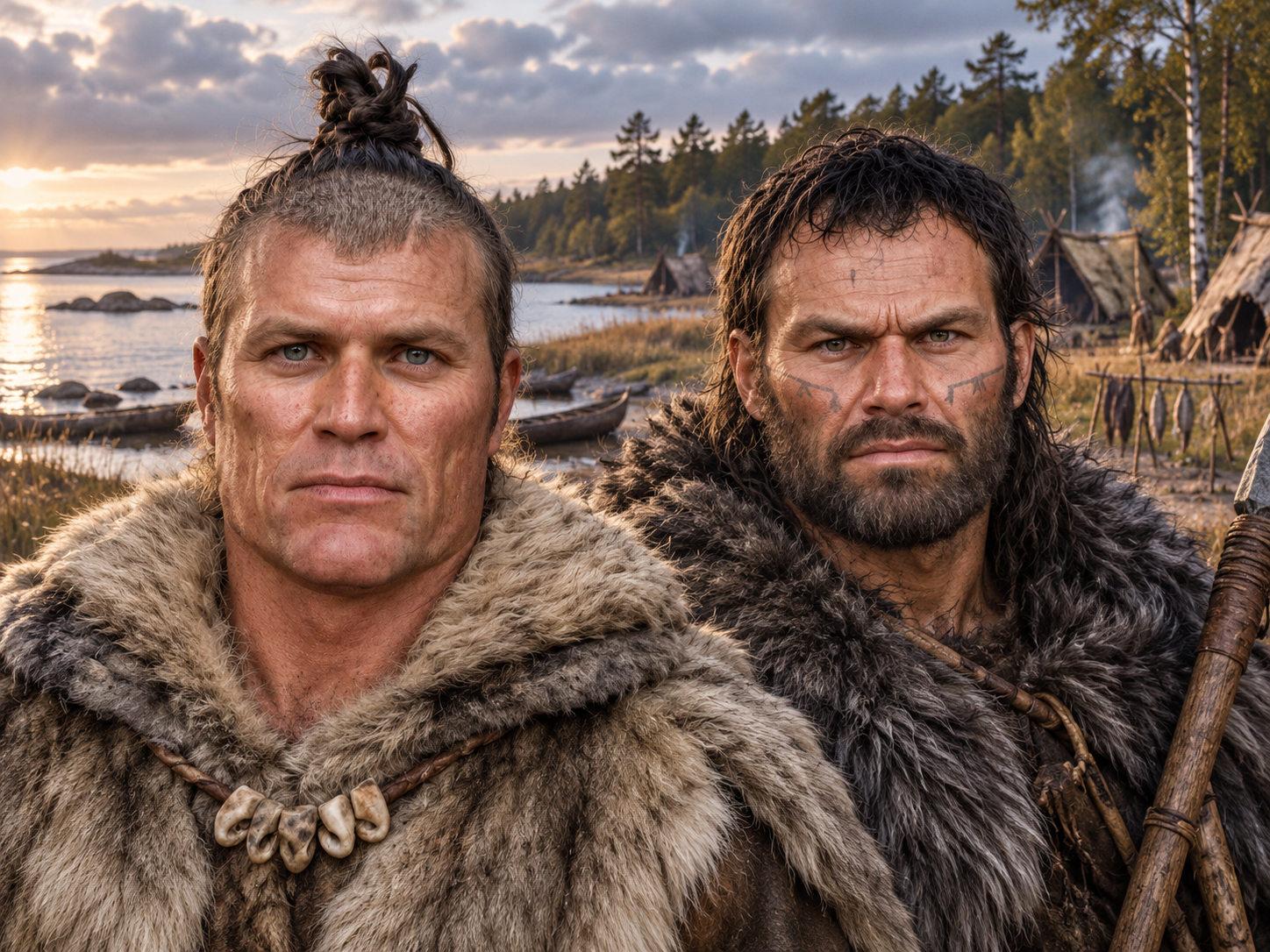
From the DNA side, the Mac Oisdealbhaigh report is tagged with haplogroup R1b1a1b1a1a2c1a4b2a1, and there are a number of ancient individuals linked to that broader paternal line or closely related branches across Britain and Europe. These do not prove direct descent from the clan, and they should not be read as a family tree in the literal sense. But they do provide a fascinating genetic backdrop. Among them are several Celtic Durotriges samples from Duropolis at Winterborne Kingston in England, including WBK12, WBK20, WBK29, WBK41, WBK05, WBK30, WBK43, WBK06, WBK08, WBK18, and WBK191, alongside later finds such as Medieval England Cambridge St Johns Hospital (ATP_PSN_192), Post Roman Worth Matravers Dorset (I11580), Iron Age Worlebury Somerset (I11991), Iron Age Battlesbury Bowl (I21309), and Bell Beaker and Bronze Age individuals from Wiltshire, Bedfordshire, Cambridge, Scotland, Orkney, and Ireland including Rathlin2B. Related examples also appear farther afield, from Roman Croatia and Portugal to Belgium, France, Germany, Austria, and Bronze Age Calabria. Taken together, these linked samples show how deep and widespread this paternal heritage is, stretching from Bronze Age and Iron Age communities into medieval populations of the Atlantic world and beyond.
Explore Neolithic Irish kinship
If you carry the Mac Oisdealbhaigh name, or suspect a connection to old Gaelic Irish families, DNA can add another layer to the story. Uploading your results can help you see whether you match this family group or any of the related ancient DNA samples linked with R1b1a1b1a1a2c1a4b2a1. It is a vivid way of putting names, places, and deep ancestry into the same frame.

Comments