Clan Mac Giolla Bhrighde

– 3 min read


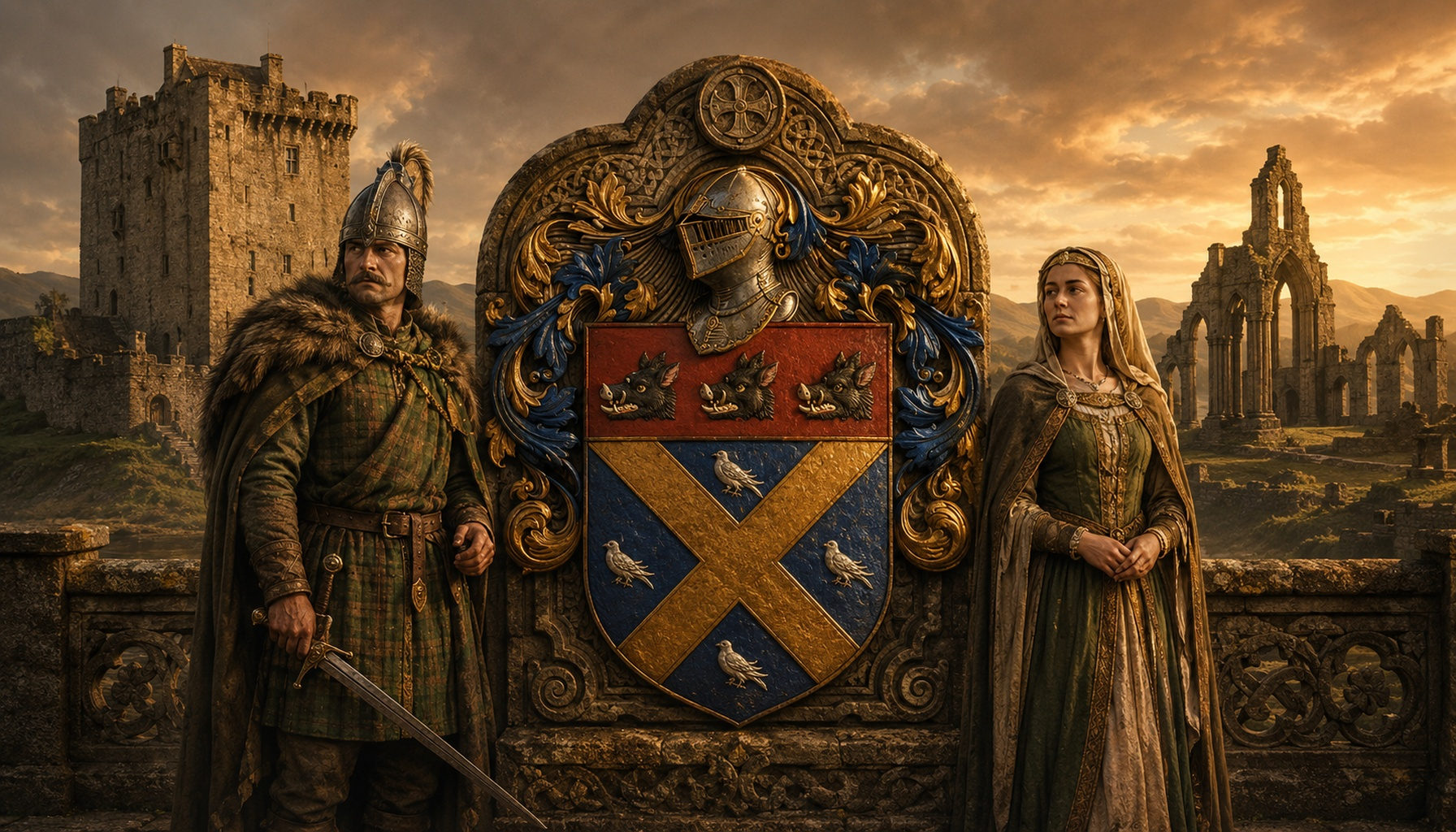
Clan Mac Giolla Bhrighde was a Gaelic family whose name carried devotion in plain sight. Mac Giolla Bhrighde means "son of the servant or devotee of Brigid," a striking example of the Christian-Gaelic surname tradition in both Ireland and Scotland, where faith, kinship, and language were woven tightly together. In family history terms, this is a clan shaped not simply by bloodline, but by memory: a name preserving older Gaelic speech, the cult of Saint Brigid, and the habit of turning religious allegiance into hereditary identity. Linked here with the primary family haplogroup I1a2a1a1a2a2a, the clan stands as a reminder that surnames can act like little time capsules, carrying cultural loyalties over centuries.
The family belongs to that broad world of movement across the Irish Sea in which Gaelic families, clerics, retainers, and learned men moved between Ulster, the Hebrides, and western Scotland. Names like Mac Giolla Bhrighde appear in several regional forms, including MacGilbride and Gilbride, and they make best sense in the medieval Gaelic zone where saints' cults, local lordship, and family continuity mattered enormously. This was a world in which a devotional name did not suggest passivity at all; rather, it marked belonging, service, and standing within a Christian society still deeply rooted in older Gaelic custom. One notable historical figure is John MacGilbride, Bishop of Raphoe in 1440, whose career shows the surname in an ecclesiastical setting and gives us a glimpse of the family's place within the religious life of late medieval Ireland.
A useful location anchor for understanding the wider Gaelic world around families like Mac Giolla Bhrighde is Finlaggan, on the island of Islay in the Inner Hebrides. Finlaggan was no mere remote ruin. It served as the chief seat of the Lords of the Isles, the great Gaelic-Norse rulers who dominated much of western Scotland in the later Middle Ages. The site lies on and around two small islands in Loch Finlaggan and once included a hall, chapel, buildings for administration, and the ceremonial setting in which lordship was performed and displayed. In other words, this was a political heartland of the maritime Gaelic west, precisely the kind of setting where surnames, loyalties, church connections, and family service all met. The ruins and visitor facilities mean Finlaggan can still be visited today, and it remains one of those places where the landscape itself helps explain how clan identity endured.
Read more about Clan MacAlister
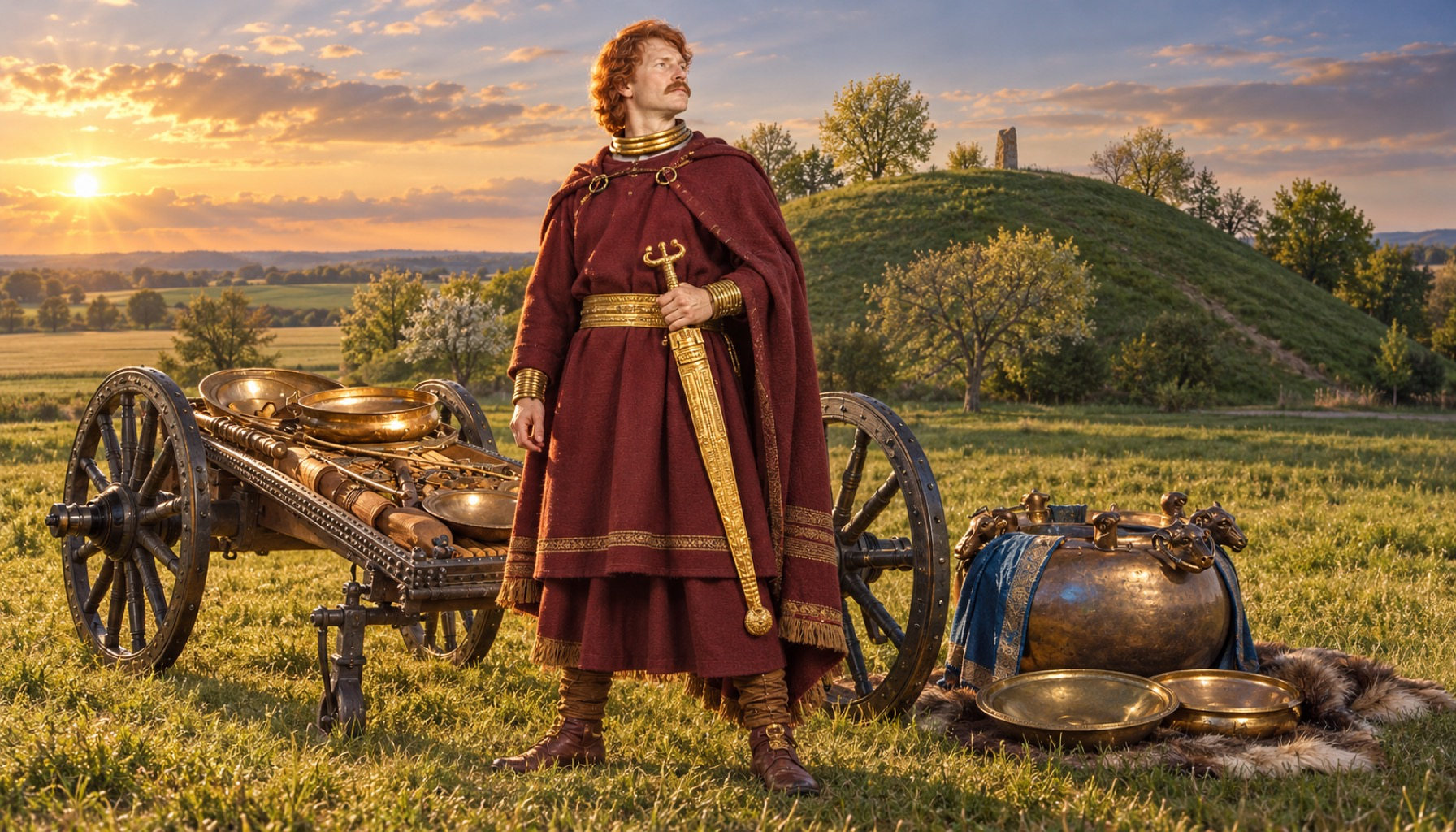
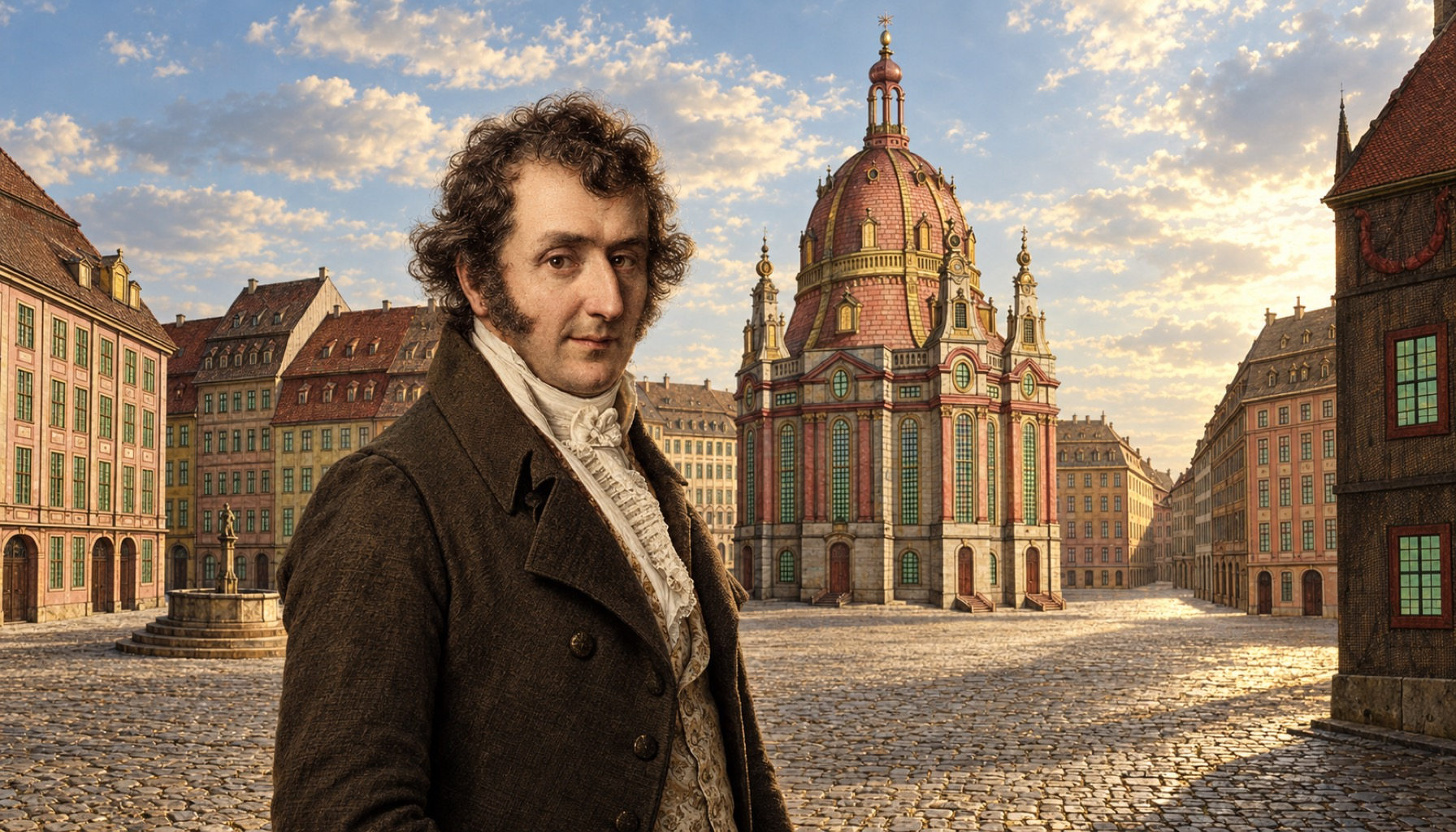
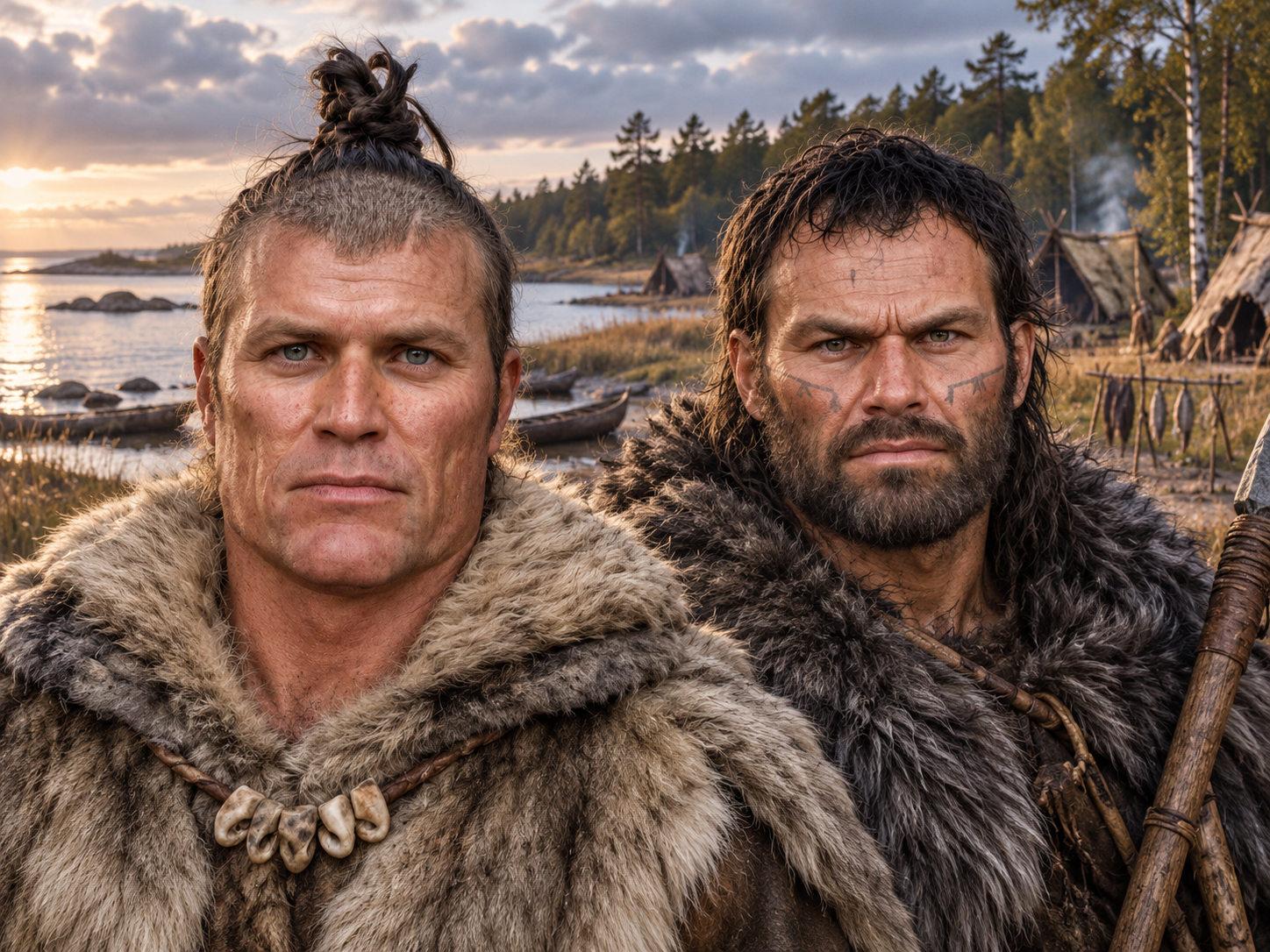
From the ancient DNA side, the haplogroup I1a2a1a1a2a2a links Clan Mac Giolla Bhrighde to a much wider northern European story. Related or linked samples assigned within this branch include Migration Period Hungary at Rakoczifalva, sample RKO002; Merovingian Period Frankish Buettelborn in Germany, sample Btb71; medieval Sint-Truiden Groenmarkt in Belgium, sample ST2819; a Saxon settler context at Hogebeintum in the Frisii region of the Netherlands, sample CGG024694; and Viking Age Odense Norrebjerg in Denmark, sample CGG105541. These individuals are not evidence of direct descent from the clan, and it would be far too neat to say so. What they do show is that the same paternal line appears across a broad swathe of early medieval and medieval Europe, in contexts tied to migration, lordship, settlement, and cultural change. That is the fascinating part: a Gaelic devotional surname may be historically local, but its deeper paternal signature belongs to a very wide and mobile human past.
If you carry the Mac Giolla Bhrighde, MacGilbride, or Gilbride name, or suspect a connection to this Christian-Gaelic family tradition, uploading your DNA can add another layer to the story. It may help you see whether you match this family profile or any of the related ancient DNA samples linked with haplogroup I1a2a1a1a2a2a, placing your own ancestry within the long history of Gaelic identity, migration, and memory.

Comments