Clan MacGill
– 3 min read


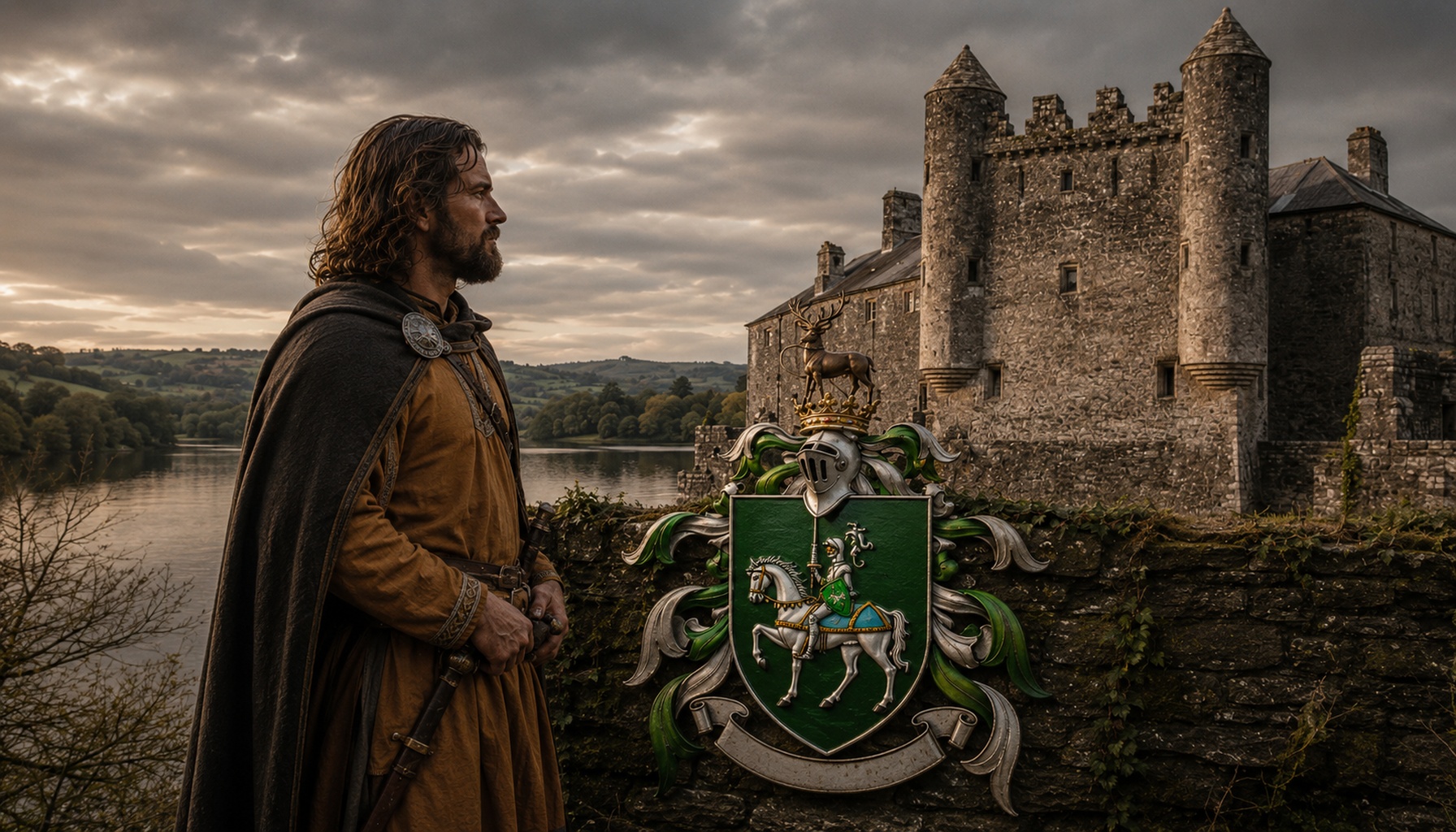
Clan MacGill was not one of the great princely houses of Scotland, and that is precisely why it is so interesting. It belongs to the long, durable world of Gaelic family tradition, where identity was carried not only by land and power, but by name, memory, service, and kinship. The surname MacGill, from Gaelic roots meaning "son of the servant" or "son of the devotee," sits squarely within that older naming pattern in which religious association, occupation, and ancestry all helped define who a family was. In that sense, Clan MacGill represents something deeply characteristic of Gaelic history: a patronymic lineage shaped by regional roots, local standing, continuity of surname, and the stubborn persistence of family identity across centuries. In DNA terms, the primary family haplogroup linked here is R1b1a1b1a1a2c1a1a1a1a1a1a2b6.
The family is associated with Scotland, especially the east and southeast Lowland world where Gaelic, Scots, and royal administration overlapped in fascinating ways. This was not a static society of neat clan borders, but a shifting historical landscape of service to crown and community, legal office, landholding, migration, and adaptation. The Makgill spelling appears in the record in forms typical of medieval and early modern Scotland, where names were written as they sounded and changed with time. Among the better-known historical figures are Sir James Makgill, a prominent Scottish official of the sixteenth century, and James Makgill, recorded in 1579, both reminders that the family moved within the serious business of government, law, and local influence, even if the wider MacGill tradition is better understood as one of enduring surname heritage than noble spectacle.
A key location anchor for the family is Oxenfoord Castle in Midlothian, near Pathhead, southeast of Edinburgh. The site has deep roots as a historic seat of the Makgill family and later developed into the striking country house form associated with the castle today. What makes Oxenfoord so revealing is that it shows how a family like the Makgills stood at the meeting point of older landed residence and later architectural ambition. The estate passed through generations and became tied to the family story in a very concrete way: not just as an address, but as the material expression of continuity, status, and regional belonging. The present building incorporates and reflects layers of rebuilding and later design history, and it remains one of the best physical reminders of the Makgill connection to the Lothians. It is known today as Oxenfoord Castle, and the site still exists and can be visited in at least a limited sense through events, functions, or external viewing, depending on access arrangements, so it is not merely a vanished name in a document but a surviving landmark in the family landscape.
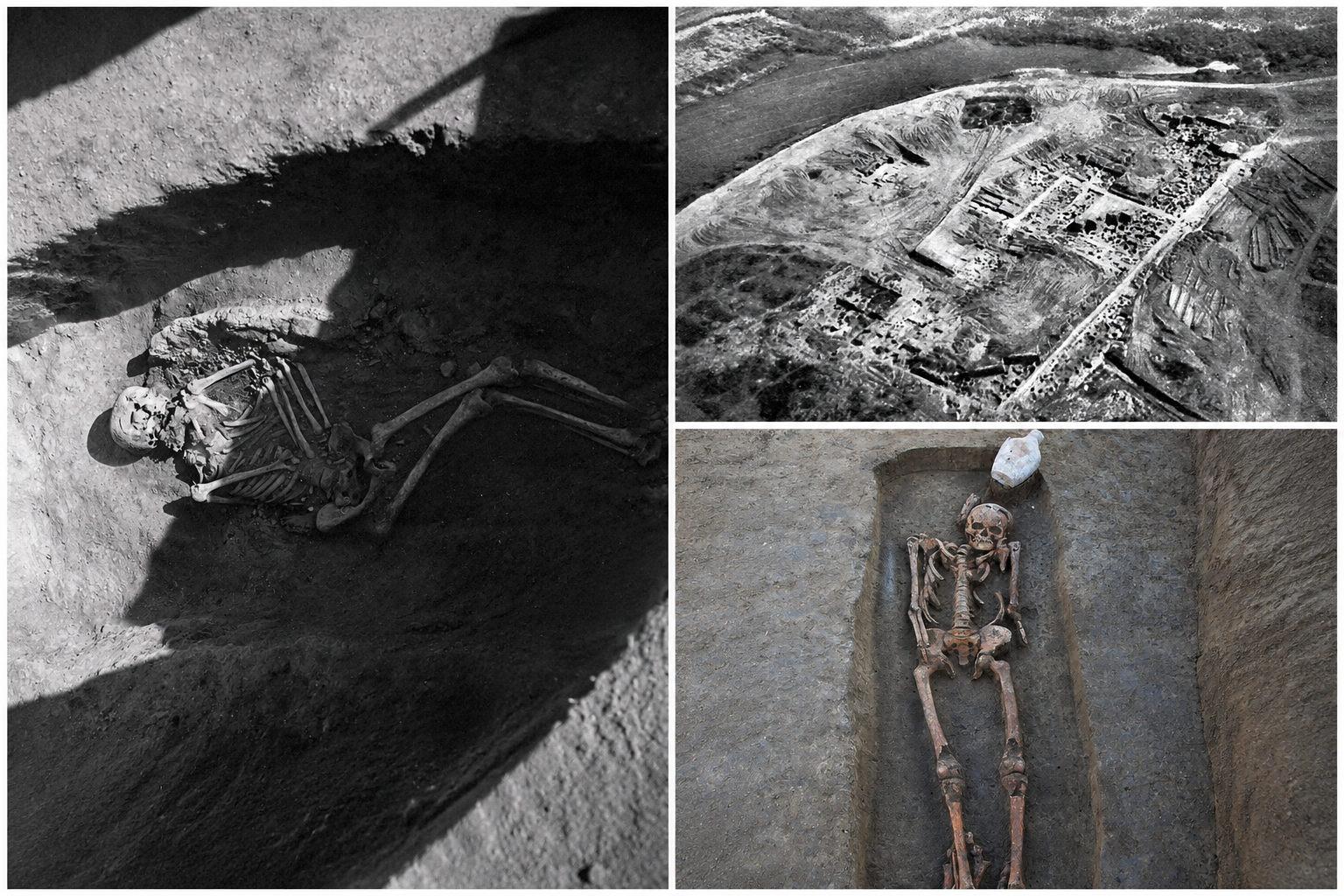
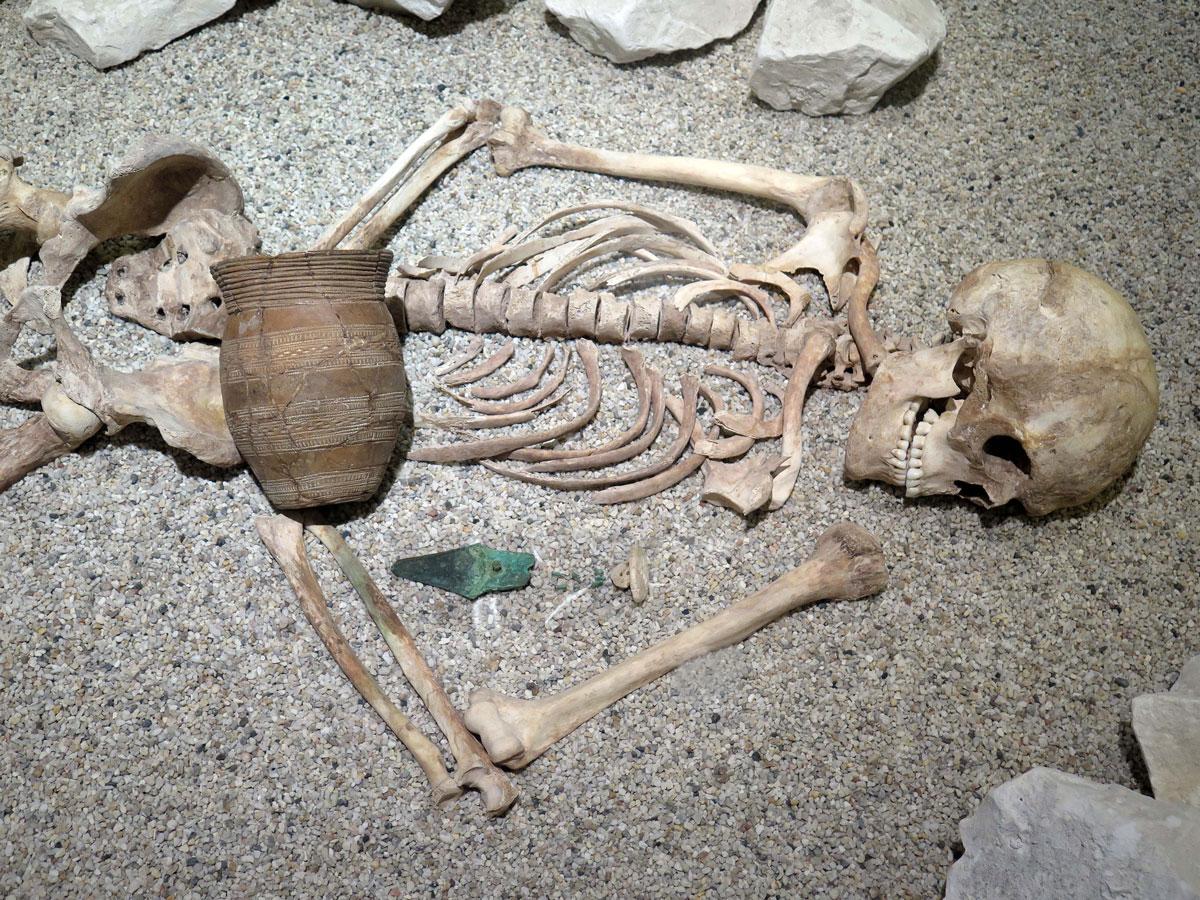
From the DNA side, the MacGill story becomes even more intriguing when set beside ancient and medieval individuals linked to the haplogroup R1b1a1b1a1a2c1a1a1a1a1a1a2b6. These are not proof of direct descent from Clan MacGill, and they should not be presented that way, but they do provide a related genetic backdrop for the kind of paternal line into which a MacGill branch may fit. Particularly notable are numerous medieval samples from Ballyhanna, County Donegal, Ireland, including Sk197an, Sk197y, Sk197q, Sk197am, Sk197s, Sk197ab, Sk197u, Sk197t, Sk197r, Sk197ad, Sk197x, Sk197n, Sk197aa, Sk197z, Sk197ak, Sk197w, Sk197ai, Sk197m, Sk197ah, Sk197ag, Sk197v, Sk197ac, Sk197al, Sk197af, Sk197ae, Sk197o, Sk197aj, HAN197x, Sk197a, Sk197b, Sk197c, Sk197d, Sk197e, Sk197f, Sk197g, Sk197h, Sk197i, Sk197j, Sk197k, Sk197l, Sk197p, and HAN197, along with related medieval Irish examples from Kilteasheen in Roscommon such as KIL041, KIL044, and KIL014. Taken together, these linked samples point to a wider Gaelic-zone paternal heritage stretching across the Irish Sea world, reminding us that surnames like MacGill emerged in a cultural sphere where Scotland and Ireland were historically connected by language, movement, ecclesiastical networks, and shared naming traditions.
If you carry the MacGill surname, have MacGill lines in your family tree, or simply want to see how your own ancestry connects to the deeper story of Gaelic Scotland and Ireland, upload your DNA to MyTrueAncestry. It is a great way to explore ancient matches, historical populations, and the long human background behind your family name.
Comments