Clan Lindsay
– 3 min read


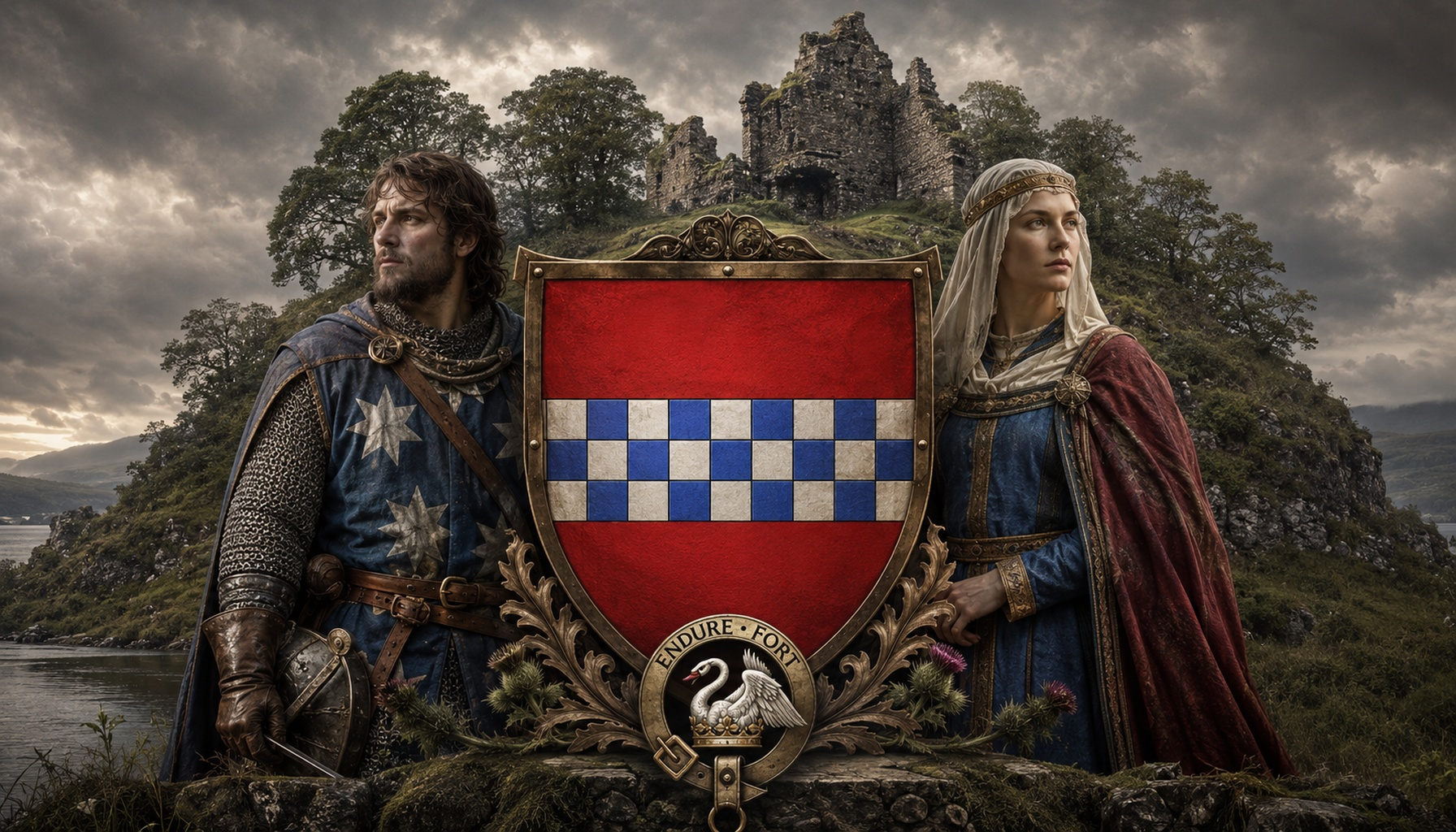
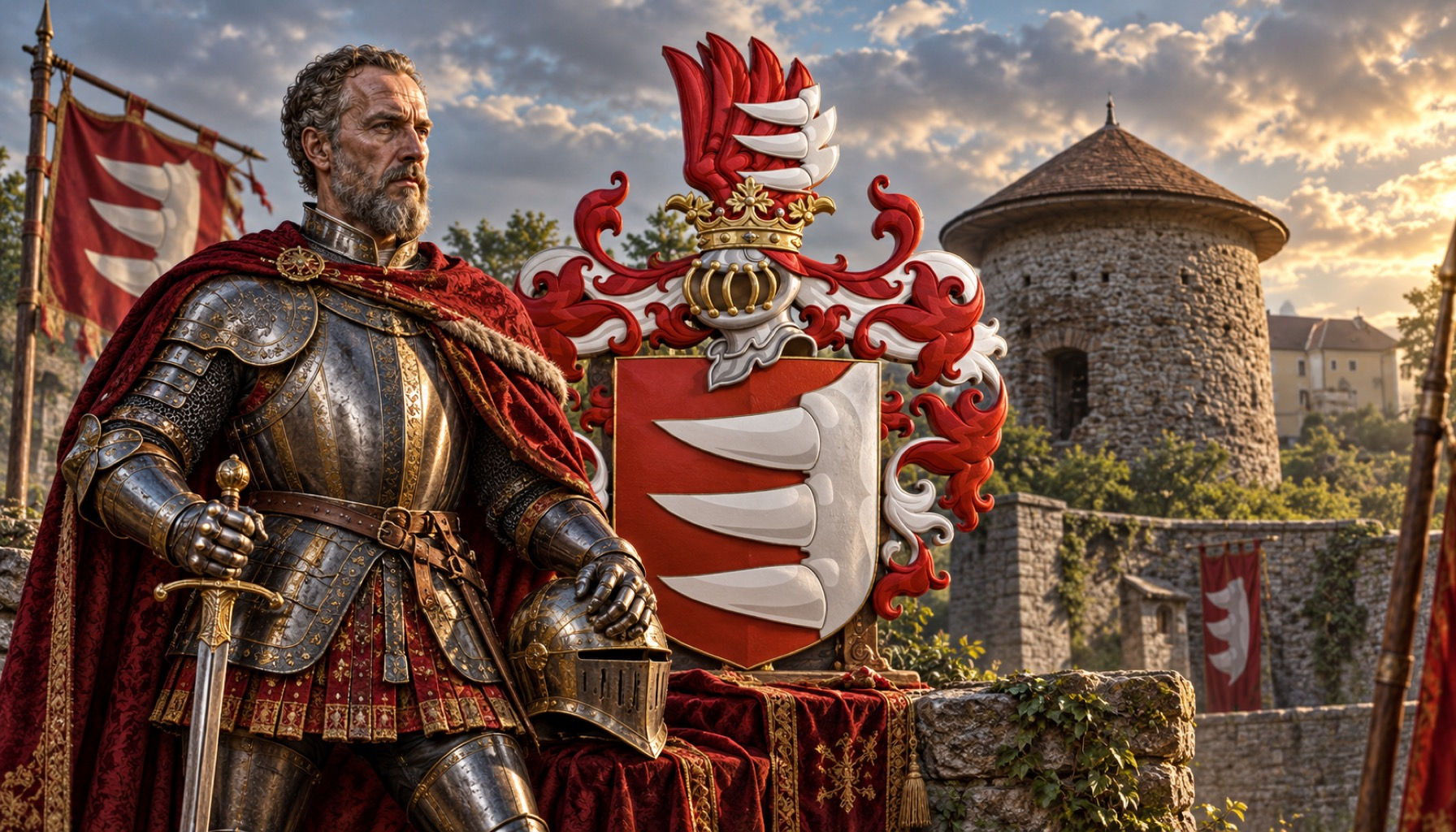
Clan Lindsay was one of the notable noble kindreds of Lowland Scotland, closely associated with Angus and with the long, practical business of power: landholding, royal service, military duty, marriage strategy, and a steady presence in public life. In historical terms, the Lindsays fit a very Scottish pattern, where a family was not simply a surname but a political force, rooted in estates, titles, heraldry, and memory. The primary haplogroup linked with the family is I2a1a1b1a1b2, a paternal line with a much deeper European story behind it.
The name itself points back to Lindesay in Lincolnshire, and that matters, because the family belongs to the world shaped by the Norman and Anglo-Norman redistribution of land after the 11th century. From that setting, branches of the family established themselves in Scotland, where men such as Sir Walter de Lindissie appear in the record. Once planted north of the border, the Lindsays did not remain minor incomers for long. They rose into the upper ranks of Scottish society, and the great titles tell the tale plainly enough: the Earl of Crawford from 1398 to the present, the Earl of Lindsay from 1633 to the present, and the Earl of Balcarres from 1651 to the present. That continuity is one of the striking things about the Lindsays. They were not a brief medieval flare, but a dynasty that learned how to endure.
Crawford Castle is one of the great location anchors for the Lindsay story, standing near Crawford in South Lanarkshire and tied to the early lordship of Crawford from which later prestige flowed. The site occupies a strategic position in upper Clydesdale, near important routeways through southern Scotland, and that is exactly the sort of place where medieval authority liked to plant itself. The visible remains are largely an earth motte with traces of associated works, suggesting an early defensive centre that likely began as a timber castle before later change and decline. In other words, it is not the sort of fairytale ruin with endless towers still standing, but something in some ways more revealing: a reminder of the earlier Norman-style frontier of lordship, where control of land, movement, and allegiance mattered more than romantic masonry. The castle is generally understood to be visitable as an outdoor historic site, and for anyone interested in the Lindsays, it offers that peculiar thrill of standing in a landscape where the family first translated status into territory.
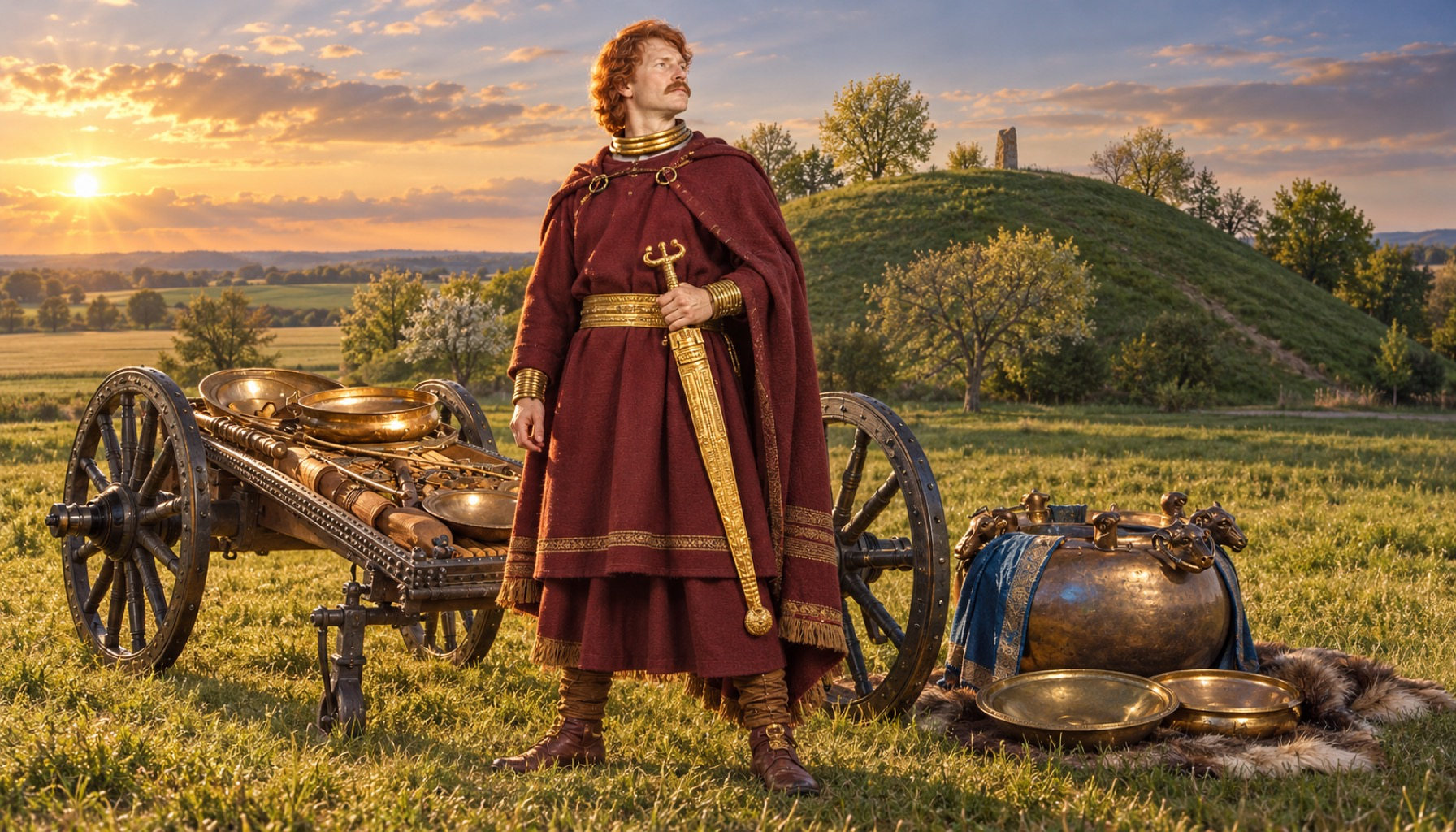
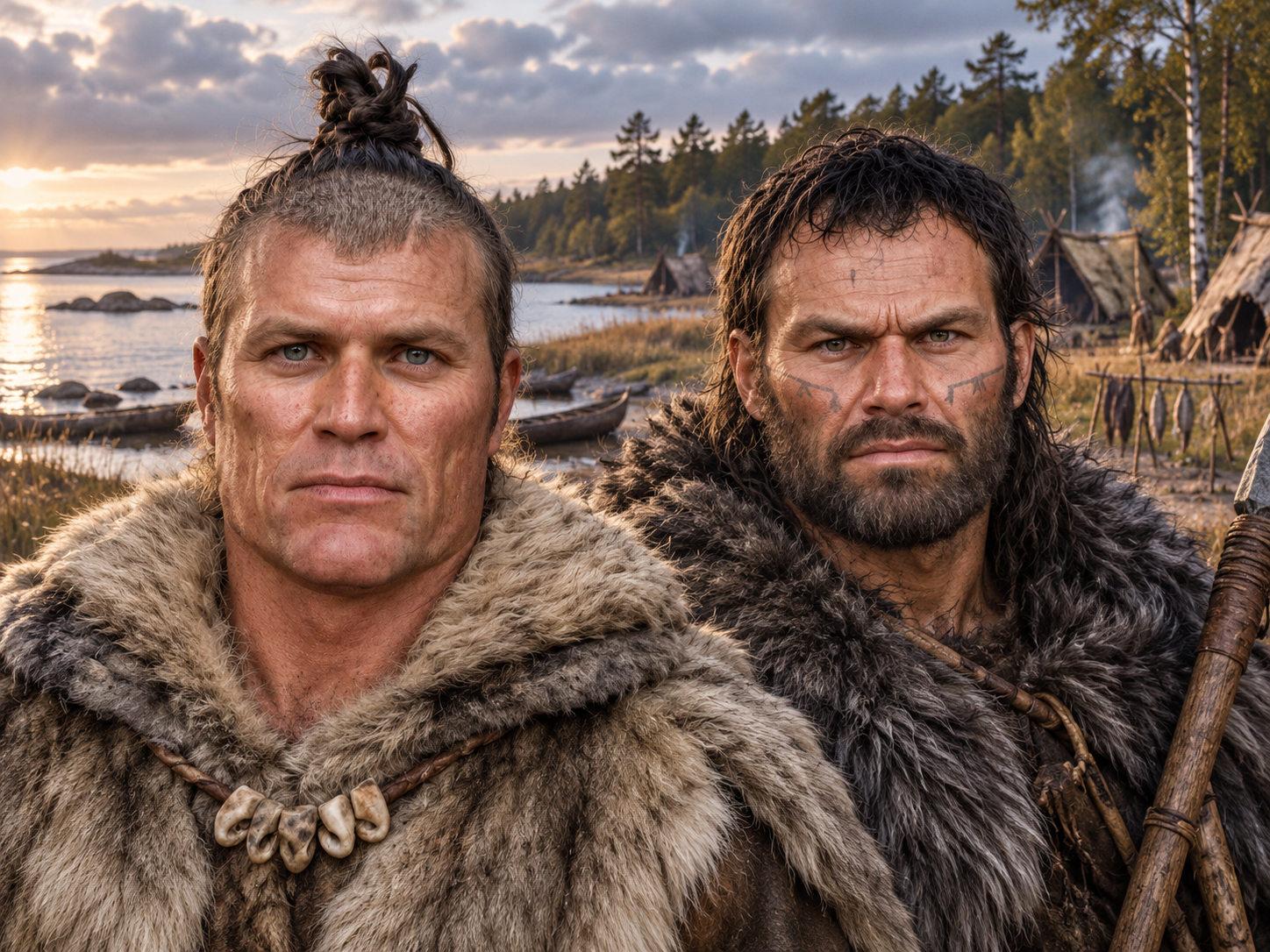
The Lindsay-associated haplogroup I2a1a1b1a1b2 also appears in a wide spread of ancient and early medieval contexts, which is where the story becomes larger than one Scottish surname. Related or linked samples include Late Bronze Age individuals from Zerniki Gorne in Poland such as poz667, poz675, poz649, poz651, poz662, poz665, poz684, poz655, poz745, poz746, poz747, poz748, and poz658, along with Bronze Age Southern Poland Koszyce poz543, Subcarpathian Poland Strzyzow poz758, South Central Poland Bocheniec poz507, Silesia Pielgrzymowice poz715, and Late Bronze Age Pomerania samples poz693, poz694, and poz700. The same broader paternal line also turns up in very different later worlds, including Ancient Mercenary First Sicilian War Himera Sicily I10949, Carolingian Era Groningen Netherlands GRO002, and Viking Age Staraya Ladoga VK22. None of that proves direct descent from any one of these individuals, and it should not be used that way. What it does show is that the Lindsay-linked paternal signature belongs to a deep and mobile European past, moving through Bronze Age communities, early historic warrior networks, and medieval populations long before it appears in the written record of Scottish nobility.
Explore ancient DNA in Britain
If you carry the Lindsay surname, have Lindsay lines in your family tree, or simply want to see how noble-clan history and ancient DNA can meet in the same story, upload your DNA to MyTrueAncestry and explore whether you match the family or related ancient DNA samples. It is a rather wonderful way of putting bones, places, and documents back into conversation with one another.
Comments