Clan Keyes

– 3 min read


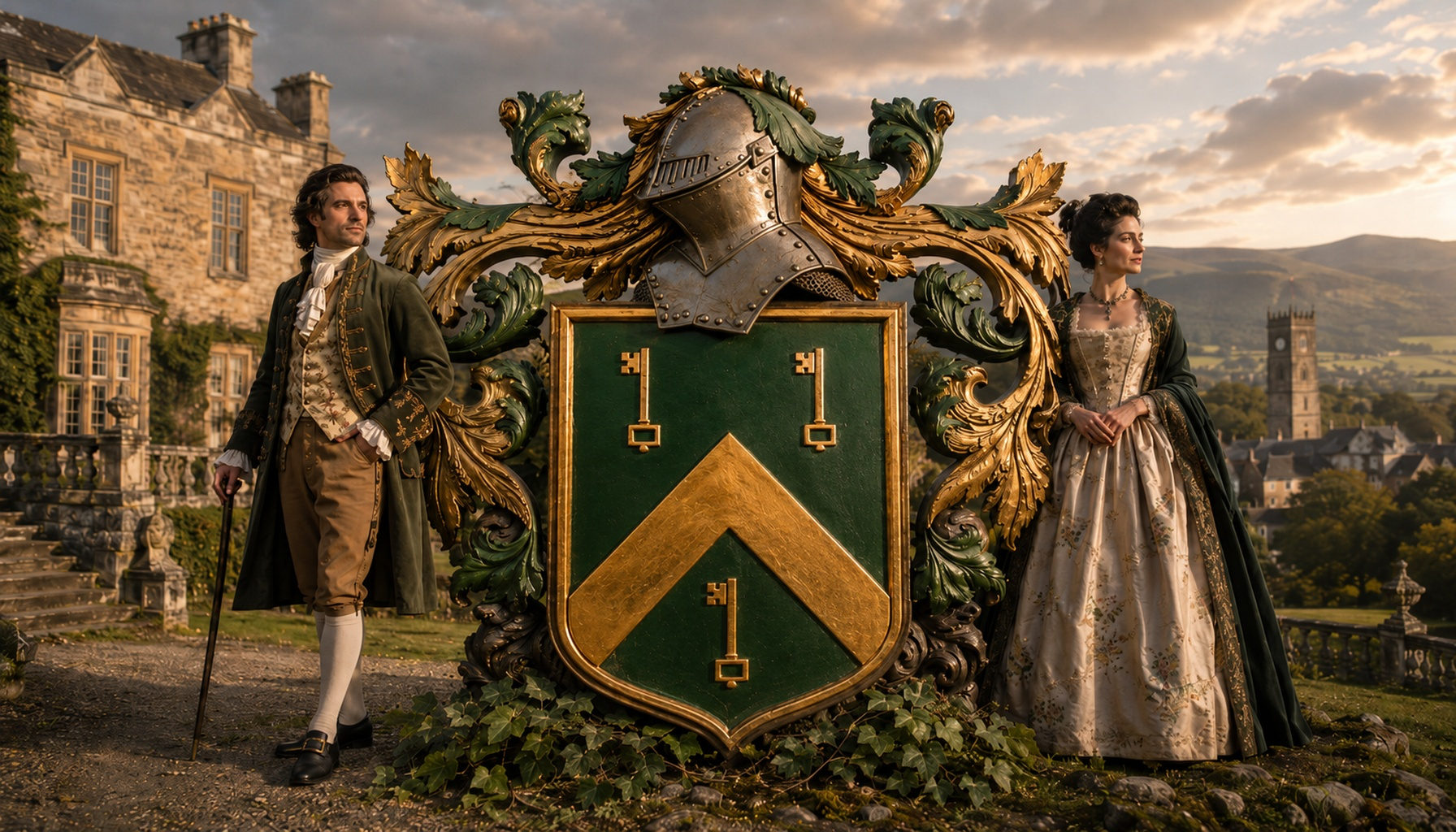
The Keyes family belongs to that very recognisable British and Irish pattern of surname heritage in which a house is built not on crowns and grandiose legend, but on locality, service, memory, and the stubborn persistence of a name. In this case the linked primary haplogroup is I1a2a1a1a1a2b, a paternal line with deep roots in the wider northern European story. The Keyes name appears in medieval records in forms that suggest both personal-name inheritance and long settlement within the communities of England and Ireland, where family identity was shaped through parish life, landholding, military duty, office, and marriage rather than princely rank.
That is what makes a family like Keyes historically interesting. It is not just a name floating free in heraldic mist; it is a name anchored in places and documents. We glimpse figures such as Brits filius Kay in 1199, a reminder of how surnames were still hardening into hereditary form in the high Middle Ages, and later Richard Keyes, active in the years 1511 to 1546, in the Tudor world of administration, defence, and local standing. The House Keyes is best understood as a family-house of continuity: a British and Irish surname line that endured because people carried it through everyday public life, through movement across counties and seas, and through the careful preservation of family memory.
A particularly vivid location anchor for the family is Sandgate Castle on the Kent coast, near Folkestone, facing the Channel at one of the most exposed and strategic edges of England. Built in the 1530s as part of Henry VIII's chain of Device Forts, Sandgate Castle was meant to guard against invasion in that anxious age after the break with Rome, when the English crown feared a combined Catholic assault from France and the Empire. It was originally an artillery fort, low and thick-set, designed for gunpowder war rather than the romantic silhouette of a medieval castle. Over the centuries it suffered badly from coastal erosion and had to be altered and repaired more than once, which is itself a neat lesson in how history is often a struggle against geography as much as against enemies. Later it passed through changing uses, including military and residential life, and today the building still stands in altered form on Sandgate Esplanade. Yes, it can still be visited from the outside as part of the historic seafront landscape, and its long afterlife makes it a fine emblem for a family story rooted in service, locality, and endurance rather than fantasy.
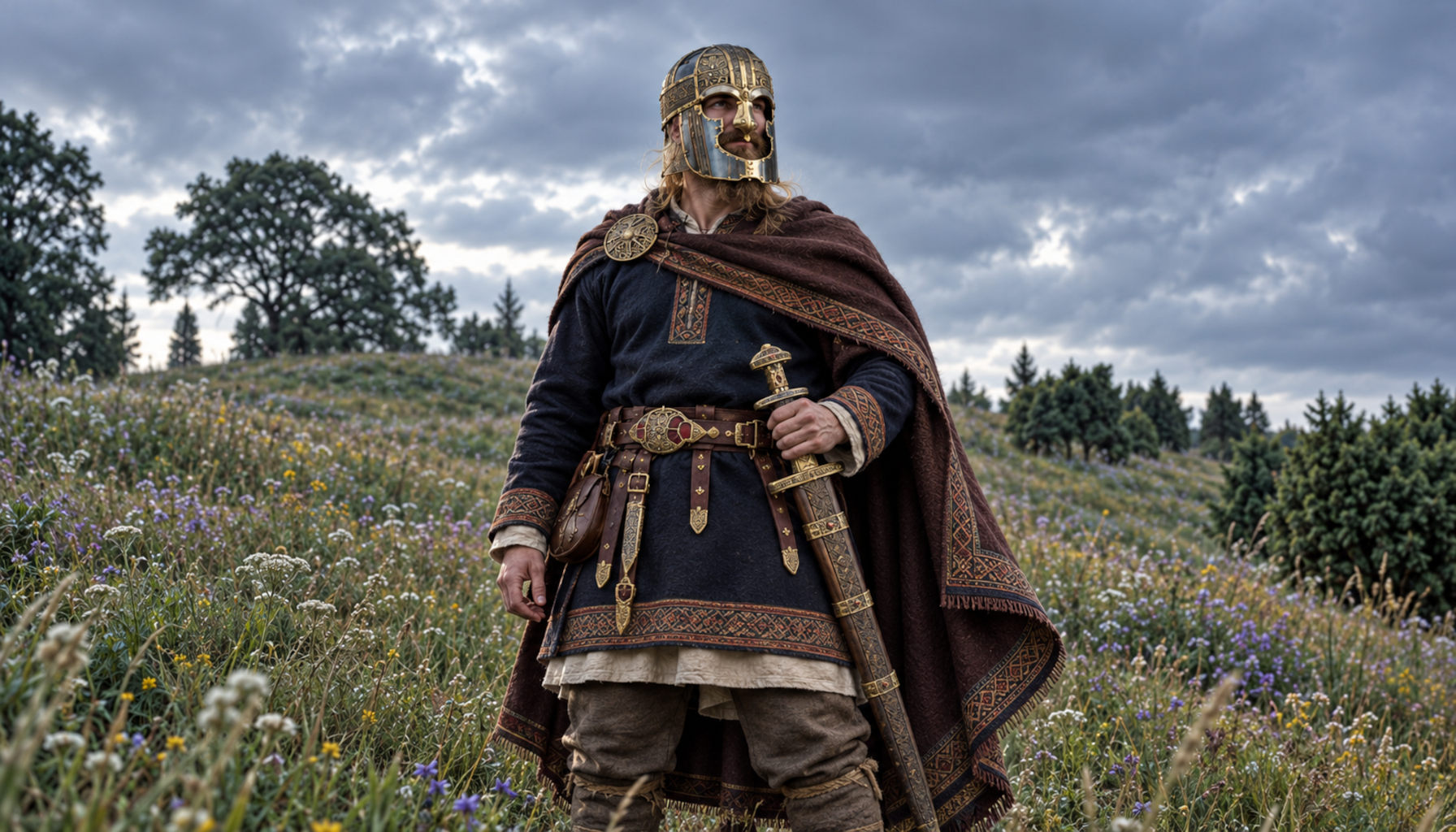
From the ancient DNA perspective, the Keyes-linked haplogroup I1a2a1a1a1a2b belongs to a broader northern and Germanic-looking pattern seen across several archaeological settings, though of course these are related or linked samples rather than proof of direct descent. Among the relevant comparanda are Migration Period Hungary Rakoczifalva RKF280, Gothic Period Serbia Timacum Kuline Ravna Village I15549, Gothic Era Serbia Timacum Slog Necropolis I15545, Longobard Period Pannonia Savaria Szeleste Barbaricum Hungary SZL028, Nordic Bronze Age Denmark Strandlunden II Gerlev CGG106515, Germanic Tribe Iron Age Denmark Sjaelland Holbaek Fjord Trundholm Mose CGG106734, Viking Age Denmark Bogovej CGG106777, Anglo-Saxon Sedgeford England Norfolk SED014, Gothic Kecskemet-Mindszenti Transtisza Hungary A181016, Medieval Tarquinia Lazio Italy TAQ009, and Viking Age Oland Sweden VK337 and VK357. Taken together, those linked samples sketch a long arc from Bronze Age Scandinavia through Iron Age and Migration Period continental networks into Viking and Anglo-Saxon England. That does not make the Keyes family a Gothic or Viking dynasty in any simplistic sense, but it does place their paternal signature within a fascinating deep-time map of movement, contact, and settlement across Europe.
Read more about Anglo-Saxon DNA
If you carry the Keyes surname, or suspect a connection to this British and Irish family-house tradition, the next step is wonderfully practical: test the story against both genealogy and ancient DNA. Upload your DNA to MyTrueAncestry and see whether you match the Keyes family profile or any of the related ancient samples linked to haplogroup I1a2a1a1a1a2b. It is one of the best ways to turn a surname from a label into a lived historical investigation.
Comments