Clan Hope
– 3 min read


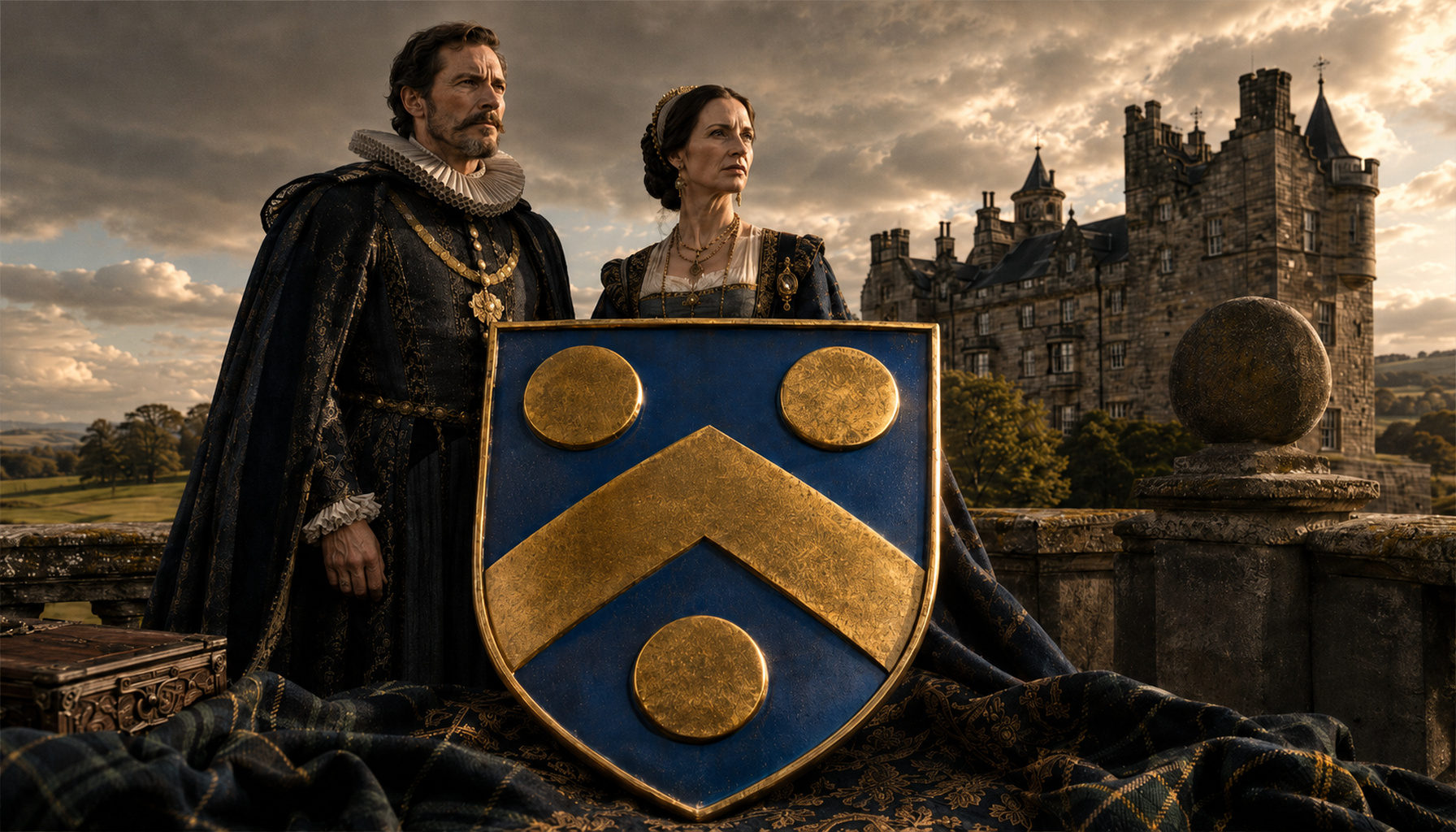
Clan Hope was a Lowland Scottish family whose story is tied less to the image of the kilted war band and more to the world of law, public office, land, and careful advancement through service. Their tradition is rooted in Scotland's eastern Lowlands and in the political culture of Edinburgh and the Lothians, where education, administration, and estate-building could raise a family to real national importance. In genetic tagging terms, the primary family haplogroup linked here is I1a1b1g3b2, a branch with deep northern European associations. Haplogroups: I1a1b1g3b2.
The Hopes rose through precisely the sort of machinery that made many Lowland families powerful: legal skill, financial ability, advantageous marriage, and steady participation in the institutions of Scotland and later Britain. This is why the family stands as such a good example of the professional-landed Scottish pattern. Their identity was preserved not simply by bloodline, but by heraldry, estates, office-holding, and reputation. Among the best-known figures are Charles Hope, 1st Earl of Hopetoun (1681-1742), who helped establish the family's great standing, and John Hope, 4th Earl of Hopetoun (1765-1823), who carried that prominence into a later age of British political and landed influence.
The family's great location anchor is Hopetoun House, near South Queensferry in West Lothian, overlooking the Firth of Forth. It is one of the grandest stately houses in Scotland and, frankly, one of those places where a family's ambitions are written in stone. Built from the late 17th century onward for the Hope family, the house is associated with major architects including Sir William Bruce, with later contributions by William Adam. The result is a remarkable country house set within an extensive designed landscape, with formal interiors, grounds, and an estate setting that express exactly what the Hopes had become: not merely successful individuals, but a dynasty of public consequence. Hopetoun House remains closely tied to the family's identity and, yes, it can still be visited, which makes it one of the most tangible surviving gateways into Hope history.
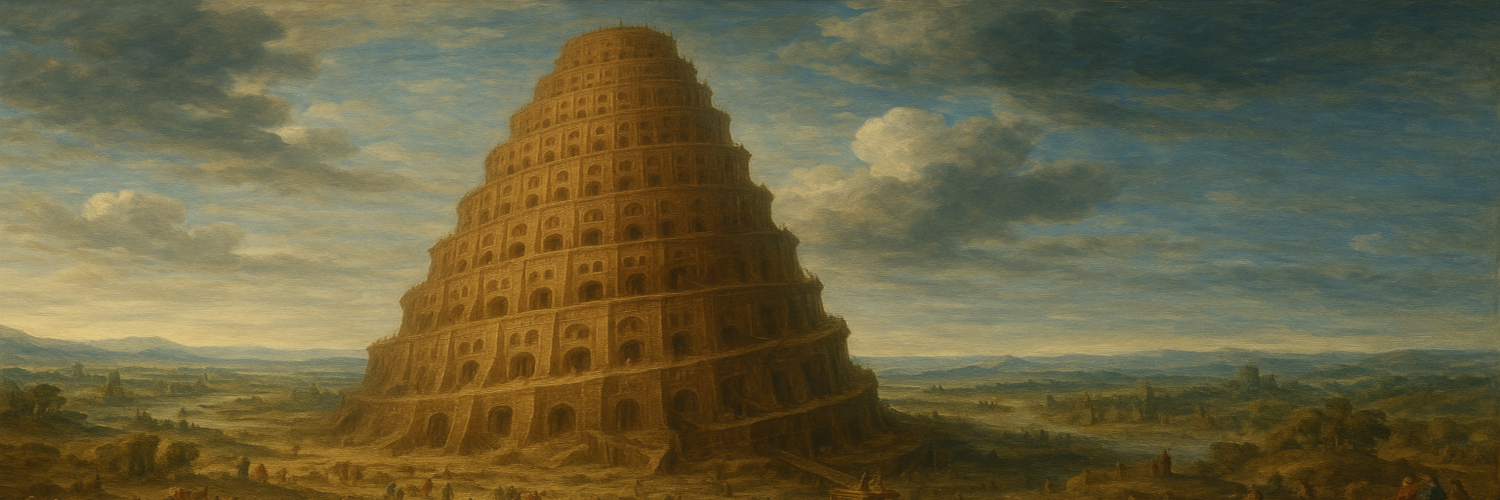
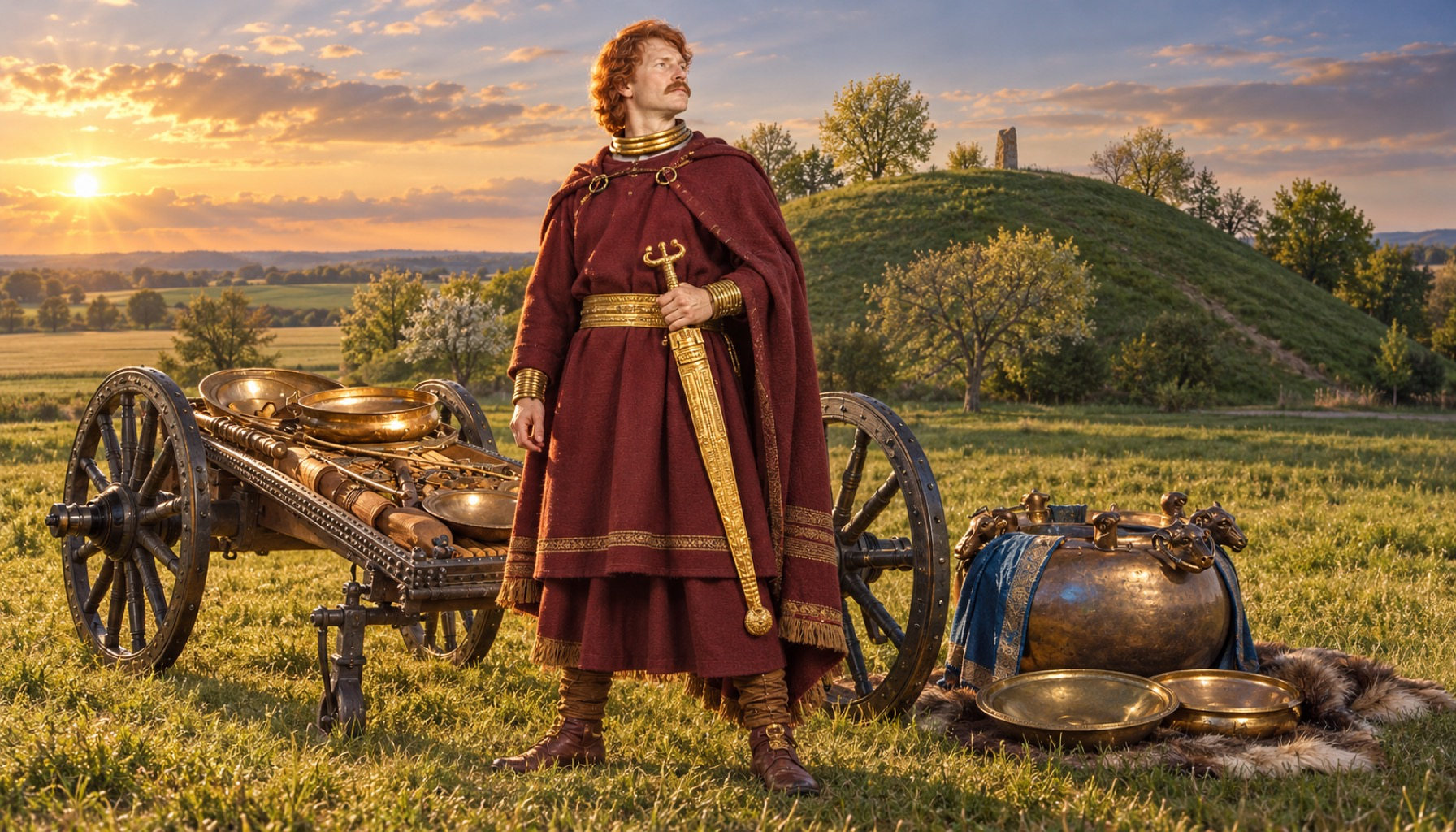
From an ancient DNA perspective, the Hope-linked haplogroup I1a1b1g3b2 belongs to a wider northern and central European story rather than to any single medieval surname. Related or linked ancient samples appear across a striking range of places and periods: Migration Period Hungary at Rakoczifalva (RKF183), Longobard Period Pannonia at Savaria Szeleste Barbaricum in Hungary (SZL026), Merovingian Bavaria at Altheim in Germany (Alh_141), Gothic-associated Maslomecz Wielbark Poland (PL076), Kingdom of Dumnonia Britain at Widemouth Bay in Cornwall (I16383), Kingdom of Mercia England at Wolverton, Buckinghamshire (I16509), Danii-linked Denmark at Northwest Sjaelland Asnaes (CGG107443), an Iron Age Netherlands outlier from Valkenburg Marktveld (CGG107762), Neolithic Sweden at Albacksbacken Maglarp (CGG105926), Dark Ages Italy at Torino Lavazza (To_Lav_T2US16), post-Roman Pannonia at Balatonszemes in Hungary (Bal_111, Bal_111m, Bal_111x), Viking Age Sweden at Uppland Alsike (als007), the Stora Kronan shipwreck from the Battle of Oland in Sweden (kro016), Saxon Lower Saxony at Dunum in Germany (DUN005), Viking Age Rantzausminde Grav on Funen in Denmark (VK315), and Vendel Age Salme I on Saaremaa (VK507). These do not prove direct descent from Clan Hope, of course, but they do sketch the broader ancient paternal world in which this lineage moved across Scandinavia, the North Sea zone, Britain, and migration-age Europe.
Explore North Sea migrations to Britain
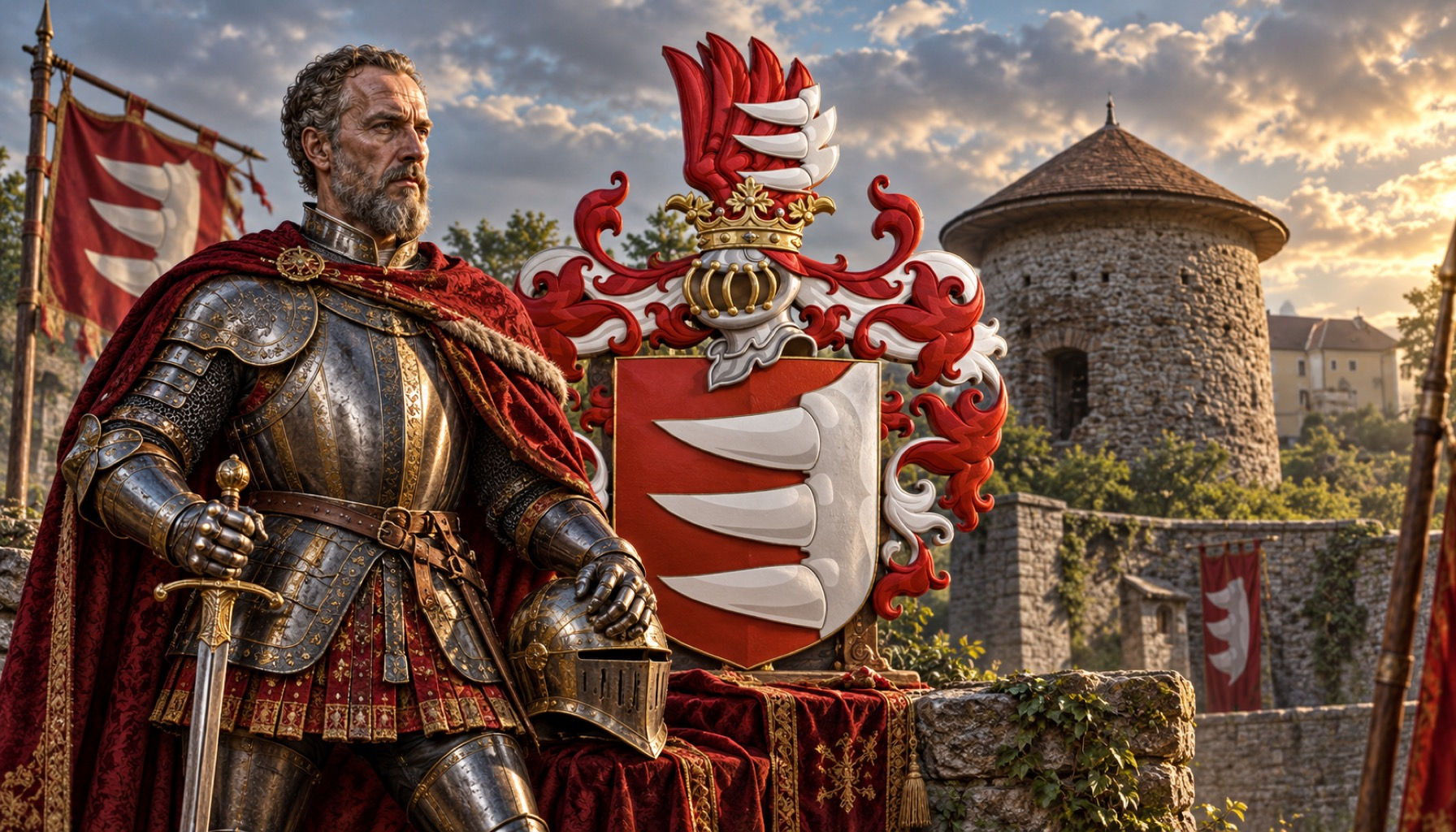
If you are exploring Hope family heritage, the real excitement is in seeing how documentary history and DNA can sit together: charters and coats of arms on one side, deep-time paternal links on the other. Upload your DNA to MyTrueAncestry to see whether you match the Hope family story or any of these related ancient DNA samples, and to place your own ancestry within the wider historical landscape of Scotland, Britain, and northern Europe.



Comments