Clan French
– 3 min read


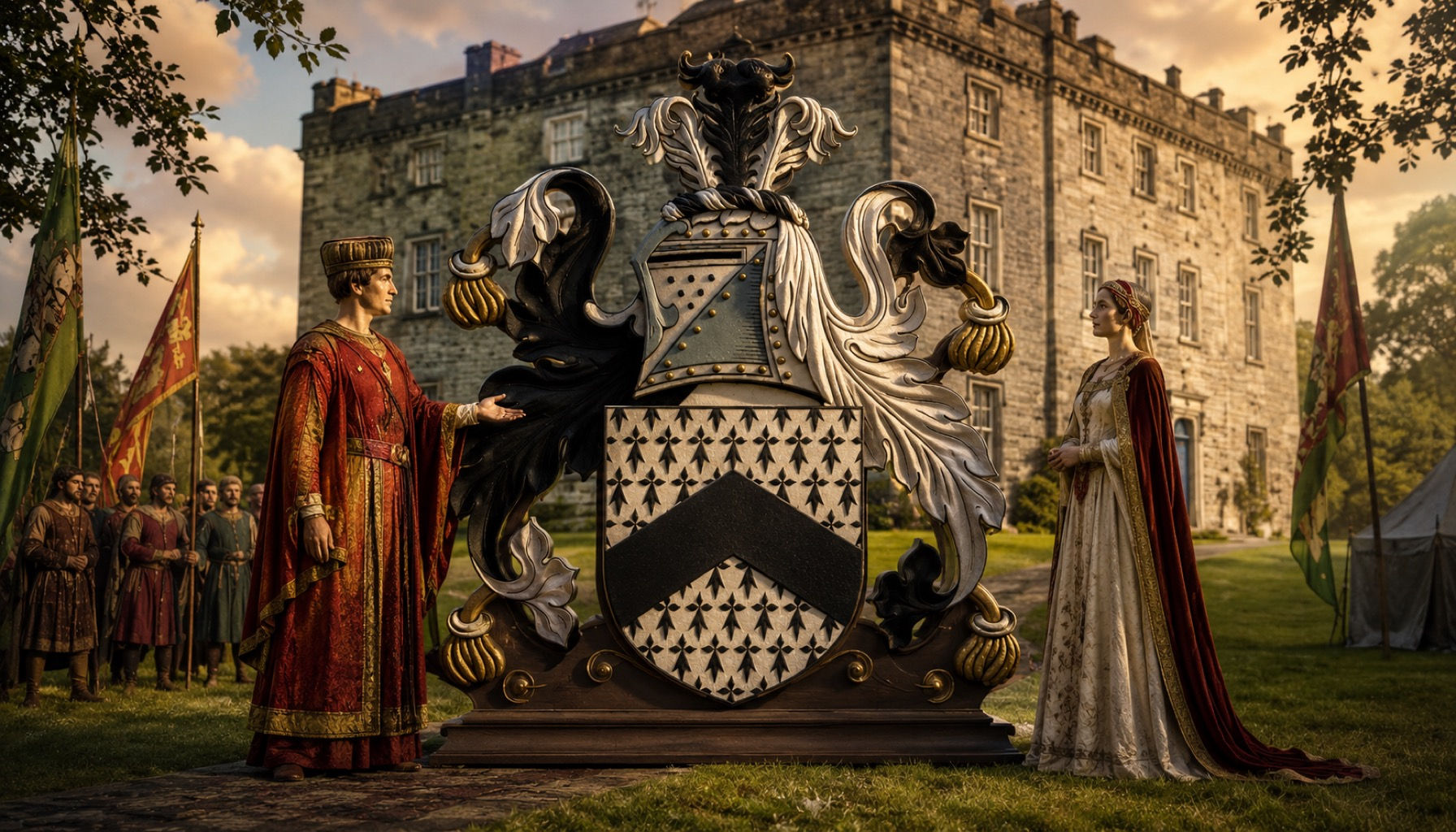
Clan French was a Norman-origin family tradition that took root in both Ireland and Britain, carrying with it the long memory of medieval settlement, local service, landholding, and surname continuity. In family-history terms, the name belongs to that very recognisable world created after the Norman expansions, where newcomers did not remain simply foreign, but became woven into regional society through lordship, duty, marriage, and adaptation. The primary haplogroup linked here is G2a2b1d, a lineage with a strikingly deep past across Europe and the wider Mediterranean world.
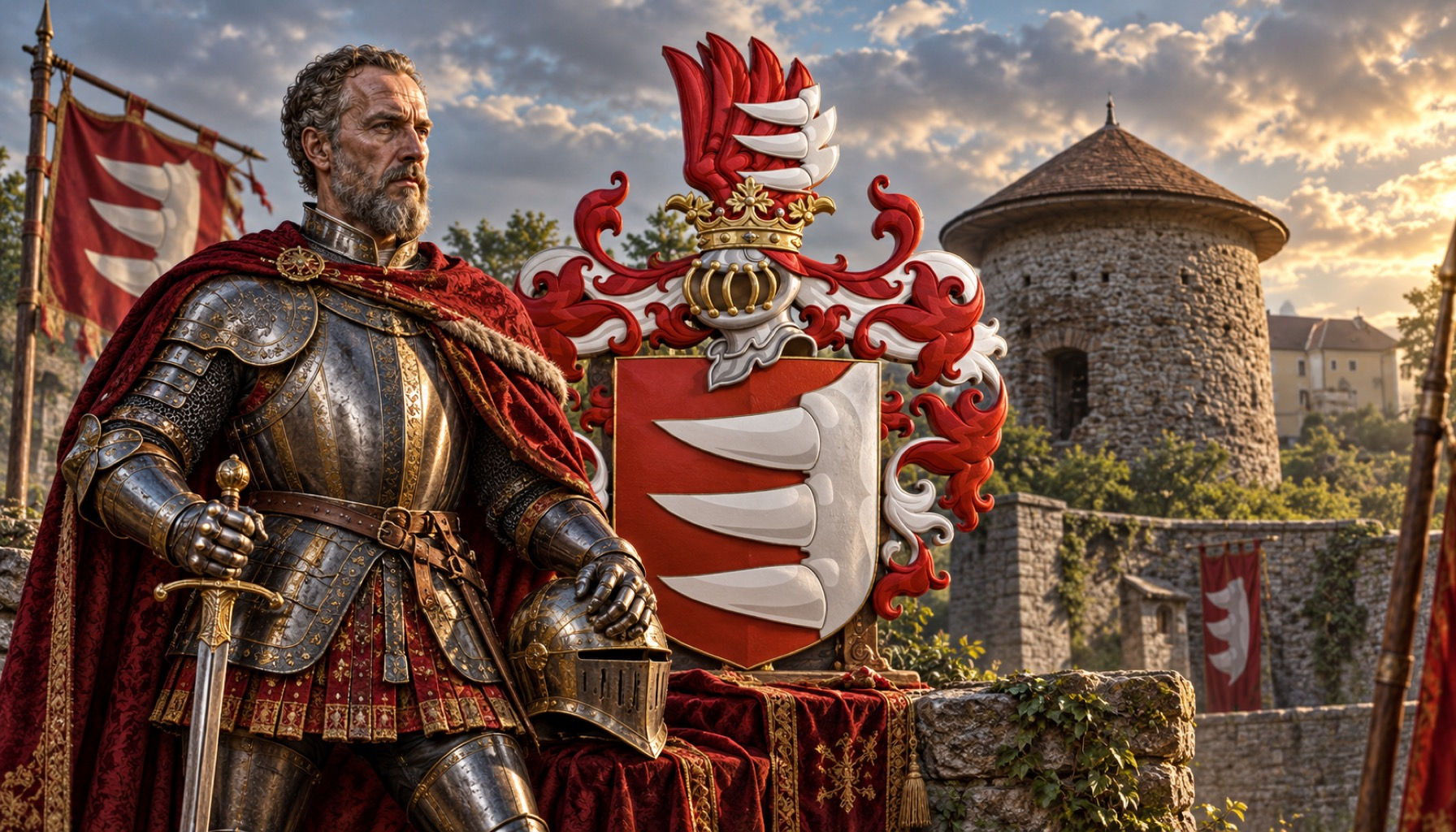
The surname itself plainly advertises origin: "French" or earlier "de France" marked a family seen as connected with France in the age when such labels mattered enormously. One early named figure is Theophilus de France, recorded in 1066, which places the family name in the great age of Norman movement and conquest. From there, the story is not one of a single neat line marching through history, but of branches establishing themselves in Ireland and Britain, preserving identity through estates, heraldry, public duty, and the stubborn medieval habit of remembering who belonged to which house. In that sense, Clan French represents a classic Norman-Irish and British pattern: settlement first, service next, then gradual integration without losing the family name.
A particularly important anchor for the family is Frenchpark, in County Roscommon, preserved in the historic barony name of Frenchpark. This district reflects the lasting association of the French family with the landscape of Connacht, where Norman-descended families often became deeply local while still keeping the marks of their origin. The barony takes its name from the family and from the settlement that grew around their estate, showing just how firmly the surname was planted in the region. Historically, this was not merely a private residence in the modern sense, but part of the machinery of landed society: authority, tenancy, administration, and memory all tied to one place-name. Frenchpark and its wider district can still be visited today, and for anyone interested in Irish family history it offers that rare pleasure of standing in a landscape where the surname has not drifted loose from the map.
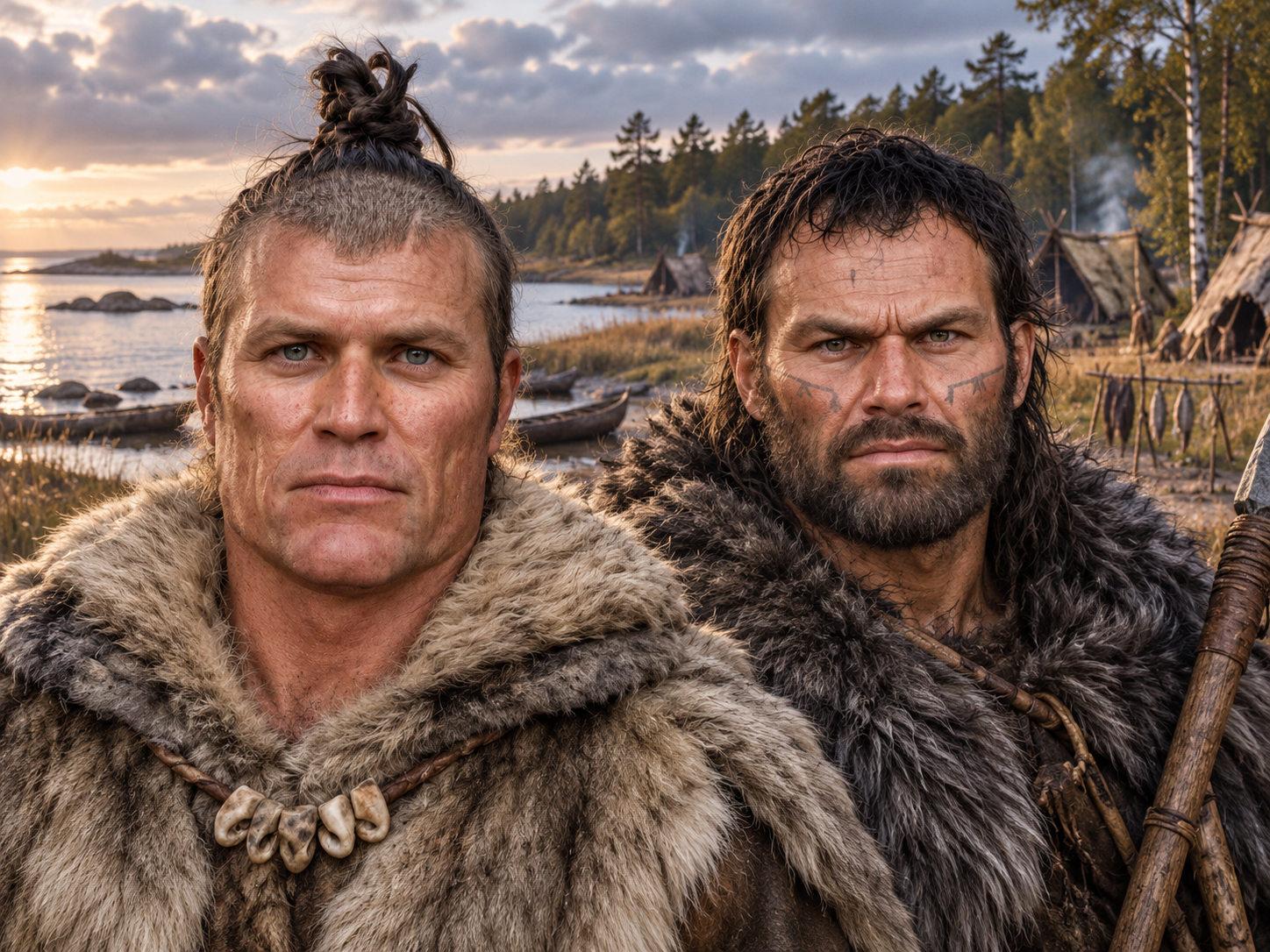
The haplogroup G2a2b1d linked with Clan French has a wonderfully long archaeological shadow, though one should be careful not to claim direct descent from named ancient individuals without evidence. What we can say is that related or linked samples appear across a broad sweep of time and place: Neolithic Anatolia at Arslantepe (ART014), Ikiztepe on the Black Sea coast (IKI037, IKI019), Early Bronze Age Bulgaria at Yunatsite (YUN015), Neolithic France (HBS004), Bronze Age eastern Anatolia at Van (I19612), and later Roman and post-Roman worlds such as Pesaro on the Adriatic in Italy (PF28, PF32), Cambridgeshire Duxford in Roman-era Britain (DUX006), Pannonia and Arrabona in Hungary (MFC019, RKF255, RKF258), Imperial Roman Croatia (BBC022), Phoenician-era Tharros in Sardinia (I21987), Gallic France Les Moidons (CGG023688), Byzantine contexts such as NS3b, and even farther-ranging finds like Greco-Bactrian Tajikistan (I12293). That is exactly the sort of pattern archaeogenetics often reveals: not one tidy ethnic box, but a lineage moving through farming expansions, Mediterranean exchange, Roman networks, frontier mobility, and medieval reshaping. For a Norman-Irish and British family like French, that deep background is not a proof of one unbroken pedigree, but it is a reminder that family history sits on top of far older human journeys.
If you carry the French surname, have Frenchpark ancestry, or simply suspect Norman-Irish or British roots in your family, uploading your DNA can add an entirely new layer to the story. MyTrueAncestry lets you explore whether your results show connections to Clan French, to haplogroup G2a2b1d, or to related ancient DNA samples from the Neolithic, Roman, and medieval worlds that form the deeper backdrop to this heritage.

Comments