Clan Le Poer
– 3 min read


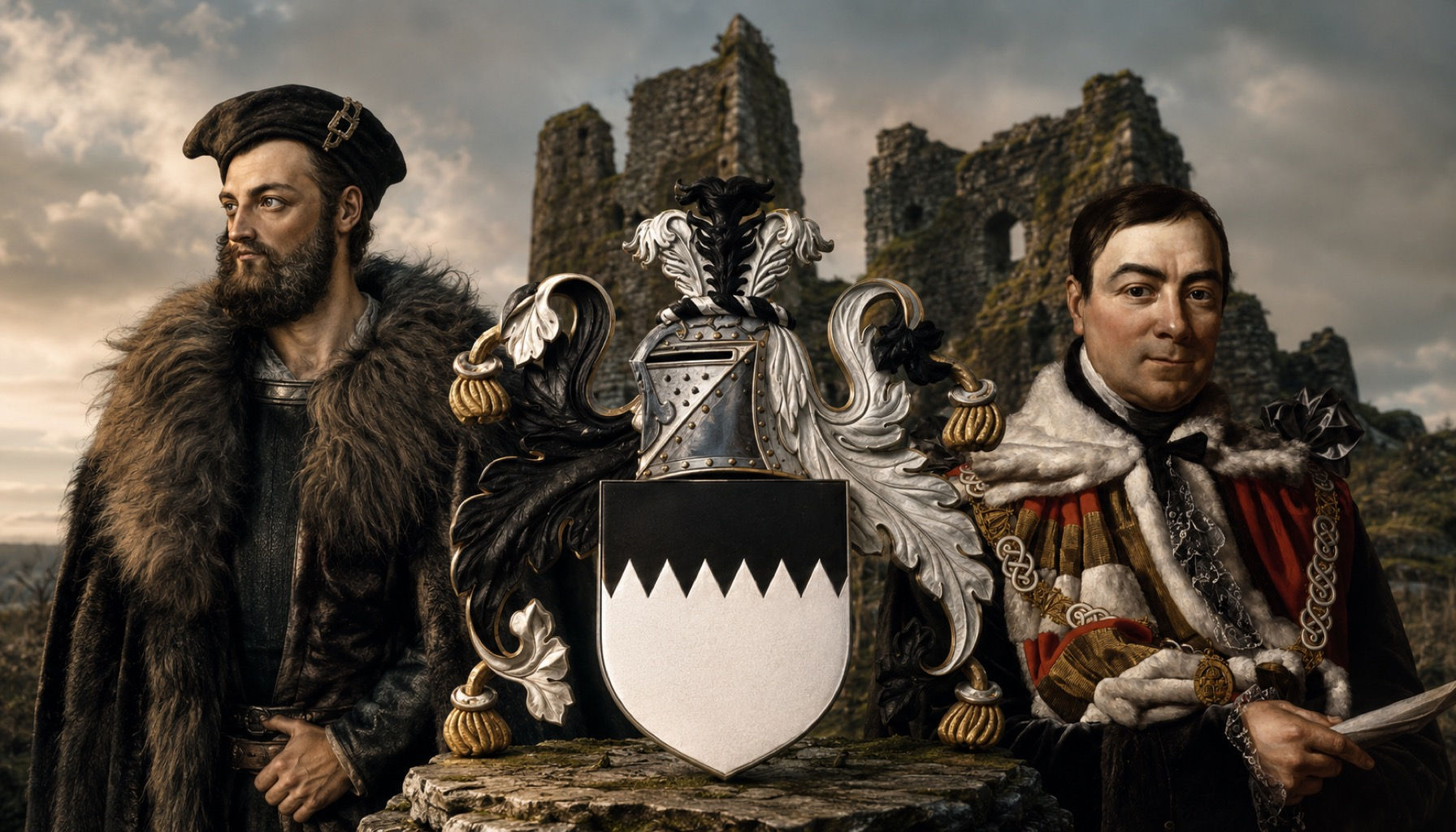
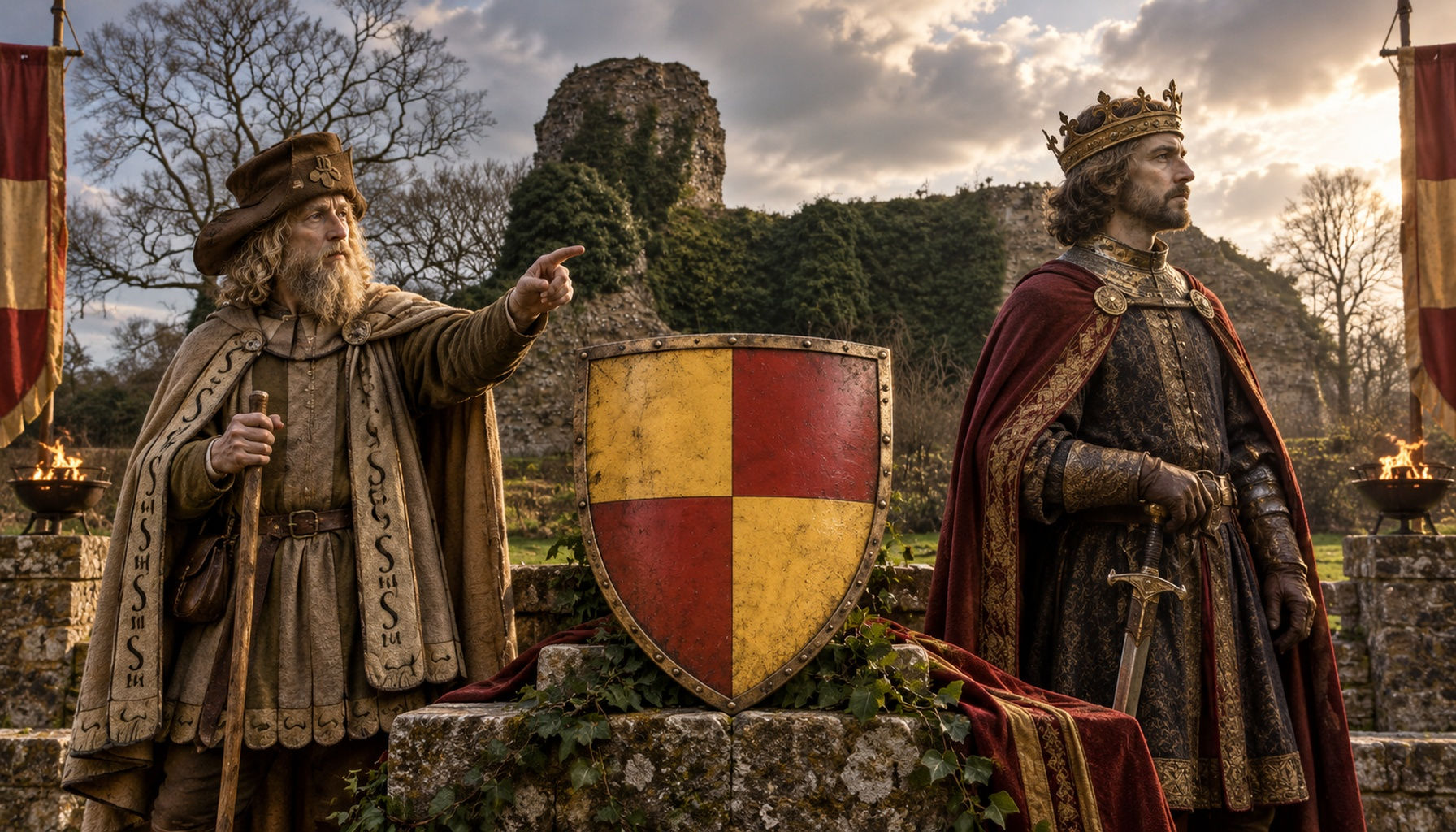
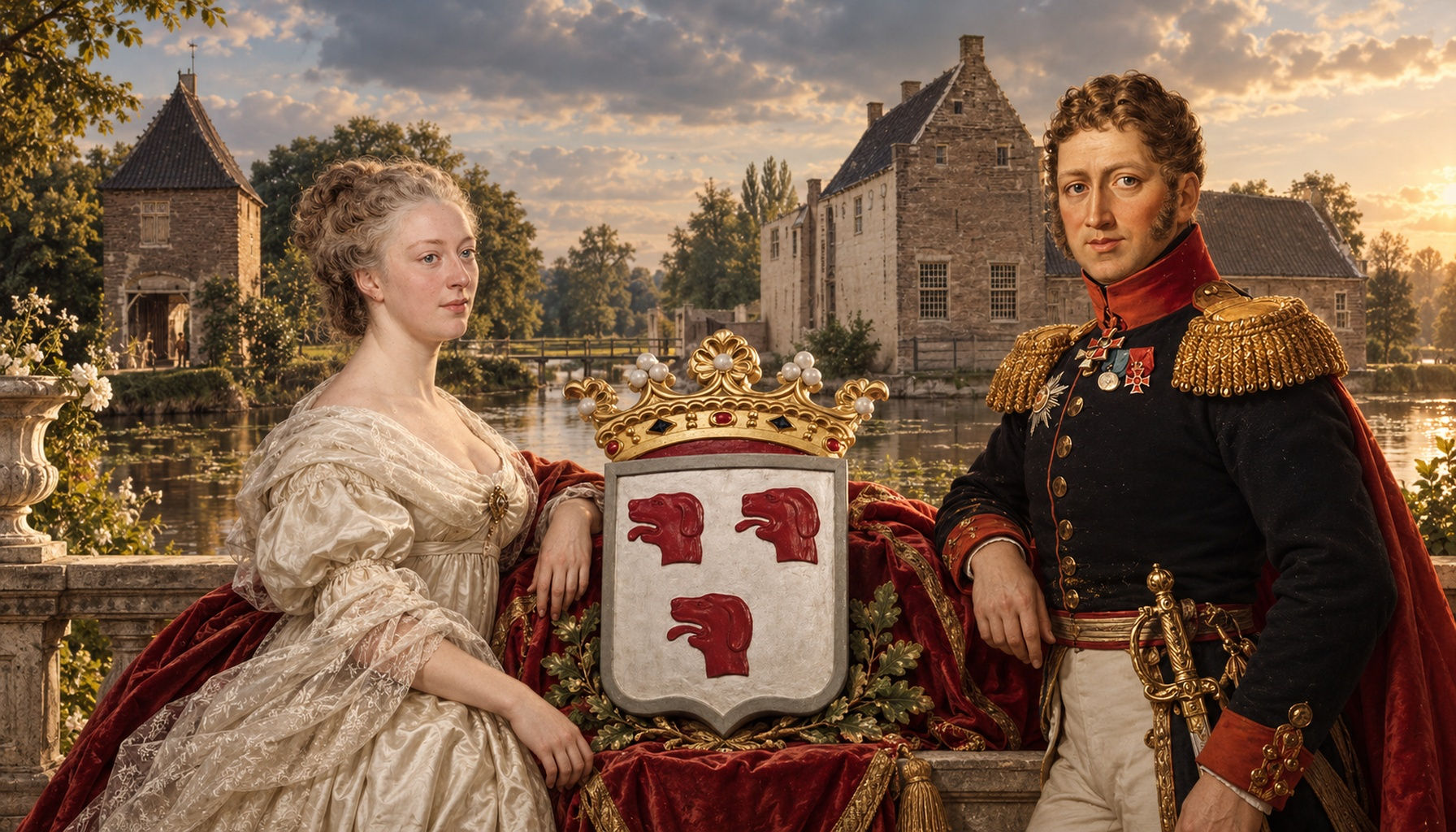
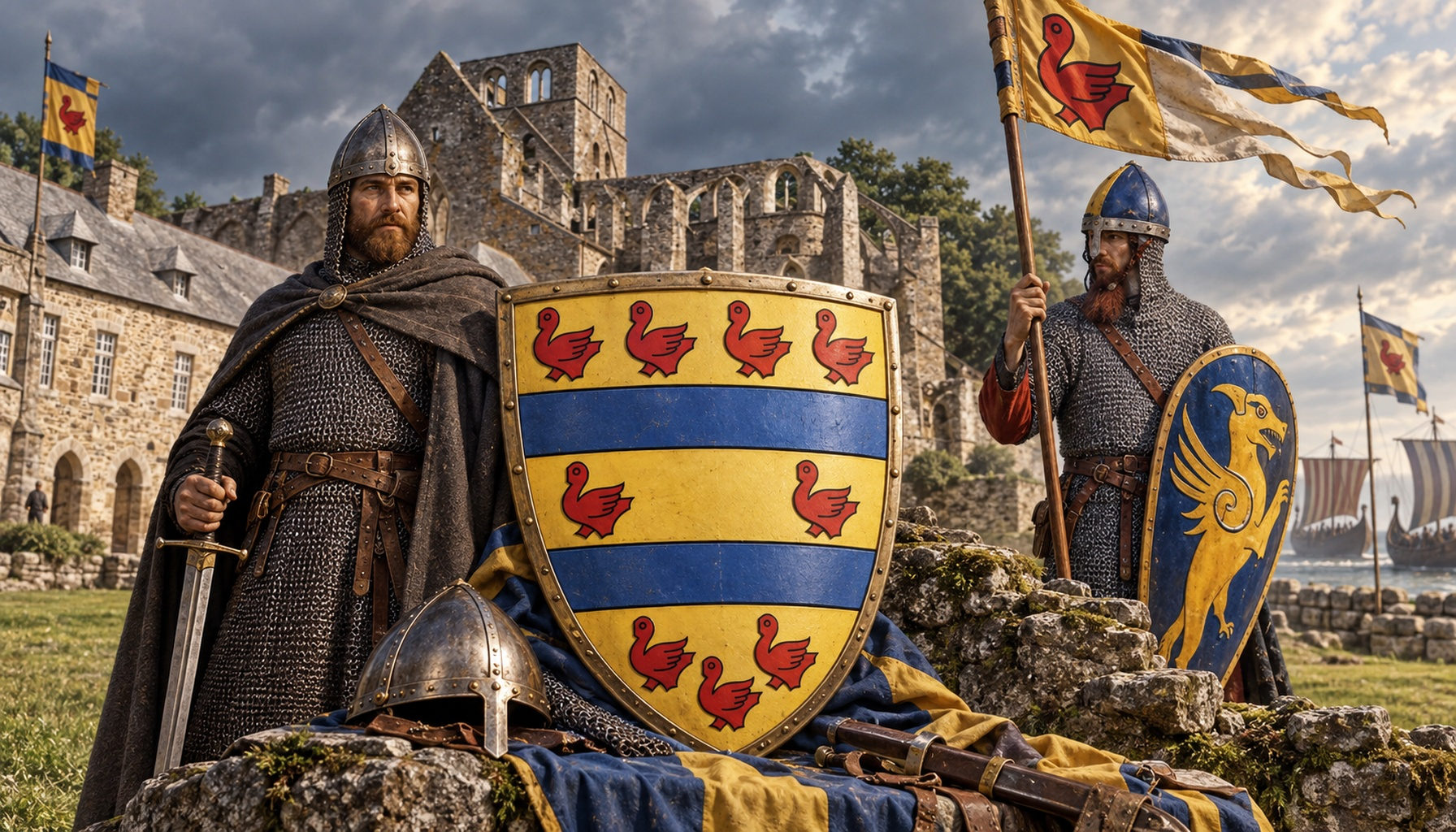
Clan Le Poer was one of the notable Norman-Irish noble families rooted in County Waterford, a dynasty shaped by the great upheaval that followed the Norman arrival in Ireland. Their story begins in the world of conquest-era settlement, where military service, land grants, castle building, and lordship went hand in hand. From this setting the Le Poers established themselves as regional magnates, woven into the aristocratic society of medieval Ireland through estates, alliances, heraldry, and political influence. In surname history, the family also survives through the later and more anglicized form Power, preserving a long line of continuity. Primary family haplogroup tag: I1a3g.
In broader historical terms, Clan Le Poer fits the classic Norman-Irish pattern: originally foreign in origin, but steadily transformed by life in Ireland into a family deeply embedded in local society and power structures. Their heritage reflects not just noble status, but the machinery of medieval rule itself - fortified residences, tenant networks, marriage strategy, military obligation, and a strong sense of family identity. Older legendary traditions sometimes reach much further back and include names such as Conmore, Count of Poher, dated to around 490, showing how later family memory often sought ancient roots and prestige. Whether in legend, lordship, or surname survival, the Le Poers stand as one of the enduring noble houses of the southeast.
The great location anchor for this heritage is Dunhill Castle in County Waterford, one of the chief strongholds associated with the family and a vivid reminder of how Norman power was planted into the Irish landscape. Set in a commanding position, the castle was not simply a residence but a statement of authority, watching over territory, movement, and local society. Dunhill became tied to the Le Poer story through the medieval contest for land and control in the region, and its history is marked by both prestige and violence, very much in keeping with the hard-edged politics of the time. The site carries the atmosphere of frontier lordship: stone, elevation, visibility, and the unmistakable message that this was a seat of rule. The history of Dunhill includes episodes of conflict and destruction that underline how exposed even major noble families could be in late medieval Ireland. Happily, the castle remains a known heritage site today and can still be visited, making it a tangible place for descendants and history lovers to connect with the Le Poer and Power legacy in the Waterford landscape.
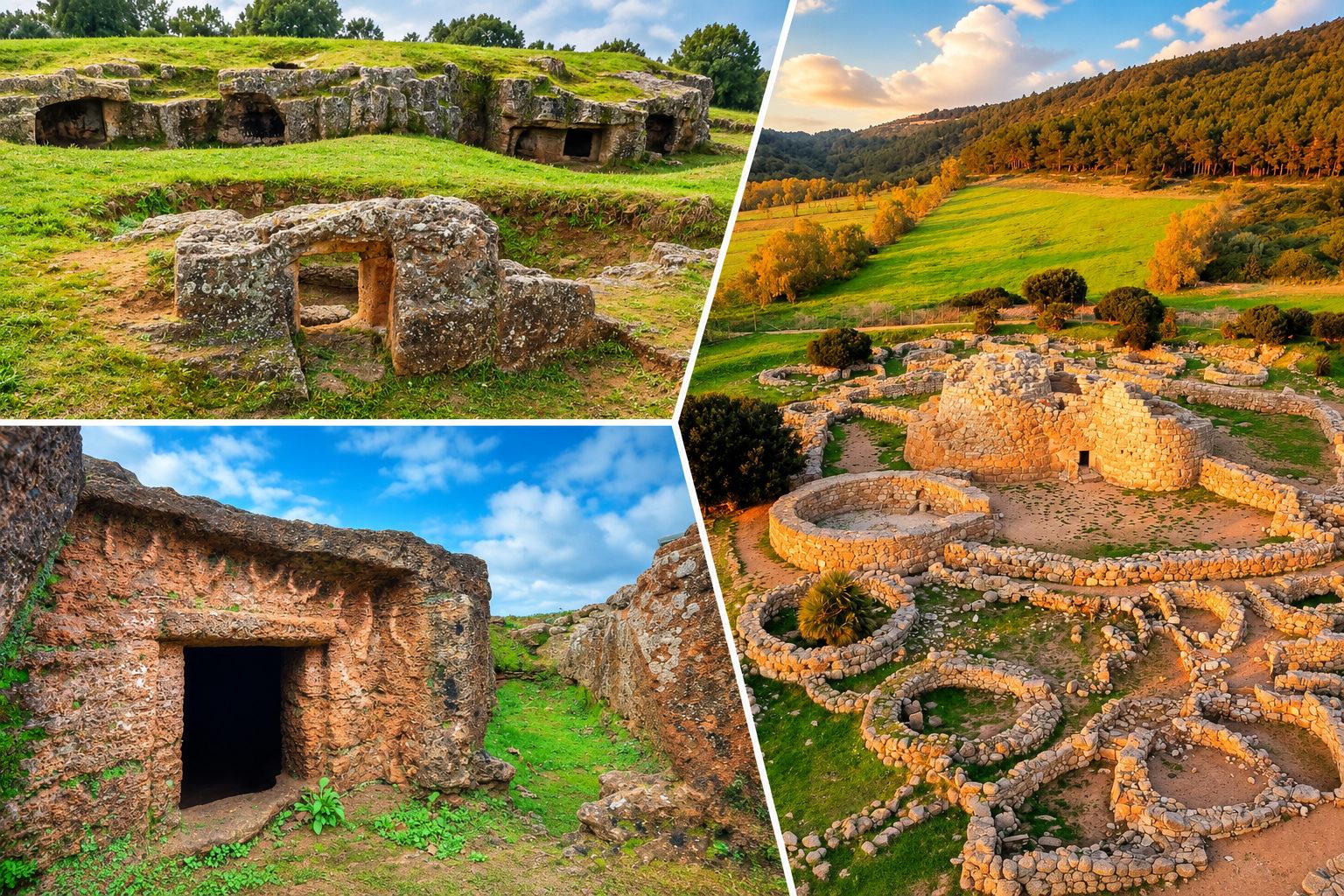
From a DNA perspective, Clan Le Poer is here tagged with I1a3g, a haplogroup branch with a strikingly wide historical footprint across northern and western Europe, and into later medieval colonial settings. This does not prove direct descent from any ancient or historic individual, but it helps place the family within a broader related or linked genetic landscape. I1a3g-linked samples appear in a remarkable spread of contexts, including Sir Ferdinando Wainman of the Jamestown Colony in Virginia, Roman Era England at Northwest Cambridgeshire Eddington, post-Carolingian Flanders at Sint-Truiden Groenmarkt, Gallic Cenomani context in Verona, medieval Cambridge at St Johns Hospital, late medieval Clopton in Cambridgeshire, Augustinian Friars in England, Roman Viminacium in Serbia, Gothic and Wielbark contexts in Poland, Longobard and post-Roman Pannonia in Hungary, Thuringii and Saxon graves in Germany, Anglo-Saxon England at Oakington, Buckland Dover, and West Heslerton, Mercian England, Viking Age Sweden, Denmark, Norway, Staraya Ladoga, and even the Faroe Islands. There are also deeper linked appearances in Nordic Bronze Age and Battle Axe contexts in Sweden and Denmark, including Falkoping, Bybjerg, Stroby Ladeplads, Magleo, Toftum Mose, Sillvik, Vasagard, and Lollikehuse. Taken together, these related samples suggest that I1a3g belongs to a long northern European genetic story that later fed into medieval aristocratic, military, and migratory worlds of the kind in which Norman-Irish families like the Le Poers emerged.
If you carry Le Poer or Power heritage, or simply want to see how your DNA may fit into the deeper story of medieval Ireland and ancient Europe, consider uploading your DNA to MyTrueAncestry. It is a fascinating way to place family tradition beside archaeology, history, and ancient genetic matches.
Comments