Clan FitzRandolph
– 3 min read


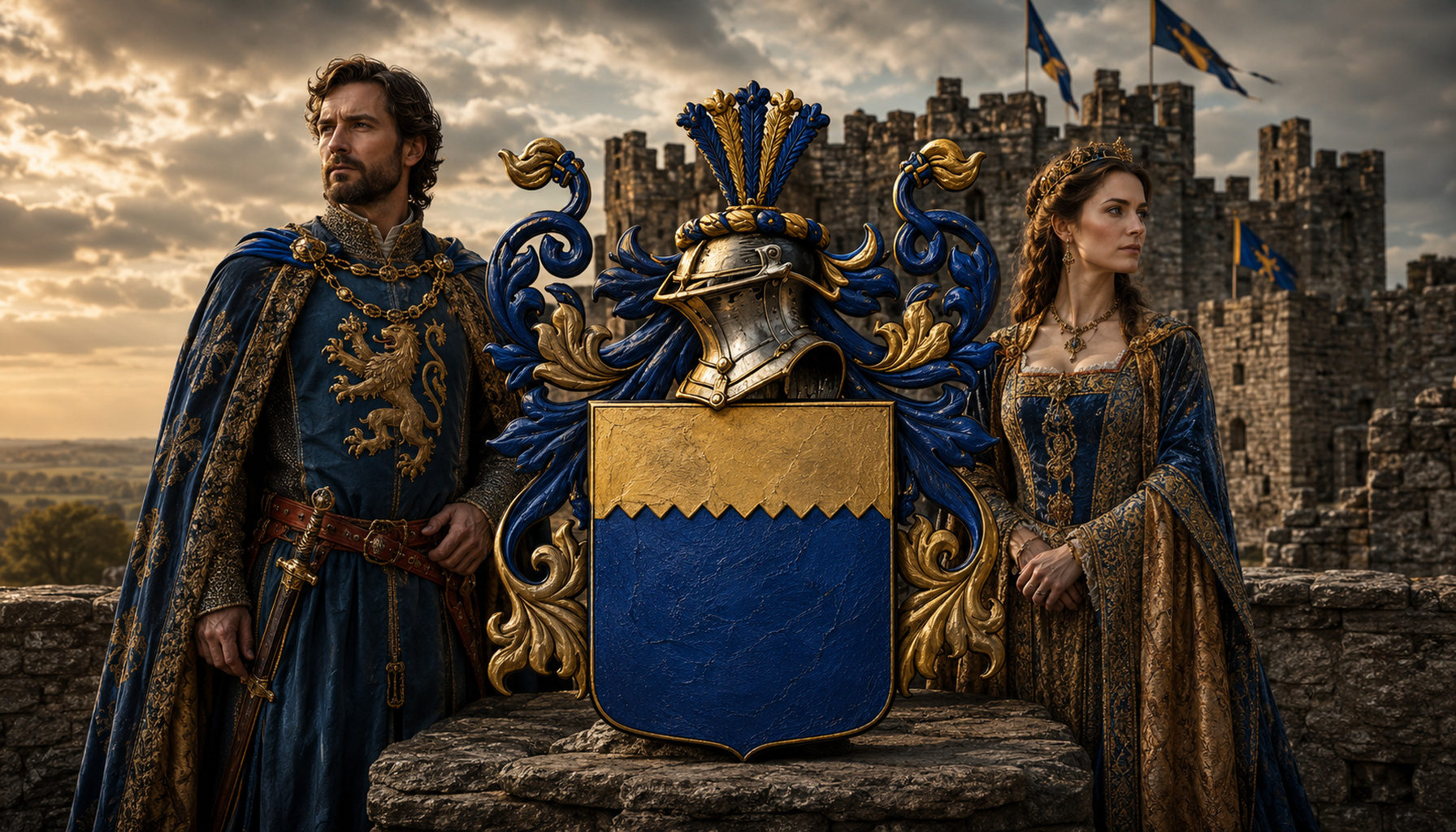
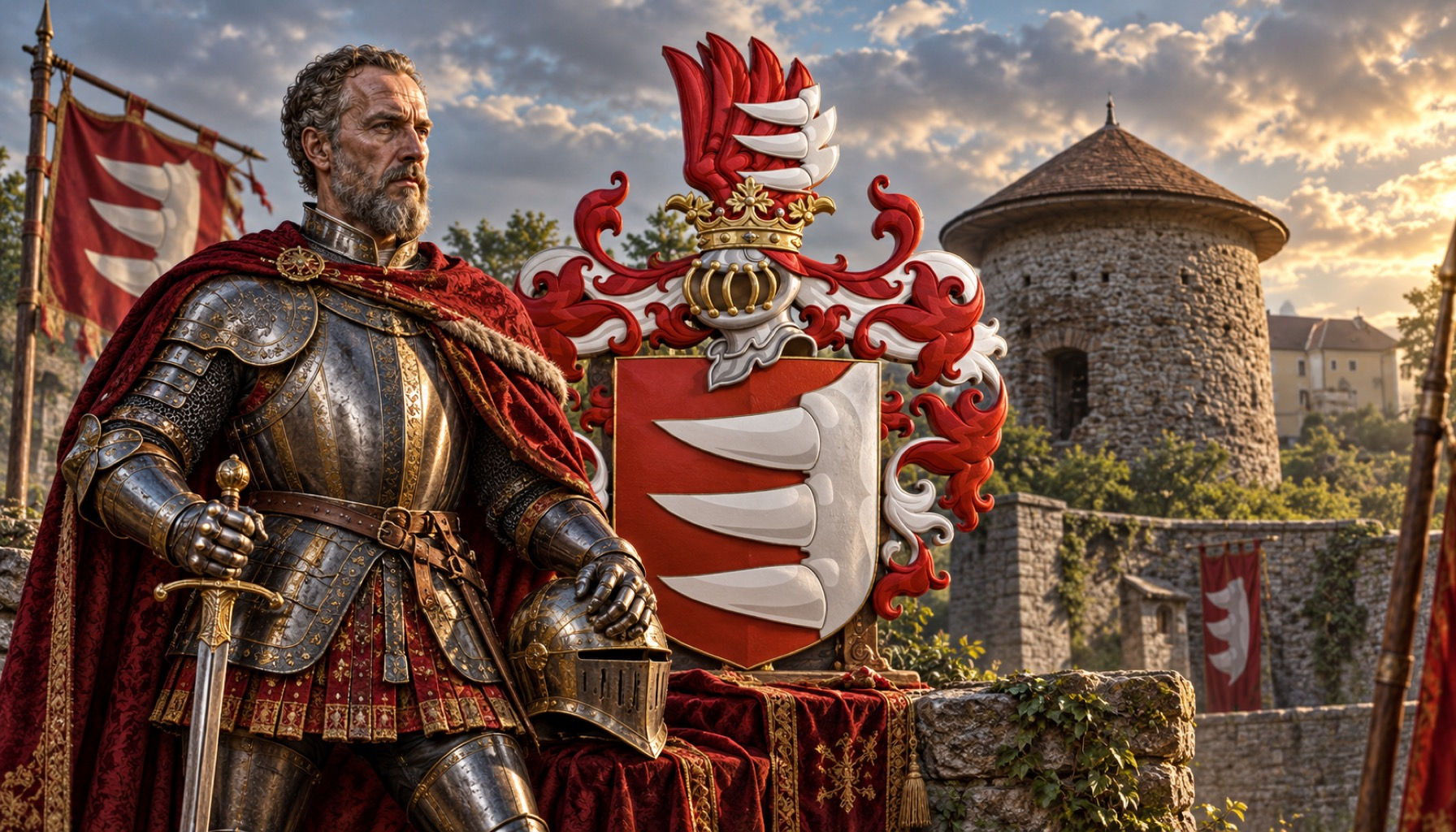
Clan FitzRandolph is best understood as a family tradition rooted in the Norman world, later carried into English and Atlantic history through surname continuity, migration, and the stubborn durability of lineage memory. The name itself tells the story. Fitz is the old Norman and Anglo-Norman form meaning son of, so FitzRandolph originally marked descent from a Randolph or Randulf within a medieval culture that cared deeply about paternal identity, service, inheritance, and status. In that sense, the family belongs to the great age of post-Conquest naming, when aristocratic and knightly households turned personal ancestry into lasting surnames. In haplogroup terms, the primary family association here is R1b1a1b1a1a2b3c, a branch linked across many ancient western and central European contexts.
The wider historical setting matters. Norman families did not appear in a vacuum; they emerged from the frontier society of Normandy, itself shaped by Frankish rule, Viking settlement, and close entanglement with the feudal politics of northern France and England. Traditions connected with FitzRandolph fit this Anglo-Norman pattern very well: patronymic origin, movement across regions, entry into local lordship and service, and then survival through records, heraldic memory, and later genealogy. Figures often associated with this long family story include Count Eudon Penteur (999-1079), an important Breton-Norman magnate in the generation around the Norman Conquest; Randulf, recorded in 1129, reflecting the personal name behind the patronymic; and Richard FitzRalph, who died in 1360, a famous medieval churchman whose surname preserves the same Fitz naming habit in a learned and public world. One should be careful not to flatten all these people into a single proven bloodline, but they illuminate the social world from which a name like FitzRandolph grew.
Read more about Clan Fitzgerald
A particularly evocative location anchor for the FitzRandolph tradition is Middleham Castle in Wensleydale, North Yorkshire, one of the great power-centres of the medieval north. The site began as a Norman motte-and-bailey stronghold and later developed into the impressive stone fortress whose remains still dominate the town. Middleham became associated with the lords of Middleham and, in time, with the mighty Neville family; it was also famously linked to the young Richard, Duke of Gloucester, later Richard III. What makes Middleham so striking is that it is not just a ruin in a field but a place where one can still read the grammar of lordship in stone: the great keep, the enclosed courtyards, the domestic ranges, the sense that this was both residence and engine of regional control. For families of Anglo-Norman background, places like Middleham help explain how service, landholding, military obligation, and kinship were lived realities rather than abstract pedigree charts. And yes, it can still be visited today, which is rather wonderful, because it allows modern descendants and history-lovers alike to stand inside the architecture of the world that made surnames like FitzRandolph meaningful.
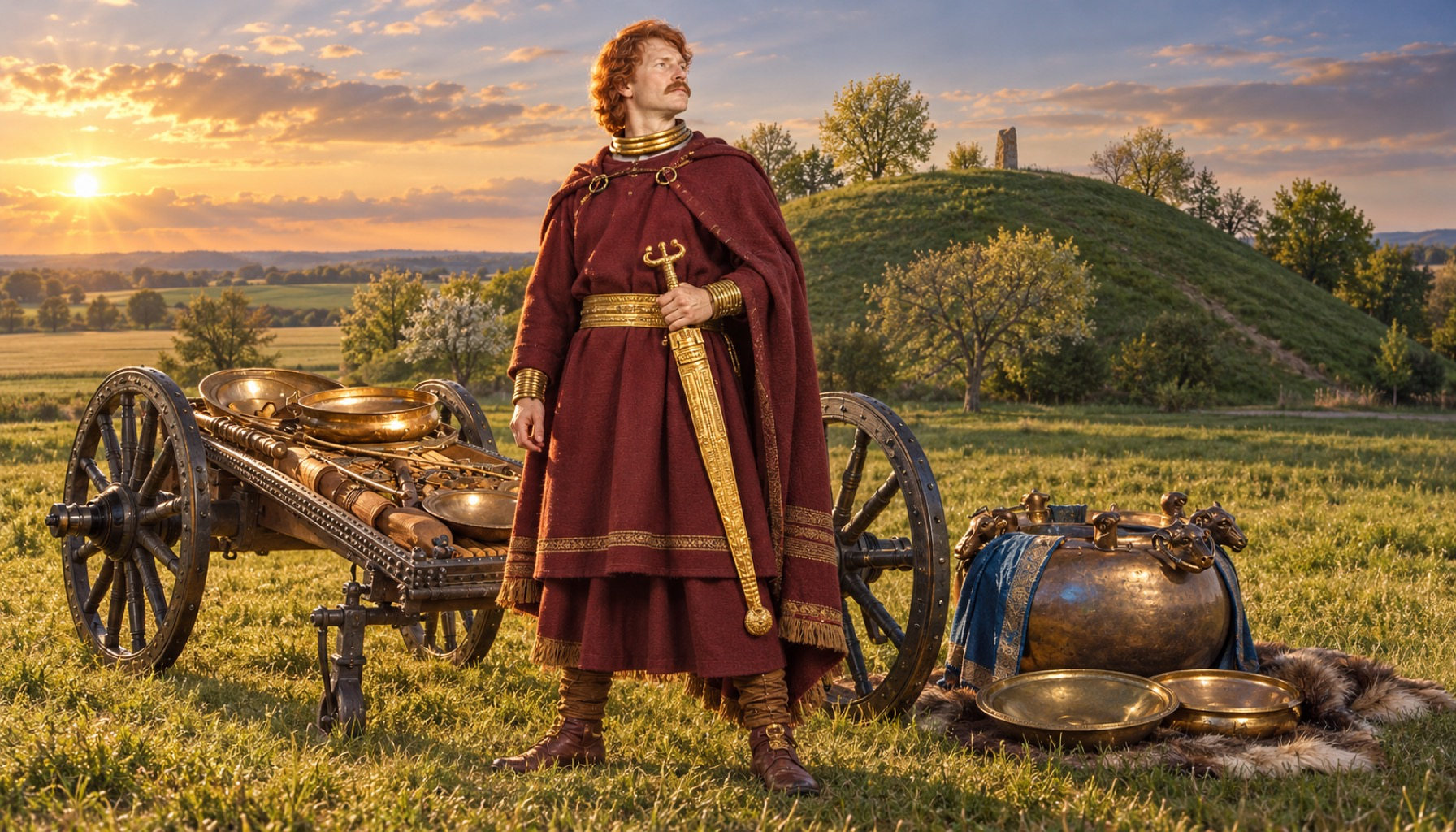
From a DNA perspective, the FitzRandolph haplogroup tag R1b1a1b1a1a2b3c sits within a broad and well-travelled western European paternal landscape. Related or linked ancient samples appear in a remarkable spread of contexts: Medieval Northern Spain at Las Gobas, including ldo066, ldo037, ldo048 and ldo062; Iron Age and Roman Britain, such as WBK36 and WBK39 from Durotriges Duropolis, FEN008 from Roman Fenstanton, and ATP_PSN_1217 from late medieval Cambridgeshire; elite Celtic burials in Germany like APG001, APG003, and LWB001; Bronze Age central European examples such as LEU024 and LEU025 from Leubingen; Gallo-Roman samples from Metz Lunette Sablon including R2055a through R2055e; and later medieval or migration-era individuals from Belgium, Hungary, Italy, Ireland, and England. None of this proves direct descent from any named excavated individual, and it should not be presented that way. What it does show is that the same paternal branch, or very near relations within it, was present across the worlds that fed into Norman, Anglo-Norman, and later British identity: Celtic Britain, Gaul, the Low Countries, Roman frontier zones, medieval Iberia, and the post-Roman societies of northwestern Europe.
If the FitzRandolph story speaks to you, the next step is to test the tradition against the deeper record. Uploading your DNA to MyTrueAncestry can help you see whether you match Clan FitzRandolph, or whether your results connect with related ancient samples from Norman, medieval English, Celtic, Roman, or broader western European contexts. Family heritage is not only about coats of arms and surnames on parchment; it is also about the older human journeys carried in the genome.

Comments