Clan Finney
– 3 min read


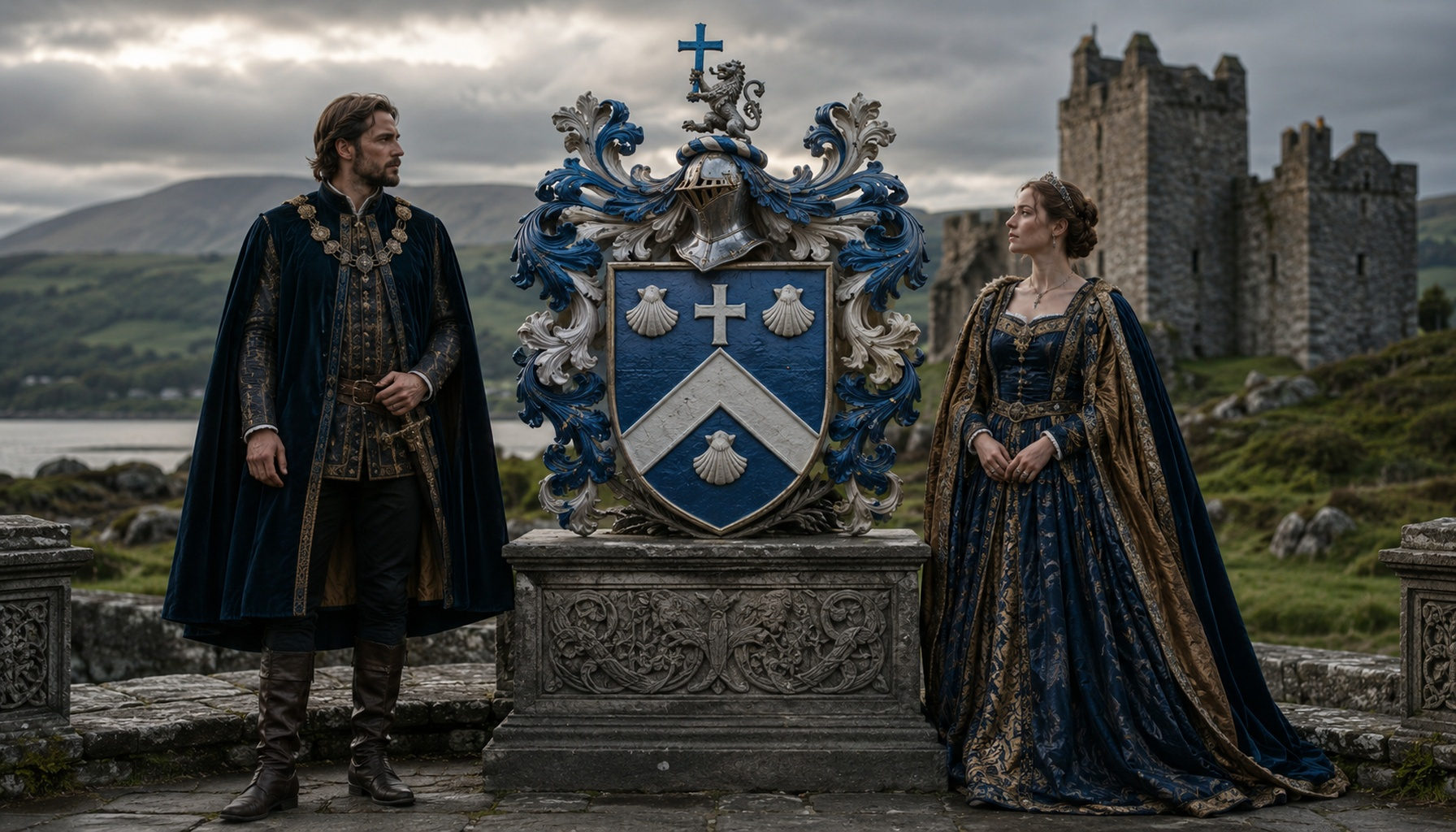
Clan Finney belongs to that sturdy Scottish and Irish world in which a family name is less about grand crowns and more about endurance: who stayed, who served, who was remembered, and who carried the name on. The Finney tradition sits within the wider history of British Isles surnames shaped by locality, kinship, migration, and reputation in the community. Its linked primary family haplogroup is R1b1a1b1a2a, a paternal line found across much of western Europe and deeply woven into the long population history of the Atlantic-facing world. In that sense, the Finney story is not a fairy tale of princes, but something more recognisable and in many ways more interesting: a name held together across generations by belonging, resilience, and memory.
The surname appears in forms that reflect the cheerful instability of earlier spelling, when clerks wrote what they heard and families lived with the result. That is why figures such as Teag OFeinneadha in 1603 and Thomas Phennah in 1742 matter. They show the name in motion across time, language, and record-keeping, yet still recognisably the same family thread. Historically, the Finney line is best understood as rooted in regional communities of Ireland and Scotland, then shaped by the wider currents that changed all British Isles families: Gaelic traditions, English administration, parish registration, military service, coastal movement, and later migration outward. What gives Clan Finney its strength is precisely that continuity of surname and identity through all this noise.
A striking location anchor for the Finney story is the Forts of Dover, especially the great defensive complex known as the Western Heights above Dover in Kent. This is one of the most formidable historic military landscapes in Britain, developed largely from the late 18th century onward as a response to the threat of French invasion during the wars with Revolutionary and Napoleonic France. The site includes major fortifications such as the Citadel and the Drop Redoubt, along with defensive earthworks and the famous Grand Shaft, an extraordinary triple spiral staircase cut through the chalk to move troops quickly between the town and the heights. It is exactly the sort of place that reminds us how surnames and families were often tied not only to farms and parishes, but to garrisons, ports, supply work, and the long service communities that grew around strategic frontiers. Dover itself was a gateway, a lookout point, and a place of movement, so it makes a fitting historic backdrop for a family tradition defined by rootedness amid change. The Western Heights can still be visited today, and parts of the complex remain one of the most dramatic survivals of British military archaeology.
Explore ancient DNA in post-Roman Britain
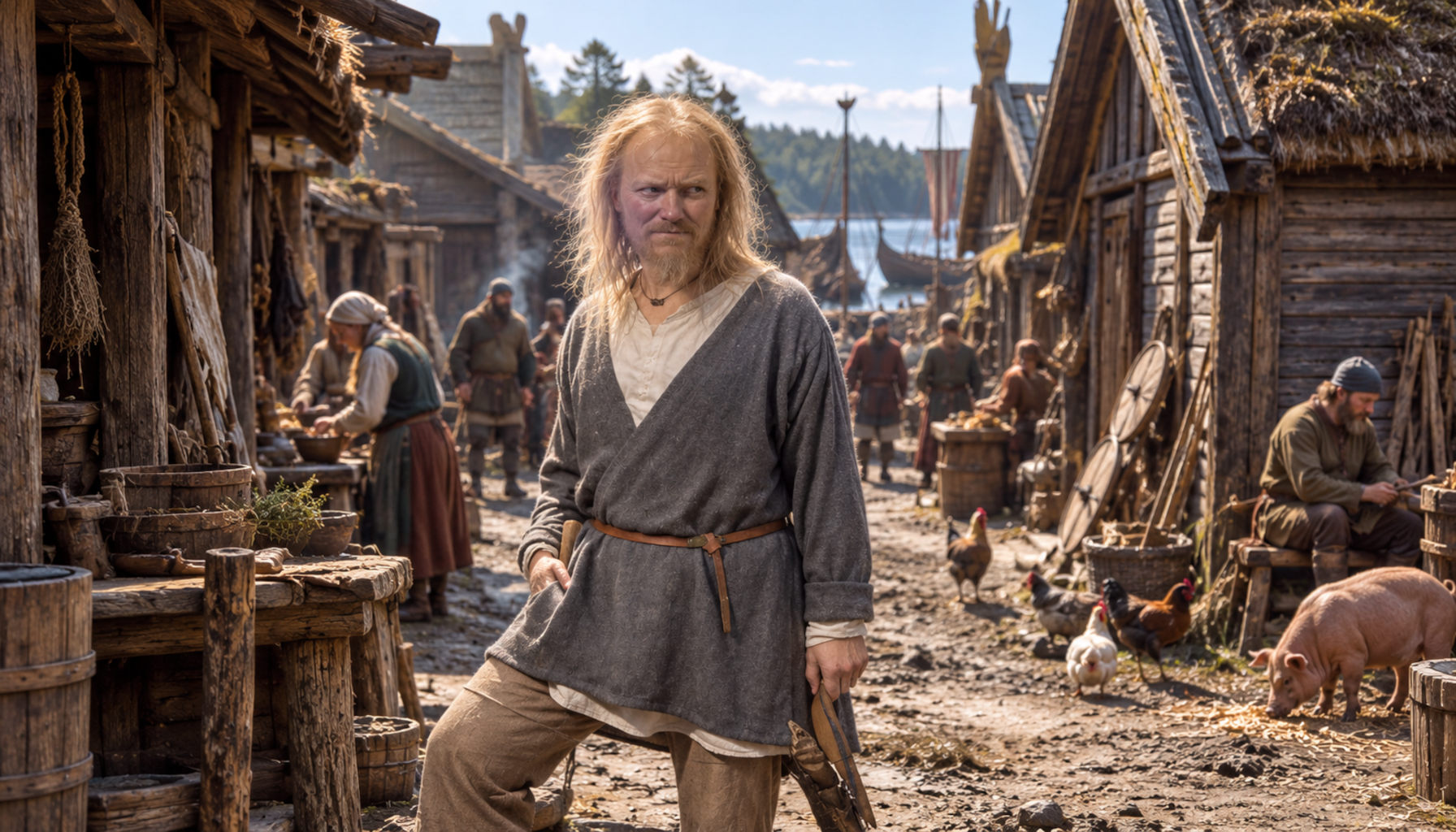
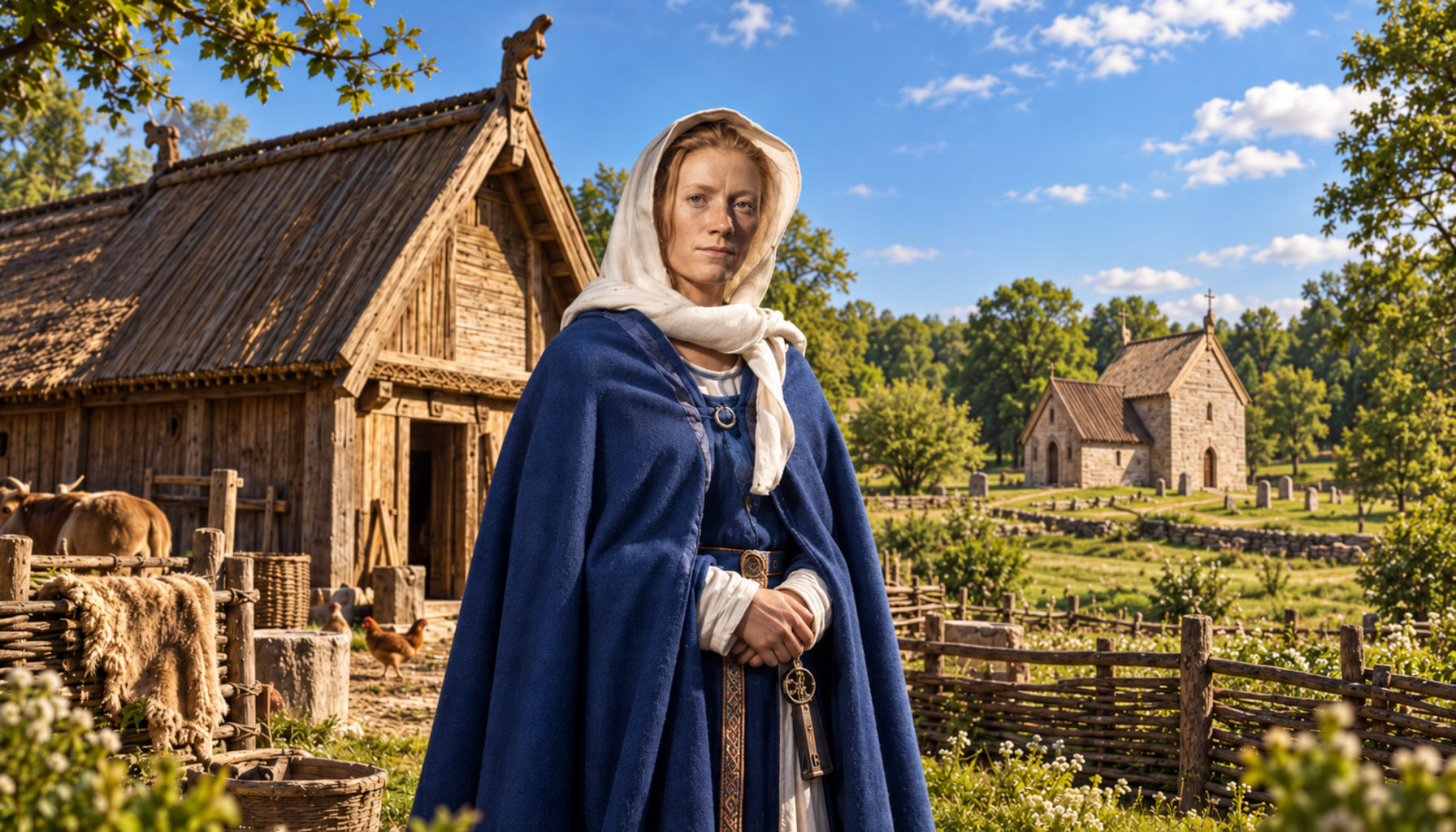
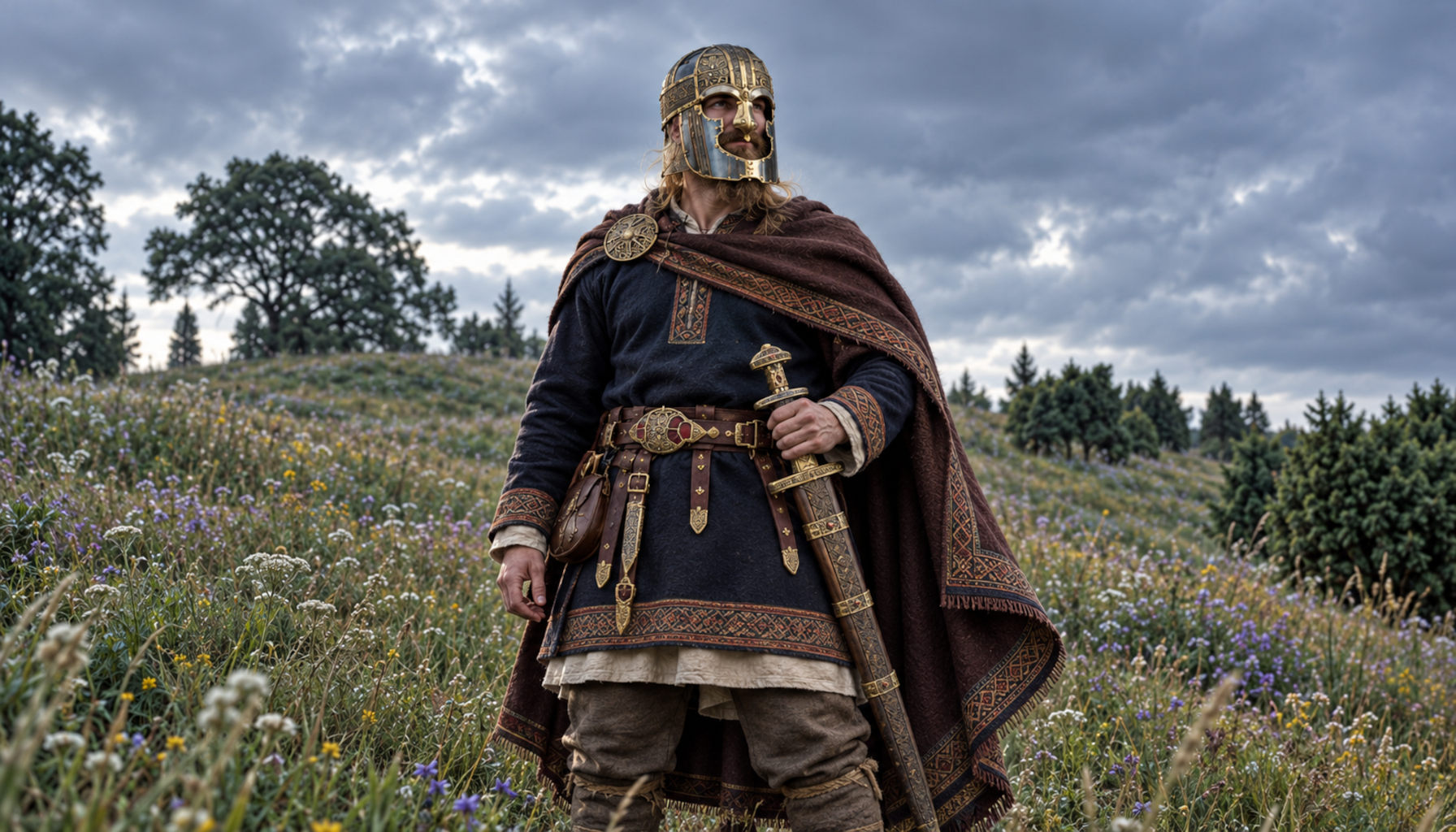
From the DNA angle, Clan Finney's primary family haplogroup R1b1a1b1a2a links the family into a very broad and rather fascinating archaeological map. Related or linked ancient samples carrying this paternal branch or nearby placement appear in settings as varied as Medieval Northern Spain at Las Gobas (ldo160), Etruscan Italy at Monteriggioni Colle di Val d'Elsa (EV15A, EV16D1, EV7A), the Piceni of Iron Age Adriatic Italy at Novilara (PN62, PN43, PN52), Scythian-period Kharkiv (UKR132), and a Spanish soldier from Barcelona during the Catalan Revolt (L017). The same wider paternal signature also turns up in Bronze Age and Iron Age Europe, including Leubingen in Thuringia (LEU053), Tollense Valley battlefield Germany (WEZ57), Hallstatt Hallein Austria (CGG101232), Bronze Age England at Boscombe Airfield (I2464), Early Anglo-Saxon Buckland Dover (BUK023), West Heslerton Yorkshire (S11583), medieval England's Augustinian Friars (ATP_PSN_509), medieval Vasterhus Sweden (mbv040, mbv341), Viking Age Sweden (VK267), Hedeby (SWG011), Piast-linked medieval Poland (PCA0656, PCA0651), and many other contexts across Iberia, Italy, Central Europe, the Balkans, and the steppe. None of this proves direct descent from any one ancient individual, and it should not be presented that way. What it does show is that the Finney paternal line belongs to a long-lived and mobile European family of lineages, one that appears again and again in communities connected to trade, warfare, settlement, and local continuity over thousands of years.
If you carry the Finney name, or have Finney lines in your family tree, this is the moment to test family memory against the deeper record of genetics and archaeology. Upload your DNA to MyTrueAncestry to see whether you match Clan Finney, its linked haplogroup R1b1a1b1a2a, or related ancient DNA samples from Britain, Ireland, and the wider European past.
Comments