Clan Dalton
– 3 min read


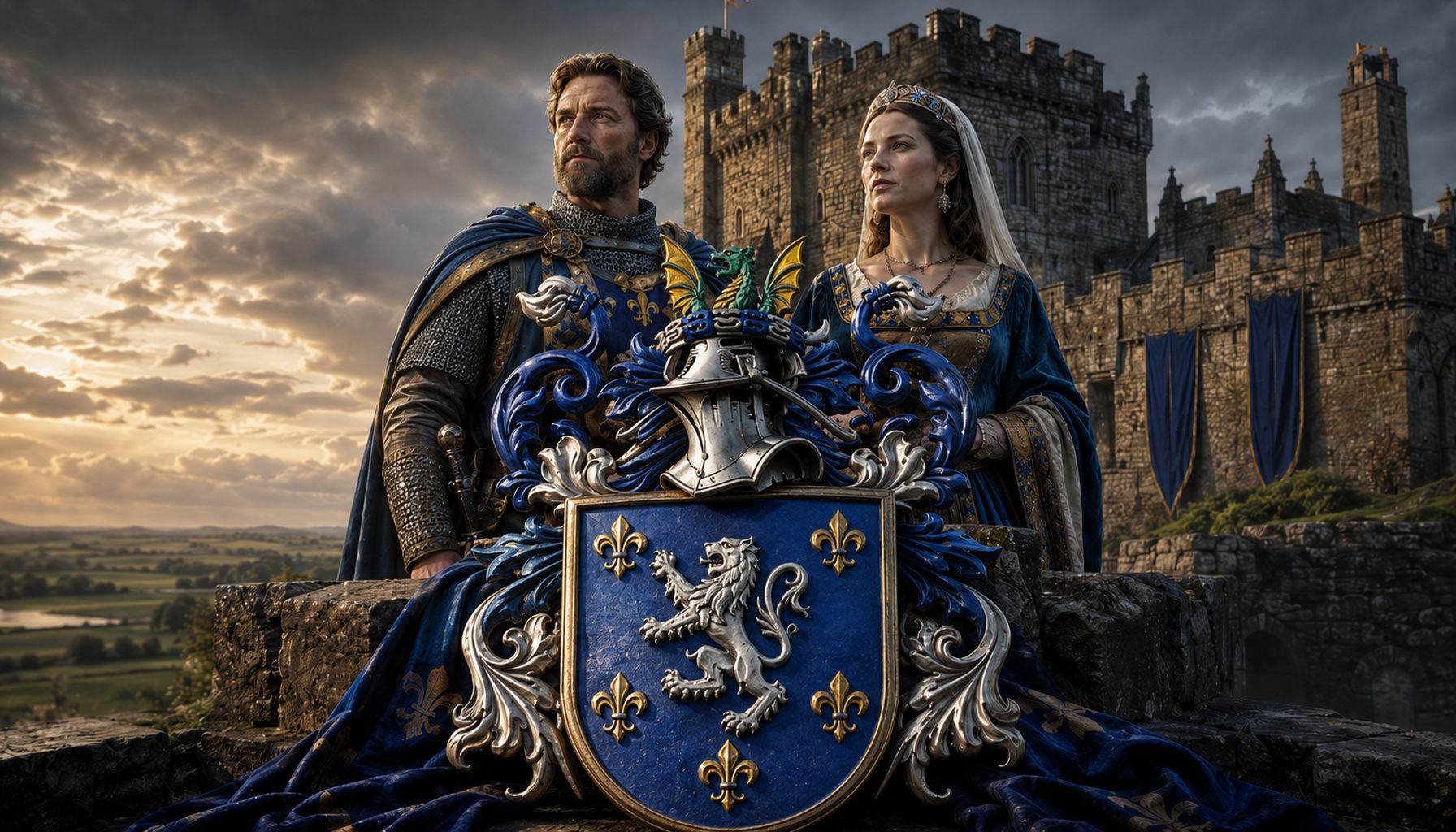
Clan Dalton belongs to that wide and rather fascinating world of Irish and English family tradition in which a surname is not just a label, but a record of movement, settlement, service, and memory. The Daltons are usually understood as a family of Norman stock whose name became established in England and then took root in Ireland, where different branches adapted to local conditions while keeping a clear surname identity. Their primary associated haplogroup is R1b1a1b1a1a2c1a1a1a1a1c1, a lineage tag that sits comfortably within the broad paternal landscape long found across Atlantic Europe and the British Isles.
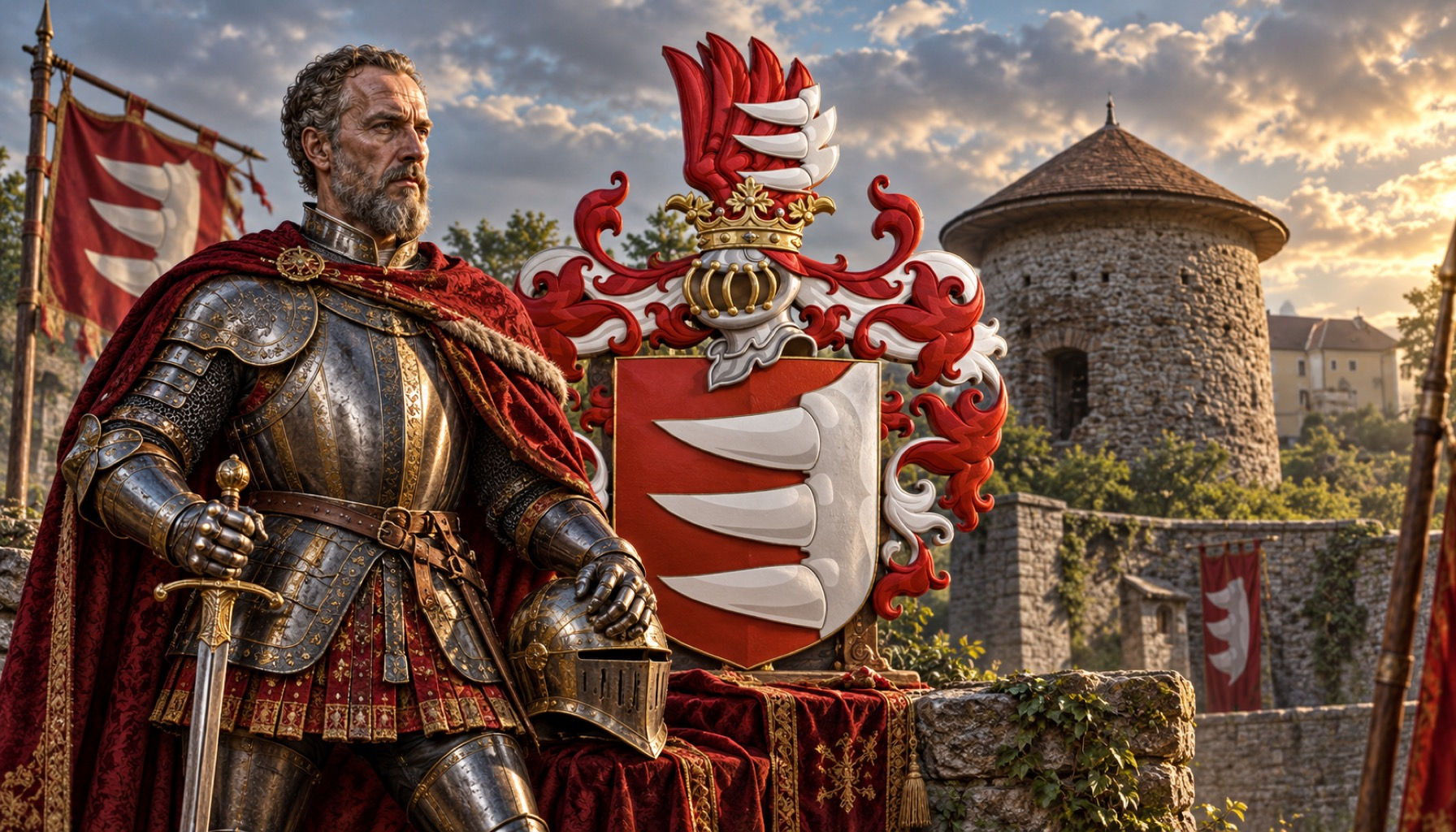
Historically, the Daltons fit the classic Anglo-Norman and Irish surname pattern: a family with regional roots that gained standing through landholding, local authority, military service, and everyday involvement in community life. This is the kind of family history medieval records preserve in fragments - a knight here, a tenant there, an office held, a manor managed, a marriage that ties one district to another. Sir Walter Dalton, noted in 1150, gives us an early named figure in that long story, while Radekin Dalton appears in 1309, showing the surname still visible in the documentary world of the later Middle Ages. What matters is not a single grand tale, but continuity: the Daltons persisted, branched, migrated, and remained recognisably Dalton.
A useful Irish location anchor for Dalton heritage is Birr Castle in County Offaly, a place that reminds us how family history is often tied to landscapes of authority and residence rather than to one neat founding moment. Birr Castle stands on the site of an earlier stronghold, with roots going back to the Norman period, and over centuries it developed into one of Ireland's best-known historic houses. The present castle is still a lived-in family seat, but it is equally famous for its remarkable demesne and for the great 19th-century telescope known as the Leviathan of Parsonstown, once the largest in the world. There are formal gardens, parkland, and a long history of scientific curiosity layered on top of older feudal and regional power. In other words, it is exactly the kind of place that helps us picture how a surname-based heritage like Dalton worked in practice: land, defence, influence, adaptation, and survival through changing centuries. Birr Castle and its grounds can still be visited, which makes it a rare bridge between medieval roots and the modern traveller.
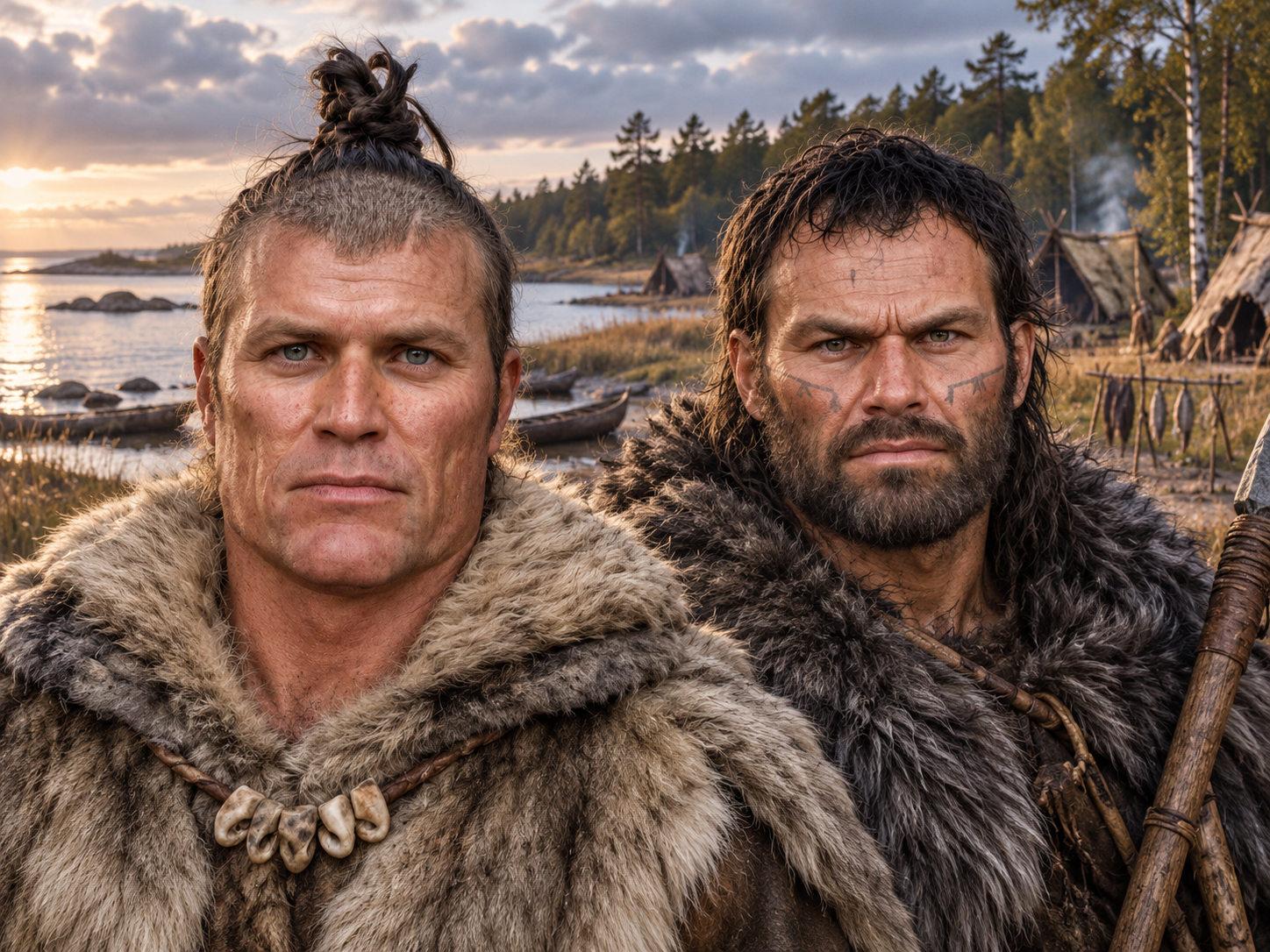
From the ancient DNA side, the Dalton-associated haplogroup R1b1a1b1a1a2c1a1a1a1a1c1 can be placed beside a spread of linked or related samples from across northwestern Europe and the wider Atlantic world. These include Medieval Jutland Denmark Vor Frue Kirkegard Aalborg (CGG100512), Thuringii Tribe Germany Deersheim Saxony-Anhalt (DRH026), Carolingian Era Groningen Netherlands (GRO005), Medieval Ireland Kilteasheen Roscommon Bishops Seat (KIL043), Merovingian Grave North Rhine-Westphalia Germany Alt-Inden (IND007), Anglo-Saxon Sedgeford England Norfolk (SED005), Iron Age Briton Thornholme East Riding of Yorkshire (I22060), Aquitani Pech-Maho France (PECH8), and even later colonial-era Maryland burials such as Son of Philip Calvert Lead Coffin Maryland (I2097) and Philip Calvert Coffin Maryland (2099). These samples should not be treated as proof of direct descent from the Dalton family. Rather, they sketch the broader genetic and historical world in which a Dalton paternal line may sit: one shaped by Iron Age Britain, continental movements, Anglo-Saxon and Norman-era networks, medieval Ireland, and later migration across the Atlantic.
If you carry the Dalton surname, or suspect Dalton lines in your family tree, this is where the story becomes personal. Upload your DNA to MyTrueAncestry to see whether you match Clan Dalton, its associated haplogroup R1b1a1b1a1a2c1a1a1a1a1c1, or any of the related ancient DNA samples that illuminate the family's wider historical setting across Britain, Ireland, and beyond.

Comments