Clan Barron
– 3 min read


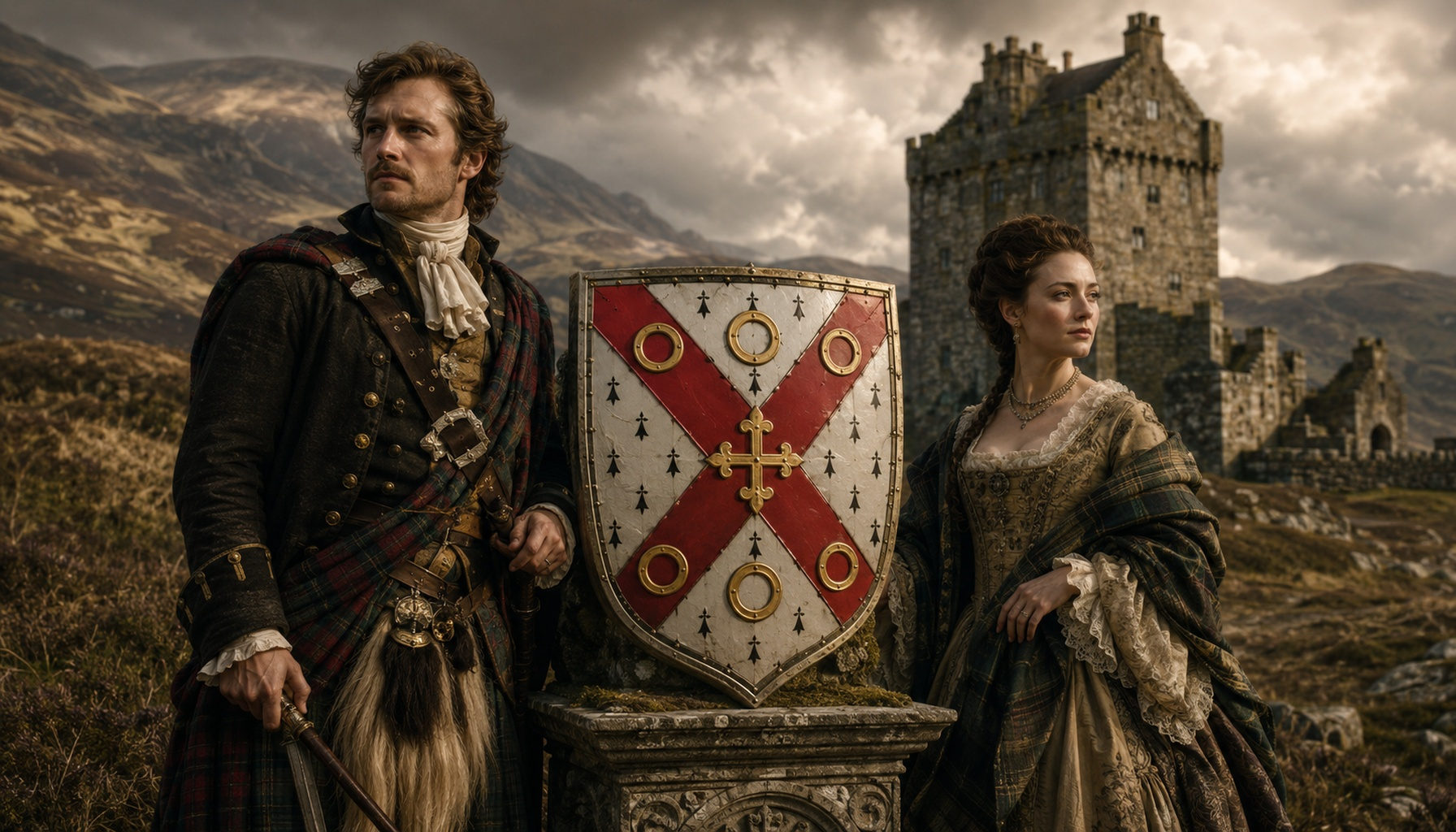
Clan Barron belongs to that broad and very recognisable Scottish and Irish surname world in which family identity was shaped less by crowns and great state drama than by place, continuity, and memory. The Barron name appears in the British Isles as part of a long tradition of local families rooted in land, parish, service, and kinship, with branches adapting over time to shifting borders, loyalties, and opportunities while still carrying the surname forward. In genetic terms, the primary family haplogroup linked here is R1b1a1b1a1a1c1a2b, a paternal line within the wider R1b world so strongly associated with much of western Europe and the historic populations of Britain and Ireland.
That matters because surnames like Barron are not only labels; they are little historical containers. They preserve echoes of medieval settlement, local standing, and inherited belonging. Clan Barron was not a great ruling house in the mould of the largest Highland dynasties, but that is precisely what makes it interesting. It represents the enduring middle texture of British and Irish history: families who served, moved, married, farmed, traded, prayed, remembered their dead, and handed a name from one generation to the next. One notable figure was Bonaventure Baron (1610-1696), the Irish Franciscan scholar and theologian, whose learned career reminds us that Barron history was not confined to fields and townlands but also touched the intellectual and religious life of seventeenth-century Europe.
The Barron family tradition is best understood through its local anchors in Scotland and Ireland, where surname identity was often tied to a district rather than a single grand fortress. In historic context, families of this sort commonly emerged in regions shaped by medieval lordship, church lands, market towns, and the long aftershocks of war, reformation, plantation, and migration. That means the Barron story is likely to be read not as one neat straight line, but as a web of rooted communities across the Irish Sea world, where movement between Ulster, the Scottish Lowlands, and other nearby regions was entirely normal. If a specific Barron-associated site, church, burial ground, townland, or historic settlement is identified in the family record, it is often the sort of place that can still be visited today: not always a dramatic castle on a crag, but sometimes something better for the historian, a real landscape where ordinary continuity happened.
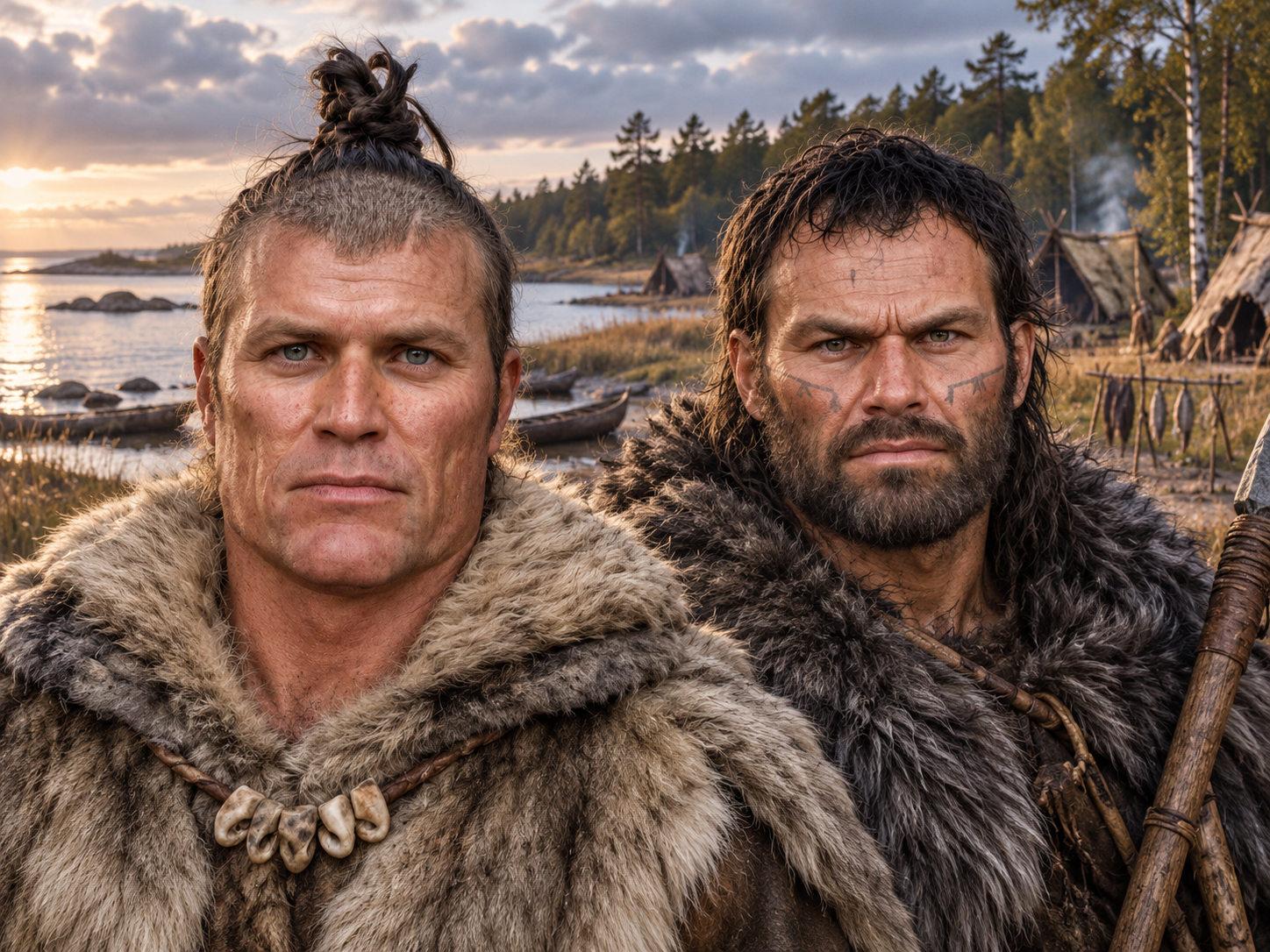
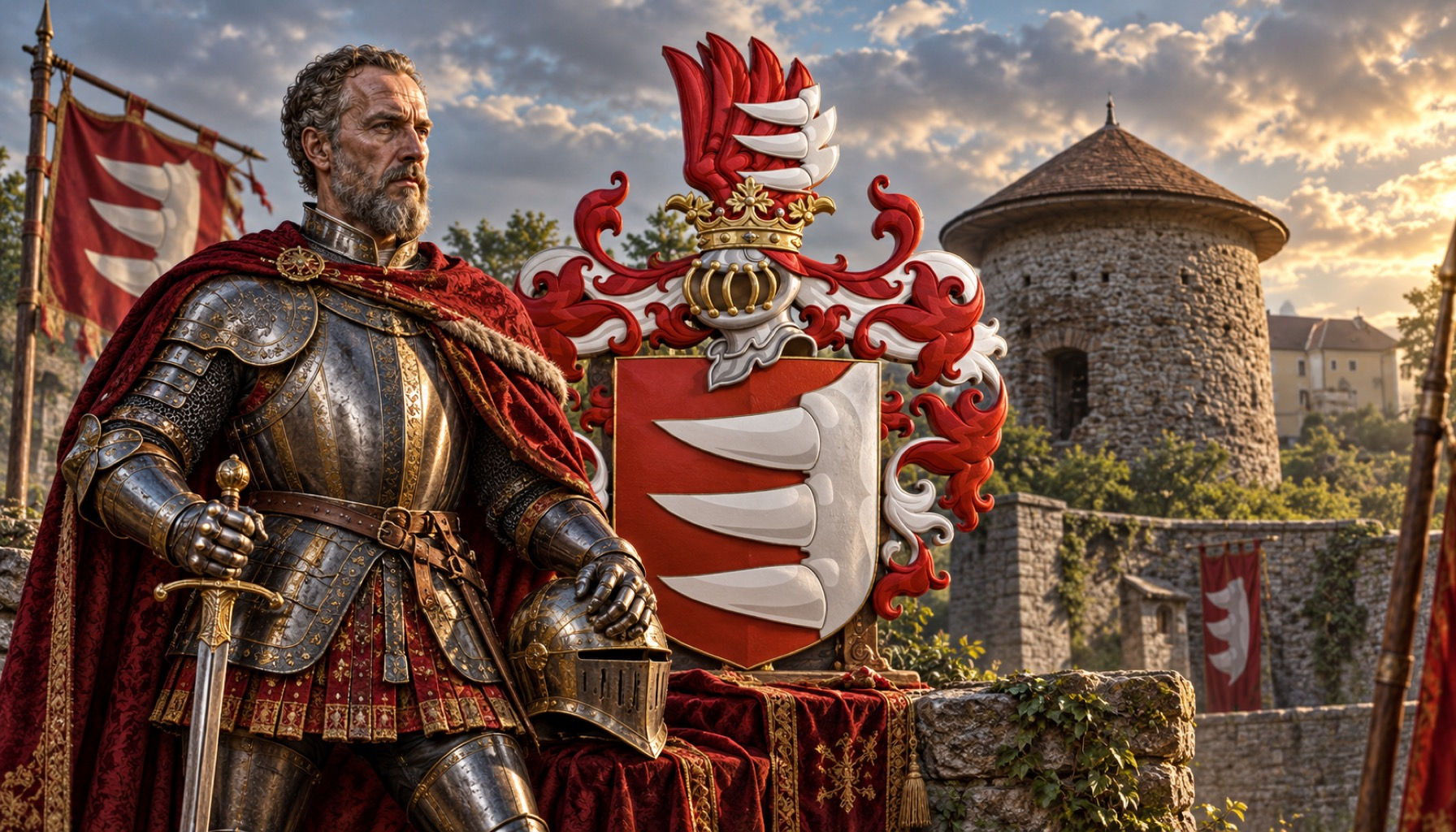
The Barron haplogroup tag R1b1a1b1a1a1c1a2b also opens a wider ancient DNA window. It does not prove direct descent from any excavated individual, and one must be sensible about that, but it does place the family within a related paternal network seen across a striking range of European contexts. Linked or related samples include Elek Bathory Hungarian Knight Pericei (PER01), Ferenc Bathory Hungarian Knight Pericei (PER03-1), Merovingian Period Bavaria Altheim Germany (Alh_247), Medieval Jutland Denmark Vor Frue Kirkegard Aalborg (CGG100493), Medieval Belgium Sint-Truiden Onze-Lieve-Vrouwekerk (ST0052, ST1232, ST0632, ST3006), Belgic Suessiones Iron Age France Bucy-le-Long (CGG022463, CGG022431, CGG022438), Batavi Germanic Tribe Netherlands Valkenburg Marktveld (CGG107745, CGG107754, CGG107751), Medieval Poland Piast Dynasty Lad (PCA0193), Saxon Coast Lower Saxony Germany Dunum (DUN010), Early Anglo Saxon Period Buckland Dover England (BUK059, BUK027), Etruscan Roman Republic Tarquinii Italy (R10339), Roman Klosterneuburg Fortress Lower Austria (R10659), Late Bronze Age Teplice Bohemia (I13788), Germanic Iron Age Teplice Radosevice Bohemia (I15950), Iron Age Briton Cambridgeshire England (I11149), Early Iron Age Vlaardingen-Krabbeplas Netherlands (I17019), Late Iron Age Frisian Boy Aak Uitgeest-Dorregeest Holland (I12907), Elite Germanic Tribe Warrior Bavaria (AED106), Viking Age Ribe Jutland (VK323), and Medieval Villa Magna Italy (R58). Taken together, these linked samples sketch a long and varied western and central European backdrop for the kind of paternal ancestry into which Barron lines may fit.
Explore the Princely House of Bathory
If you carry the Barron surname, or have Barrons in your family tree, this is exactly the sort of story DNA can deepen. Upload your DNA to MyTrueAncestry to see whether you match Clan Barron, Bonaventure Baron's wider genetic world, or related ancient DNA samples from Iron Age, Roman, medieval, and early modern Europe.

Comments