Clan Barclay
– 3 min read


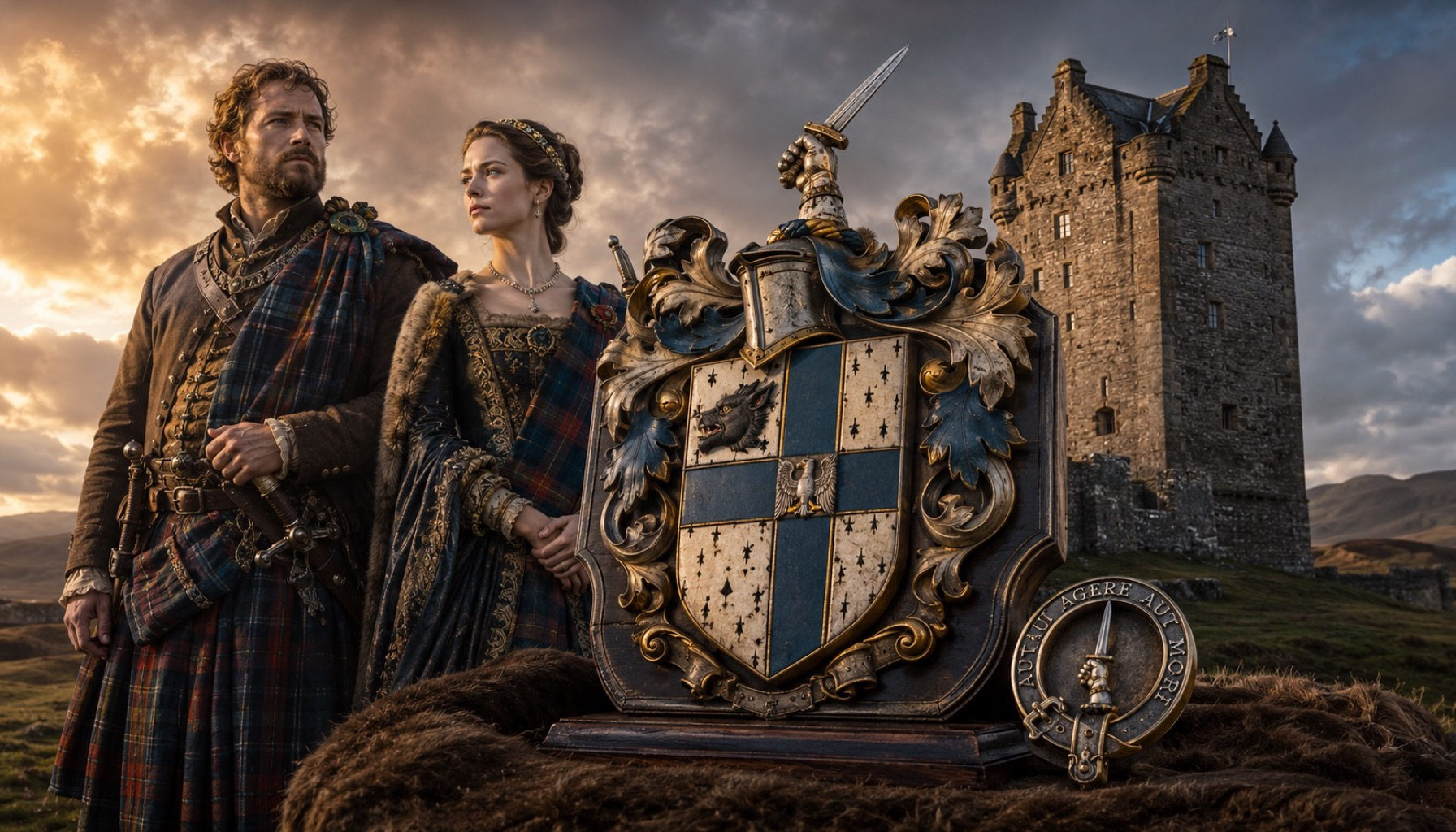
The Barclays were a Scottish clan of Norman origin, long associated with the north-east of Scotland, especially Aberdeenshire, and remembered for a family identity that combined continental roots with deep Scottish loyalty. In broad historical terms, they belong to that familiar medieval pattern: families who came north in the wake of Norman expansion, entered Scotland through royal service, landholding, and alliance, and then became thoroughly part of the kingdom's noble and landed world. In genetic tagging terms, the primary family haplogroup linked here is I2a1a1a1a1a1a1, a lineage with a deep and rather fascinating prehistoric footprint across parts of Europe.
The Barclay story is not just one of arrival, but of adaptation. Once established in Scotland, the family grew into regional authority through estates, military service, politics, and civic standing. Their heraldic identity mattered, as it so often did in medieval and early modern Scotland, where a coat of arms was not just decoration but a public statement of continuity, legitimacy, and memory. Over generations the Barclays became part of the fabric of Scottish society, while still carrying the aura of Norman ancestry. Among notable figures connected with the wider family name are Barclay de Tolly and the far better known Michael Andreas Barclay de Tolly (1761-1818), the distinguished field marshal whose career shows just how far one branch of this old name travelled in European history.
A key location anchor for the family is Towie Barclay Castle, often simply called Barclay Castle, in Aberdeenshire. The surviving building is a striking 16th-century tower house, traditionally associated with the Barclays of Towie. It stands in that classic north-east Scottish landscape where lordship was written into the ground through fortified residences, estate boundaries, and long local memory. The castle as seen today is largely an L-plan tower house, with thick walls and the practical defensiveness one expects from a residence built in an age when status and security went together. Like many such buildings, it is less a fairy-tale fortress than a hard-edged statement of landed permanence. It is also known for later restoration, which helped preserve the structure, and it remains one of the most tangible places in which the Barclay past can still be encountered. It can still be visited from the outside, and as a standing historic site it remains a very real point of connection for anyone tracing the clan's Aberdeenshire roots.
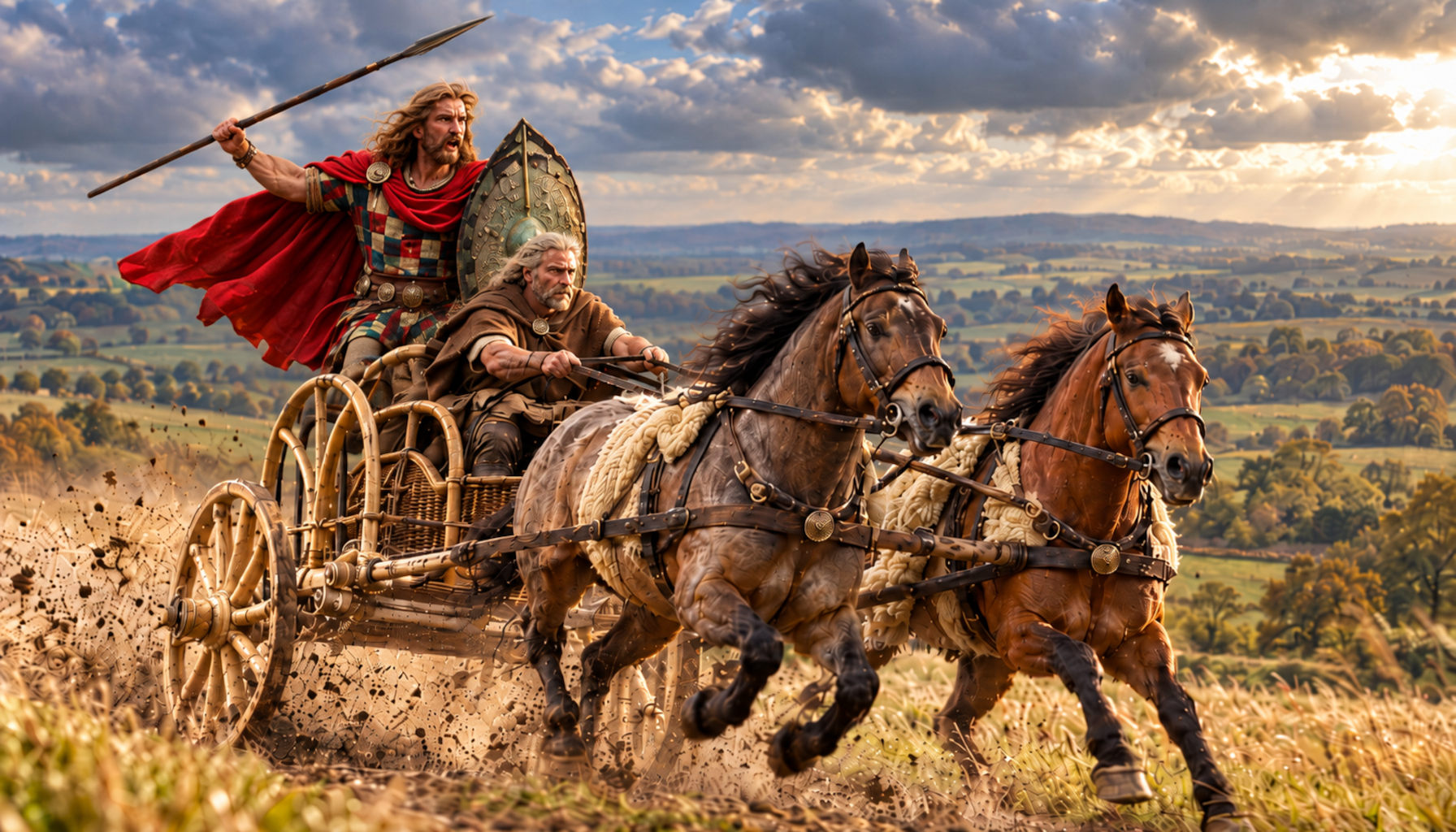
From an ancient-DNA perspective, the Barclay haplogroup tag I2a1a1a1a1a1a1 links the family to a much older European backdrop rather than to any single provable medieval founder. Related or linked samples include individuals from Gallic France among the Sequani, such as Parancot samples CGG023678, CGG023698, and CGG023723, and Les Moidons samples CGG023687, CGG023691, CGG023709, and CGG023692. There are also linked finds from Late Iron Age Gloucestershire in Britain (I12931), Early Bronze Age Sardinia (SID005), Interior Sardinia in the Carthaginian era (ORC002), and a Late Roman outlier from Crypta Balbi (R104). These do not prove direct descent to the Barclay family, and it is important not to pretend otherwise. What they do offer is a wider archaeological frame for the lineage: a reminder that the paternal branches later found in medieval and modern families often stretch back through Iron Age tribal Europe, Roman mobility, and even earlier prehistoric communities.
If the Barclay story speaks to you, the next step is wonderfully concrete: test the history against your own DNA. Upload your results to MyTrueAncestry and see whether you match Clan Barclay, its haplogroup signature I2a1a1a1a1a1a1, or related ancient DNA samples from Iron Age Gaul, Britain, Sardinia, and the Roman world. Family tradition is one thing; finding echoes of it in the deep past is another.
Comments