Clan Arnott
– 3 min read


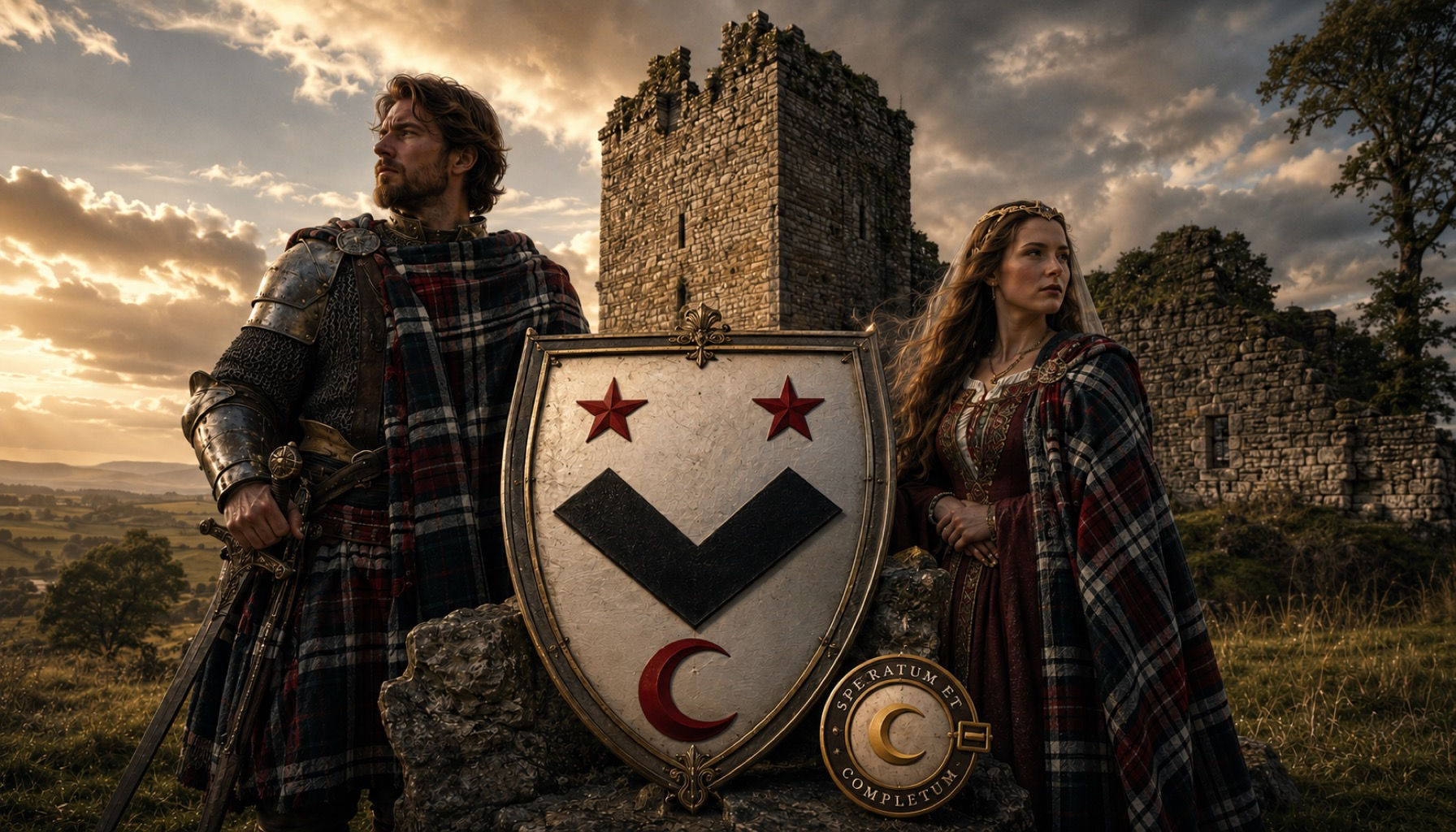
Clan Arnott was a Scottish landed family rooted in the lands of Arnot in the parish of Portmoak, Kinross-shire, in the Lowlands of eastern Scotland. Their surname is territorial, taken directly from place, which tells you something important at once: this was a family whose identity was tied to land, tenure, and local standing rather than to the later romantic image of the great Highland war clans. In haplogroup terms, the primary family line is here tagged with R1b1a1b1a1a2c1a1f1a2, a branch within the broad R1b world so often seen across Britain and western Europe.
The Arnott story belongs to that very Scottish pattern in which a family grows out of a landscape and then spends centuries proving it can hold its place there. We meet Michael de Arnoth as early as 1150, then David Arnot of Fyfe in 1296, and Sir Henricus de Arnot in 1395, little flashes of the name appearing in the documentary record as Scotland moved through feudal consolidation, royal administration, war, and local competition among neighboring houses. The Arnotts were not among the biggest magnate kindreds, but that is precisely what makes them interesting: they represent the durable middle layer of Scottish history, families whose importance rested on continuity of estate, service, marriage alliances, heraldic memory, and recognition within regional society. Their motto, Speratum et Complebitur, carries that neat air of confidence one often finds in old family tradition: what is hoped for shall be fulfilled.
Read more about Clan Arbuthnott
The great local anchor for the family is Arnot Tower, near Loch Leven in Perth and Kinross, historically associated with the old estate of Arnot. What survives today is a ruined but still evocative Scottish tower house, largely of the 15th century with later additions, once built to command its immediate countryside in that practical, watchful way so typical of lesser noble residences in medieval and early modern Scotland. This was not simply a house; it was a statement in stone that a family had arrived, intended to remain, and expected to be recognized. Set in a landscape of fields, water, and old routeways, Arnot Tower helps us see the Arnotts not as abstract names in charters but as a rooted local power. As a ruin it can still be visited from the outside, and for anyone interested in Scottish family history there is something wonderfully direct about standing before the remains of the place that gave the family its name.
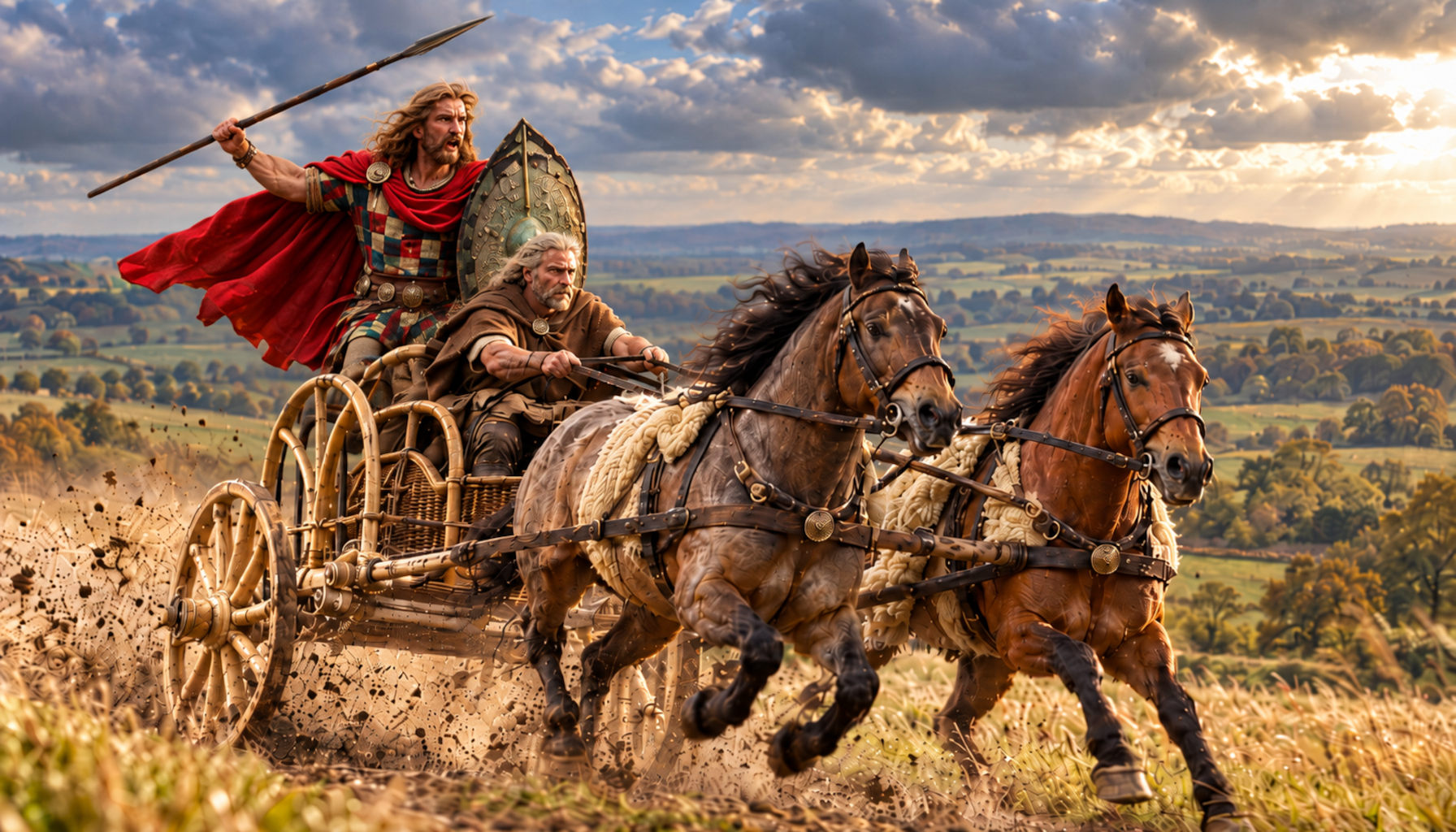
From the ancient DNA side, the Arnott haplogroup tag R1b1a1b1a1a2c1a1f1a2 links the family broadly to a deep western European paternal story rather than to one provable single medieval forefather. Related or linked ancient samples assigned within this wider genetic neighborhood include Celtic Durotriges individuals from Duropolis at Winterborne Kingston in England such as WBK12, WBK20, WBK29, WBK41, WBK05, WBK30, WBK43, WBK06, WBK08, WBK18, and WBK191, alongside other linked finds from Iron Age and later Britain and Europe, including Celtic Briton Oxfordshire Yarnton England I21182, Iron Age Worlebury Somerset England I11991, Iron Age Hillfort Battlesbury Bowl England I21309, Post Roman Era Worth Matravers Dorset England I11580, Imperial Roman Era Zadar Croatia I26776, Early Medieval Belgium Sint-Truiden Groenmarkt ST2025, Medieval Belgium outsider ST1308, Merovingian Alt-Inden IND013, Late Roman Klosterneuburg R10656, Late Roman Conimbriga R10488, Bronze Age Orkney Links of Noltland KD061, Bronze Age Boatbridge Quarry South Lanarkshire I5473, Bell Beaker Wiltshire Upavon I4950, Bronze Age Amesbury Down I2417, Bronze Age Trumpington Meadows I3256, Bronze Age Bedfordshire I7576 and I7577, Early Bronze Age Thames I5377, Hinxton Iron Age HI2, Gallic France Parancot CGG023699, Bronze Age Calabria GMO015, and Ireland Copper Age Rathlin2B. These do not demonstrate direct descent from the Arnotts, of course, but they do sketch the deeper prehistoric and historic genetic backdrop from which later Scottish Lowland families emerged.
Explore Ancient DNA in Post-Roman Britain
If the Arnott name is part of your family story, this is the moment to push beyond the paper trail and into the older human landscape behind it. Upload your DNA to MyTrueAncestry and see whether you match Clan Arnott, or related ancient DNA samples linked to the wider R1b1a1b1a1a2c1a1f1a2 story across Britain and Europe.
Comments