Clan Agnew

– 3 min read


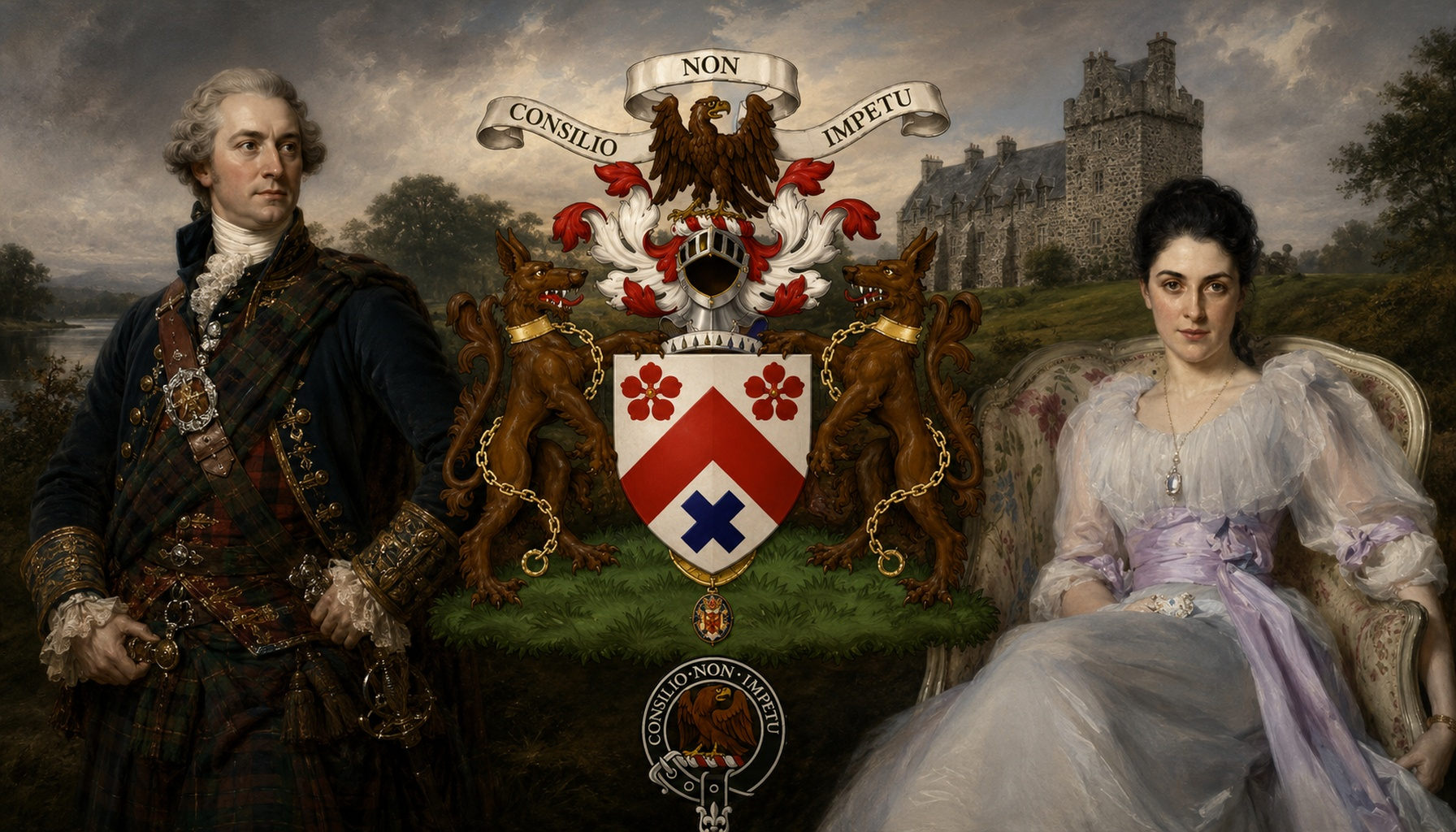
Clan Agnew was a south-west Scottish family rooted above all in Galloway, and especially in the lands of Lochnaw, with a long identity tied to office, estate, and local authority rather than the later romantic Highland stereotype of the clan system. In haplogroup terms, the primary family line is linked here with I2a1b1a1a1a1a1b3, a branch with deep time connections across Britain and Ireland. Historically, the Agnews belong to that very Scottish world of landed service: men who held ground, enforced law, served the crown, displayed heraldry, and turned continuity of possession into continuity of name.
The family emerges in the medieval record in a region that was never sleepy or provincial, however remote it may look on a map. Galloway sat in a borderland of Norse, Gaelic, Anglo-Norman, and Scottish influence, and families who prospered there did so by being useful as much as warlike. That is one reason the Agnews became so strongly associated with the hereditary sheriffship of Wigtownshire, a role that says a great deal about who they were. They were not simply local landowners with a tower and a pedigree. They were part of the machinery of rule. One early named figure is Alastair Agnew, recorded in 1299, a reminder that by the late 13th century the family was already visible in the turbulent political landscape of medieval Scotland.
Lochnaw Castle was the great anchor of Agnew identity, and in many ways it still is. Near Stranraer in Dumfries and Galloway, the site developed over centuries from an earlier stronghold into a layered residence with medieval and later additions. The oldest part is generally associated with a 15th-century tower house, while later work expanded it into a more complex lairdly seat. Set beside the loch and approached through a landscape that still feels properly old, it makes plain what the Agnews were defending and administering: not an abstract clan idea, but a real territorial base. Castles like Lochnaw were not merely homes. They were statements in stone about jurisdiction, inheritance, status, and staying power. The castle remains associated with the Agnew family, and the site and grounds are known to be visitable at least on limited terms, so it is one of those rare family anchors that can still be encountered in the landscape rather than only imagined from charters and seals.
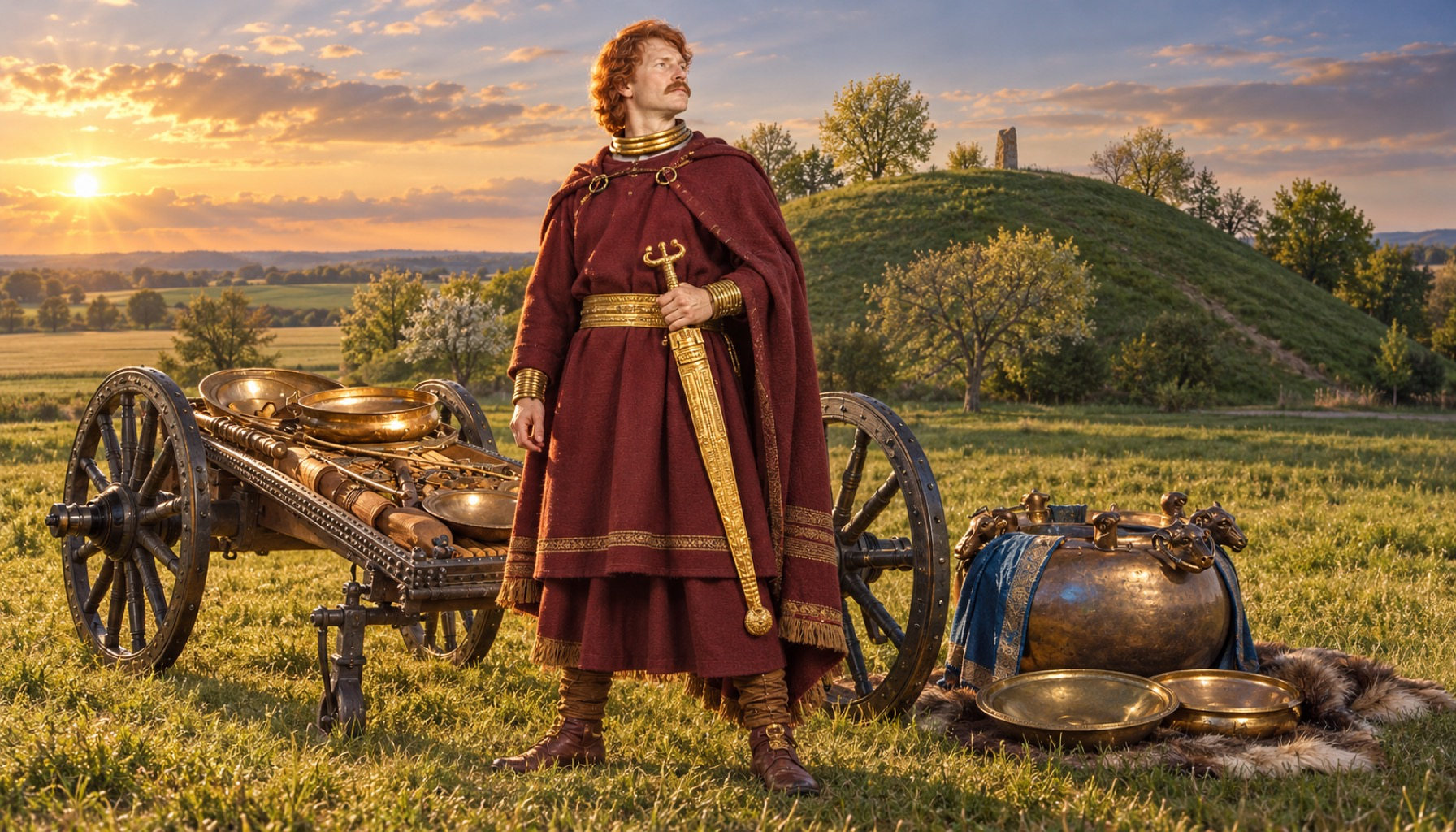
For readers interested in deeper paternal-line context, I2a1b1a1a1a1a1b3-linked or related ancient samples offer a broad archaeological backdrop rather than a claim of direct descent. These include ATP_PSN_527 from Medieval England Augustinian Friars, I14866 from Celtic Briton Cliffs End Farm in England, I16491 from Neolithic Wales at Orchid Cave in Denbighshire, I16418 from Iron Age East Lothian in Scotland, I2657 from MacAurthur Cave in Oban, Argyll and Bute, I4949 from Bell Beaker Upavon in Wiltshire, car004 from ancient Carrowmore in Ireland, and I2655 from Pabay Mor on the Isle of Lewis. What is striking here is not some neat one-line family story stretching unbroken into prehistory, because history is rarely that tidy. It is the wider pattern: this haplogroup branch appears in contexts ranging from Neolithic cave burials and Bell Beaker Britain to Iron Age and medieval individuals across the British Isles, placing the Agnew line, at least in genetic terms, within a very old and very local tapestry of Atlantic Britain and Ireland.
Explore Ancient DNA in Post-Roman Britain
If you carry Agnew ancestry, or simply have roots in Galloway and the south-west of Scotland, uploading your DNA can help you see whether you match Clan Agnew, its primary haplogroup I2a1b1a1a1a1a1b3, or related ancient DNA samples from Britain and Ireland. It is a rather wonderful way of putting bones, landscapes, and documents back into the family story.




Comments