Clan Adams
– 3 min read


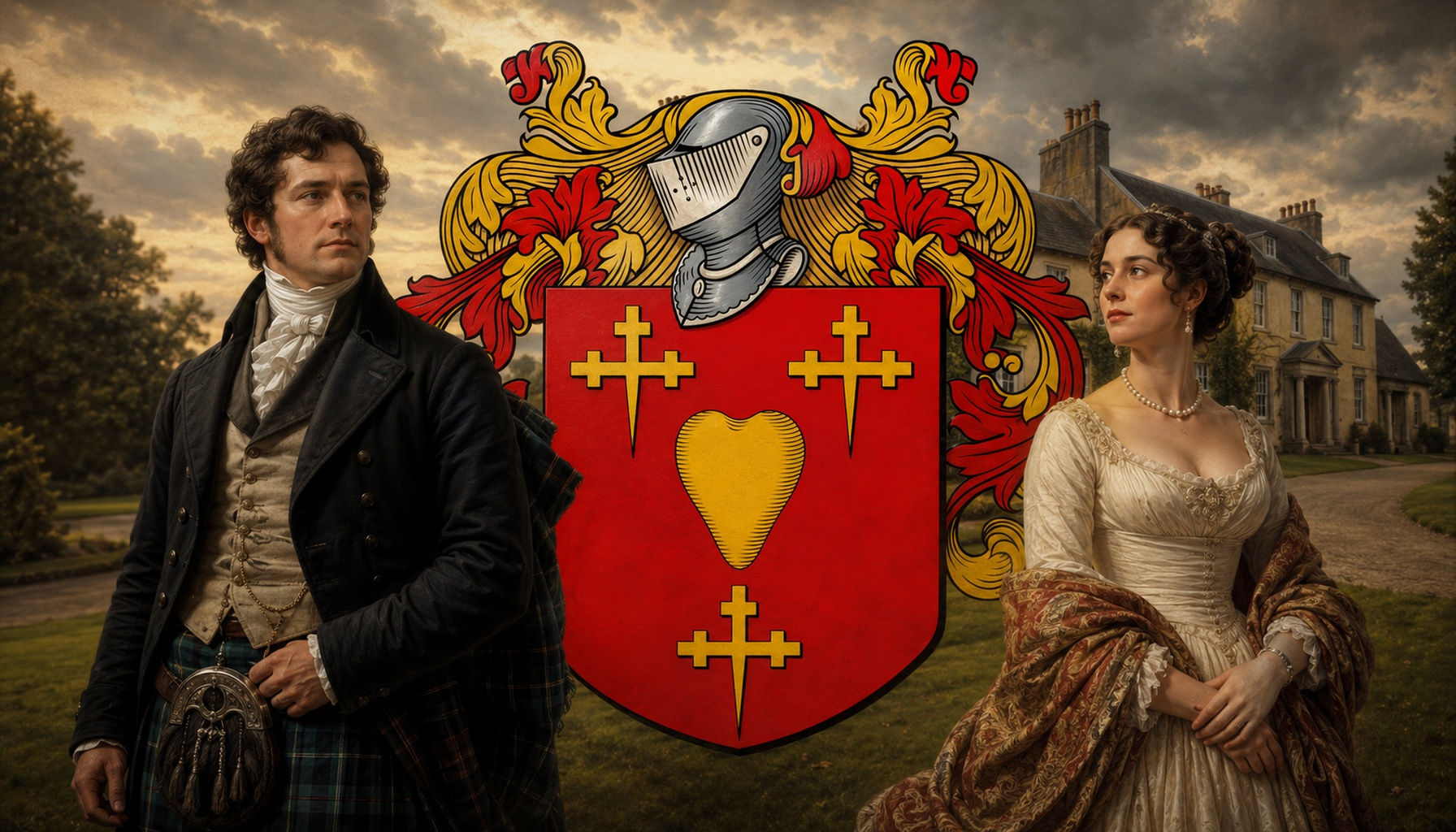
Clan Adams belongs to that broad and rather revealing corner of Scottish heritage where surname, memory, and place matter just as much as the grander machinery of famous Highland power. The name Adams, linked here with the primary family haplogroup R1b1a1b1a1a3a1, represents a Scottish family tradition built on continuity of name, regional attachment, heraldic identity, and the steady inheritance of belonging across generations. Not every Scottish family tradition was forged in the drama of clan warfare; many were shaped in parish life, local service, landed association, church patronage, and the very human determination to remember where one came from.
Historically, the surname itself comes from the personal name Adam, which spread widely in medieval Britain after biblical names became fashionable in Christian Europe. In Scotland the name took root in several regions, particularly in the Lowlands, where surname continuity often grew through record-keeping, property, and local standing rather than through a single dominant chiefly line. That helps explain why Clan Adams feels so recognisably Scottish: it reflects the country’s wider surname pattern, in which inherited identity could be preserved through kinship and armorial memory even without the scale of a major Highland confederation. Early named figures show the name well established in medieval religious life, including Adam, abbot of Cupar in 1189, and Adam, abbot of Newbattle in 1201. In the wider English-speaking world, the surname later became famous through Samuel Adams (1722-1803), John Adams (1735-1826), and John Quincy Adams (1767-1848), all reminders of how a name with medieval Scottish and British roots could travel far beyond its original landscape.
If there is a location anchor for the Adams name in Scotland, Blairadam House in Kinross-shire is the obvious place to begin. Set in a handsome estate landscape west of Kelty, Blairadam became the seat of the Adam family and gives the surname a vivid geographical home rather than leaving it floating abstractly in heraldic space. The house known today was developed in the eighteenth century, with the family associated with improving estate culture, planned grounds, and that distinctly Scottish blend of landed ambition and Enlightenment taste. The wider Blairadam estate is also notable for its woodland walks and picturesque setting, which is one reason it has attracted modern visitors as well as film and television interest. It has been noted as a location connected with period-screen heritage, and the estate grounds remain especially evocative because they preserve that old sense of a family seat embedded in designed landscape rather than isolated from it. On that basis, Blairadam House and its estate can reasonably be treated as a place that can still be visited, at least in relation to the surrounding historic landscape and local heritage interest, even if access to the house itself may vary.
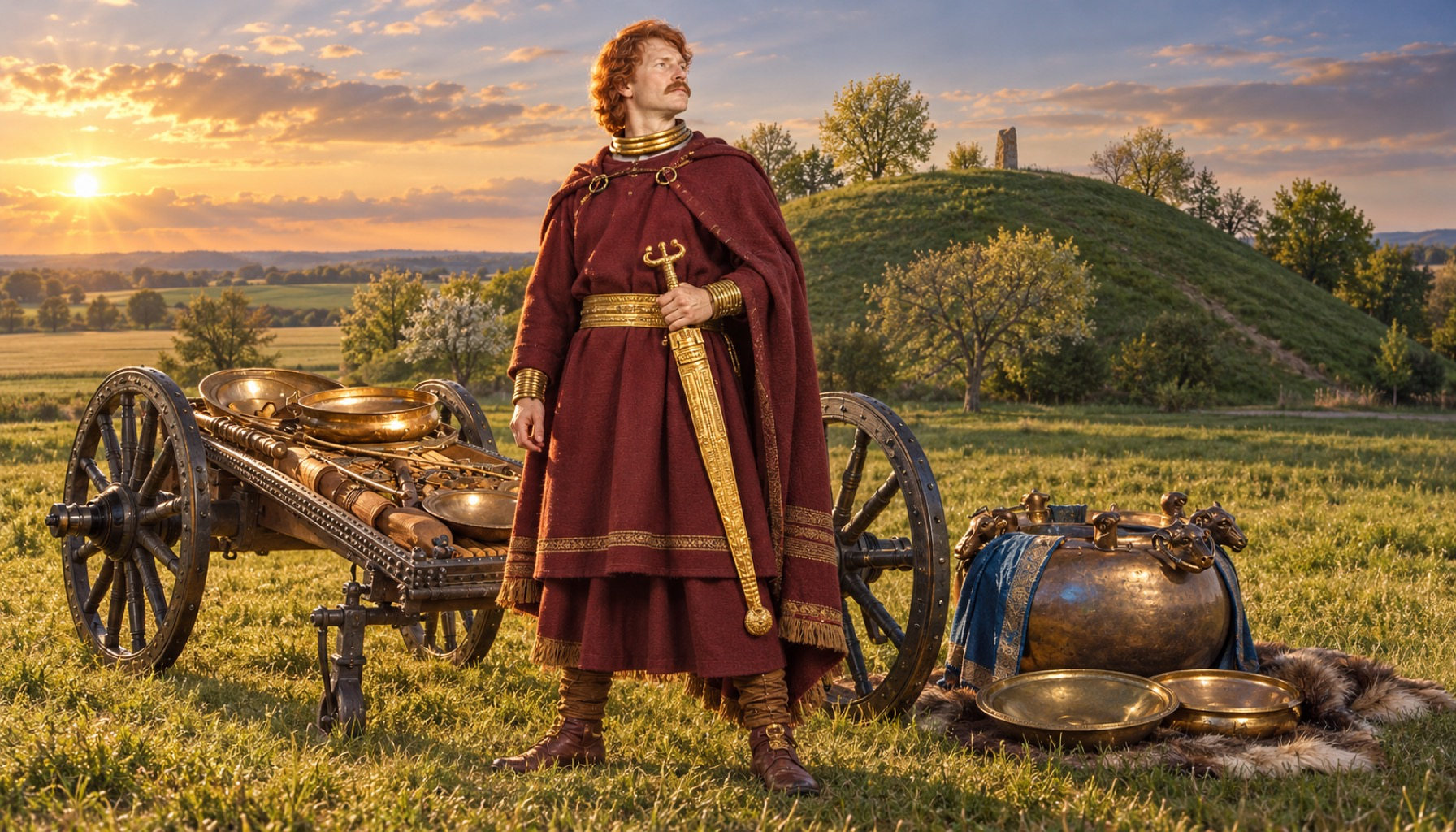
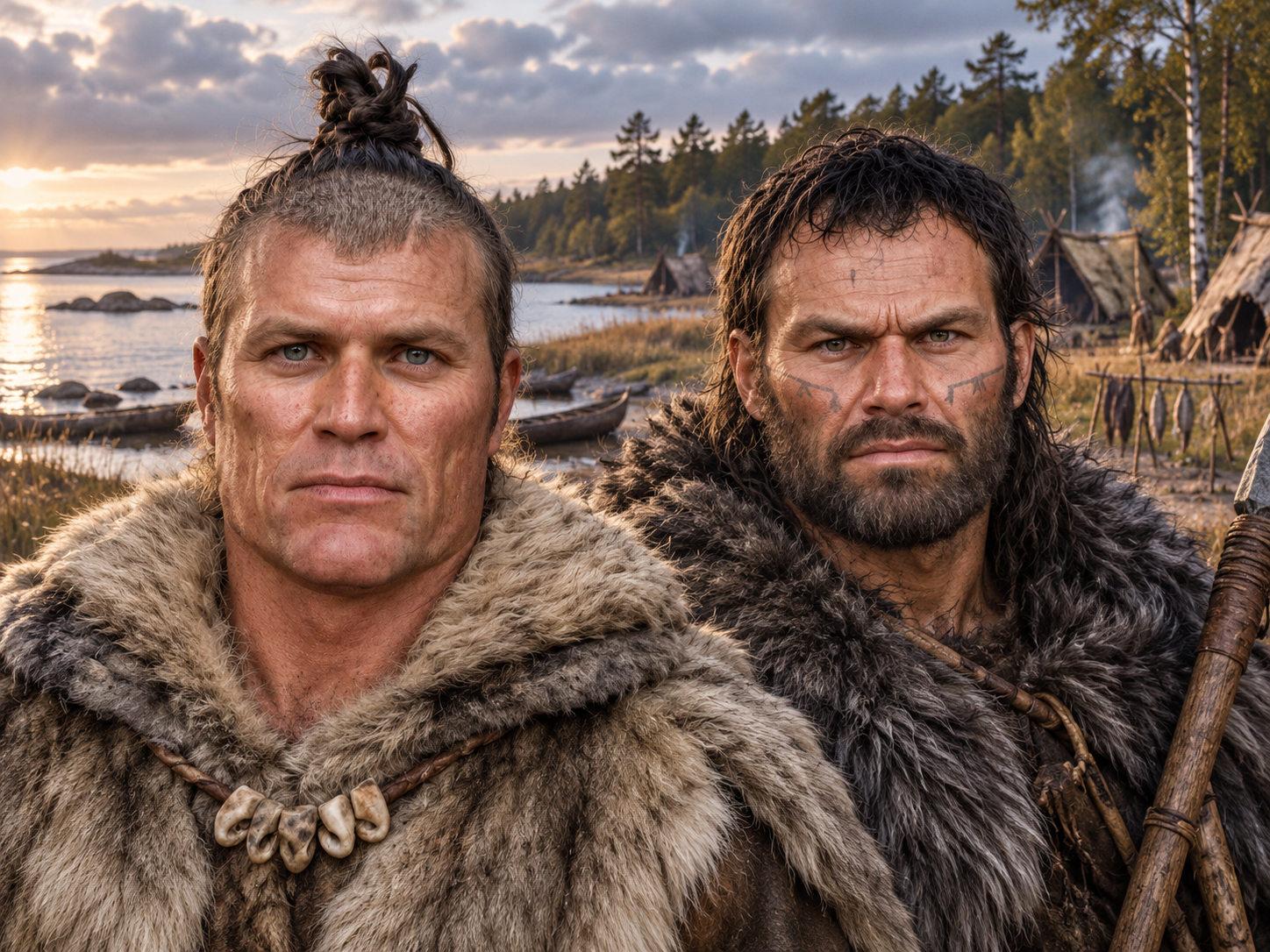
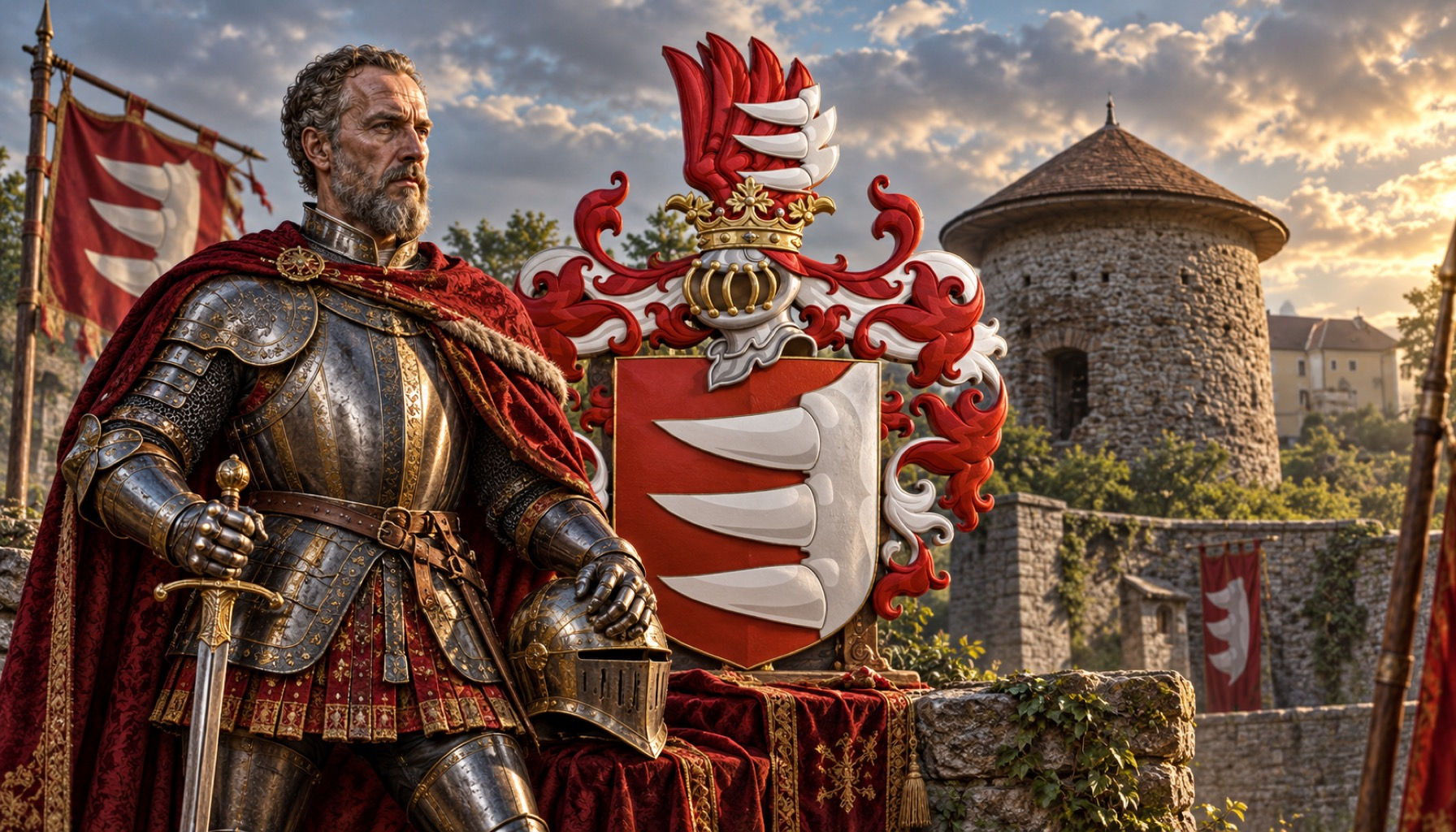
The primary family haplogroup tagged to Clan Adams here is R1b1a1b1a1a3a1, a branch within the great R1b line that appears widely across western and central Europe in ancient DNA. That does not prove direct descent from any one excavated individual, and it is important not to pretend otherwise. What it does offer is a fascinating web of related or linked ancient samples that place this paternal line in a deep historical setting stretching from Bronze Age Europe into medieval Britain and beyond. Among the more suggestive linked examples are Celtic Durotriges England Duropolis Winterborne Kingston (WBK106), Pict Era Scotland Black Isle Rosemarkie Cave samples such as KD001, KD001_2, KD001_3, KD001_4, KD001_6a and KD001_6b, Medieval England Cherry Hinton (ATP_PSN_944), Medieval England Cambridge St Johns Hospital (ATP_PSN_36), and Historic St. Mary City Chapel Field Cemetery Maryland (I35262). Together with further linked finds from Bronze Age France, Bohemia, Germany, Iberia, Scandinavia, the Low Countries, and medieval Portugal and Spain, they show this lineage turning up in Celtic, Pictish, Anglo-Saxon, medieval, and early modern contexts. In other words, the Adams haplogroup sits in a broad and very old European story of movement, continuity, and regional re-rooting rather than in a single neat ethnic box.
Explore ancient DNA in Britain
For anyone interested in Clan Adams, the real pleasure lies in bringing together surname history, Scottish place, and genetic evidence without losing sight of the difference between tradition and proof. Uploading your DNA can help you see whether you match Clan Adams or any of the related ancient DNA samples linked to haplogroup R1b1a1b1a1a3a1, adding a new layer to the old story of family continuity, local roots, and inherited identity.


Comments