The Noble House of Parker
– 3 min read


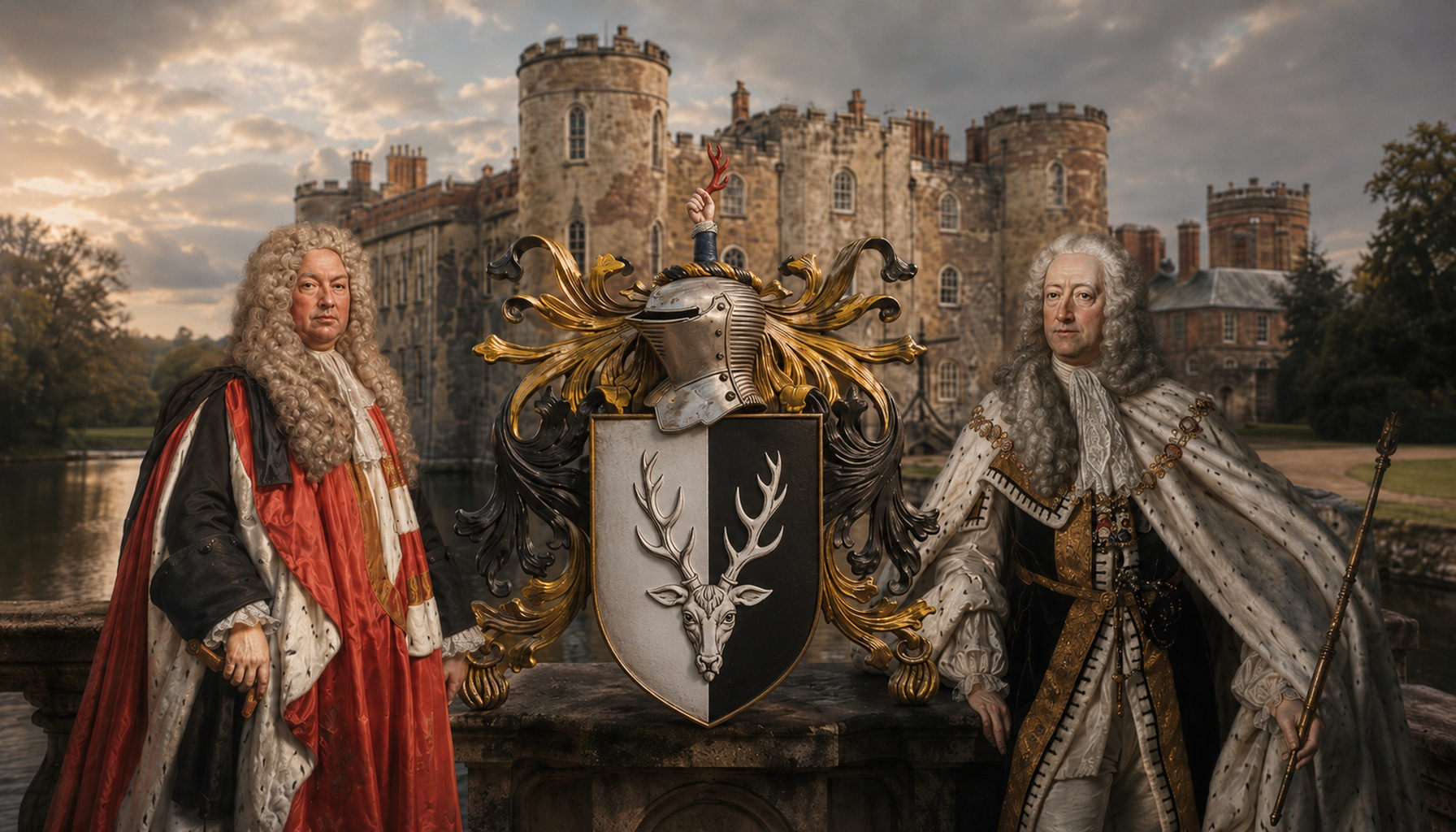
The Parker family was one of those distinctly English houses whose story begins in work and ends in rank. The name itself comes from an occupational root, originally describing a keeper of a park, a man responsible for enclosed hunting land or estate ground. Out of that practical beginning grew a noble and landed tradition associated with property, administration, royal favour, public duty, and the slow but unmistakable polishing of family identity across centuries. In this lineage framework, the primary family haplogroup is tagged as I2a1b1a1a1a1a, linking the Parker story to a much deeper paternal thread within the genetic landscape of Britain and northwestern Europe.
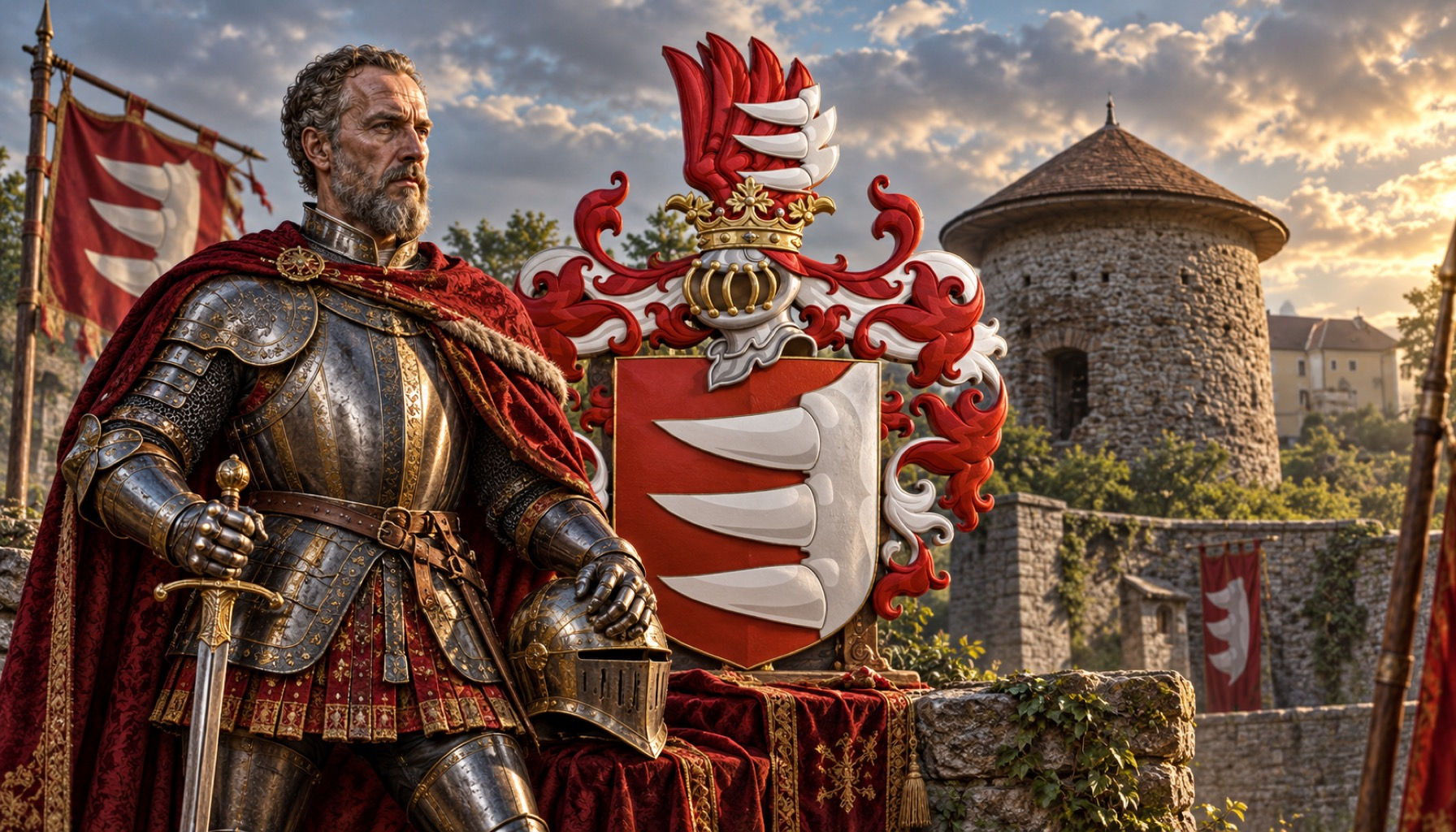
Historically, House Parker fits a very English pattern: not an ancient princely clan descending fully formed from mist and legend, but a family that rose through landholding, office, marriage alliances, parliamentary service, heraldry, and reputation. That is precisely what makes them interesting. Noble houses in England were often made as much in chancery, county office, and on estate ledgers as on the battlefield. Early names linked in broader tradition and historical memory include Rognvald II Brusissonn, Earl of Orkney, dated here to 1046, and Sir Robert Le Parquier in 1066, both evocative of the northern and Norman-inflected world from which medieval Britain was being remade. Over time, Parker branches became associated with titled distinction, civic standing, and the durable social authority that came from serving the state while anchoring themselves in landed society.
Explore the Noble House of Lascelles
No Parker location says "family seat" more clearly than Shirburn Castle in Oxfordshire. This is not a theatrical Victorian fantasy pretending to be medieval; it is a genuine moated castle, originally built in the later 14th century and long associated with the Parker family, especially the Earls of Macclesfield. It sits in the village of Shirburn, near the Chilterns, and its importance lies in that splendid English overlap of fortress, manor, archive, and symbol. Over the centuries it was altered and adapted, with medieval origins still visible beneath later domestic refinements, and it became a central marker of Parker continuity, status, and cultivated estate life. The house held books, collections, and the memory of generations, which is exactly what a great family seat was meant to do: not simply shelter a family, but materialise its history in stone. Public access has been limited in modern times, so it is best described cautiously: it can sometimes be seen or visited only where current access arrangements reasonably allow, rather than as a regularly open heritage property.
Read more about the Noble House of Churchill
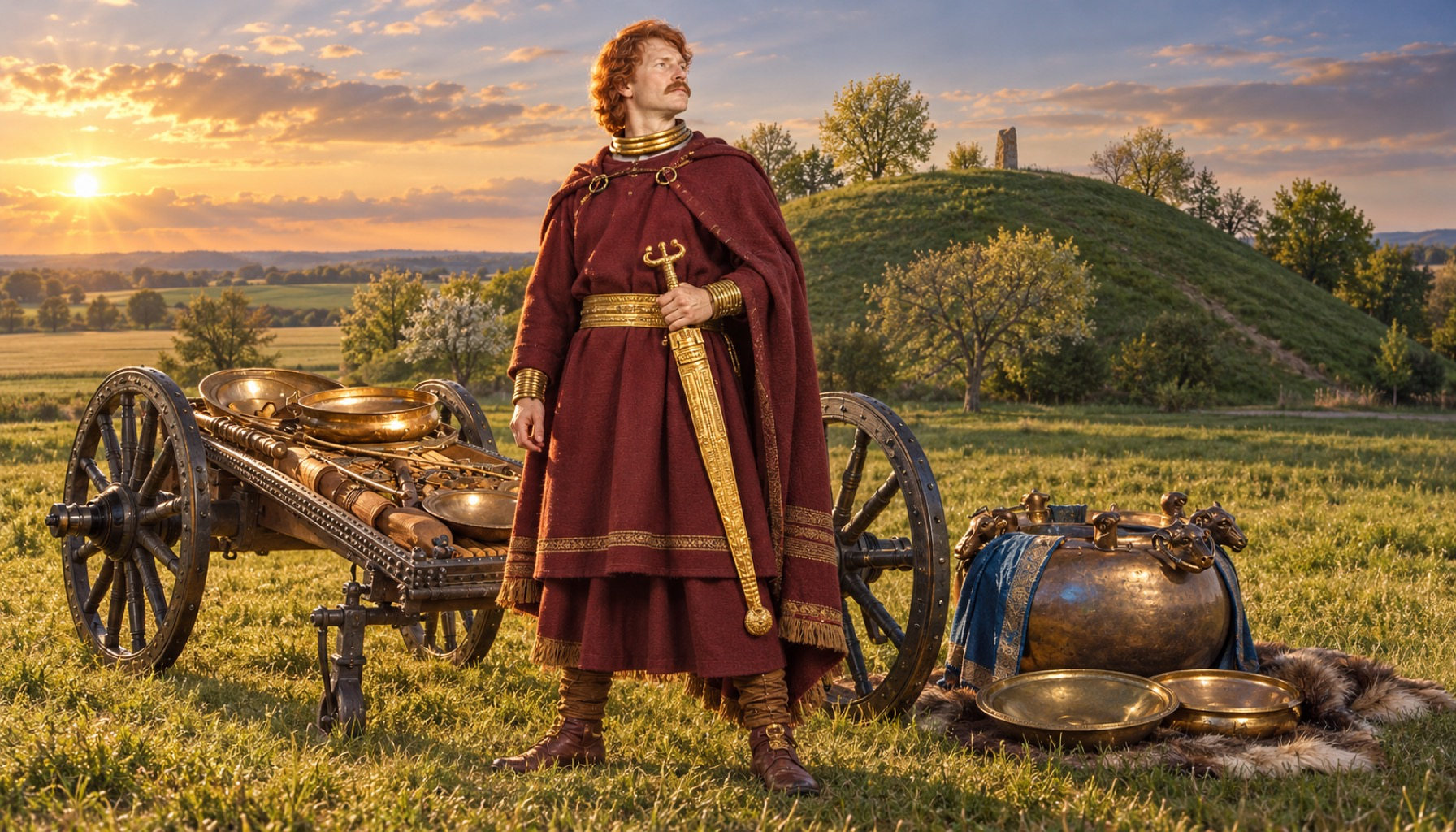
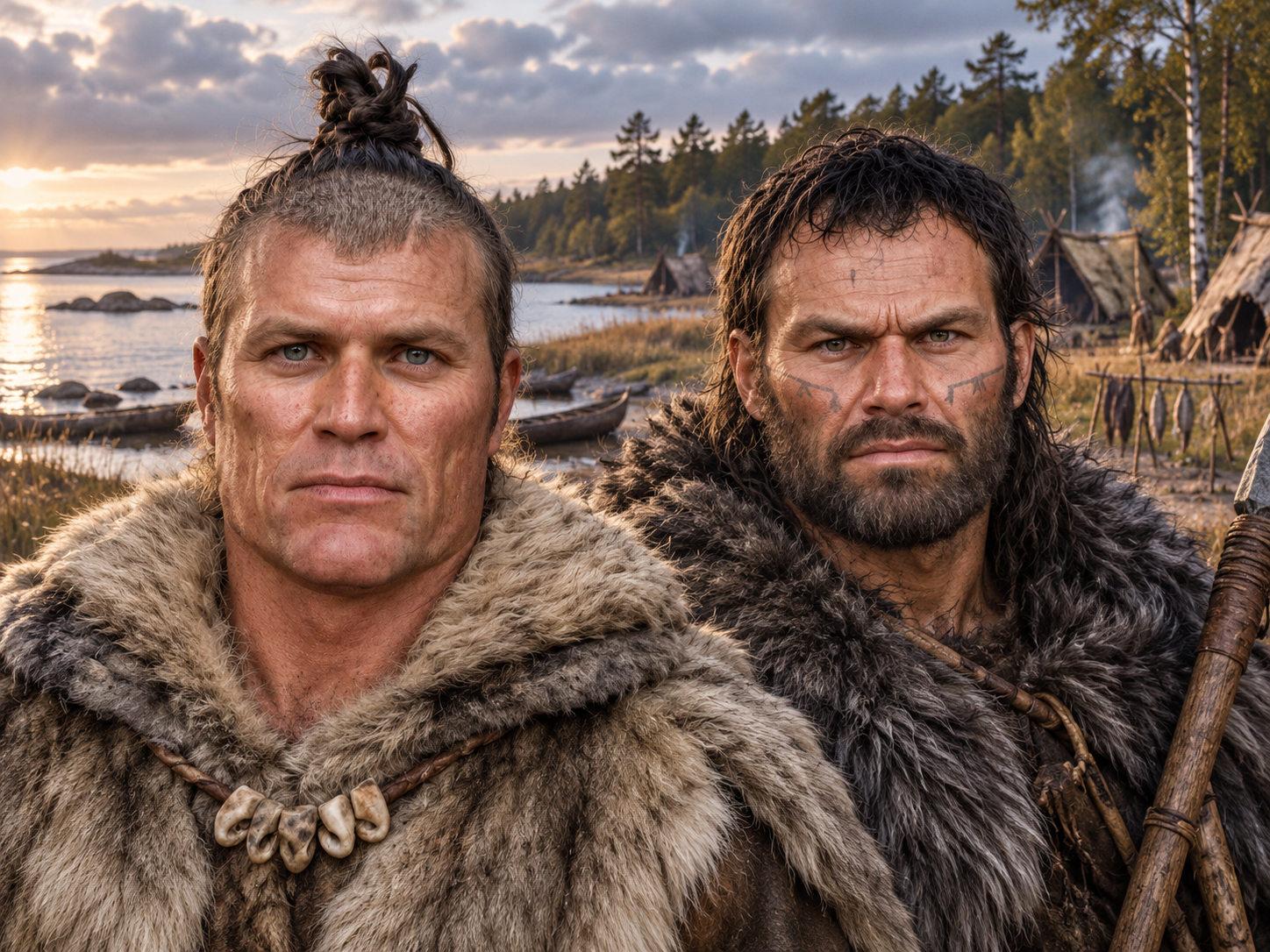
The Parker haplogroup tag I2a1b1a1a1a1a also opens a window far deeper than the family archive. Related or linked ancient DNA samples associated with this broader paternal line appear across the British Isles over long stretches of time: Medieval England Augustinian Friars (ATP_PSN_527), Celtic Briton Cliffs End Farm England (I14866), Neolithic Wales Orchid Cave Denbighshire (I16491), Iron Age East Lothian Scotland (I16418), MacAurthur Cave Oban Argyll and Bute Scotland (I2657), Bell Beaker Wiltshire Upavon England (I4949), Ancient Carrowmore Ireland (car004), and Pabay Mor Isle of Lewis Scotland (I2655). These are not evidence of direct descent from the Parker family, nor of the Parkers from any one named ancient individual. Rather, they show that the wider paternal branch linked with I2a1b1a1a1a1a has a long archaeological footprint in Britain and Ireland, stretching from Neolithic cave burials and Beaker-age landscapes to Iron Age and medieval communities. In other words, the Parker story belongs not only to heraldry and title, but to a much older human background written into the islands themselves.
If you carry the Parker name, have Parker lines in your family tree, or simply want to see whether your DNA connects with House Parker or these related ancient I2a1b1a1a1a1a-linked samples, you can upload your DNA to MyTrueAncestry and explore the evidence for yourself.

Comments