The House of Wormley
– 3 min read


Primary family haplogroup: I1a3a1a1a3
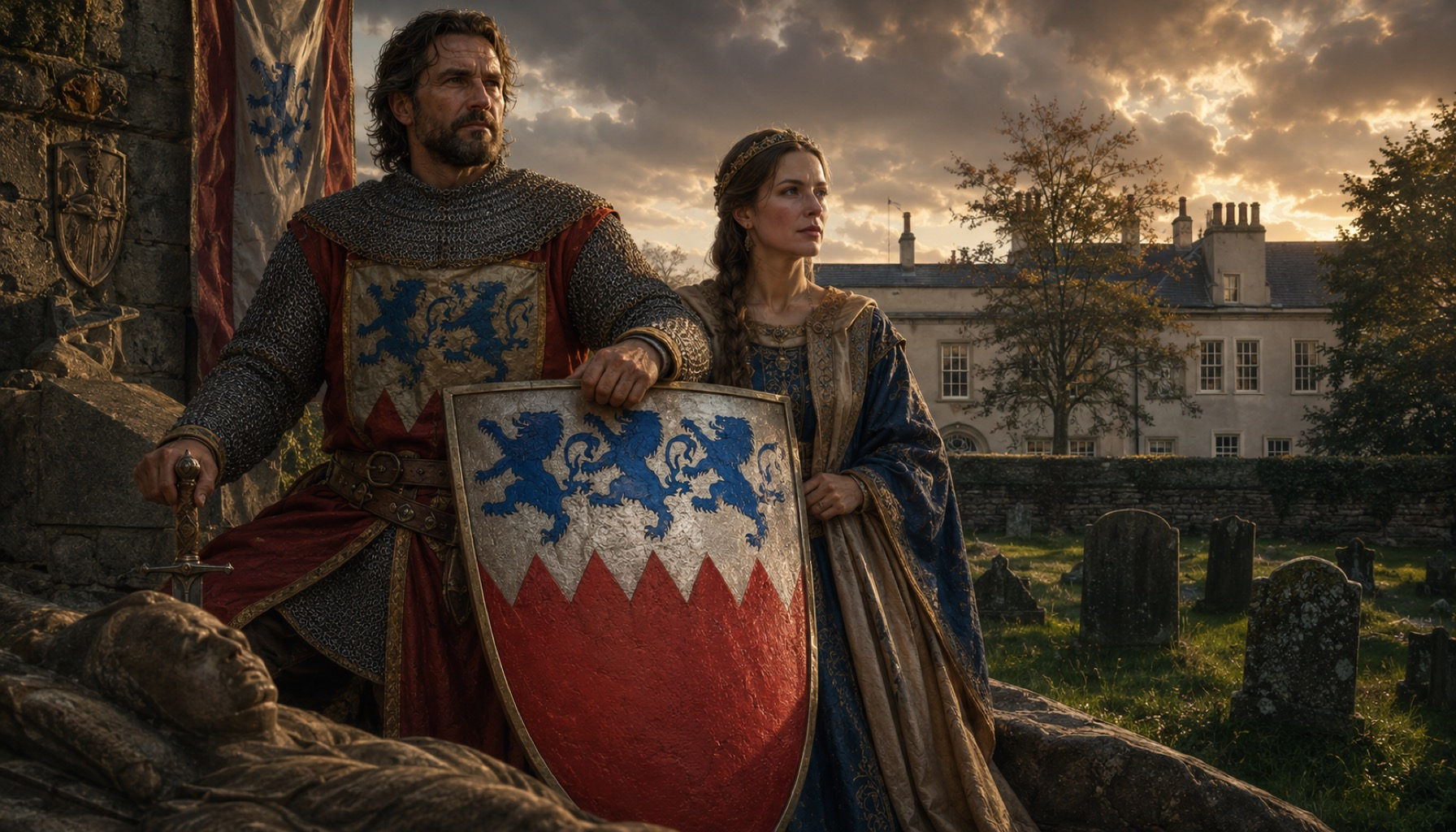
The House of Wormley is best understood as an English family house rooted in place, memory, and the long keeping of a name. Rather than belonging to one single princely saga, the Wormley story fits a very English pattern: a family shaped by locality, parish life, land, service, and the steady business of remaining visible in the records over generations. In that sense the name carries its own kind of distinction. It suggests continuity more than spectacle, and local standing more than courtly mythology. Linked here with haplogroup I1a3a1a1a3, the family sits within a wider northern European genetic story, while its historical identity is firmly tied to the social fabric of England.
The surname itself points back to place and movement across the Channel after the Norman Conquest, when many families arrived in England with names that shifted spelling as they settled into new landscapes. Over time, Wormley, Wormesley, and Wilmersley forms appear in medieval records, and that matters because medieval families were not tidy about spelling, but they were serious about land, obligation, and inheritance. Among the names associated with this wider family memory are Gilbert Crispin I (1034), a figure from the great Norman world that framed many later English lineages, Domino Roberto de Wilmersley (1270), and William de Wormesley (1343). Taken together, such references evoke not a fairy-tale dynasty, but a durable house whose significance lay in surviving, adapting, and preserving its name through centuries of English local history.
Read more about the House of Wyndham
A fuller anchor for the family's deeper background is Tillières-sur-Avre in Normandy, historically a frontier settlement on the River Avre between Normandy and the lands to the east. That border position is important, because places like Tillières were not sleepy dots on a map in the eleventh century. They were strategic, contested, and heavily bound up with the making of Norman power. Tillières is known for its castle history and for its role in the uneasy border politics between the duchy of Normandy and the kingdom of France. In other words, it belonged to the world that produced many cross-Channel families after 1066: martial, opportunistic, local, and deeply concerned with fortification, allegiance, and landed control. The commune still exists today in the Eure department of northern France, and it can indeed still be visited, which gives the modern traveller a rare chance to stand in a landscape that genuinely belongs to the family's early historical horizon, rather than merely to later romantic invention.
Explore the House of de Warenne
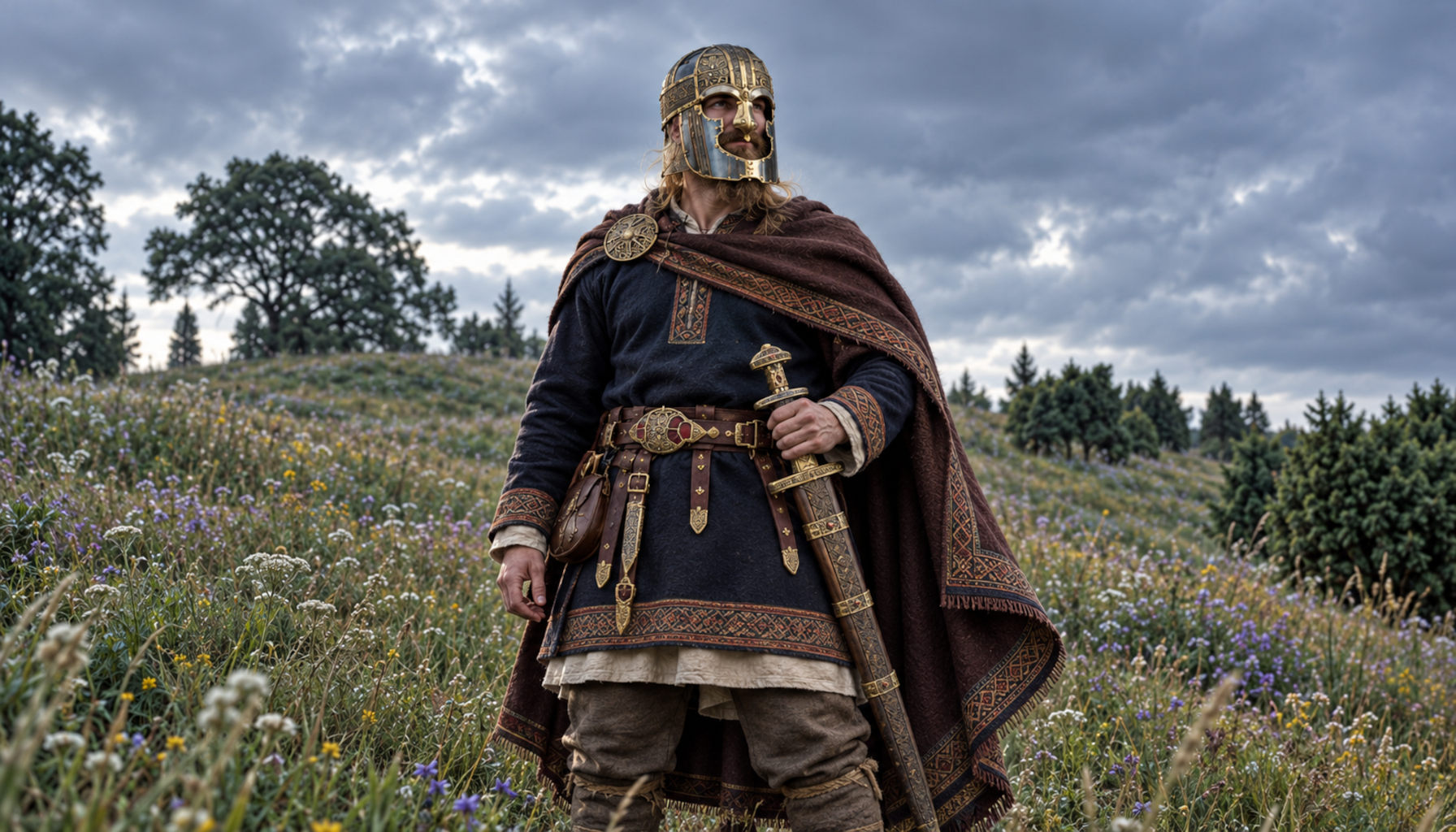
From the ancient DNA side, the Wormley family's tagged haplogroup I1a3a1a1a3 connects not to a single proven ancestor, but to a wider web of related or linked men found across early medieval and late ancient Europe. These include Migration Period Hungary Rakoczifalva samples RKO003 and RKF274, Merovingian Period Bavaria Altheim Germany sample Alh_282, Gothic Tribe Poland Maslomecz Wielbark sample PL086, Gothic Wielbark Poland Kowalewko Oborniki sample PCA0018, Roman-period Germanic warrior from Mursa in Croatia during the Third Century Crisis sample OSIJ007, Byzantine Roman Zeytinliada Monastery Anatolia sample I14832, Early Medieval Buckinghamshire Wolverton Radcliffe sample S16508, Viking Age elite warrior from Bodzia Poland sample VK157, and the Vasconic-Roman mix from Crypta Balbi sample R110. None of these should be treated as direct ancestors of the Wormley family without specific evidence, but they do illuminate the broader historical world in which this paternal line appeared: a Europe of mobility, military service, frontier settlement, regional mixture, and enduring male-line continuity from the Roman world into the medieval one.
If the House of Wormley speaks to your own family story, the next step is not guesswork but comparison. Upload your DNA to MyTrueAncestry and see whether you match the Wormley family profile or any of the related ancient DNA samples linked to haplogroup I1a3a1a1a3. It is one of the most vivid ways to place your surname, your ancestry, and your deeper past into the long human story of migration, settlement, and memory.
Comments