The House of Standish

– 3 min read


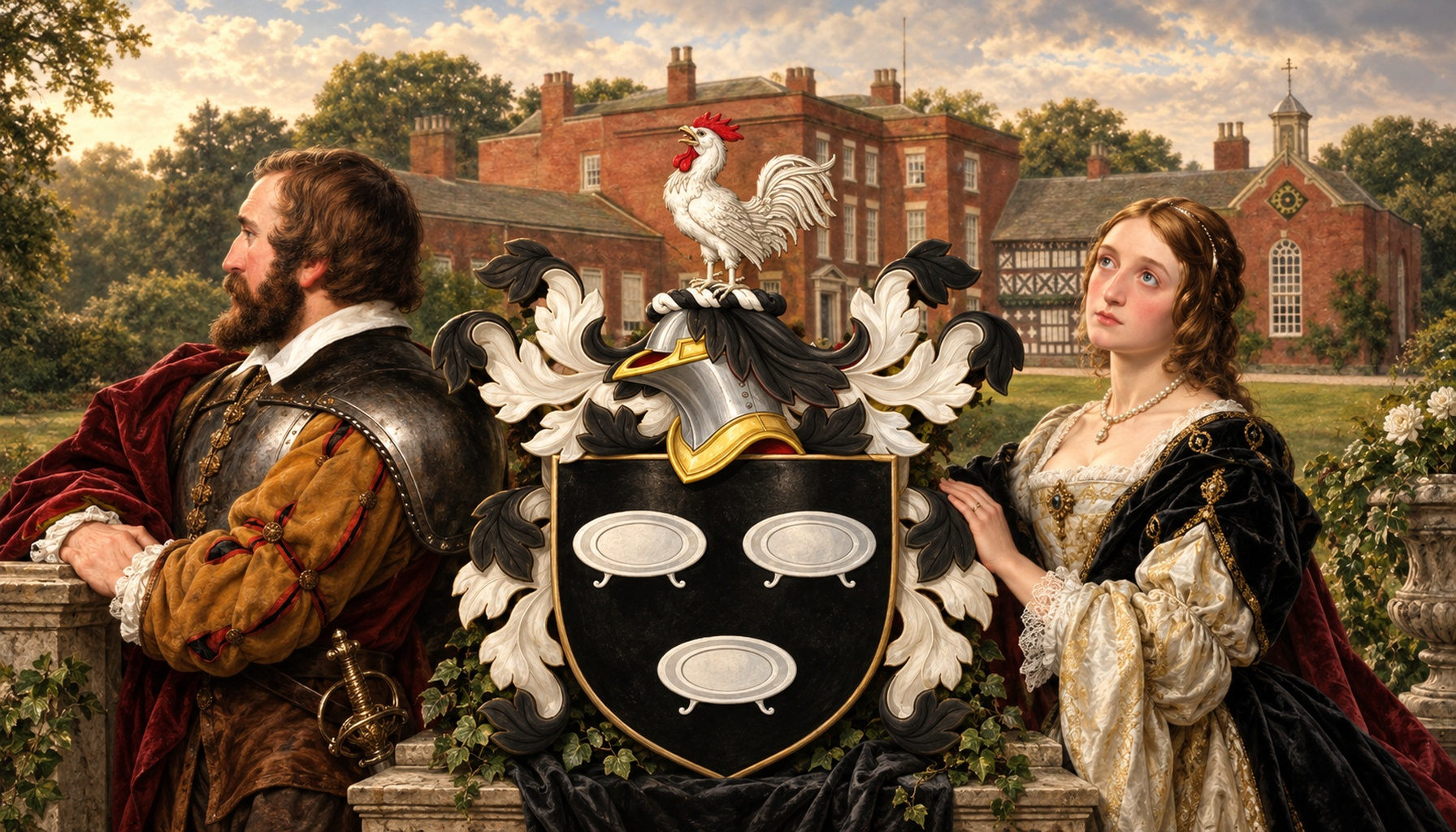
The House of Standish was one of the old landed families of Lancashire, rooted in the manor of Standish near Wigan and remembered today as part of the long story of English county gentry. Their primary family haplogroup is tagged as I2a1b2a2d1a2, a paternal line with deep European time depth that makes an intriguing companion to the documentary record. The family took its name from place, which is exactly how so many medieval English families announced who they were: not by abstract pedigree first, but by land, lordship, and local standing. In that sense the Standishes belong to a very recognisable historical pattern, emerging from the world of manor holding, knightly service, and county influence in medieval Lancashire.
Over the centuries, the Standishes expanded into several branches, including the Duxbury line, and built their reputation through military service, estate management, local office, and careful marriage alliances with other regional families. This is not quite the stuff of fairy-tale aristocracy; it is more interesting than that. It is the practical business of maintaining status across generations in a county where lineage mattered, but so did service, loyalty, and land. Among the best known names in the wider family story are Myles Standish (1584-1656), long associated with the Plymouth Colony in New England; Sir Frank Standish, 3rd Baronet (1746-1812), of the later gentry line; and Frank Hall Standish (1799-1840), remembered as a collector and figure of cultural as well as family significance. Through figures like these, the House of Standish moved from being a distinctly Lancashire story to one with transatlantic echoes.
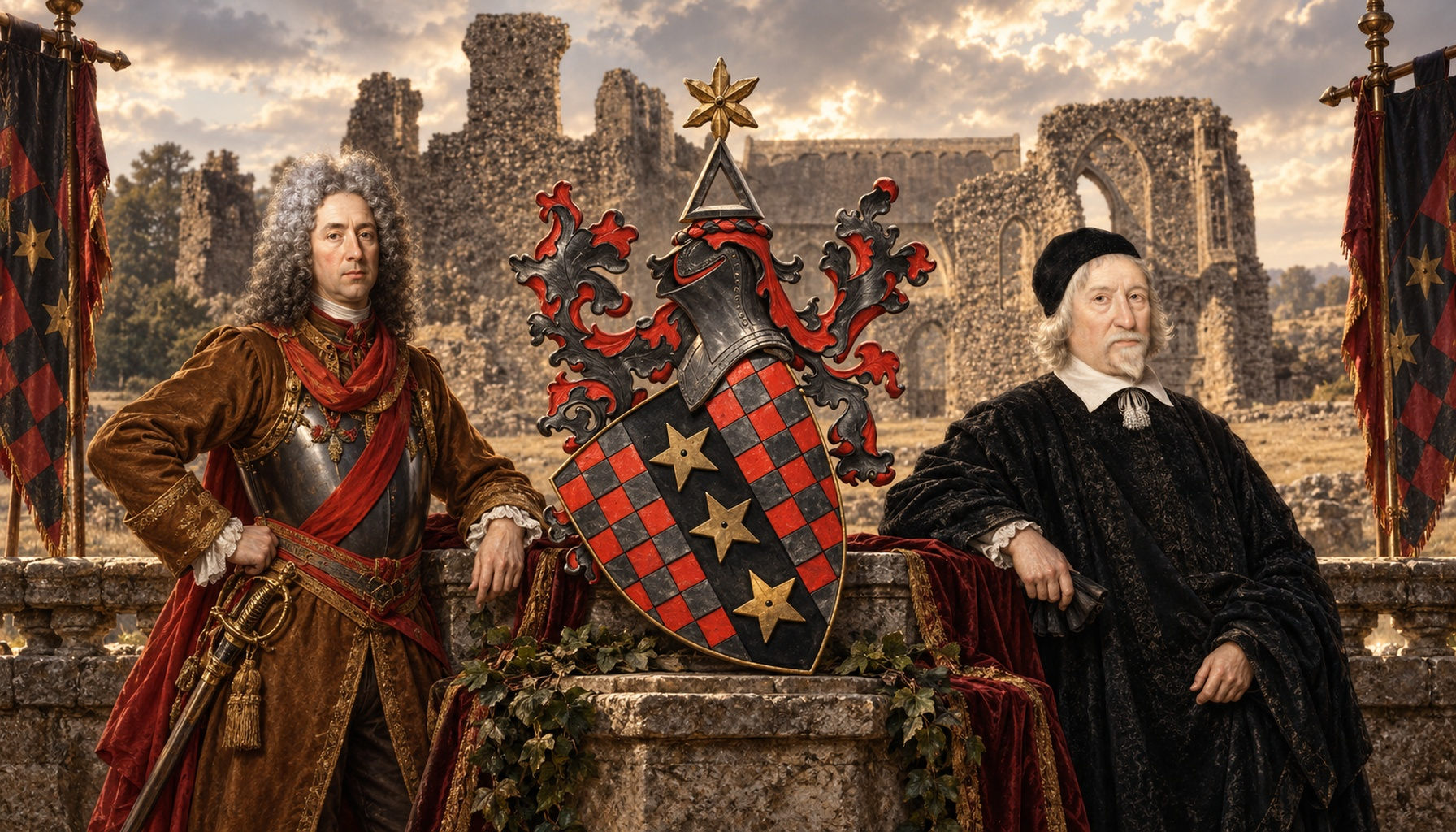
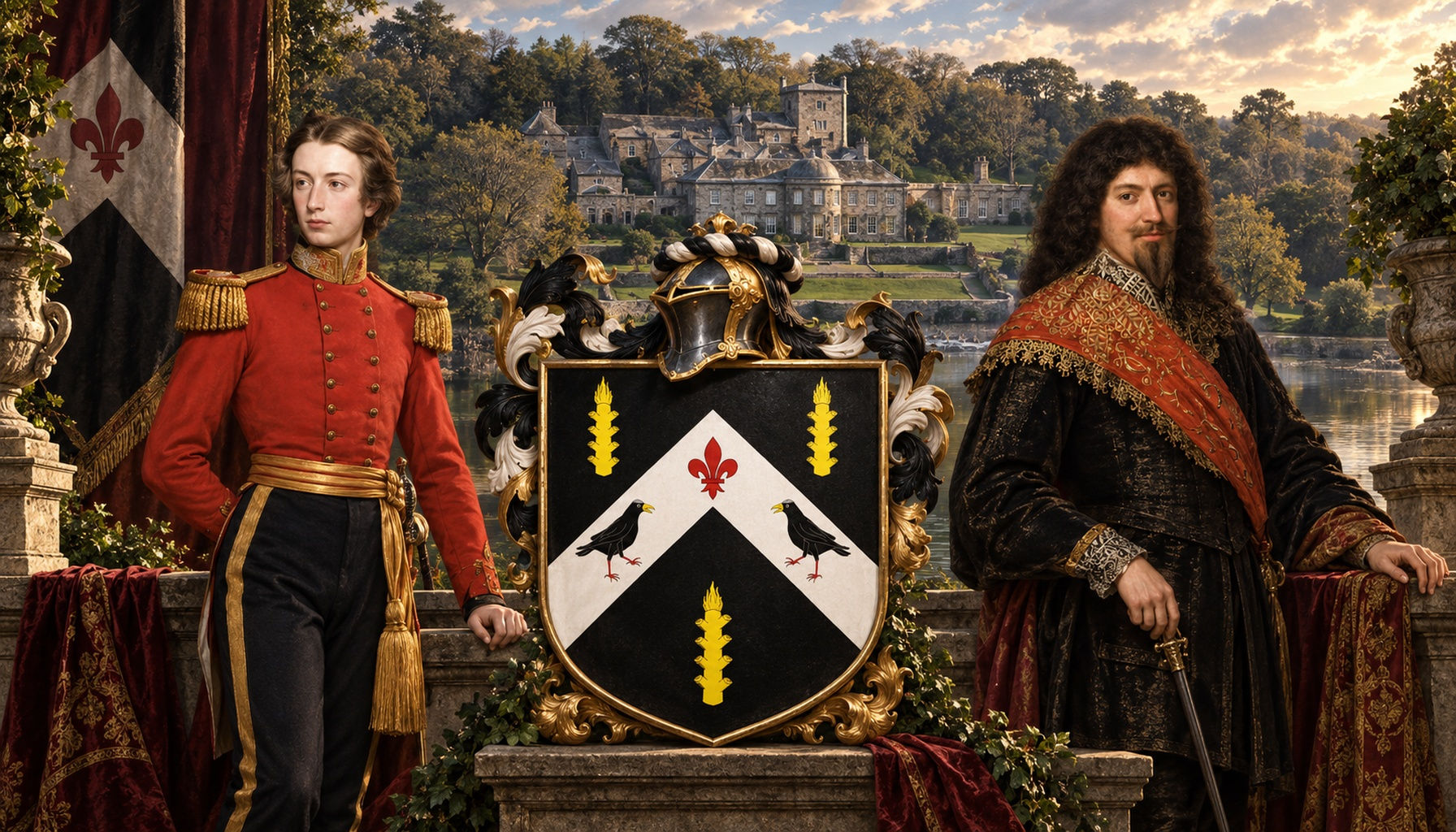
Standish Hall was the great seat most closely tied to the family name, and it served for generations as the physical anchor of Standish identity in Lancashire. The house known in its later form was largely a nineteenth-century rebuilding on an older ancestral site, which rather neatly captures the rhythm of many English country houses: medieval roots, later enlargement, and eventual decline. Although the Hall no longer survives as a complete historic residence, the site remains important in local memory and in the history of the parish and manor. Standish Hall was also associated with a chapel and with the broader estate landscape that once expressed the social power of a landed family in bricks, gardens, approach roads, and tenanted ground. The house was damaged by fire in the twentieth century and much was later demolished, but the grounds and surviving elements preserve the link with the Standishes. Yes, the site can still be visited in a reasonable sense, as the area of the former estate and its surviving features remain part of the historic landscape of Standish and are still identifiable to visitors interested in local heritage.
From a DNA point of view, the Standish haplogroup tag I2a1b2a2d1a2 places the family within a much older web of paternal ancestry found in ancient and medieval Europe. Related or linked samples assigned within this broader line include MBG008 from the elite Celtic burial at Magdalenenberg, Villingen-Schweningen in Germany; ATP_PSN_522 from the Augustinian Friars of medieval England; I7959 from Early Bronze Age Praha-Stodulky-Mala Ohrada in Czechia, connected with the Unetice horizon; BRC039x from Migration Period Brucken in Saxony-Anhalt; poz498 from Bronze Age Karczyn in Lower Silesia; poz720 from Pielgrzymowice Grave 669 in Bronze Age Silesia; I11590 and I20641 from the early Anglo-Saxon cemetery at West Heslerton in Yorkshire; I17327 from Iron Age Prague in Central Bohemia; ELW030 from a post-medieval plague victim at Ellwangen in Germany; SRA62 from Mesolithic Sramore in Leitrim, Ireland; and the famous Cheddar Man from Somerset. These are not claims of direct descent from the House of Standish, of course. Rather, they show how a haplogroup linked to the family belongs to a paternal lineage that appears across a striking range of contexts, from Mesolithic foragers to Bronze Age communities, Iron Age central Europeans, Anglo-Saxon England, and medieval religious houses.
If you think you may connect to the Standish family, to Lancashire gentry lines, or to the wider I2a1b2a2d1a2 story, this is exactly where documentary history and ancient DNA become fun together. Upload your DNA to MyTrueAncestry and see whether you match the House of Standish or any of the related ancient samples that illuminate the deeper past behind the name.

Comments