The House of Mowbray

– 2 min read


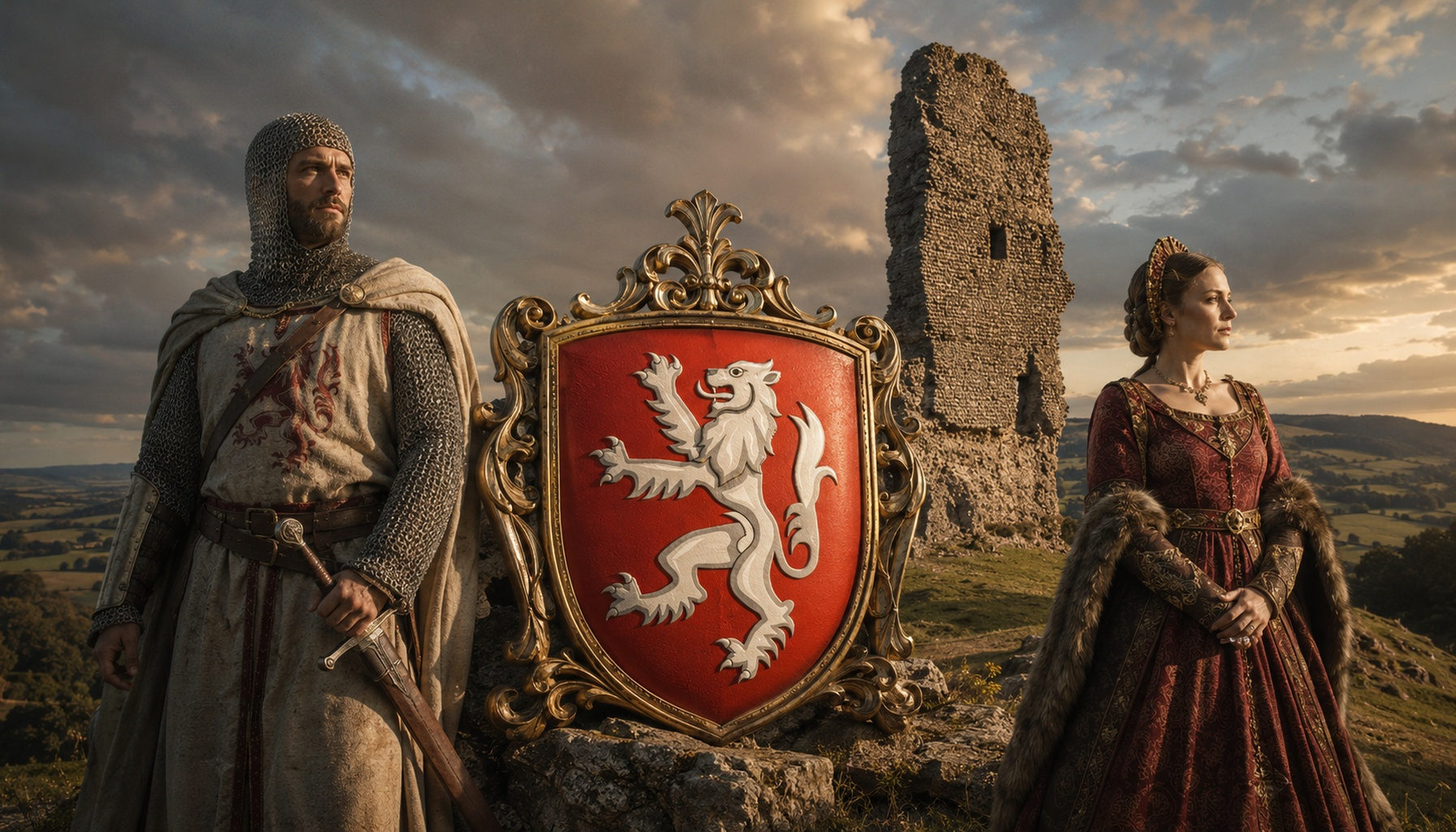
The House of Mowbray was one of the great Norman and later English noble families, remembered for baronial power, landed wealth, feudal obligation, and a long presence in the upper ranks of medieval society. Its deeper origin lies in Normandy, where the name developed from Montbray, near Coutances, before crossing into England in the wake of the Norman world created by conquest, lordship, and royal patronage. In genetic tagging terms, the primary family haplogroup linked here is R1b1a1b1a1a1c2b2a1b1a4a1a1a, a branch associated with wider western and northern European paternal lineages.
What makes the Mowbrays so interesting is that they are not simply a family tree with a few grand names attached. They show how medieval power actually worked. Land was the engine, castles were the machinery, and marriage was often as decisive as battle. Through service to the crown, military reputation, inheritance, and aristocratic alliance, the Mowbrays rose into the English peerage and became woven into the political fabric of the realm. Figures linked to the family story include Geoffrey de Montbray, who died in 1093, the powerful Bishop of Coutances and one of the major Norman churchmen of the Conquest generation, and Sir Roger de Mowbray, circa 1120 to 1188, the renowned baron whose career touched crusading, rebellion, royal politics, and the hard realities of twelfth-century lordship. The Mowbray story has all the classic ingredients of high medieval aristocratic life: loyalty and revolt, favour and forfeiture, heraldry and memory, all under the ever-watchful eye of the crown.
Explore the House of de Warenne
A key anchor for the family's Norman background is Coutances Cathedral in Normandy, closely associated with the world of Geoffrey de Montbray and the ecclesiastical and political landscape from which families like the Mowbrays emerged. The cathedral, formally the Cathedral of Our Lady of Coutances, stands on a site of much older Christian worship, though the present building is largely a magnificent medieval structure, chiefly rebuilt in the Romanesque and Gothic periods. It is especially striking for its soaring towers, lantern tower over the crossing, and the way it dominates the hilltop town of Coutances, which gives you at once that unmistakable medieval sense of spiritual authority and local power being physically written into the landscape. This was not a decorative backdrop to history. It was part of the institutional world that shaped Norman expansion, patronage, and identity. And yes, it can still be visited today, which is one of the pleasures of dealing with medieval history: so much of the setting is still there, stubbornly and gloriously present.
Read more about the House of de Clare
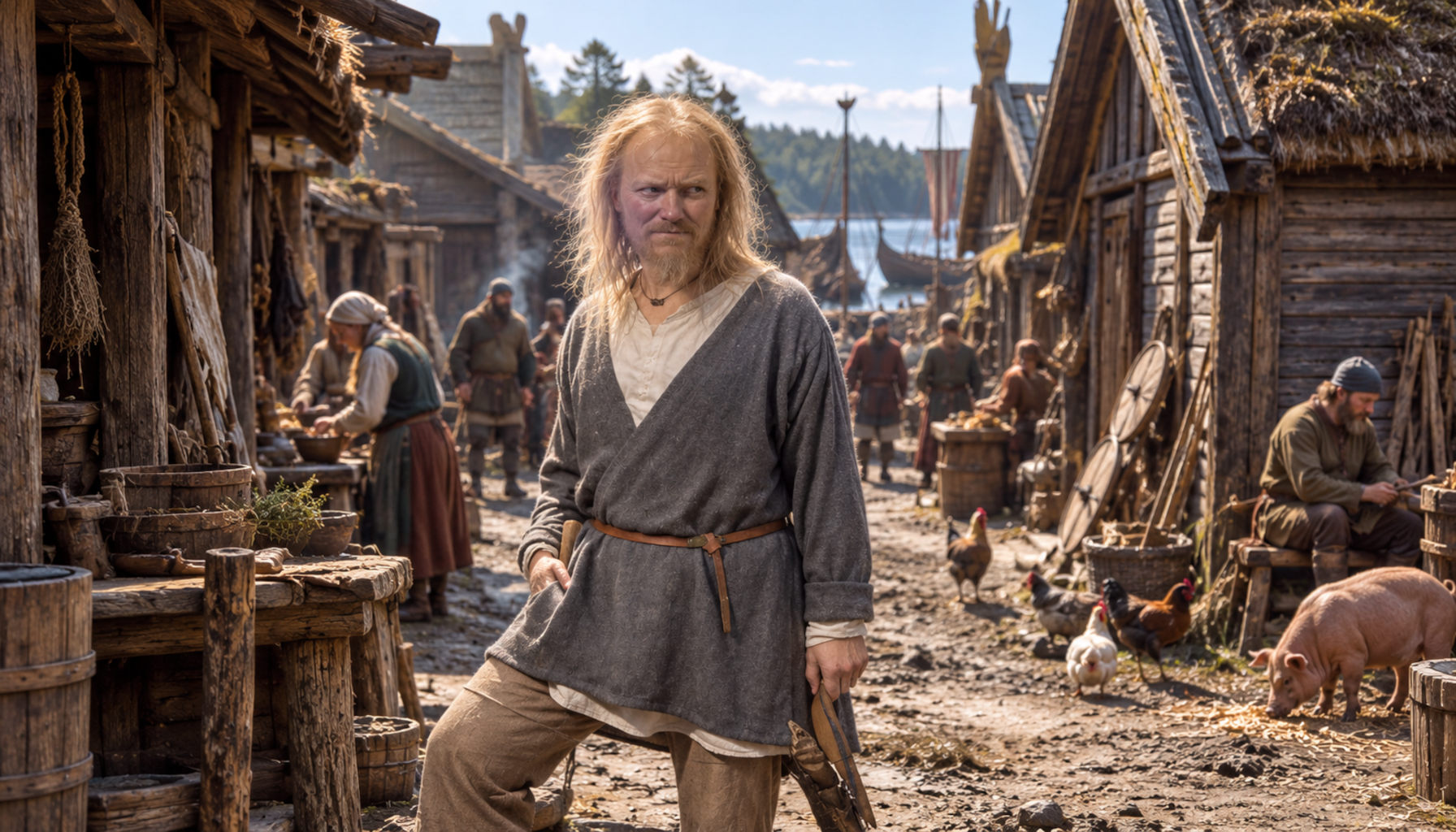
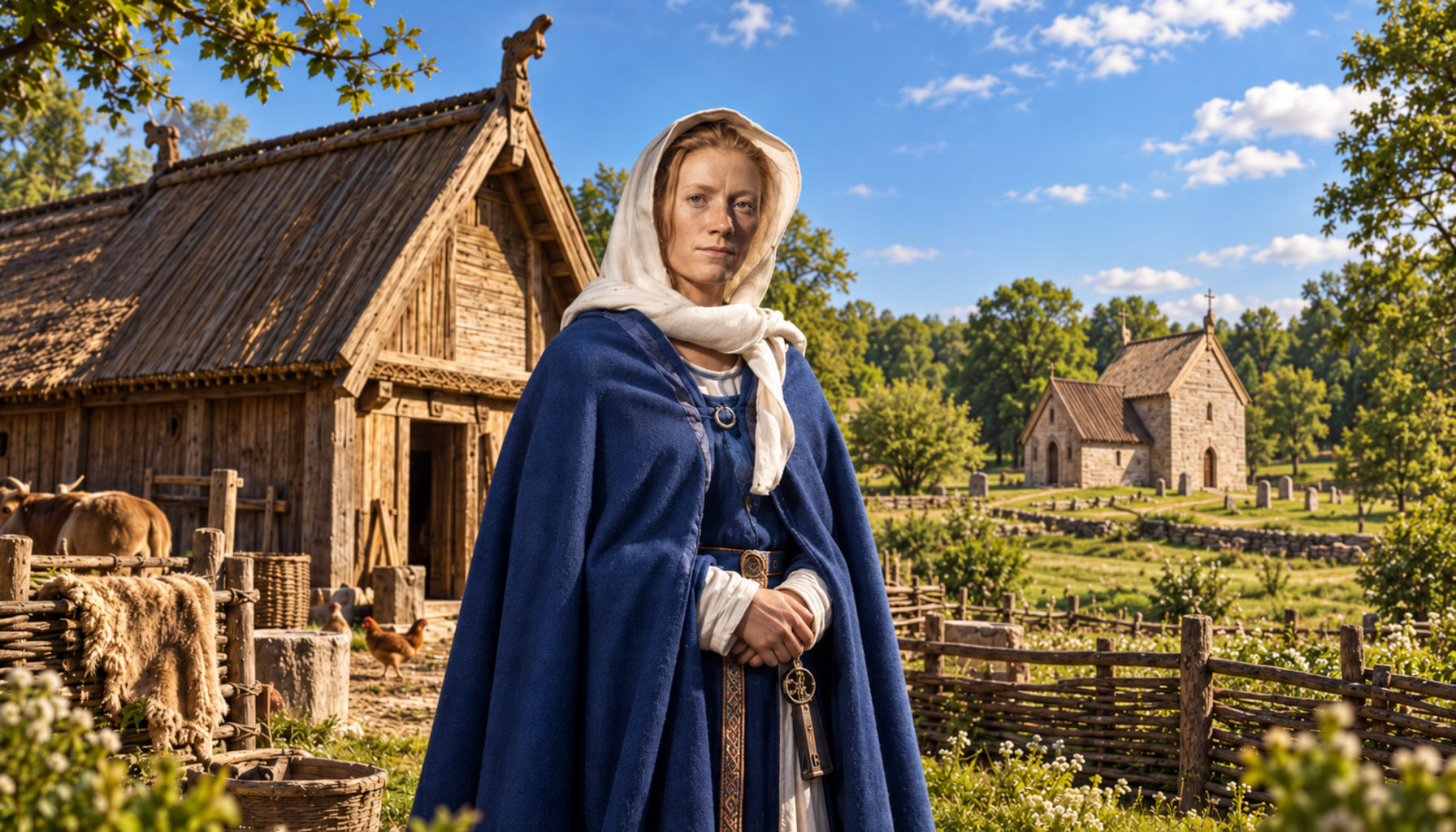
From an ancient-DNA perspective, the haplogroup tag linked with the House of Mowbray, R1b1a1b1a1a1c2b2a1b1a4a1a1a, also appears in a range of ancient and medieval samples from northern and central Europe. These include Medieval Germany Sachsen-Anhalt Western Slav Settler Steuden, sample SDN003, Saxon Grave Lower Saxony Hannover-Anderten Germany, sample ADN002, Viking Age Gotland Kopparsvik Sweden, sample VK469, and Viking Age Galgedil Funen Denmark, sample VK133. These individuals should be understood as related or haplogroup-linked comparators rather than proof of direct descent. Still, they are useful reminders that noble houses such as the Mowbrays belonged to a broader historical world shaped by movement across the North Sea, the Channel, and the Baltic, where Norman, Saxon, Scandinavian, and continental populations overlapped in ways that written history only partly captures.
If the House of Mowbray catches your imagination, the next step is to test the history against your own DNA. Upload your results to MyTrueAncestry and see whether you match the family, or related ancient DNA samples linked to the same wider haplogroup story stretching across Norman, Saxon, and Viking Age Europe.


Comments