The House of Corbet

– 3 min read


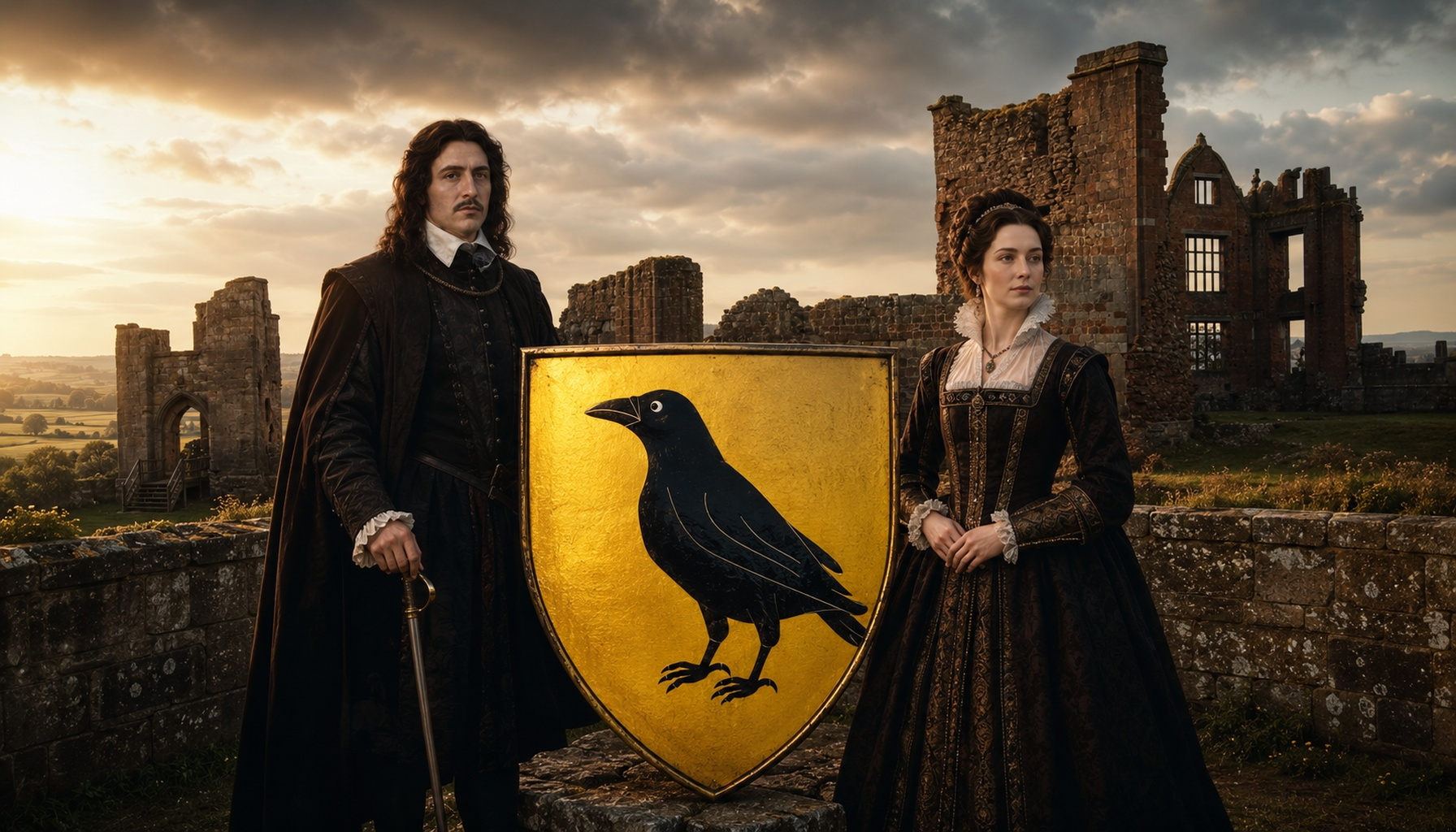
The House of Corbet was a Norman and later Anglo-Norman noble family whose story belongs to that great upheaval after 1066, when continental fighting men crossed into Britain and turned military service into landed power. The name is usually linked to Norman roots, and in Britain the Corbets became especially associated with the Welsh Marches, Shropshire, county office, castle lordship, and the slow hard work of becoming local magnates rather than merely conquerors. Their primary family haplogroup is linked here as G2a2b2a1a1b1a1c3a1, placing the family within a much older paternal line whose wider echoes appear across ancient Europe.
Like many noble houses of Norman origin, the Corbets did not remain a single neat unit. They spread into branches in England and Scotland, built their standing through feudal tenure, marriages, heraldry, and service to kings and earls, and became part of the machinery of local rule. This is exactly the pattern one sees again and again in the Anglo-Norman world: a family arrives as military followers, acquires estates, serves as sheriffs or royal officials, and then roots itself so deeply in a region that the surname becomes part of its landscape. Among the early figures associated with the house is Roger FitzCorbet, remembered as one of the family's notable historic names in its formative era.
Read more about the House of de Warenne
The great location anchor for the family is Moreton Corbet Castle in Shropshire, often called Corbet Castle in family memory because it so clearly embodies the Corbet presence in the county. What survives there is wonderfully layered: an earlier medieval fortress and, beside it, the striking remains of a later Elizabethan mansion, ambitious and rather theatrical, built into the shell of inherited lordship. In other words, it is not just a ruin but a visible essay in aristocratic continuity. The site tells the long Corbet story in stone, from marcher insecurity and fortified residence to the self-conscious display of a family that had moved from conquest society into the culture of established gentry and nobility. It stands near the village of Moreton Corbet, north-east of Shrewsbury, and yes, the ruins can still be visited, making it one of those rare places where a surname in the records becomes a place you can actually walk through.
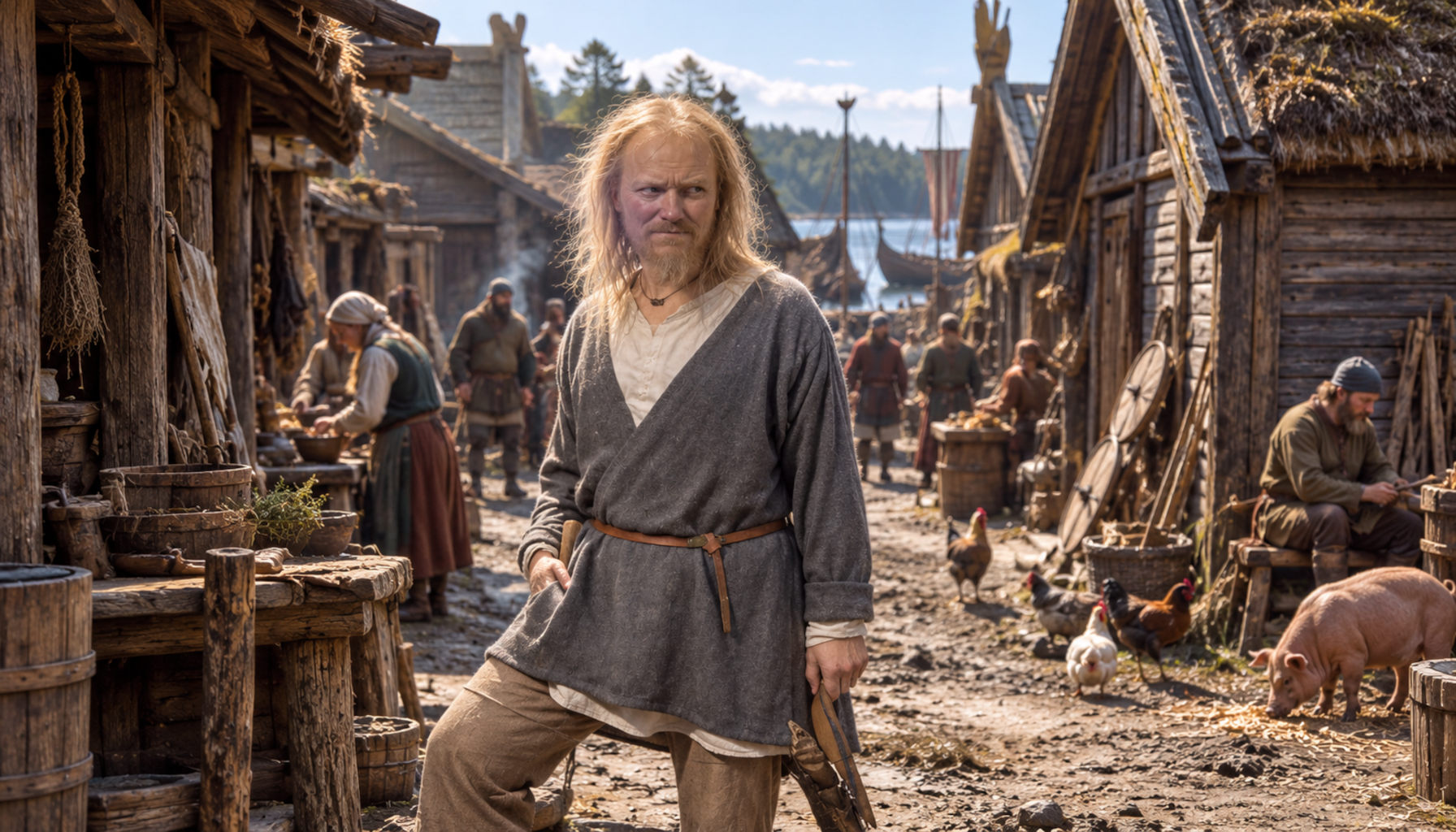
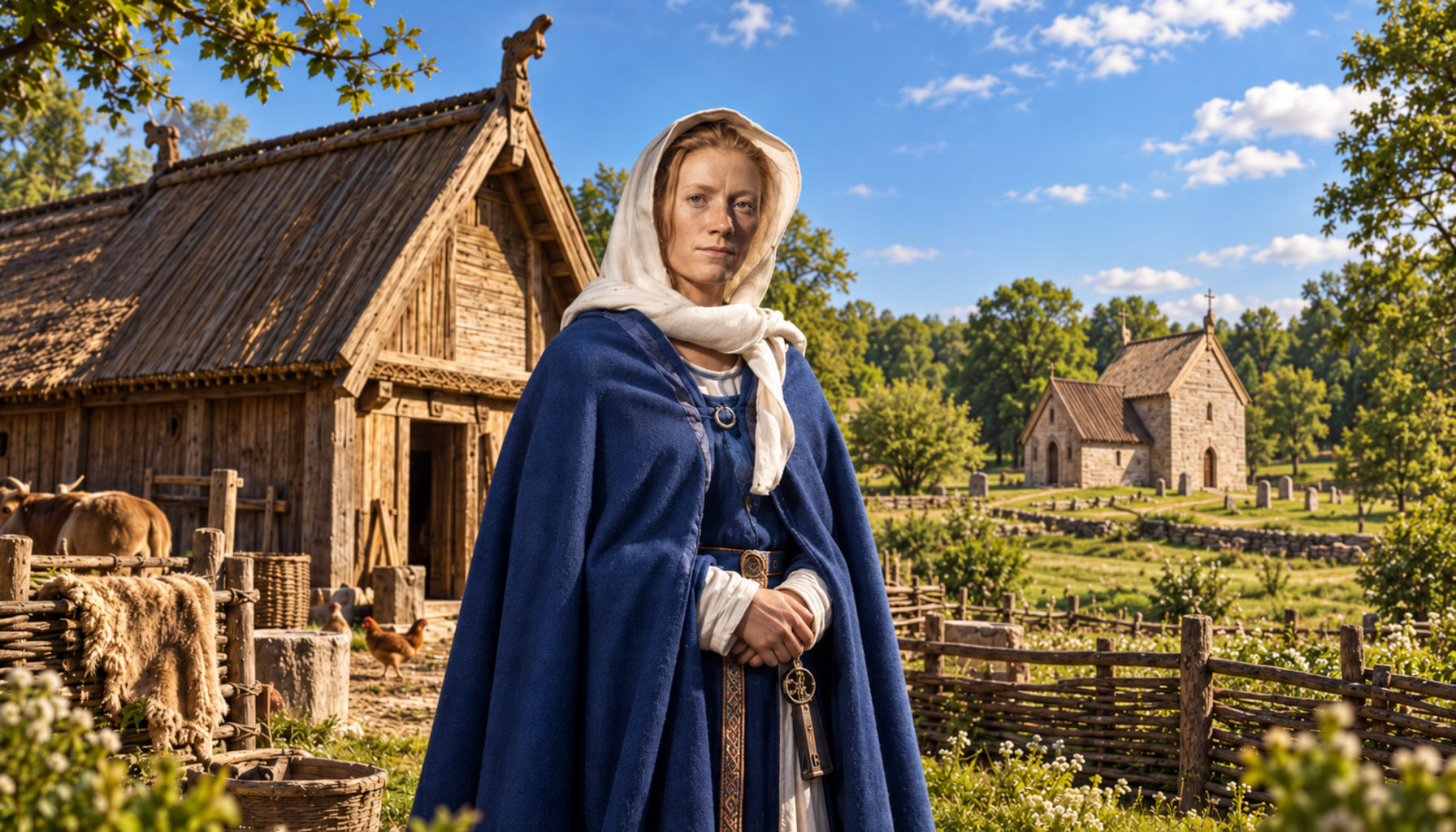
The haplogroup tag G2a2b2a1a1b1a1c3a1 also opens a deeper prehistoric and historic backdrop. Related or linked ancient samples assigned to this broader paternal line appear in a remarkably wide arc: Gallo-Celtic Switzerland at Pont de Cornaux-Les-Sauges (3436), elite Celtic Germany at Eberdingen-Hochdorf Biegel (HOC004), Late Roman and Dark Ages contexts such as South Tyrol Malles Burgusio Santo Stefano (2427), and later historical burials including the Soldier of Napoleon Grande Armee mass grave at Vilnius, Latvia (YYY085B). The same wider lineage also appears in Copper and Bronze Age Alpine Italy at Nogarole (NOG201, NOG301, NOG302), Trento Romagnano (ROM308, ROM309), and Paludei di Volanoo (PAL01), as well as in Post-Visigoth Spain at Los Berrocales (CGG022026), Post Viking Era Denmark at St Clemen, Zealand (KPN011), Late Roman or Germanic frontier settings such as Marxberg Necropolis near Sarrebourg in France (R11552, R11560), Gallic contexts at Bucheres (BUCH48-1), Erstein in Alsace (ERS83-2), Colmar (COL330), and even Viking Age Sweden at Skara Varnhem (VK39). These are not claims of direct descent from the Corbets, still less from one named ancient individual, but they do show the long and varied European history of paternal lines related to the one linked here.
If the House of Corbet speaks to your own family story, the next step is not guesswork but comparison. Upload your DNA to MyTrueAncestry and see whether you match the Corbet family profile or any of the related ancient DNA samples linked to haplogroup G2a2b2a1a1b1a1c3a1. That is where noble memory, documentary history, and deep ancestry become properly interesting: not as legend, but as evidence.


Comments