The House of Cavendish
– 3 min read


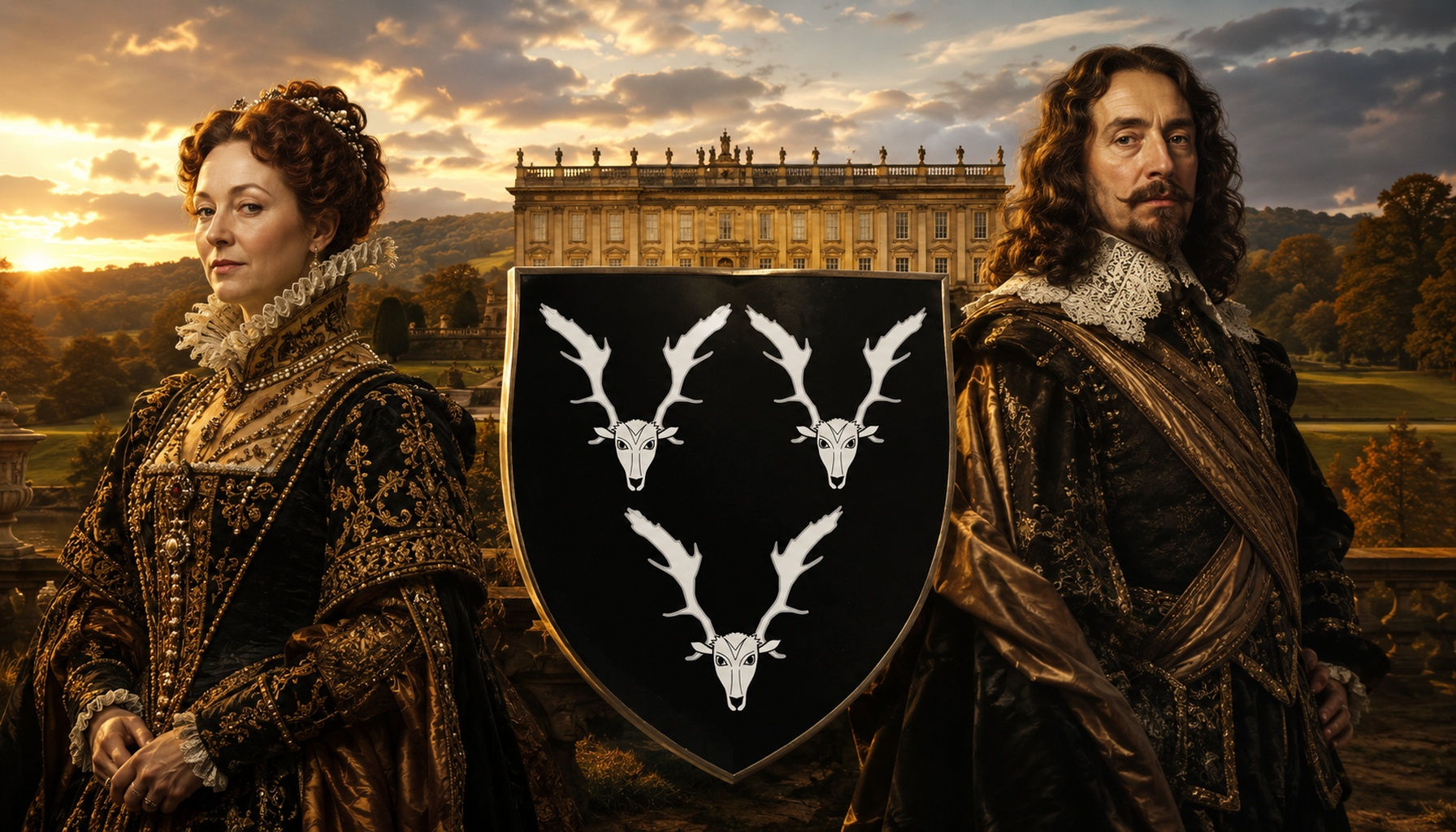
The House of Cavendish was one of the great aristocratic families of England, best known as the line of the Dukes of Devonshire, the builders and inheritors of Chatsworth House, and a dynasty whose influence ran through politics, land, architecture, patronage, and court life for centuries. In genetic tagging terms, the primary family haplogroup linked here is R1b1a1b1a1a1c1, a branch within the broad R1b line that appears widely across western and parts of central Europe.
The family name itself points back to Cavendish in Suffolk, and like so many English noble stories, its rise belongs to the long afterlife of medieval landholding. This was not a house conjured out of nowhere by a single battlefield exploit. Rather, the Cavendishes grew through the slow, durable mechanics of English power: acquiring estates, serving the Crown, marrying astutely, collecting offices, and turning property into permanence. By the Tudor and Stuart periods they had become a family of national consequence, and by the time of the dukedom they represented something very recognisable in English history: the high aristocratic ideal of landed authority, public service, display, and continuity.
Among the best-known figures are Sir William Cavendish (1505-1557), a Tudor courtier and administrator whose marriage to Bess of Hardwick helped launch one of the great dynastic fortunes in England; William Cavendish, 1st Duke of Devonshire (1640-1707), who helped secure the family's place at the summit of the political nation; and Georgiana Cavendish, Duchess of Devonshire (1757-1806), who remains one of the most vivid personalities of 18th-century Britain, blending politics, fashion, celebrity, and influence in a way that feels startlingly modern.
If one place anchors the public memory of the Cavendishes, it is Chatsworth House in Derbyshire. Set in the landscape of the Peak District, Chatsworth is not merely a large country house but a kind of architectural autobiography of the family. The estate developed over centuries, with major rebuilding in the late 17th and early 18th centuries, and it became one of the most famous stately homes in Britain. Its scale, collections, gardens, sculpture, waterworks, and later landscape design all speak to the immense resources and cultivated ambition of the Devonshire line. This is the sort of place where politics, taste, and money all become visible in stone, glass, paintings, libraries, and parkland.
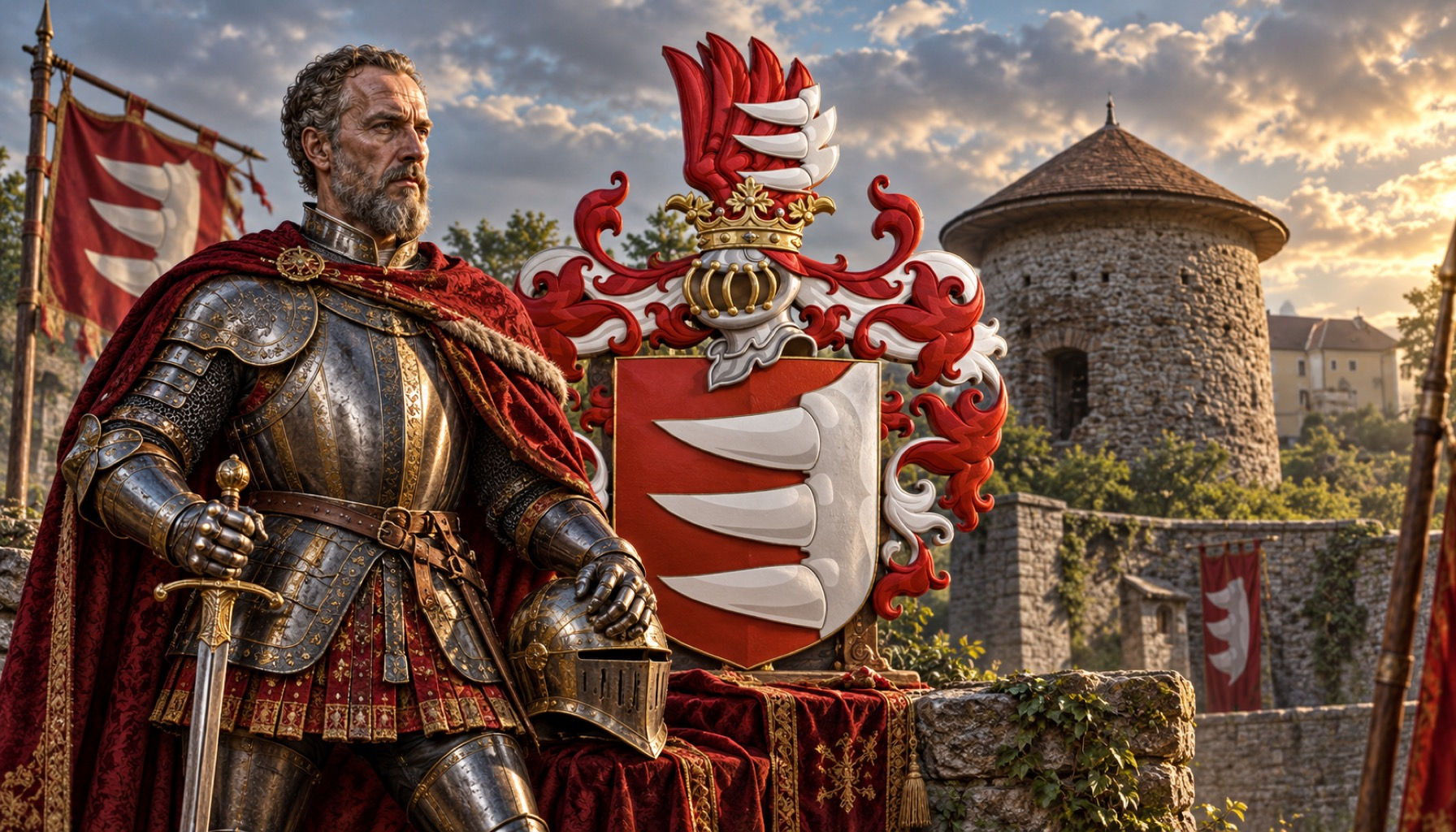
Chatsworth also matters because it preserves the deeper identity of the house: heraldry, archives, family portraits, estate administration, and the theatre of aristocratic continuity. In other words, it is not simply where the family lived, but where the family made itself legible to the nation. And yes, it is still open to visitors today, which means the Cavendish story is unusually accessible: people can still walk through the rooms, gardens, and landscape that shaped one of England's most enduring noble houses.
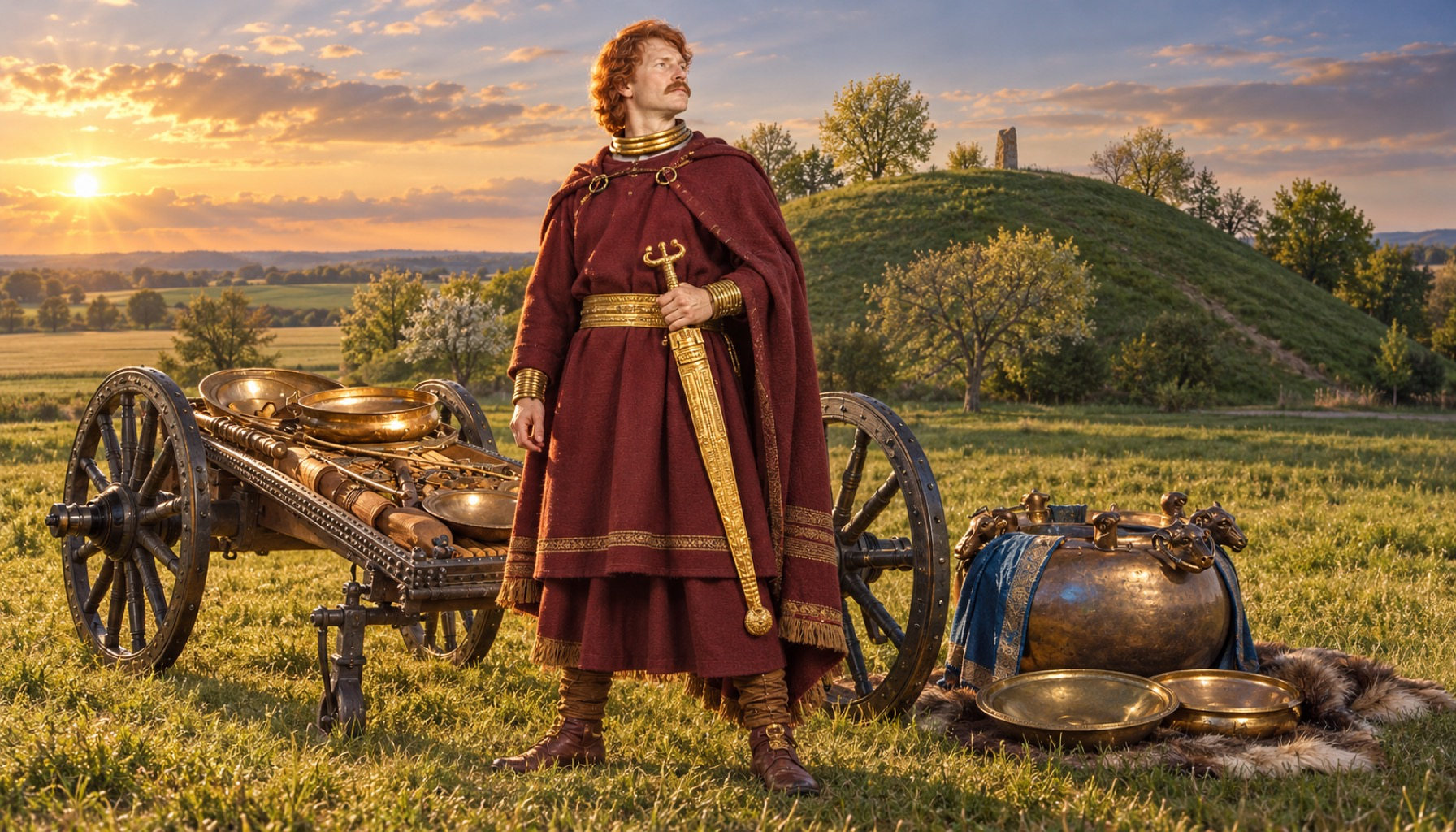
The Cavendish line is tagged here with haplogroup R1b1a1b1a1a1c1, and while that does not by itself prove direct descent from any excavated individual, it does place the family within a paternal lineage seen across a remarkably wide historical range. Related or linked ancient DNA samples carrying this branch include Iron Age and later individuals from Britain and continental Europe such as Celtic Durotriges England Duropolis Winterborne Kingston (WBK106), Medieval England Cherry Hinton (ATP_PSN_944), Early Modern Period England Trinity Church (ATP_PSN_412), Pict Era Scotland Black Isle Rosemarkie Cave (KD001), Saxon England North Yorkshire West Heslerton Vale of Pickering (I11583), Elite Celtic Burial Germany Ludwigsburg Roemerhuegel (LWB002_ss), Lombard Warrior Elite Collegno Northern Italy (COL_069), Medieval Northern Spain Las Gobas (ldo046), Bronze Age Unetice Thuringia Leubingen Sommerda Germany (LEU040), and Early Bronze Age France Saint-Martin-la-Garenne Yvelines Ile-de-France (SMGB54).
What is striking here is not a neat fairy-tale family tree stretching unbroken back to one named prehistoric chieftain, but the breadth of the lineage's archaeological footprint. This haplogroup appears in contexts tied to Bronze Age expansion, Iron Age Celtic worlds, Roman and post-Roman mobility, Anglo-Saxon and medieval communities, and later elite burials. For a family like the Cavendishes, rooted in England yet woven into the wider aristocratic history of Europe, that is rather fitting: the genetics hint at deep western European time depth, while the documents, buildings, and titles show how one branch of that much older human story became a major English house.
The House of Cavendish is a fine example of how dynasty works in history: not just blood, but land, memory, office, marriage, and survival. If you have English, British, or northwestern European roots, your own DNA may connect with the same deeper haplogroup world or with related ancient samples from Britain and the continent. Upload your DNA to MyTrueAncestry to see whether you match the House of Cavendish or any of the linked ancient DNA individuals behind this wider historical lineage.


Comments