The House of Broughton
– 2 min read


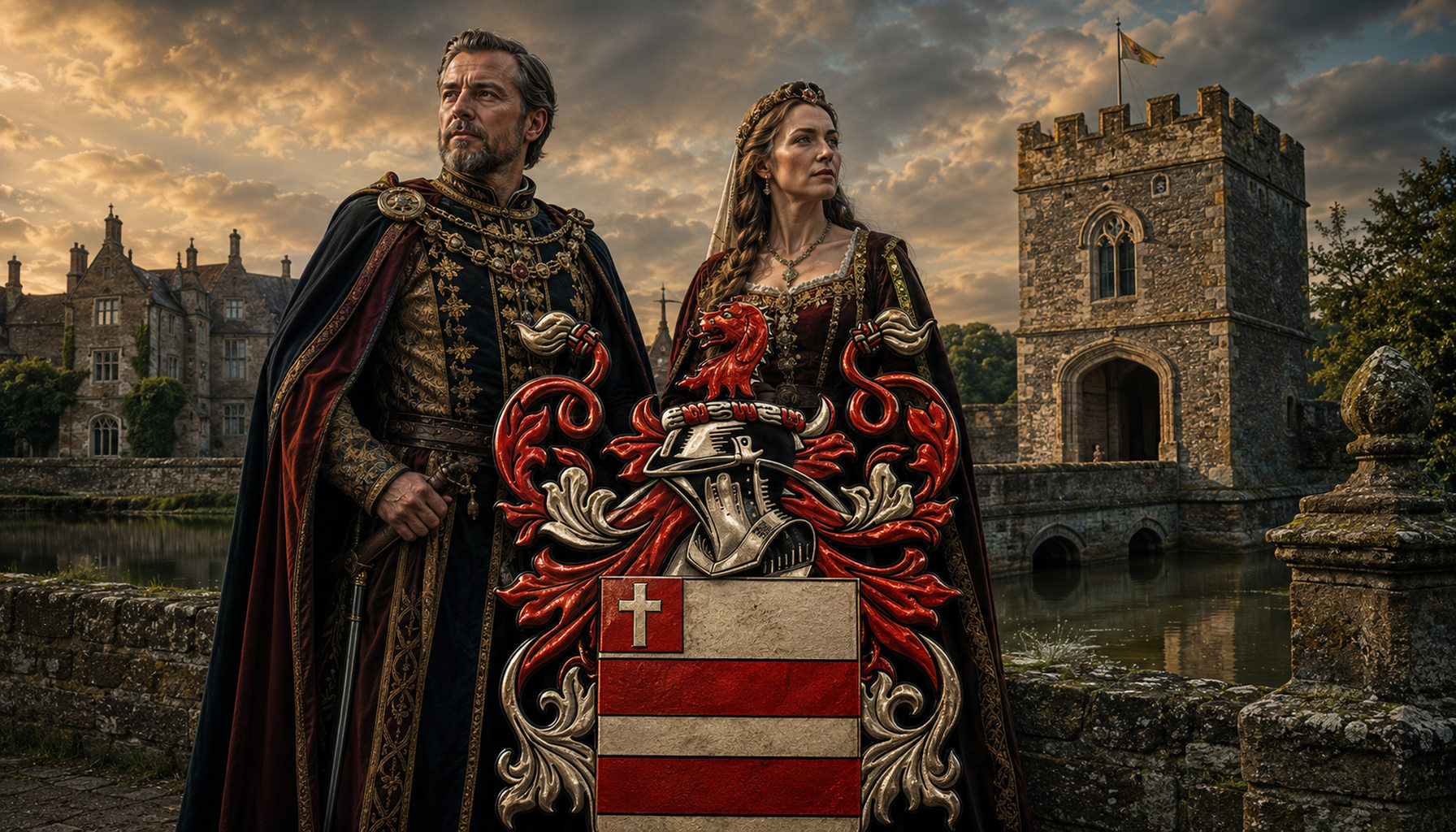
The Broughton family was one of those distinctly English landed houses whose identity was bound up with place, service, and memory. Their name is territorial in character, pointing back to a place called Broughton and to the old habit of families taking their names from the landscape they held, managed, and represented. In that sense, the House of Broughton fits a familiar but important historical pattern: a gentry family shaped not by sudden drama alone, but by the long accumulation of land, marriage alliances, county standing, and public duty. Haplogroup-wise, the primary family line is here linked with R1b1a1b1a1a2c1a1d3b1, a branch within the wider R1b world that appears again and again across the history of Britain and northwestern Europe.
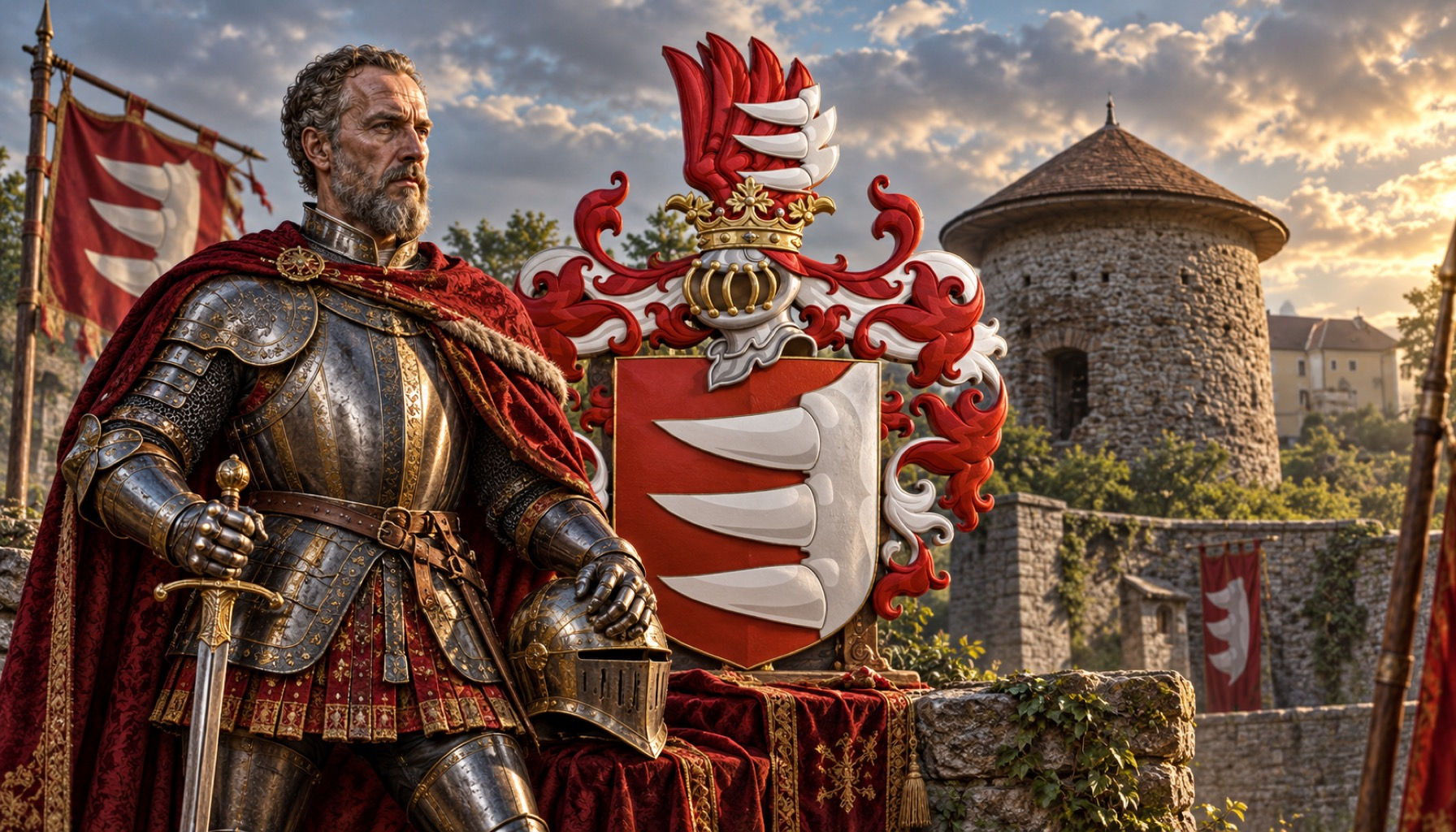
That is really the key to understanding the Broughtons. They were not simply people with a surname; they were a house in the old English sense, a family whose reputation rested on continuity. Over generations, such families served as sheriffs, magistrates, military officers, patrons, and fixtures of county society, preserving both heraldic identity and local influence. Sir Brian Broughton (1618-1708) stands out among the named figures associated with the family, representing that blend of status and service which helped keep a landed name alive through the upheavals of the seventeenth century. The Broughtons belong to the story of England not as isolated grandees, but as part of the durable fabric of regional authority.
Broughton Hall in Staffordshire gives this family story its proper geographical anchor. The hall, near Eccleshall, is a country house with roots in the seventeenth century and later alterations that reflect the usual life of an English estate: rebuilding, refashioning, and adaptation rather than a single frozen moment of origin. It is a listed building, and that matters because it tells us the place is valued not just for family memory but for national architectural heritage as well. Houses like this were never merely private dwellings. They were statements of authority in the landscape, centers of estate management, and social stages on which county life was performed. Broughton Hall embodies exactly that world of Staffordshire gentry society, where landownership, local office, and family continuity all met in one visible place. Public access can vary, so it is best treated as a heritage site to view with current arrangements checked in advance rather than assumed as freely open at all times.
Read more about the House of Wentworth
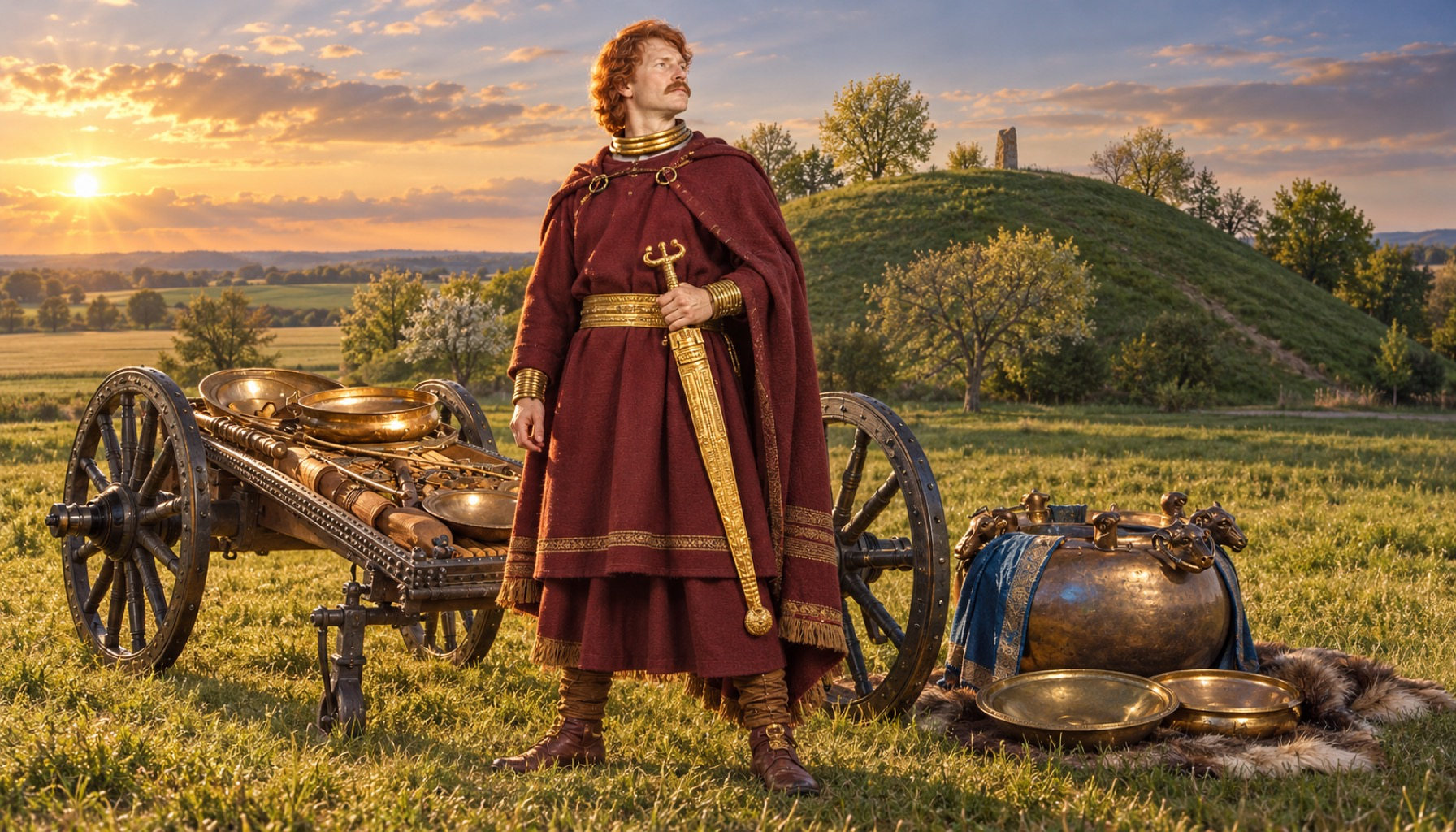
The deeper genetic background linked with the Broughton line's primary haplogroup, R1b1a1b1a1a2c1a1d3b1, reaches into a much older map of Britain and northern Europe. Related or linked ancient samples include Medieval England Augustinian Friars individuals ATP_PSN_512 and ATP_PSN_520, Medieval Vasterhus Sweden sample mbv151, the Celtic Briton from Yarnton in Oxfordshire, England, sample I21182, and the Late Bronze Age individual from Raven Scar Cave, North Yorkshire, sample I16469. These do not prove direct descent from the Broughton family, and it would be quite wrong to pretend otherwise. But they do place the family's haplogroup within a real historical continuum, stretching from Bronze Age and Iron Age Britain into the medieval world of friaries, villages, and regional communities. In other words, the Broughtons sit within a paternal lineage landscape that is thoroughly at home in the story of Britain.
Explore Roman and Early Medieval Britain DNA
If the House of Broughton catches your imagination, the next step is to test the connection for yourself. Upload your DNA to MyTrueAncestry and see whether you match the Broughton family profile or any of the related ancient DNA samples linked with haplogroup R1b1a1b1a1a2c1a1d3b1. It is a splendid way to turn family history from something read on a page into something personal, evidence-based, and unexpectedly deep in time.
Comments